

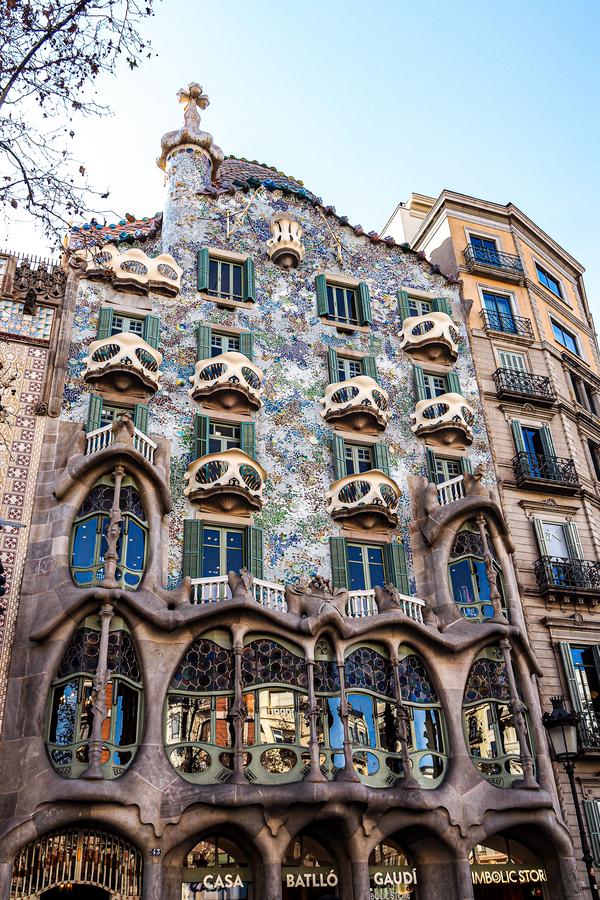
Barcelona, the capital of Catalonia, is a vibrant city known for its unique architecture, rich history, and dynamic culture. Famous for the works of Antoni Gaudí, such as the Sagrada Família and Park Güell, Barcelona offers a blend of modernist and gothic styles. The city’s beaches, bustling markets, and lively tapas bars make it a must-visit destination for travelers seeking a mix of relaxation and adventure.
The destination guide
Barcelona
Travel guides for Barcelona
More guides featuring Barcelona (17)
At a glance
Currency€ EURCode: EUR
Time zoneCentral European Time
Languages
- Spanish
- Catalan
- Basque
- Galician
Setting
- Mediterranean coast
- Urban cityscape
- Gothic Quarter
- Mountain backdrop
Population1.6M1,620,343 residents
VisaDuration: Up to 90 days within any 180-day period in the Schengen Area · Documents: Valid passport issued within the last 10 years and valid for at least 3 months after planned departure, plus proof of accommodation, onward or return travel, and sufficient funds if requested
Daily budget$60–$300 / day Full budget guide →
How Barcelona scores
10/10OverallExcellent
Weather8/10
Value for money6/10
Food & cuisine9/10
Culture & arts6/10
Cultural experience9/10
Nature & outdoors7/10
Adventure4/10
Nightlife9/10
Shopping9/10
Family friendly5/10
Romance8/10
Editorial scores on a 10-point scale, weighed against destinations of the same kind.
Travel safety snapshot
Overall70/100Moderate rating
Women travellers68/100
LGBTQ+ travellers90/100
Theft42/100
Medical care83/100
Physical harm75/100
Political freedom78/100
SafePlace indicators use their source 100-point scale; higher is more favourable. Planning context, not a live travel advisory — check official government guidance before you go.
When to go
Best months to visit: March, April, May, June, July, September, October and November.
- January: 7.4 to 13.5 degrees Celsius, 8.4 millimetres of rain, best-time score 3 out of 5.
- February: 8.1 to 13.6 degrees Celsius, 4.4 millimetres of rain, best-time score 3 out of 5.
- March: 9.8 to 15.4 degrees Celsius, 21.6 millimetres of rain, best-time score 4 out of 5.
- April: 12.1 to 17.6 degrees Celsius, 2.4 millimetres of rain, best-time score 5 out of 5.
- May: 14 to 20.4 degrees Celsius, 13.5 millimetres of rain, best-time score 5 out of 5.
- June: 19.1 to 24.4 degrees Celsius, 15.6 millimetres of rain, best-time score 5 out of 5.
- July: 22.1 to 27.6 degrees Celsius, 3.2 millimetres of rain, best-time score 4 out of 5.
- August: 22.8 to 27.2 degrees Celsius, 14.3 millimetres of rain, best-time score 3 out of 5.
- September: 20.3 to 25.1 degrees Celsius, 32.7 millimetres of rain, best-time score 5 out of 5.
- October: 16.7 to 21.4 degrees Celsius, 40.5 millimetres of rain, best-time score 5 out of 5.
- November: 12.6 to 17.3 degrees Celsius, 38.7 millimetres of rain, best-time score 4 out of 5.
- December: 9.5 to 14.5 degrees Celsius, 23.9 millimetres of rain, best-time score 3 out of 5.
Month-by-month conditions and packing advice
- January
- Cool weather, mostly dry January in Barcelona: winter is mild and walkable, but cooler weather and shorter days make a classic city-and-beach trip less balanced. Crowds: January marks Barcelona’s low tourist season, offering quieter streets, shorter queues at major attractions, and more affordable hotel rates compared to spring and summer. While beachgoing is off the table for most travelers, the cool, dry conditions are excellent for cultural exploration, museum visits, and urban photography. Outdoor dining is still possible at midday on sunny days, though evenings call for warmer layers. This is also a prime time to enjoy local winter festivals and markets without the pressure of crowds. Budget-conscious visitors benefit most, as airfare and accommodation are generally lower, but planning ahead for indoor activities is wise in case of occasional overcast spells. Pack: Warm layered clothing including sweaters and a medium-weight jacket; Comfortable walking shoes with good grip for cobblestone streets; Scarf and gloves for chilly evenings; Compact travel umbrella for unexpected showers; Casual but neat attire for dining and cultural events; Camera with low-light capability for winter photography
- February
- Cool weather, mostly dry February in Barcelona: mild off-season weather can suit architecture walks and food stops, but beach plans are limited. Crowds: February sits in Barcelona’s low tourist season, meaning fewer crowds and more relaxed access to top attractions such as the Sagrada Família, Picasso Museum, and La Boqueria market. Accommodation prices are generally lower, and availability is high, making it an attractive time for budget-conscious travelers. The cooler temperatures are ideal for walking tours, cycling, and exploring neighborhoods like El Born and Gràcia without the fatigue of summer heat. While beach swimming isn’t viable, coastal walks are pleasant and less busy. The city’s cultural calendar includes Carnival festivities, adding local flair without overwhelming tourist influx. Advance booking for major sites is still advisable, though last-minute plans are more feasible than in peak months. Pack: Medium-weight jacket for cool days; Scarf and gloves for chilly mornings and evenings; Comfortable walking shoes for cobblestone streets; Layered clothing for indoor-outdoor transitions; Compact umbrella for unexpected showers; Smart-casual attire for dining and cultural events
- March
- Cool weather, mostly dry March in Barcelona: early spring can work well for architecture, neighborhoods, parks, and food with layers and some rain planning. Crowds: March offers a sweet spot for visiting Barcelona—mild weather, manageable crowds, and lower hotel rates compared to the summer peak. Outdoor sightseeing is pleasant, though evenings can still feel cool, so layering is key. Popular attractions like the Sagrada Família, Park Güell, and the Gothic Quarter are easier to enjoy without heavy queues. It’s also an excellent time for culinary experiences, with seasonal Catalan dishes and food festivals adding depth to a visit. While beach swimming is still too chilly for most, coastal walks and portside dining are enjoyable. Booking accommodation and tickets in advance is wise for key sites, but spontaneous exploration remains feasible during this shoulder season. Pack: Light jacket or windbreaker for cooler evenings; Layered clothing to adapt to daily temperature changes; Comfortable walking shoes for cobblestone streets; Compact umbrella for occasional showers; Sunglasses for bright Mediterranean light; Smart-casual attire for dining and cultural venues
- April
- Warm and pleasant, mostly dry April in Barcelona: architecture walks, food markets, parks, neighborhoods, and day trips balance pleasant weather with manageable crowds. Crowds: April marks the start of Barcelona’s prime spring travel window, attracting a steady influx of visitors without the peak summer crowds. Outdoor activities—such as cycling along the beachfront, strolling La Rambla, or visiting open-air markets—are especially enjoyable in this mild, dry weather. Accommodation prices begin to rise from their winter lows, and popular attractions like Park Güell and the Sagrada Família may require advance booking. Cultural events, including Sant Jordi’s Day toward the end of the month, add vibrancy to the streets. While the sea remains too cool for extended swims, coastal walks and terrace dining are at their most pleasant. Planning ahead ensures better availability for boutique hotels and guided experiences. Pack: Light jacket or cardigan for cooler evenings; Comfortable walking shoes for cobblestone streets; Sunglasses with UV protection; Layered outfits for shifting day-to-night temperatures; Small umbrella or compact rain jacket for rare showers; Scarf for added warmth during coastal breezes
- May
- Warm and pleasant, mostly dry May in Barcelona: warm spring weather supports beaches, architecture, markets, parks, and long neighborhood walks before peak heat. Crowds: Excellent shoulder season avoiding summer crowds while maintaining optimal weather for all activities. May provides great value with reasonable hotel rates and shorter queues at Sagrada Familia, Park Güell, and Casa Batlló. Perfect for combining cultural exploration with early beach season activities. Pack: Light layers for comfortable day-to-evening transitions; Comfortable walking shoes for extensive Gaudí site exploration; Light cardigan for coastal evening breezes; Moderate SPF sunscreen for increasing Mediterranean sun; Casual elegant attire for renowned Barcelona dining scene; Beach accessories for pleasant seaside weather
- June
- Warm and pleasant, mostly dry June in Barcelona: city walks, beaches, food markets, parks, neighborhoods, and day trips balance summer energy with still-manageable heat. Crowds: June marks the start of Barcelona’s high summer season, with ideal weather for beach outings, open-air concerts, and neighborhood festivals such as Festa Major. Tourist numbers rise steadily, so expect moderate to high crowd levels at major attractions and higher accommodation rates compared to spring. It’s an excellent month for combining cultural sightseeing with coastal relaxation, as the sea is warm enough for swimming but the heat hasn’t yet peaked. Outdoor dining, cycling tours, and day trips to nearby Montserrat or the Costa Brava are at their best. Booking tickets for Sagrada Família, Park Güell, and popular tours in advance is strongly recommended. Evenings remain lively, with comfortable temperatures that extend social activities well past midnight. Pack: Lightweight breathable clothing for warm days; Comfortable sandals or walking shoes for city exploration; Sunhat or cap for midday protection; Light jacket or wrap for cooler evenings; Swimwear for beach and pool days; Sunscreen SPF 50+ for prolonged outdoor activities
- July
- Hot and sunny, mostly dry July in Barcelona: summer beaches and nightlife are strong, but heat and crowds require early starts and shaded breaks. Crowds: July is high tourist season in Barcelona, bringing vibrant energy but also the largest crowds and highest accommodation prices of the year. Perfect conditions for beach days, sailing excursions, and rooftop evenings coincide with numerous festivals, such as open-air music events and cultural celebrations. The heat encourages a Mediterranean rhythm—long lunches, afternoon breaks, and late-night outings. Popular attractions like Park Güell and La Sagrada Família can be busy from mid-morning onwards, so early starts or evening visits are best. While weather is ideal for outdoor pursuits, sun protection is essential. Booking accommodation and major attractions weeks in advance is recommended during this peak season. Pack: Breathable linen or cotton clothing for daytime heat; Wide-brimmed hat and high-SPF sunscreen; Light shawl or cover-up for sun and cultural sites; Comfortable sandals or walking shoes; Reusable water bottle to stay hydrated; Swimwear for beach and pool outings
- August
- Hot and sunny, mostly dry August in Barcelona: peak heat, crowds, and some local closures make the city less balanced unless beaches and late evenings are the focus. Crowds: Busiest tourist season with maximum crowds, highest prices, and packed beaches. August represents peak challenge for sightseeing with traffic jams, crowded attractions, and uncomfortable conditions for extensive walking tours. Beach activities and evening exploration become primary focus. Pack: Ultra-light, loose clothing in breathable fabrics; High SPF sunscreen and protective accessories essential; Comfortable sandals for hot pavement walking; Light colors to reflect heat absorption; Cooling accessories like fans or cooling towels; Evening attire for Barcelona's famous nightlife; Electrolyte supplements for heat management
- September
- Warm and pleasant, some rain September in Barcelona: warm sea temperatures, lively neighborhoods, architecture walks, food markets, and day trips make this a strong window. Crowds: September is part of Barcelona’s late high season, where the weather supports both urban exploration and coastal relaxation. Warm temperatures and lower rainfall compared to peak summer make it appealing for walking tours, museum visits, and beach outings. Crowds remain substantial, particularly around major attractions like La Sagrada Família and Park Güell, but are slightly reduced compared to August. Accommodation rates are still elevated, though more flexible deals appear mid-month as family holidaymakers depart. This period aligns with local events such as La Mercè Festival, adding cultural vibrancy but also drawing additional visitors. Travelers should book key tickets and lodging in advance, especially if visiting during festival dates, while taking advantage of extended daylight for diverse activities. Pack: Lightweight breathable clothing for warm days; Compact umbrella or light rain jacket for occasional showers; Comfortable walking shoes for cobblestone streets; Sunhat and SPF 30+ sunscreen for daytime exploration; Evening layer such as a light sweater or cardigan; Modest attire for visiting churches and cultural sites
- October
- Warm and pleasant, some rain October in Barcelona: mild autumn weather supports architecture, beaches on warmer days, food markets, parks, and lower-crowd sightseeing. Crowds: October offers shoulder-season charm in Barcelona, with agreeable temperatures for sightseeing, moderate tourist crowds, and more accessible accommodation pricing compared to summer’s peak. Outdoor activities such as architectural walks, park picnics, and day trips to Montserrat remain comfortable, while occasional rain showers may briefly pause open-air plans. Popular attractions like the Sagrada Família and Park Güell still require advance booking, but lines are generally shorter. Seasonal markets and cultural festivals begin to surface, enhancing the local experience without overwhelming visitor numbers. This is a sweet spot for travelers wanting cultural immersion with fewer logistical challenges. Light jackets are advisable for evening events, and flexible itineraries help make the most of varied weather. Pack: Light jacket or cardigan for cooler evenings; Comfortable walking shoes for cobblestone streets; Compact travel umbrella for occasional showers; Layered outfits for fluctuating temperatures; Crossbody bag to deter pickpockets in busy areas; Scarf for warmth and style in autumn breezes
- November
- Warm and pleasant, some rain November in Barcelona: late autumn can still work for architecture, food, museums, and neighborhood walks with rain planning. Crowds: November marks the shoulder season in Barcelona, offering a calmer experience compared to the summer surge. Attractions like the Sagrada Família, Park Güell, and the Picasso Museum are less crowded, allowing for unhurried visits and easier photography. Hotel rates are generally lower than peak months, making it an appealing time for budget-conscious travelers. Outdoor activities, from walking tours to rooftop terraces, remain comfortable thanks to mild weather, though occasional rain showers may prompt flexible itineraries. Seasonal food markets highlight chestnuts and sweet potatoes, while cultural events like All Saints’ Day provide unique local flavor. Advance booking for major attractions is still advised, but the pace of the city is more relaxed, ideal for travelers who prioritize atmosphere over beach weather. Pack: Light jacket or trench coat for cool mornings and evenings; Comfortable walking shoes for cobblestone streets; Compact umbrella or light rain jacket; Layered clothing for variable daytime temperatures; Scarf for added warmth and style; Camera for capturing autumn light on architecture
- December
- Cool weather, mostly dry December in Barcelona: festive city breaks can work, but cooler weather and shorter days limit the beach-and-outdoor side of the trip. Crowds: December marks Barcelona’s low tourist season, meaning fewer crowds at major attractions and a more relaxed pace for sightseeing. Accommodation prices are generally lower than in spring or summer, except during the Christmas and New Year period when festive markets and holiday events increase demand. The mild days are excellent for cultural exploration, museum visits, and leisurely café stops, while cooler evenings invite cozy dining in local tapas bars. Beaches are not suited for swimming but remain pleasant for walks and coastal views. Travelers should plan for shorter daylight hours and consider booking popular holiday events or dinners in advance, as locals and visitors alike fill the city’s key venues during festive nights. Pack: Warm layers for cool mornings and evenings; Comfortable waterproof walking shoes; Light scarf for breezy coastal areas; Compact travel umbrella for occasional showers; Smart-casual attire for evening dining; Crossbody bag for secure city exploration
Peak season
- July
- August
Off-peak
- November
- December
- January
- February
- March
Know before you go
Best time to visit
May through June and September-October for pleasant weather without peak-summer crowds. La Mercè festival in late September is a highlight. July-August are hot and very busy.
Season by season
Summer (July-Aug):
Weather: 20-25°C, pleasant
Highlights: FIS Festival
Best For: Beach
Spring (April-June):
Weather: 15-20°C, fresh
Highlights: Gardens
Best For: Walking
Fall (Sept-Oct):
Weather: 15-20°C, mild
Highlights: Surf
Best For: Culture
Winter (Nov-March):
Weather: 8-15°C, rainy
Highlights: Waves
Best For: Museums
Crowds
Barcelona hosts over 9 million visitors annually; peak crowds hit June–August and during major events (Mobile World Congress in spring increases hotel occupancy), with the Gothic Quarter and Sagrada Família extremely crowded; quietest in January–February (post-holiday) when numbers drop to low–moderate.
Getting there and around
Getting there
Barcelona-El Prat Airport (BCN) provides international connections worldwide. High-speed AVE trains connect Barcelona to Madrid in 2.5 hours. The city is accessible via highways from France and other Spanish cities.
Getting around
Barcelona has an extensive public transportation system, including buses, trams, and a metro that makes getting around the city easy. Biking is also popular, with many bike lanes and rental options available. Walking is a great way to explore the city’s neighborhoods and hidden gems.
Top experiences in Barcelona
Magdalena Palace
The former summer residence of the Spanish Royal Family. It sits on a peninsula with incredible views. The architecture is a mix of English and French styles. The surrounding park (with a mini-zoo) is perfect for walks.
El Sardinero Beach
One of the most elegant city beaches in Spain. It is lined with a grand promenade, the Casino, and historic hotels. It is wide, golden, and clean. It retains the air of 19th-century aristocratic tourism.
Centro Botín
A futuristic arts center designed by Renzo Piano. It hangs over the bay on stilts. The art exhibitions are world-class, but the building and the views from its walkways are the real attraction. It modernized the waterfront.
Cabo Mayor Lighthouse
A lighthouse on a dramatic cliff north of the city. The views of the crashing Atlantic waves are spectacular. There is a cafe and an art gallery at the base. It is wild and windy compared to the calm bay.
Santander Cathedral
A Gothic cathedral that was largely rebuilt after the Great Fire of 1941. It actually consists of two churches (upper and lower). The lower church (Christ) is older and atmospheric. It holds the relics of the patron saints.
Editor-curated picks carried over from our original guide. Where a full place guide exists, the card links to it.


Worth booking ahead in Barcelona
Hand-picked from the operators our guides already send readers to. Prices and availability are live on the partner site.
BrowseViator
Tours and tickets in Barcelona on Viator (opens Viator in a new tab)
Viator's full list of bookable tours and tickets in Barcelona.
BrowseGetYourGuide
Experiences in Barcelona on GetYourGuide (opens GetYourGuide in a new tab)
Everything GetYourGuide sells in Barcelona, with the cancellation terms on each listing.
Where to stayBooking.com
Stays in Barcelona (opens Booking.com in a new tab)
Live rates and availability for Barcelona on Booking.com; filter by neighbourhood once you know where your days start.
We earn a commission if you book through these links, at no extra cost to you. It is how we keep the guides free and independent.
Where to stay
Eurostars Hotel Real
Pérez Galdós, 28, 39005 Santander, Cantabria, Spain
A palace hotel on a hill overlooking the bay. It is the epitome of classic luxury. The views are sweeping. It feels like staying in a royal residence (which it practically was, as it hosted the King’s guests).
Gran Hotel Sardinero
Plaza de Italia, 1, 39005 Santander, Cantabria, Spain
A historic hotel right on Sardinero Beach. It is elegant and grand, recalling the Belle Époque era when sea bathing became fashionable. It is steps from the casino and the sand. A timeless classic.
Vincci Puertochico
Castelar, 25, 39004 Santander, Cantabria, Spain
A boutique hotel located at the marina (Puertochico). It is modern, nautical, and bright. The rooms offer views of the sailboats and the bay. It is a short walk to the Centro Botín and the city center.
Editor-curated stays carried over from our original guide. Where we have reviewed the hotel, the card links to the review.
Tips from the field
Highlights
- Royal – Summer Palace
- Beach – El Sardinero
- Art – Centro Botín
- Bay – One of the best
- Bank – Banco Santander HQ
- Food – Rabas (Squid)
- Nature – Cabárceno Park
- History – Great Fire 1941
Best activities
- Walk around the Magdalena Peninsula. Sunbathe at Sardinero Beach. Visit the Centro Botín art gallery. Eat 'Rabas' (fried calamari) with a vermouth. Take a boat tour of the bay. Walk to the Cabo Mayor lighthouse.
Practical tips
- Currency: Euro (EUR). Cards widely accepted.
- Getting There: El Prat Airport (BCN) via Aerobus to Plaça Catalunya (€7.75, 35 minutes) or Metro L9 Sud.
- Transportation: TMB Metro (8 lines) is extensive (single ticket €2.55, T-Casual 10 trips €11.35). Walking is the best way to explore neighborhoods. Bus turístic for an overview.
- Dining: Tapas culture is central. Pintxos bars in El Born. La Boqueria Market for grazing. Lunch menú del día (set menu) €10-15 for 3 courses. Vermouth hour (la hora del vermut) is a local tradition.
- Free Attractions: Las Ramblas, Gothic Quarter, Parc de la Ciutadella, Barceloneta Beach, Bunkers del Carmel viewpoint, Montjuïc mountain walks.
- Tipping: Round up or leave 5-10%
- Electricity: 230V/50Hz, Type C/F plugs
Photography tips
- Golden Hour: Sunrise at the Magdalena Peninsula (the sun comes up over the sea).
- Iconic Shots:
- The Magdalena Palace from the lawn.
- The Centro Botín reflecting the water.
- The grand Casino Sardinero.
- The Raqueros (statues of boys diving) on the waterfront.
- Waves crashing at Cabo Mayor.
- Technique: The light in Santander is very clear (northern light). Use a polarizer for the deep blue sea.
Timing
- Peak Season (July-Aug):
- Spanish families, busy
- Shoulder Season (June, Sept):
- Relaxed, warm
- Low Season (Oct-May):
- Quiet, university city
Keeping it authentic
- Santander is conservative, elegant, and quiet compared to Bilbao. It was the favorite resort of King Alfonso XIII. The 'Great Fire' of 1941 destroyed the medieval center, so the city feels more open and 1940s/50s in many parts. 'Rabas' are a religion here.
Culture, customs and safety
Cultural heritage
Barcelona preserves its unique Catalan identity through language, traditions, and UNESCO Gothic Quarter medieval streets. Gaudí’s Modernisme architecture represents innovative Catalan design. The city maintains resistance history from Franco’s regime and celebrates its 1992 Olympic transformation. Catalan festivals like La Mercè and Sant Jordi (World Book Day) showcase regional culture. Traditional castells (human towers) and sardana dancing continue ancient practices.
Local customs & etiquette
Barcelona’s locals are known for their warmth and hospitality. When visiting, consider the following: Greet people with a friendly ‘Hola’ and a smile. Respect local customs, especially during festivals and religious events. Try to speak a few words in Spanish or Catalan, as it is appreciated. Enjoy meals later in the evening, as locals typically dine around 9 PM. Understanding the local culture will enhance your experience in this beautiful city.
Safety notes
Barcelona is generally safe but pickpocketing is a significant concern.
General Safety:
• Las Ramblas, the Gothic Quarter, Sagrada Família, and the Metro are pickpocketing hotspots
• Carry bags in front with zippers toward your body
• Don’t leave phones or wallets on restaurant tables
• Avoid bag-on-chair-back in cafés
Scams:
• Shell/cup game on Las Ramblas — never participate (accomplices rob you)
• “Tourist helpers” at ATMs
• Fake petitions + distraction theft
Beach:
• Barceloneta Beach — don’t leave bags unattended
• Avoid buying drinks from unlicensed beach vendors
Emergency contacts:
• General: 112
• Mossos d’Esquadra: 088

Travel Style
Activities