

Rome vs Barcelona: Which City is Better to Visit?

The verdict
Rome and Barcelona finish level overall — pick by what you value most below.
Both Rome and Barcelona offer exceptional experiences with their unique blend of history, culture, and cuisine. Rome excels in ancient history and classical art, while Barcelona shines with its distinctive architecture and coastal charm. The choice between the two depends on personal preferences for historical depth versus modern vibrancy.
Barcelona is the cheaper city, averaging about 179 euros a day versus 207 euros in Rome. It also tends to be more comfortable in peak season, as its humid subtropical climate and sea breezes ease the summer heat near the beaches, while Rome’s inland Mediterranean summers can climb to a sweltering 31C.
Best for well-rounded travelers — Rome edges ahead overall.
Overall scores are editorial ratings out of 10; category winners come from the per-category scores below. The overall scores tie and no conclusion breaks it.
Overall scores
Category by category
| Category | Rome | Barcelona | Edge |
|---|---|---|---|
| Historical SignificanceComparison of ancient landmarks, archaeological sites, and historical importance | 10 | 8 | Rome |
| ArchitectureAnalysis of architectural styles, famous buildings, and urban design | 9 | 10 | Barcelona |
| CuisineComparison of local specialties, dining experiences, and food culture | 9 | 9 | Even |
| Art and MuseumsEvaluation of art collections, museums, and cultural institutions | 10 | 9 | Rome |
| Beaches and Outdoor ActivitiesComparison of coastal areas, parks, and outdoor recreational options | 7 | 9 | Barcelona |
Historical Significance: the details
Rome
- Colosseum – iconic symbol of ancient Rome
- Roman Forum – heart of ancient Roman life
- Pantheon – best-preserved ancient Roman building
Barcelona
- Gothic Quarter – medieval architecture
- Barcelona Cathedral – 13th-century Gothic basilica
- Montjuïc Castle – 17th-century hilltop fortress
Architecture: the details
Rome
- St. Peter's Basilica – Renaissance masterpiece
- Trevi Fountain – Baroque fountain
- Vittorio Emanuele II Monument – neoclassical design
Barcelona
- Sagrada Familia – Gaudí's unfinished masterpiece
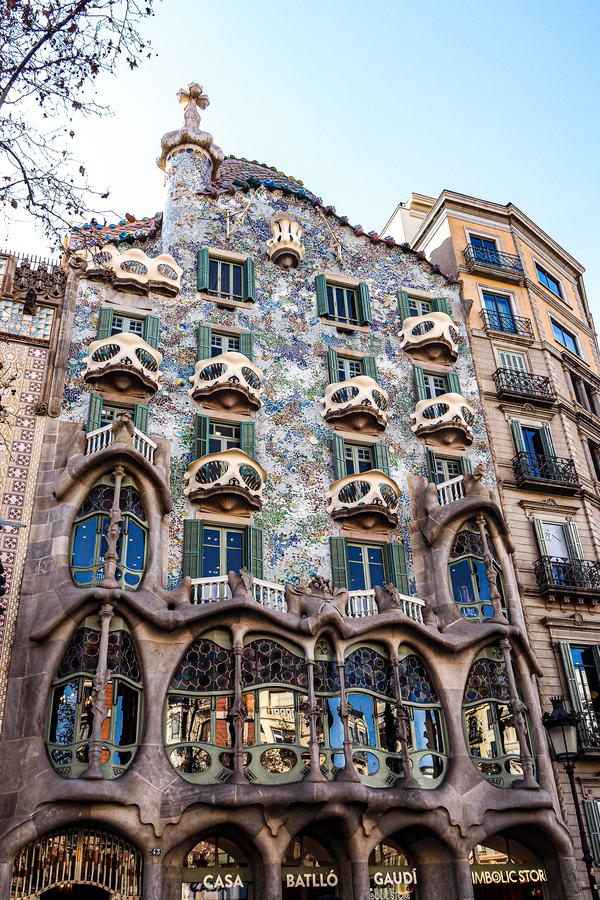
- Casa Batlló – modernist building by Gaudí
- Casa Milà (La Pedrera) – undulating stone facade
Cuisine: the details
Rome
- Pasta alla Carbonara – iconic Roman dish
- Supplì – fried rice balls
- Gelato – artisanal ice cream shops
Barcelona
- Paella – traditional rice dish
- Tapas bars – small plate dining culture
- La Boqueria market – fresh local produce
Art and Museums: the details
Rome
- Vatican Museums – Sistine Chapel
- Galleria Borghese – Renaissance and Baroque art
- Capitoline Museums – ancient Roman artifacts
Barcelona
- Picasso Museum – extensive collection of his works
- National Museum of Art of Catalonia – Romanesque to modern art
- Joan Miró Foundation – contemporary art
Beaches and Outdoor Activities: the details
Rome
- Villa Borghese – large public park
- Ostia Beach – nearest beach to Rome
- Appian Way – ancient road for cycling
Barcelona
- Barceloneta Beach – popular city beach
- Park Güell – hilltop park with Gaudí designs
- Montjuïc – hill with gardens and Olympic facilities
Who should pick which
Author’s take: The verdict: Rome scores 90/100, Barcelona 88/100 – both are outstanding, with Rome edging ahead thanks to unmatched ancient monuments and culinary depth. Barcelona is a close second, shining with its modernist architecture, beach-city energy, and affordability. Rome’s major strengths: – Timeless history: you can walk through the Colosseum, Roman Forum, Pantheon, Vatican Museums and Sistine Chapel in one itinerary – these are among the world’s most-visited sites Travel. – Rich Italian cuisine: from cacio e pepe and carbonara in Trastevere to artisan gelato and aperitivo culture – dining is consistently lauded among the best in Europe Travel. – Mid-range value: many charming hotels under €150/night in Monti, Trastevere or near Termini – especially in 2025 Jubilee year, great deals abound Times. – Walkable layout and layered urban fabric: medieval alleys to grand baroque squares, all within one central zone; highly walkable and full of surprises Travel. Barcelona’s major strengths: – Gaudí’s visionary modernism: Sagrada Família (still under construction until ~2026), Park Güell, Casa Milà – distinctive, photo-worthy landmarks Travel. – Beach-city lifestyle: over 300 days of sunshine, urban beaches like Barceloneta, broad promenades and seaside energy Travel. – Strong value and affordability: daily costs often €70-150; cheaper accommodation and tapas culture make it budget-friendlier than Rome overall Nerdy Me. – Efficient tourist infrastructure: solid metro, Renfe high-speed rail (Avlo), walkable grids, reliable public transport. Weaknesses to consider: – Rome can feel overcrowded in peak season; long lines at major sites, and food/lodging near tourist hubs can be pricey despite value options. – Barcelona has fewer truly ancient landmarks and may feel less ‘historic’; parts of the city (like central tourist areas) feel repetitive after a few days. Which traveler picks what? – Choose Rome if you’re driven by ancient architecture, art, culinary depth, and immersive history. Ideal for history fans, culture seekers, and food lovers willing to pay slightly more per meal or hotel. – Choose Barcelona if you want a lighter, more outdoorsy city-break: beaches, modern architecture, great tapas, manageable daily budgets, and excellent transportation. In summary: Rome wins for sheer historical gravitas, gastronomic richness, and layers of tradition. Barcelona nearly matches with its artistic originality, sunshine, affordability, and beach-town vibrancy. Bottom line: your preference between ancient immersion (Rome) or modern Mediterranean energy (Barcelona) should guide your choice.
Travel Tips
- Purchase skip-the-line tickets for major attractions in both cities to avoid long waits.
- Be cautious of pickpockets, especially in crowded tourist areas and on public transportation.
- Try to learn a few basic phrases in Italian for Rome and Catalan for Barcelona to connect with locals.
- Consider visiting during shoulder seasons (April-May or September-October) for fewer crowds and pleasant weather.
Travel tips
- Purchase skip-the-line tickets for major attractions in both cities to avoid long waits.
- Be cautious of pickpockets, especially in crowded tourist areas and on public transportation.
- Try to learn a few basic phrases in Italian for Rome and Catalan for Barcelona to connect with locals.
- Consider visiting during shoulder seasons (April-May or September-October) for fewer crowds and pleasant weather.
Frequently asked questions
Which city is more budget-friendly, Rome or Barcelona?
Generally, Barcelona tends to be slightly more budget-friendly than Rome, especially for accommodations and dining. However, costs can vary depending on the season and specific areas within each city.
What's the best way to get around in Rome and Barcelona?
Both cities have efficient public transportation systems. Rome's metro is less extensive but complemented by buses and trams. Barcelona has a comprehensive metro system and buses. Walking is also a great option in both city centers, though Rome's cobblestone streets can be challenging.
Are Rome and Barcelona suitable for family vacations?
Both cities are family-friendly. Rome offers engaging historical sites and interactive museums, while Barcelona has beaches, parks, and attractions like the Barcelona Zoo. Both have plenty of family-oriented restaurants and accommodations.
The two side by side
Rome
Italy
The Eternal City, a living museum of ancient history and Renaissance art
- Colosseum
- Vatican City
- Roman Forum
- Italian cuisine
- January: 20
- February: 25
- March: 40
- April: 75
- May: 90
- June: 95
- July: 100
- August: 98
- September: 85
- October: 70
- November: 30
- December: 45
Barcelona
Spain
A coastal metropolis known for its unique architecture, vibrant culture, and Mediterranean flair
- Sagrada Familia
- Park Güell
- Las Ramblas
- Catalan cuisine
- January: 40
- February: 45
- March: 60
- April: 75
- May: 85
- June: 95
- July: 100
- August: 98
- September: 90
- October: 80
- November: 55
- December: 65
Worth booking ahead in Rome and Barcelona
Hand-picked from the operators our guides already send readers to. Prices and availability are live on the partner site.
Guided tourGetYourGuide
Colosseum, Forum and Palatine Hill small-group tour (opens GetYourGuide in a new tab)
Small group with the Forum and Palatine Hill included; the standard Colosseum visit done properly.
Timed ticketGetYourGuide
Vatican Museums and Sistine Chapel skip-the-line ticket (opens GetYourGuide in a new tab)
Timed museum entry with the Sistine Chapel; the line you skip is the one that eats a morning.
We earn a commission if you book through these links, at no extra cost to you. It is how we keep the guides free and independent.

