

Rome, the Eternal City, is a captivating blend of history, art, and culture. From the ancient ruins of the Colosseum and the Roman Forum to the stunning art of the Vatican Museums, every corner of Rome tells a story. With its charming piazzas, delectable cuisine, and vibrant street life, Rome offers an unforgettable experience for every traveler.
The destination guide
Rome

The Vatican line starts at 7am — get there at 6:45. Skip it entirely and you’re looking at 3 wasted hours.
Travel guides for Rome
Itineraries & day trips (1)
Things to do (1)
Where to stay (1)
More guides featuring Rome (47)
At a glance
Currency€ EURCode: EUR
Time zoneCentral European Time
Languages
- Italian
Setting
- Urban metropolis
- Ancient ruins
- Seven hills
- Parks and gardens
Population2.9M2,873,000 residents
VisaDuration: Up to 90 days within any 180-day rolling window across the Schengen Area for tourism and business visits. · Documents: Passport issued within the past 10 years and valid for at least 3 months beyond your planned departure date from the Schengen Area, plus proof of onward travel and accommodation.
How Rome scores
10/10OverallExcellent
Weather8/10
Value for money6/10
Safety7/10
Food & cuisine9/10
Culture & arts4/10
Cultural experience10/10
Nature & outdoors6/10
Adventure4/10
Nightlife9/10
Shopping9/10
Family friendly5/10
Romance9/10
Editorial scores on a 10-point scale, weighed against destinations of the same kind.
Travel safety snapshot
Overall78/100Moderate rating
Women travellers70/100
LGBTQ+ travellers85/100
Theft60/100
Medical care85/100
Physical harm75/100
Political freedom80/100
SafePlace indicators use their source 100-point scale; higher is more favourable. Planning context, not a live travel advisory — check official government guidance before you go.
When to go
Best months to visit: March, April, May, June, September, October and November.
- January: 7.8 to 12.8 degrees Celsius, 18.6 millimetres of rain, best-time score 3 out of 5.
- February: 6.6 to 13.1 degrees Celsius, 14 millimetres of rain, best-time score 3 out of 5.
- March: 8.8 to 15.2 degrees Celsius, 12.4 millimetres of rain, best-time score 4 out of 5.
- April: 11.1 to 17.6 degrees Celsius, 11 millimetres of rain, best-time score 5 out of 5.
- May: 14.2 to 19.5 degrees Celsius, 34.8 millimetres of rain, best-time score 5 out of 5.
- June: 19.2 to 25.7 degrees Celsius, 16.8 millimetres of rain, best-time score 4 out of 5.
- July: 22.5 to 28.9 degrees Celsius, 9.8 millimetres of rain, best-time score 2 out of 5.
- August: 23.1 to 29.2 degrees Celsius, 1.4 millimetres of rain, best-time score 2 out of 5.
- September: 20.4 to 26.3 degrees Celsius, 32.5 millimetres of rain, best-time score 5 out of 5.
- October: 16.2 to 21.9 degrees Celsius, 47.3 millimetres of rain, best-time score 5 out of 5.
- November: 12.9 to 17.8 degrees Celsius, 44.4 millimetres of rain, best-time score 4 out of 5.
- December: 9.4 to 14 degrees Celsius, 42.2 millimetres of rain, best-time score 3 out of 5.
Month-by-month conditions and packing advice
- January
- Cool weather, mostly dry January in Rome: cooler winter weather can work but shortens outdoor comfort. Crowds: January marks Rome’s off-peak tourist season, offering a quieter, more authentic experience. Fewer tourists mean shorter lines at iconic sites like the Vatican Museums and St. Peter's Basilica, while hotel rates are more budget-friendly. The cool weather is perfect for extensive walking tours without overheating. However, some outdoor cafes may have limited seating, and daylight hours are shorter, so plan key activities accordingly. It's an excellent time for cultural immersion, museum visits, and enjoying hearty Italian winter cuisine. Pack: Warm, layered clothing for fluctuating temperatures; Comfortable, waterproof walking shoes for cobblestone streets; A medium-weight jacket or coat for chilly mornings and evenings; Compact umbrella for occasional light rain; Scarf and gloves for added warmth during breezy days; Modest attire for visiting churches and religious sites
- February
- Cool weather, mostly dry February in Rome: cooler winter weather can work but shortens outdoor comfort. Crowds: February is part of Rome’s low tourist season, offering fewer crowds and more relaxed sightseeing experiences. Attractions like the Vatican Museums and Roman Forum are more accessible without long lines. Temperatures are cool, so outdoor activities are pleasant with proper attire. Accommodation prices tend to be lower compared to peak seasons, providing good value. However, some outdoor cafes may have limited seating due to the cooler weather, and shorter daylight hours might affect late-day plans. Booking guided tours can help maximize sightseeing efficiency. Pack: Warm layers, including sweaters and long-sleeve shirts; Comfortable waterproof walking shoes; Lightweight rain jacket or compact umbrella; Scarf and gloves for chilly mornings and evenings; Modest clothing for visiting churches and religious sites; Daypack for carrying layers and essentials
- March
- Cool weather, mostly dry March in Rome: conditions remain useful with early spring, early summer, or late-fall planning. Crowds: March marks the beginning of the shoulder season in Rome, offering a sweet spot between the winter lull and the spring tourist surge. The weather is favorable for outdoor activities like walking tours, visiting archaeological sites, and enjoying al fresco dining without the summer crowds. Attractions are less congested, and accommodation prices are generally more reasonable. However, cooler mornings and evenings call for layering. This period is ideal for travelers seeking a balance of pleasant weather, cultural experiences, and manageable crowd levels. Booking popular tours in advance is still recommended, especially as Easter approaches. Pack: Light jacket or trench coat for cool mornings and evenings; Comfortable walking shoes for cobblestone streets; Layered clothing to adjust to temperature changes; Scarf for added warmth and style; Umbrella or light raincoat for occasional showers; Modest attire for visits to churches and religious sites
- April
- Cool weather, mostly dry April in Rome: ancient sites, churches, piazzas, food walks, museums, and day trips balance comfortable weather and crowds. Crowds: April marks the start of Rome's peak tourist season, with mild weather inviting travelers to explore outdoor attractions like the Colosseum, Roman Forum, and Villa Borghese gardens. Though crowds begin to swell, especially around Easter, the experience remains pleasant with manageable lines at major sites. Accommodation prices start to rise, reflecting increased demand. The pleasant climate supports walking tours and day trips without the intense heat of summer, while occasional light showers are brief and rarely disruptive. Pack: Light jacket or sweater for cool mornings and evenings; Comfortable walking shoes for cobblestone streets; Compact umbrella for occasional showers; Sunglasses for bright spring skies; Light scarf for added warmth or style; Modest attire for visiting churches and religious sites
- May
- Warm and pleasant, some rain May in Rome: ancient sites, churches, piazzas, food walks, museums, and day trips balance comfortable weather and crowds. Crowds: May marks one of the peak travel periods in Rome due to its comfortable weather and the allure of spring festivities. Ideal conditions for sightseeing, outdoor dining, and cultural events like open-air concerts and festivals attract substantial tourist crowds. Expect higher accommodation rates and busy attractions, particularly around popular landmarks. However, the pleasant temperatures make it an excellent time for walking tours, exploring ancient ruins, and enjoying Rome’s picturesque outdoor cafes. Booking accommodations and tickets in advance is recommended to secure the best options. Pack: Light layers for warm days and cooler evenings; Comfortable walking shoes for cobblestone streets; Compact umbrella or lightweight rain jacket; Sunglasses and a wide-brimmed hat for sunny afternoons; Scarf or light sweater for breezy mornings and evenings; Modest attire for visiting religious sites like the Vatican
- June
- Warm and pleasant, mostly dry June in Rome: conditions remain useful with early spring, early summer, or late-fall planning. Crowds: June marks the beginning of Rome’s peak tourist season, offering ideal weather for outdoor activities like exploring the Vatican, wandering Trastevere’s cobblestone streets, or enjoying rooftop views. Expect bustling crowds at major attractions and elevated accommodation prices. The pleasant warmth is perfect for open-air events and evening promenades, though midday heat may be intense in unshaded areas. Booking tickets and accommodations in advance is recommended to secure the best options. Pack: Lightweight, breathable clothing for warm days; Comfortable walking shoes for cobblestone streets; Wide-brimmed hat and sunglasses for sun protection; Reusable water bottle to stay hydrated; Light scarf or shawl for church visits; Sunscreen (SPF 30+) for outdoor activities
- July
- Hot and sunny, mostly dry July in Rome: peak summer heat and crowds make walking-heavy sightseeing less comfortable. Crowds: July marks the height of the tourist season in Rome, attracting large crowds despite the intense summer heat. Popular sites like the Vatican Museums and Trevi Fountain are bustling, and lines can be long, especially in the afternoons when temperatures peak. While the weather is perfect for evening strolls and al fresco dining, midday sightseeing can be taxing due to high temperatures. Prices for accommodations and tours are at their peak, and early bookings are advised. Consider visiting early mornings or late evenings to avoid both the heat and the crowds. Pack: Light, breathable clothing like cotton or linen; Wide-brimmed hat and high-SPF sunscreen; Comfortable sandals or walking shoes; Reusable water bottle to stay hydrated; Sunglasses for UV protection; Light scarf or shawl for modesty in churches
- August
- Hot and sunny, mostly dry August in Rome: peak summer heat and crowds make walking-heavy sightseeing less comfortable. Crowds: August is part of Rome's high tourist season, but it coincides with the Italian holiday period, Ferragosto, when many locals leave the city. This means popular attractions remain crowded with tourists, but some local shops and restaurants may be closed. The intense heat can make midday sightseeing challenging, so early morning or evening activities are preferable. Hotel prices remain high, though you might find deals due to reduced local business activity. Plan for shaded spots and plenty of hydration during tours. Pack: Light, breathable clothing like linen or cotton; Wide-brimmed hat for sun protection; High SPF sunscreen and sunglasses; Reusable water bottle to stay hydrated; Comfortable walking sandals with good grip; Light scarf for modesty in religious sites
- September
- Warm and pleasant, some rain September in Rome: ancient sites, churches, piazzas, food walks, museums, and day trips balance comfortable weather and crowds. Crowds: September marks the transition from peak summer crowds to a more relaxed tourist season in Rome. The weather is still warm enough for al fresco dining and outdoor activities like walking tours, but without the intense summer heat. Expect moderate crowds, especially around major sites, as many European travelers take advantage of the lingering summer warmth. Accommodation prices remain high but start to taper compared to peak August rates. Booking in advance is recommended, especially for popular attractions and events like harvest festivals in nearby regions. Pack: Lightweight clothing for warm days; Comfortable walking shoes for exploring cobblestone streets; A light jacket or sweater for cooler evenings; Compact umbrella or rain jacket for occasional showers; Sunglasses and a wide-brimmed hat for sun protection; Modest attire for visiting churches and religious sites
- October
- Warm and pleasant, some rain October in Rome: ancient sites, churches, piazzas, food walks, museums, and day trips balance comfortable weather and crowds. Crowds: October marks the tail end of Rome’s peak tourist season, offering a sweet spot with fewer crowds compared to summer but still bustling with cultural vibrancy. The mild weather is perfect for exploring outdoor attractions, from ancient ruins to charming neighborhoods like Trastevere. While some rain showers may occur, they are typically brief. Hotel prices begin to drop slightly from summer highs, making it an attractive time for budget-conscious travelers. Comfortable walking conditions make this an ideal month for city tours, food festivals, and open-air events. Booking accommodations in advance is still recommended for the best options. Pack: Light jacket for cooler evenings; Comfortable walking shoes for cobblestone streets; Compact umbrella or rain jacket for occasional showers; Layered clothing for fluctuating temperatures; Scarf for added warmth and style; Daypack for carrying essentials during city explorations
- November
- Warm and pleasant, some rain November in Rome: conditions remain useful with early spring, early summer, or late-fall planning. Crowds: November marks the shoulder season in Rome, offering a quieter, more relaxed atmosphere compared to peak tourist months. Mild temperatures and fewer crowds make it perfect for exploring iconic landmarks like the Colosseum, Vatican Museums, and Trastevere without long lines. Accommodation prices are more budget-friendly, and popular sites are less congested. However, shorter daylight hours and occasional rain showers may limit some outdoor activities, so planning indoor visits to museums and galleries can be beneficial. Pack: Light waterproof jacket for occasional rain; Comfortable walking shoes for cobblestone streets; Layered clothing for temperature fluctuations; Compact umbrella for sudden showers; Scarf or shawl for added warmth; Camera with weather protection for photography
- December
- Cool weather, some rain December in Rome: cooler winter weather can work but shortens outdoor comfort. Crowds: December marks the off-peak tourist season in Rome, making it an ideal time for travelers seeking fewer crowds and more authentic local experiences. The cool weather is perfect for exploring indoor attractions like the Vatican Museums, Sistine Chapel, and countless art galleries without the sweltering heat or long queues. Holiday decorations and festive markets add a magical touch to the city's atmosphere. However, shorter daylight hours may limit outdoor sightseeing time, and occasional rain showers could affect plans, so flexible itineraries are recommended. Pack: Warm, layered clothing for fluctuating temperatures; Water-resistant jacket or umbrella for occasional rain; Comfortable walking shoes with good grip for wet cobblestones; Scarf and gloves for chilly mornings and evenings; Modest attire for visiting religious sites; Compact daypack for carrying essentials during city tours
Peak season
- June
- July
- August
Off-peak
- November
- December
- January
- February
Know before you go
About
Rome, the capital of Italy and of the Lazio region, is the Eternal City—a sprawling open-air museum where nearly three millennia of history layer the streets along the Tiber. Traditionally founded in 753 BC, it grew into the heart of a vast empire and today is home to about 2.75 million residents. Ancient wonders crowd its center: the towering Colosseum, the ruins of the Roman Forum and Palatine Hill, and the magnificently preserved domed Pantheon. Baroque Rome dazzles with the Trevi Fountain and Spanish Steps, while within the city lies the independent Vatican City, where St. Peter’s Basilica, the Vatican Museums, and Michelangelo’s Sistine Chapel draw the faithful and art lovers alike. Visitors toss coins in fountains, wander cobbled lanes between piazzas, and linger over Roman classics like cacio e pepe and supplì. Drawing millions of travelers each year, Rome packs history, art, faith, and food into one unforgettable capital.
Best time to visit
April through June and September through October for pleasant temperatures. Avoid August when Romans evacuate and temperatures exceed 35°C.
Season by season
Spring (April-June):
Weather: 15-25°C, lovely
Highlights: Easter (Pope’s Mass)
Best For: Sightseeing
Summer (July-Aug):
Weather: 30-35°C, HOT
Highlights: Lungotevere festivals
Best For: Gelato, Evening walks
Fall (Sept-Oct):
Weather: 15-25°C, warm
Highlights: Harvest festivals
Best For: Food & Wine
Winter (Nov-March):
Weather: 5-15°C, rainy
Highlights: Christmas markets
Best For: Museums, Art
Crowds
Rome is busiest in spring (April–June) and early autumn (September) plus major holidays (Easter, Christmas), with heavy crowds at the Colosseum, Vatican and historic center; quietest in late November–February (excluding Christmas/New Year), but remains a high-traffic city overall.
Getting there and around
Getting there
Rome has two airports: Leonardo da Vinci–Fiumicino (FCO), the main international hub 30 km southwest, and Ciampino (CIA), used by budget carriers. From Fiumicino, the Leonardo Express train reaches Roma Termini in 32 minutes (€14). A fixed-fare taxi to the city center costs €50 (confirm before departure). From Ciampino, shuttle buses run to Termini every 30 minutes (€6–7). High-speed trains connect Rome to Florence (1.5 hrs), Naples (1 hr 10 min), and Milan (3 hrs) via Trenitalia Frecciarossa or Italo. Eurostar and connecting rail services reach Rome from across Europe.
Getting around
Rome’s historic center is compact and best explored on foot — most major sights between the Colosseum and the Vatican are within a 40-minute walk of each other. The Metro has three lines (A, B, B1); Line B stops at the Colosseum. A single BIT ticket (€1.50) covers 100 minutes on buses and trams or one Metro entry. Contactless payment (tap and go) on Metro, buses, and trams automatically calculates the best fare. Purchase paper tickets at tabacchi shops or Metro stations — validate before boarding. Buses cover areas the Metro misses but can be slow in traffic. Official white taxis are metered; use designated stands or apps like Free Now (never hail on the street). Do not rent a car in central Rome — traffic is chaotic and the ZTL restricted zone will trigger automatic fines.
Top experiences in Rome
Colosseum
Read the place guide →The largest amphitheater ever built. It held 50,000 spectators for gladiatorial, animal, and naval battles. Seeing the hypogeum (underground tunnels) gives you a sense of the mechanics of death. It is the enduring symbol of Imperial Rome.
Vatican Museums
Read the place guide →One of the greatest art collections in the world. It includes the Gallery of Maps, the Raphael Rooms, and the Sistine Chapel. Michelangelo’s ceiling is the highlight—it is overwhelming in scale and detail. Buy tickets in advance to skip the legendary lines.
Pantheon
Read the place guide →The best-preserved building from ancient Rome. It is a temple to all gods. The dome remains the largest unreinforced concrete dome in the world. The oculus (open eye) in the center lets in a shaft of light (and rain). Raphael is buried here.
Trevi Fountain
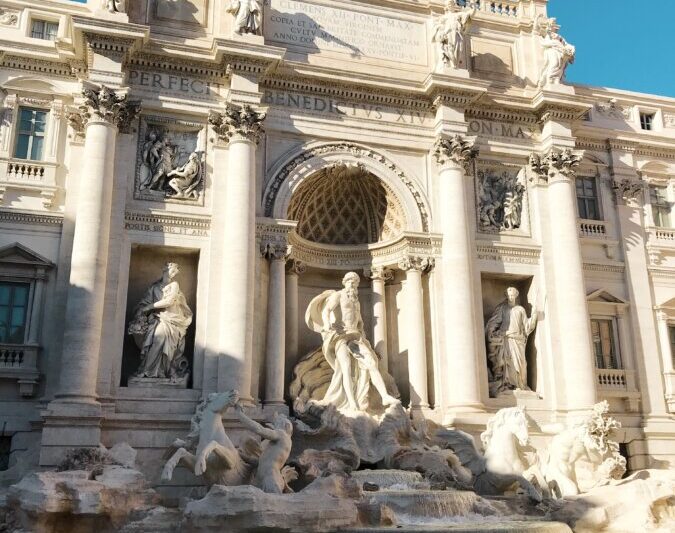
Read the place guide →The largest Baroque fountain in the city. Tradition says if you throw a coin over your left shoulder with your right hand, you will return to Rome. It is crowded day and night, but seeing the turquoise water against the white travertine stone is magical.
Spanish Steps
A monumental stairway of 135 steps connecting Piazza di Spagna to the Trinità dei Monti church. In spring, they are covered in azaleas. It has been a gathering place for artists and poets for centuries. Keats died in the house next to the steps.
Editor-curated picks carried over from our original guide. Where a full place guide exists, the card links to it.





Worth booking ahead in Rome
Hand-picked from the operators our guides already send readers to. Prices and availability are live on the partner site.
Guided tourGetYourGuide
Colosseum, Forum and Palatine Hill small-group tour (opens GetYourGuide in a new tab)
Small group with the Forum and Palatine Hill included; the standard Colosseum visit done properly.
Timed ticketGetYourGuide
Vatican Museums and Sistine Chapel skip-the-line ticket (opens GetYourGuide in a new tab)
Timed museum entry with the Sistine Chapel; the line you skip is the one that eats a morning.
Guided tourViator
Colosseum arena floor tour with Roman Forum (opens Viator in a new tab)
Enters through the gladiators' gate onto the arena floor, which standard tickets do not include.
Where to stayBooking.com
Stays in Rome (opens Booking.com in a new tab)
Live rates and availability for Rome on Booking.com; filter by neighbourhood once you know where your days start.
We earn a commission if you book through these links, at no extra cost to you. It is how we keep the guides free and independent.
Where to stay
Hotel de Russie
Via del Babuino, 9, 00187 Roma RM, Italy
Located between the Spanish Steps and Piazza del Popolo. It is famous for its ‘Secret Garden,’ a terraced Mediterranean oasis in the city center. It attracts celebrities and fashionistas. The Stravinskij Bar is one of the best places for an aperitivo in Rome.
Hassler Roma
Piazza della Trinità dei Monti, 6, 00187 Roma RM, Italy
Perched at the top of the Spanish Steps, this is one of the world’s most famous hotels. It offers sweeping views over the domes of Rome. It is old-world, formal, and grand. Visiting the rooftop restaurant Imàgo is a culinary pilgrimage.
Hotel Eden
Via Ludovisi, 49, 00187 Roma RM, Italy
A Dorchester Collection hotel near the Spanish Steps. It feels like a private Roman home. The rooftop bar, Il Giardino, has arguably the best view of Rome, stretching from the Vittoriano to St. Peter’s. It was a favorite of Fellini. It is refined and airy.
Editor-curated stays carried over from our original guide. Where we have reviewed the hotel, the card links to the review.
Tips from the field
Highlights
- Colosseum – Ancient glory
- Vatican – Pope & Art
- Food – Carbonara/Cacio e Pepe
- Gelato – Daily ritual
- Pantheon – Engineering marvel
- Fountains – Trevi & Four Rivers
- Trastevere – Nightlife district
- Espresso – Stand at the bar
Best activities
- Throw a coin in the Trevi Fountain. Eat Cacio e Pepe in Trastevere. Visit the Colosseum at night. Climb the dome of St. Peter's for the view. Drink a cappuccino (morning only!) at Sant' Eustachio. Wander through the Roman Forum ruins. Get gelato at Giolitti.
Local experiences
- Throw a coin into the Trevi Fountain from over your right shoulder with your left hand — tradition guarantees a return to Rome. Eat supplì (fried rice balls with melted mozzarella) from a street-side friggitoria in Trastevere. Watch a sunset from Pincio terrace above Piazza del Popolo, where the Rome skyline glows amber and pink. Explore the backstreets of Monti, Rome's oldest rione, for vintage shops, craft cocktail bars, and artisan workshops. Tour the Colosseum's underground hypogeum and arena floor for a perspective most visitors never see. Drink from the 'nasoni' (little nose) drinking fountains scattered across the city — Roman aqueduct water, perfectly safe and ice-cold.
Practical tips
- Pantheon Entry: General admission to the Pantheon is €5 (implemented by the Ministry of Culture); book timed tickets online in advance at museiitaliani.it to avoid multi-hour queues.
- Rome City Tourist Tax: Hotels and guesthouses are legally required to collect the municipal Contributo di Soggiorno in cash or card upon check-out (ranging from €4 to €10 per person per night depending on accommodation category).
- Vatican Museums & Colosseum: Book official Colosseum/Forum and Vatican Museum tickets weeks in advance via their official ticketing portals to avoid inflated third-party resale markups.
- Airport Express Rail: The non-stop Leonardo Express train connects Fiumicino Airport (FCO) directly to Roma Termini in 32 minutes for €14.
Photography tips
- Golden Hour: Sunset from the Pincio Terrace or the Orange Garden.
- Iconic Shots:
- The Colosseum from Via dei Fori Imperiali.
- St. Peter's Basilica from the keyhole on Aventine Hill.
- The Trevi Fountain (go at 6 am to get it empty).
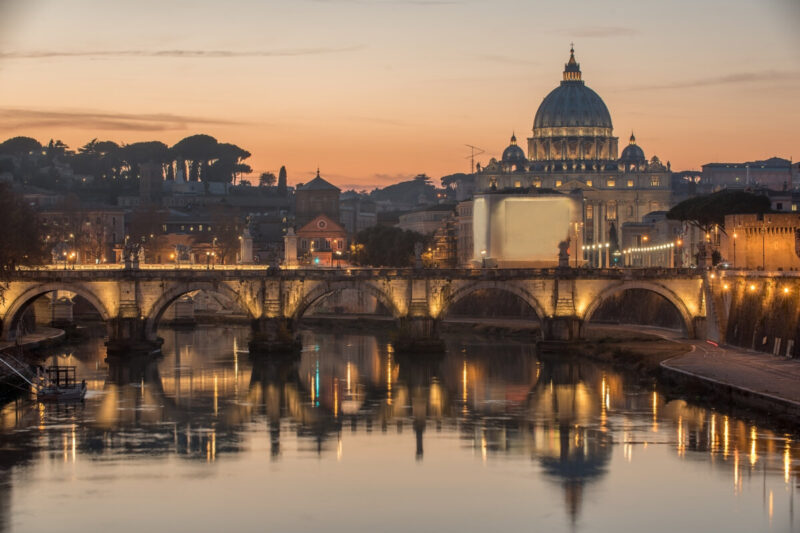
- Castel Sant'Angelo from the bridge.
- The Pantheon oculus light beam.
- Technique: Wide-angle lens is needed for the interiors. Tripods are banned in many monuments.
Timing
- Peak Season (May-Sept, Easter):
- Crowded, expensive
- Shoulder Season (Oct, April):
- Best balance
- Low Season (Nov-Feb):
- Rain, fewer crowds
Keeping it authentic
- Rome is chaotic, loud, and beautiful. 'La Dolce Vita' is about taking time. Meals are long. Coffee is drunk standing up at the bar. Romans are expressive. Watch out for 'ZTL' (traffic zones) if driving. Public transport is… variable.
Culture, customs and safety
Cultural heritage
Rome embodies 2,800 years of Western civilization through ancient monuments, Renaissance masterpieces, and baroque fountains creating the Eternal City layered history. The Colosseum and Roman Forum anchor ancient heritage while Vatican City showcases papal power through St. Peter Basilica and Sistine Chapel. Baroque fountains like Trevi and piazzas demonstrate urban theater. Trastevere maintains authentic Roman life through trattorias and narrow cobblestone streets. The city functions as living museum where contemporary life unfolds amid archaeological treasures and artistic masterpieces.
Local customs & etiquette
Cover shoulders and knees when entering churches and the Vatican — carry a scarf or light wrap. Order cappuccino only before 11 AM; after meals, drink espresso standing at the bar. Lunch is typically at 1:30 PM, dinner from 8 PM onward. Greet shopkeepers with ‘buongiorno’ (morning) or ‘buonasera’ (evening) before browsing. Tipping is not obligatory since service is usually included (‘coperto’), but leaving €2–3 for good service is appreciated. Never cut spaghetti with a knife. Avoid restaurants near major landmarks that employ aggressive touts — follow side streets where locals eat. Join the evening passeggiata (stroll) between 6–8 PM, when Romans dress up and promenade through their neighborhoods.
Safety notes
As of 2026, Rome is a safe European capital with low rates of violent crime, but petty property crime and distraction theft are prevalent in high-traffic tourist centers.
Key Traveler Security & Municipal Regulations:
• Pickpocket Hotspots: Professional pickpocket teams operate heavily at Termini Station, Colosseo and Spagna Metro stations, and on crowded bus routes (Line 64 to the Vatican and Line 40). Keep bags zipped in front of your body and never place phones or wallets in loose pockets.
• ZTL Driving Violations: The historic center is protected by Zona a Traffico Limitato (ZTL) cameras. Driving an unauthorized rental car into a ZTL zone triggers automated municipal fines (€100–€330 per entry).
• Church & Vatican Dress Code: Knees and shoulders must be covered to enter St. Peter’s Basilica, the Vatican Museums, the Pantheon, and all Roman basilicas; access is strictly refused to visitors wearing shorts above the knee or sleeveless shirts.
• Emergency: Dial 112 for unified European Emergency Services (Polizia, Carabinieri, Ambulance, Vigili del Fuoco).

Travel Style
Season
Activities

