Rome vs Milan: Which Italian City Should You Visit?

The verdict
Rome and Milan finish level overall — pick by what you value most below.
Both Rome and Milan offer exceptional experiences but cater to different interests. Rome is ideal for history enthusiasts and art lovers, while Milan appeals to fashion aficionados and those seeking a more modern Italian experience. The choice depends on personal preferences and travel goals.
Rome is generally cheaper than business-driven Milan for hotels and dining. It also enjoys milder, sunnier winters and a longer dry summer than the foggier north.
Best for well-rounded travelers — Rome edges ahead overall.
Overall scores are editorial ratings out of 10; category winners come from the per-category scores below. The overall scores tie and no conclusion breaks it.
Overall scores
Category by category
| Category | Rome | Milan | Edge |
|---|---|---|---|
| Historical AttractionsComparison of ancient sites, museums, and architectural marvels | 10 | 8 | Rome |
| Fashion and ShoppingAnalysis of fashion scenes, shopping districts, and designer boutiques | 8 | 10 | Milan |
| CuisineComparison of local specialties, dining experiences, and food culture | 9 | 9 | Even |
| Art and CultureEvaluation of museums, galleries, and cultural experiences | 10 | 9 | Rome |
| NightlifeComparison of evening entertainment, bars, and nightlife scenes | 8 | 9 | Milan |
Historical Attractions: the details
Rome
- Colosseum – iconic symbol of Ancient Rome
- Roman Forum – heart of ancient Roman life
- Pantheon – best-preserved Roman building
Milan
- Sforza Castle – 15th-century fortress
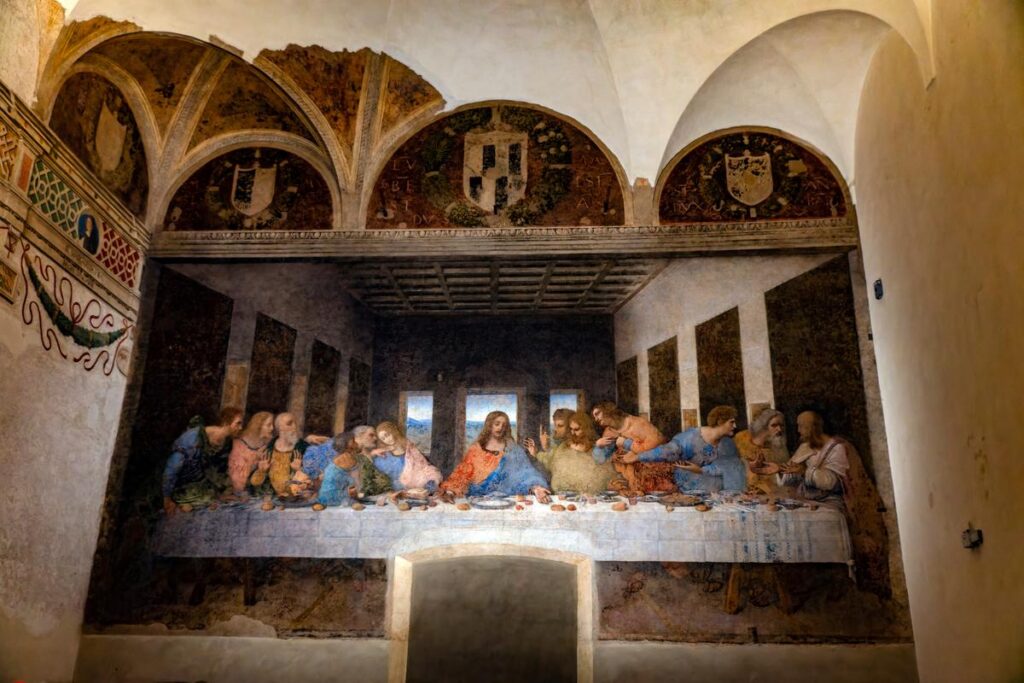
- Santa Maria delle Grazie – home to The Last Supper
- Pinacoteca di Brera – renowned art gallery
Fashion and Shopping: the details
Rome
- Via dei Condotti – luxury shopping street
- Vintage stores in Monti district
- Campo de' Fiori market for local goods
Milan
- Quadrilatero della Moda – high-end fashion district
- Galleria Vittorio Emanuele II – oldest active shopping mall
- Via Torino for trendy, affordable fashion
Cuisine: the details
Rome
- Authentic Roman pasta dishes (Carbonara, Cacio e Pepe)
- Pizza al taglio – Roman-style pizza by the slice
- Traditional trattorias in Trastevere
Milan
- Risotto alla Milanese – saffron-infused risotto
- Cotoletta alla Milanese – breaded veal cutlet
- Aperitivo culture – pre-dinner drinks and snacks
Art and Culture: the details
Rome
- Vatican Museums – including the Sistine Chapel
- Galleria Borghese – Renaissance and Baroque masterpieces
- MAXXI – National Museum of 21st Century Arts
Milan
- Pinacoteca di Brera – home to Italian masterpieces
- Museo del Novecento – 20th-century Italian art
- Triennale Design Museum – celebrating Italian design
Nightlife: the details
Rome
- Lively bars in Trastevere
- Rooftop bars with panoramic views
- Live music venues in Testaccio
Milan
- Navigli district – canal-side bars and clubs
- Corso Como – upscale nightclubs
- Brera district – trendy cocktail bars
Who should pick which
Author’s take: Rome (90/100) remains Italy’s pinnacle of ancient history, atmospheric piazze, and storied culinary tradition. With its Colosseum and Vatican Museums drawing 12 M and 6.7 M visitors respectively in 2023, plus 900 churches and 10 UNESCO sites, Rome offers unmatched landmarks and culture-especially in 2025, when the Catholic Jubilee and recent restorations (like the Trevi Fountain crowd-control) elevate the experience. The food scene ranges from carbonara in Trastevere to artisanal pizza at Seu Pizza Illuminati. Rome’s infrastructure investments tied to the Jubilee and digital-nomad visa availability are boosting accessibility and appeal Times. Milan (85/100) excels as Italy’s fashion and design hub-home to the Duomo, La Scala, Brera Gallery, and top-tier internationally varied dining beyond traditional Milanese dishes like risotto alla milanese and cotoletta. Its metro system is Italy’s largest (125 stations, 112 km) and ranked the world’s most walkable city-98 % of residents live within a 15-minute neighborhood. Average daily visitor cost is slightly lower: €195 vs €207 in Rome. Rome Strengths: – Ancient history everywhere: from the Colosseum and Pantheon to newly unveiled Archaeological Park of the Celio and restored squares. – Iconic cuisine and traditional Roman trattorias plus modern reinterpretations. – Jubilee-driven enhancements in transport and public spaces, plus digital-nomad infrastructure. Milan Strengths: – World-class fashion, design, and architecture (high fashion district, Duomo, Galleria Vittorio Emanuele II). – Very efficient public transit and walkability; superb museum and arts offerings like Brera and Sforza Castle Times. – Slightly better value on meals and attractions. Considerations: – Rome can be crowded (especially during Jubilee), hot in summer with temperatures over 35 °C; Milan more humid and foggy but milder. – Milan sometimes feels modern, fast-paced, and less atmospheric compared to Rome’s historical depth; many travelers find Milan disappointing if expecting Rome-style charm Insider. Traveler fit: – Pick Rome if you seek deep history, iconic monuments, rich religious and classical art, and Roman gastronomy. Especially ideal in April-October. – Choose Milan if your priorities are fashion, modern urban design, efficient transport, design museums, and varied international dining. Summary: Rome wins on historical gravitas, cultural density, and gastronomic authenticity. Milan follows closely for modern sophistication, walkability, and slightly better cost-efficiency. Your ideal pick depends on whether ancient ambience or modern metropolitan flair matters more.
Travel Tips
- Purchase Roma Pass or Milano Card for discounts on attractions and public transportation.
- Book tickets for popular sites like the Colosseum or The Last Supper well in advance.
- Be aware of pickpockets in tourist areas and on public transport in both cities.
- Consider visiting during shoulder seasons (April-May or September-October) for better weather and fewer crowds.
Travel tips
- Purchase Roma Pass or Milano Card for discounts on attractions and public transportation.
- Book tickets for popular sites like the Colosseum or The Last Supper well in advance.
- Be aware of pickpockets in tourist areas and on public transport in both cities.
- Consider visiting during shoulder seasons (April-May or September-October) for better weather and fewer crowds.
Frequently asked questions
Which city is more expensive, Rome or Milan?
Milan tends to be slightly more expensive than Rome, particularly for accommodation and dining. However, costs can vary depending on the specific area and your travel style.
Is it easy to travel between Rome and Milan?
Yes, travel between Rome and Milan is convenient. High-speed trains (Frecciarossa) connect the two cities in about 3 hours, making it possible to visit both during one trip to Italy.
What are the must-try dishes in Rome and Milan?
In Rome, try Pasta alla Carbonara, Cacio e Pepe, and Supplì (fried rice balls). In Milan, don't miss Risotto alla Milanese, Ossobuco, and Panettone (during Christmas season).
The two side by side
Rome
Italy
The Eternal City, a living museum of ancient history and Renaissance art
- Colosseum
- Vatican City
- Roman Forum
- Trevi Fountain
- January: 20
- February: 25
- March: 40
- April: 75
- May: 90
- June: 95
- July: 100
- August: 98
- September: 85
- October: 70
- November: 30
- December: 45
Milan
Italy
Italy's fashion and financial capital, blending modernity with rich cultural heritage
- Milan Cathedral
- Fashion Week
- Leonardo da Vinci's Last Supper
- Teatro alla Scala
- January: 20
- February: 25
- March: 35
- April: 60
- May: 75
- June: 85
- July: 95
- August: 80
- September: 90
- October: 100
- November: 45
- December: 50
Worth booking ahead in Rome and Milan
Hand-picked from the operators our guides already send readers to. Prices and availability are live on the partner site.
Guided tourGetYourGuide
Colosseum, Forum and Palatine Hill small-group tour (opens GetYourGuide in a new tab)
Small group with the Forum and Palatine Hill included; the standard Colosseum visit done properly.
Timed ticketGetYourGuide
Vatican Museums and Sistine Chapel skip-the-line ticket (opens GetYourGuide in a new tab)
Timed museum entry with the Sistine Chapel; the line you skip is the one that eats a morning.
We earn a commission if you book through these links, at no extra cost to you. It is how we keep the guides free and independent.