

Milan, the fashion capital of the world, is a vibrant city known for its rich history, stunning architecture, and cultural heritage. From the iconic Duomo di Milano to the historic La Scala opera house, Milan offers a blend of modernity and tradition. The city is also famous for its shopping districts, art galleries, and delectable Italian cuisine.
The destination guide
Milan
The Duomo took my breath away, but Milan’s real personality lives in the Navigli canals at aperitivo hour — cheap Campari, locals only.
Travel guides for Milan
Itineraries & day trips (1)
Things to do (1)
Travel tips & costs (1)
Destination stories (1)
More guides featuring Milan (23)
At a glance
Currency€ EURCode: EUR
Time zoneCentral European Time
Languages
- Italian
Setting
- Urban cityscape
- Gothic cathedral
- Fashion district
- Navigli canals
Population1.4M1,366,155 residents
VisaDuration: Up to 90 days within any 180-day period in the Schengen Area · Documents: Valid passport issued within the last 10 years and valid for at least 3 months after planned departure, plus proof of accommodation, onward or return travel, and sufficient funds if requested
How Milan scores
9/10OverallExcellent
Weather7/10
Value for money6/10
Safety7/10
Food & cuisine9/10
Culture & arts6/10
Cultural experience8/10
Nature & outdoors5/10
Adventure4/10
Nightlife8/10
Shopping9/10
Family friendly5/10
Romance7/10
Editorial scores on a 10-point scale, weighed against destinations of the same kind.
Travel safety snapshot
Overall78/100Moderate rating
Women travellers75/100
LGBTQ+ travellers70/100
Theft60/100
Medical care85/100
Physical harm80/100
Political freedom75/100
SafePlace indicators use their source 100-point scale; higher is more favourable. Planning context, not a live travel advisory — check official government guidance before you go.
When to go
Best months to visit: April, May, June, July, August, September and October.
- January: 1.4 to 7.4 degrees Celsius, 8.1 millimetres of rain, best-time score 2 out of 5.
- February: 1.6 to 9.6 degrees Celsius, 36.2 millimetres of rain, best-time score 2 out of 5.
- March: 5.4 to 15.1 degrees Celsius, 26 millimetres of rain, best-time score 3 out of 5.
- April: 8.6 to 18.8 degrees Celsius, 11.4 millimetres of rain, best-time score 4 out of 5.
- May: 11.5 to 20.1 degrees Celsius, 116.2 millimetres of rain, best-time score 5 out of 5.
- June: 17.1 to 26.5 degrees Celsius, 45.4 millimetres of rain, best-time score 5 out of 5.
- July: 19 to 29.8 degrees Celsius, 29.8 millimetres of rain, best-time score 5 out of 5.
- August: 19.4 to 29.6 degrees Celsius, 52.2 millimetres of rain, best-time score 5 out of 5.
- September: 15.9 to 25.5 degrees Celsius, 36.8 millimetres of rain, best-time score 5 out of 5.
- October: 10.9 to 18.5 degrees Celsius, 88.9 millimetres of rain, best-time score 4 out of 5.
- November: 7.4 to 12.5 degrees Celsius, 113.1 millimetres of rain, best-time score 2 out of 5.
- December: 1.4 to 6.6 degrees Celsius, 20.5 millimetres of rain, best-time score 3 out of 5.
Month-by-month conditions and packing advice
- January
- Cold weather, mostly dry Cold winter weather, few tourists. Crowds: January represents Milan’s low tourist season, making it one of the most affordable times to visit. Cold conditions limit outdoor comfort but favor cultural exploration indoors: museums, churches, and galleries are quieter and easier to access without long queues. Hotel prices are generally lower, though some properties adjust rates during events like Men’s Fashion Week. Outdoor walking tours are possible but require warm clothing, and shorter daylight hours may constrain sightseeing. For those seeking authentic Milan without the press of crowds, this is an ideal period, provided travelers are prepared for foggy mornings and brisk afternoons. Booking flexibility is excellent, and restaurants are more accessible than in busier months. Pack: Warm insulated coat for daytime and evening cold; Thermal base layers for extended outdoor walks; Comfortable waterproof boots for damp, chilly streets; Wool scarf, hat, and gloves for added warmth; Smart casual attire suitable for opera or fine dining; Compact umbrella for occasional drizzle or mist
- February
- Cool weather, some rain Chilly and quiet, good for museums. Crowds: Travelers visiting Milan in February will find cool, damp weather that suits cultural exploration over outdoor excursions. This is firmly the low season for tourism, except during fashion week, when hotel rates and demand spike dramatically. Outside of these events, crowd levels are low and accommodations are more affordable, making it an appealing time for budget-conscious visitors. The cool temperatures make extended walking less comfortable, but the lack of heavy rainfall ensures most attractions remain accessible. This month is especially rewarding for art and design enthusiasts who can explore the city’s galleries and exhibitions without queues. Planning around indoor activities is wise, while evenings are best spent savoring hearty Lombard cuisine. Booking early for fashion week is essential, otherwise travelers can enjoy quieter streets and more authentic local interactions. Pack: Warm wool coat for daytime exploration; Water-resistant shoes for rainy days; Layered sweaters for fluctuating indoor/outdoor temperatures; Compact travel umbrella for occasional showers; Stylish but modest attire for Milan’s cultural venues; Scarf and gloves for chilly mornings and evenings
- March
- Cool weather, some rain Beginning to warm up, spring blossoms. Crowds: March represents shoulder season in Milan, offering a balance of manageable crowds and gradually improving weather. Visitors benefit from lower hotel rates compared to the peak spring and summer months, while still enjoying access to most cultural sites and exhibitions. Outdoor activities like walking tours, exploring the Navigli canals, and visiting fashion boutiques are increasingly comfortable during milder afternoons. Some rain may interrupt plans, but with museums, galleries, and historic cafés readily available, alternatives are abundant. Travelers should anticipate variable conditions: cool mornings requiring light jackets and rain showers that call for compact umbrellas. Overall, March provides a cost-effective and atmospheric time to experience Milan before the surge of spring tourism fully arrives. Pack: Light waterproof jacket for rain showers; Comfortable walking shoes for cobblestone streets; Compact umbrella for sudden rain; Layered clothing for shifting temperatures; Stylish but modest attire for cultural venues; Scarf for cooler mornings and evenings
- April
- Cool weather, mostly dry Pleasant spring weather, great for walking. Crowds: April marks the beginning of Milan’s spring tourist season, when comfortable weather aligns with major cultural events such as Salone del Mobile, the city’s world-renowned design fair. Pleasant temperatures make walking tours, open-air dining, and day trips to nearby Lake Como especially enjoyable. Crowds start to increase compared to the quieter winter months, but they remain moderate compared to the summer peak. Hotel prices begin their seasonal rise, particularly during major events, so early booking is advisable. Travelers benefit from long daylight hours and excellent visibility, ideal for cultural sightseeing and urban photography. The mild climate supports diverse activities, from visiting museums and fashion districts to enjoying outdoor aperitivo culture in neighborhoods like Navigli. Pack: Light jacket or trench coat for cool mornings and evenings; Comfortable walking shoes for cobblestone streets; Compact umbrella for occasional spring showers; Stylish yet modest clothing for cultural sites and fine dining; Light scarf for layering and cultural sensitivity in churches; Daypack for carrying camera gear and event programs
- May
- Warm and pleasant, some rain Excellent weather before the summer crowds. Crowds: May represents the start of Milan’s busy late-spring travel season, as weather conditions are optimal for both cultural sightseeing and outdoor dining. Comfortable temperatures allow for long hours of exploration on foot, whether strolling through Brera’s cobbled streets or visiting rooftop terraces. However, intermittent rainfall means travelers should be ready for sudden changes in plans, though showers rarely last long enough to disrupt an entire day. Tourist numbers rise steadily, with moderate to high crowd levels at major sites like the Duomo and Last Supper, and hotel prices trend upward compared to early spring. It’s an excellent month for experiencing Milan Fashion Week-related events or enjoying aperitivo culture al fresco. Travelers seeking lower costs should book accommodations early or consider neighborhoods outside the historic core. Overall, May offers an ideal balance of comfort and vibrancy before peak summer crowds descend. Pack: Compact travel umbrella and quick-dry jacket; Lightweight layers for daytime warmth and cooler evenings; Comfortable waterproof walking shoes; Breathable fabrics for humid conditions; Smart casual attire for Milan’s fashion-conscious culture; Daypack for carrying layers and rain protection
- June
- Warm and pleasant, some rain Warm, sunny, and lively. Crowds: June is one of Milan’s most active travel months, aligning with both the start of summer holidays and major cultural happenings. The warm weather is ideal for walking tours, gallery visits, and day trips to Lake Como, though midday heat can slow sightseeing. Tourist numbers rise significantly, bringing higher hotel rates and crowded attractions like the Duomo and Galleria Vittorio Emanuele II. Rain showers are short-lived and rarely disrupt plans, but packing light waterproof layers ensures comfort. For budget-conscious travelers, advance booking is essential as June sits firmly in high season. The benefit: visitors experience Milan at its cultural peak, with open-air performances, fashion events, and vibrant nightlife filling the calendar. Early mornings and evenings offer the best mix of pleasant temperatures and lower crowd density. Pack: Light linen shirts and breathable fabrics for daytime heat; Comfortable walking shoes for cobblestone streets; Compact umbrella or light rain jacket for summer showers; Chic but modest attire for churches and cultural sites; Wide-brimmed hat and sunglasses for sun protection; Light sweater for cooler evenings and air-conditioned interiors
- July
- Warm and pleasant, some rain Peak summer heat and peak tourist season. Crowds: July represents peak summer in Milan, drawing both international visitors and Italians heading north before the August holidays. Expect high crowd levels at cultural landmarks like the Duomo and Last Supper, alongside premium pricing for accommodations in the city center. The warm, reliable weather encourages outdoor activities such as rooftop aperitivos, garden exhibitions, and evening performances at La Scala’s summer program. Occasional rain showers may briefly disrupt plans but usually pass quickly, leaving behind cleaner skies and cooler evenings. Travelers should book museums and major attractions well in advance, as slots sell out quickly during the summer surge. While daytime exploration can feel draining under the midday sun, early mornings and late evenings offer the best balance of comfort and atmosphere. The city buzzes with cultural energy, making July one of the most atmospheric times to experience Milan despite the higher costs. Pack: Breathable cotton and linen outfits for daytime heat; Light rain jacket or compact umbrella for summer showers; Comfortable sandals or lightweight sneakers for long walks; Stylish but modest attire for entry into churches and cultural sites; Reusable water bottle to stay hydrated during hot afternoons; Evening-ready clothing for rooftop bars and outdoor performances
- August
- Warm and pleasant, some rain Very warm, many festivals and outdoor dining. Crowds: August is a paradoxical month for Milan travelers. While weather conditions are generally favorable for sightseeing and evening strolls, it coincides with Ferragosto, Italy’s mid-August holiday, when many residents leave the city for coastal retreats. As a result, some shops and restaurants may close, but museums and major attractions remain open with lighter crowds than other peak months. Hotel rates can be more competitive compared to spring fashion season or December holidays, offering budget-conscious travelers good opportunities. Outdoor activities like terrace dining, open-air concerts, and exploring nearby lakes thrive in this warm season, but midday exploration can be tiring due to the heat. Smart timing—early morning visits and evening activities—helps maximize comfort while avoiding the strongest sun. Pack: Lightweight breathable clothing for hot days; Comfortable sandals or walking shoes for cobblestone streets; Compact umbrella or light rain jacket for summer showers; Stylish yet modest attire suitable for churches like the Duomo; Sunglasses and high-SPF sunscreen for daytime outings; Light sweater or shawl for cooler evenings and air-conditioned spaces
- September
- Warm and pleasant, some rain Perfect shoulder season with great weather. Crowds: September is one of the most rewarding months to visit Milan, as the city avoids the extreme summer heat while still maintaining warm and pleasant days. The shoulder season attracts a steady flow of visitors, particularly during Milan Fashion Week, so travelers can expect moderate crowds and elevated hotel prices around major events. Outdoor exploration is highly enjoyable thanks to the mild climate, making it ideal for walking tours, alfresco dining, and day trips to nearby Lake Como. Occasional rain showers may occur but rarely hinder activities. September offers an excellent balance between weather comfort and cultural vibrancy, though advance booking is recommended if traveling during the fashion season to secure accommodations and tickets. Pack: Light layers for warm days and cooler evenings; Compact umbrella or lightweight rain jacket; Comfortable walking shoes for cobblestone streets; Stylish attire for cultural and fashion-conscious settings; Scarf or light cardigan for churches and breezy nights; Daypack for carrying water, snacks, and camera gear
- October
- Cool weather, some rain Crisp autumn air and beautiful colors. Crowds: Travelers visiting Milan in October experience the shoulder season, which balances cooler weather with reduced tourist crowds. The crisp autumn air is ideal for walking tours, cultural excursions, and food-focused travel, especially as seasonal specialties like truffles and chestnuts appear on menus. Rainfall is frequent, so flexibility is key when planning outdoor activities. Hotel prices are generally lower than summer peaks, offering better value for centrally located stays. Cultural events such as Milan’s contemporary art fairs and harvest festivals align with the season, making October an excellent month for visitors interested in both art and gastronomy. Travelers should book accommodations in advance if attending major cultural events, though general availability remains good compared to peak summer months. Pack: Waterproof jacket or trench coat for rain showers; Comfortable waterproof walking shoes; Layered clothing for fluctuating temperatures; Compact travel umbrella; Warm scarf for cooler evenings; Smart casual attire suitable for Milan’s fashion-conscious culture
- November
- Cool weather, some rain Cooling down rapidly, often rainy. Crowds: November marks shoulder season in Milan, with cooler, wetter weather deterring peak tourist crowds. This is an excellent month for travelers who prefer quieter museums, easier access to reservations at popular restaurants, and more affordable accommodation rates compared to summer or December’s holiday season. The frequent rain showers and cooler temperatures make outdoor activities less comfortable, but they enhance the charm of indoor cultural exploration—from viewing Da Vinci’s *Last Supper* to spending time in La Scala. Shoppers benefit as the city prepares for winter fashion collections, and those seeking authentic local life will find a slower, more intimate rhythm. Travelers should plan for flexibility in outdoor sightseeing and focus on indoor cultural pursuits. Pack: Water-resistant jacket with hood for frequent rain; Compact umbrella for city walks; Warm scarf and gloves for chilly evenings; Comfortable waterproof shoes for cobbled streets; Smart-casual layers suitable for restaurants and theaters; Cross-body bag to keep essentials dry and secure
- December
- Cold weather, mostly dry Cold but festive holiday atmosphere. Crowds: December is firmly within Milan’s low tourist season, though holiday festivities draw regional visitors and shoppers. Cold, damp conditions limit long outdoor excursions, making indoor cultural activities like visiting the Duomo, exploring Pinacoteca di Brera, or attending performances at La Scala especially appealing. Crowds are manageable compared to peak summer months, and accommodation prices are often lower, though they rise slightly around Christmas and New Year’s. Shorter daylight hours mean careful planning for sightseeing, but the city’s holiday atmosphere makes December rewarding for travelers seeking authentic seasonal experiences. Booking accommodation near central districts ensures easy access to markets and events without long exposure to the winter chill. Pack: Insulated winter coat suitable for near-freezing temperatures; Warm scarf, gloves, and hat for foggy mornings and evenings; Water-resistant boots for damp streets and light snow; Layered clothing including thermal tops for flexibility indoors and out; Smart casual wear for opera performances and cultural outings; Compact umbrella for occasional showers
Peak season
- June
- July
- August
Off-peak
- November
- December
- January
- February
Know before you go
About
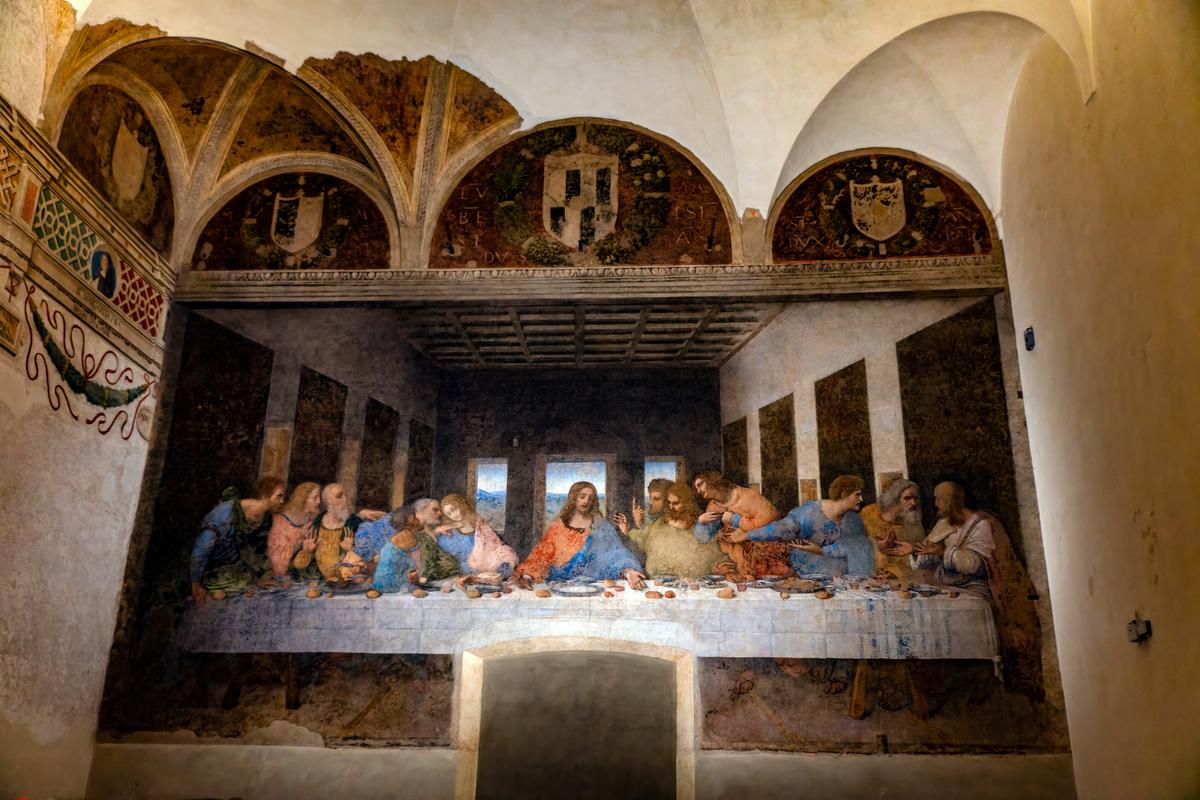
Milan, the capital of Italy’s Lombardy region, is the country’s powerhouse of fashion, design, and finance, a sophisticated northern city of about 1.37 million residents. At its heart rises the Duomo, an immense Gothic cathedral begun in 1386 and bristling with spires and statues, fronting one of Italy’s grandest squares. Beside it stands the glass-roofed Galleria Vittorio Emanuele II, one of the world’s oldest shopping arcades, opened in 1877 and lined with luxury boutiques and historic cafés. Milan guards one of art’s greatest treasures: Leonardo da Vinci’s The Last Supper, painted in the 1490s on a wall of the convent of Santa Maria delle Grazie. The city is synonymous with high fashion through its biannual Fashion Weeks and the Quadrilatero della Moda, and with culture at the storied La Scala opera house. Stylish and fast-paced yet rich in history, Milan makes an elegant gateway to the lakes and the Alps beyond.
Neighbourhoods
Centro Storico, Brera, Navigli, Porta Nuova
Best time to visit
April through June and September through October. Avoid August when locals leave and shops close.
Season by season
Spring (April-May):
Weather: 15-20°C, rainy then clear
Highlights: Salone del Mobile (Design Week – City full)
Best For: Design lovers
Summer (June-Aug):
Weather: 28-35°C, humid
Highlights: Sales start (July)
Best For: Empty city (Aug), Rooftop bars
Fall (Sept-Oct):
Weather: 15-20°C, fog possible
Highlights: Fashion Week (Sept), Monza F1 GP
Best For: Shopping, opera start
Winter (Nov-March):
Weather: 0-10°C, grey
Highlights: Ohe Bej! Ohe Bej! Xmas market
Best For: Museums, La Scala season
Crowds
Milan peaks in spring and autumn fashion weeks, and summer tourist season (April–May, September–October, July–August for sightseeing), with Christmas trade show spikes; quietest in January–February after the holidays, though central attractions can be busy year-round.
Getting there and around
Getting there
Milan is accessible via Italy’s high-speed rail network and regional airports. The city connects to Rome, Milan, Florence, and other Italian cities via train and highway networks.
Getting around
Milan features public transportation including buses, trams, and regional trains. The historic center is very walkable with major attractions within walking distance.
Top experiences in Milan
Duomo di Milano
The third-largest church in the world. This Gothic marble masterpiece took 600 years to finish. It is adorned with 3,400 statues and 135 spires. The highlight is walking on the rooftop terraces among the spires, looking out over the city to the Alps. The golden Madonna (Madonnina) stands at the highest point.
Galleria Vittorio Emanuele II
The world’s oldest shopping mall (1877). It connects the Duomo to La Scala. The glass and iron dome is magnificent. It houses Prada’s first store and high-end cafes. Spin your heel on the mosaic bull’s testicles on the floor for good luck—it’s a local tradition.
The Last Supper
Leonardo da Vinci’s mural in the refectory of Santa Maria delle Grazie. It depicts the moment Jesus announces one of his disciples will betray him. It is fragile and faded but incredibly powerful. Tickets are extremely limited and must be booked months in advance (or via tour scalpers).
Teatro alla Scala
One of the most famous opera houses in the world. The austere exterior hides a sumptuous box-lined auditorium of red velvet and gold leaf. Even if you don’t like opera, the museum allows you to peek into the theater. Opening Night (Dec 7) is the biggest social event in Italy.
Castello Sforzesco
A massive 15th-century fortress built by the Duke of Milan, Francesco Sforza. It houses several museums, including Michelangelo’s last unfinished sculpture, the Pietà Rondanini. The castle grounds lead into Parco Sempione, the city’s main park, ending at the Arch of Peace.
Editor-curated picks carried over from our original guide. Where a full place guide exists, the card links to it.
Where to stay
Armani Hotel Milano
Via Alessandro Manzoni 31, 20121 Milano MI, Italy
Located in the Quadrilatero della Moda (fashion district), the entire hotel was designed by Giorgio Armani himself. It is pure minimalism and elegance—muted greys, clean lines, and luxurious textures. It occupies a rationalist palazzo shaped like an ‘A’. The lifestyle manager ensures every wish is granted.
Bulgari Hotel Milano
Via Privata Fratelli Gabba 7b, 20121 Milano MI, Italy
hidden in a private street near the Brera district/La Scala. It features a rare 4,000sqm private garden, an oasis of calm in the city. The design uses black marble from Zimbabwe and teak from Burma. The bar is the gathering spot for the Milanese elite during aperitivo hour.
Hotel Principe di Savoia
Piazza della Repubblica 17, 20124 Milano MI, Italy
A Dorchester Collection hotel that defines Old World Italian glamour. It dominates the Piazza della Repubblica. The rooms are dressed in 19th-century Lombard style with heavy damask and wood. The Club 10 spa on the top floor offers sunset views over the city. It’s a favorite of visiting celebrities and royalty.
Editor-curated stays carried over from our original guide. Where we have reviewed the hotel, the card links to the review.
Tips from the field
Highlights
- Duomo – Gothic icon
- Last Supper – Da Vinci's masterpiece
- Galleria – Luxury shopping
- Navigli – Canal nightlife
- Brera – Art district
- La Scala – Opera
- Quadrilatero della Moda – Fashion HQ
- San Siro – Football temple
- Risotto alla Milanese – Saffron rice
Best activities
- Climb the Duomo roof. Have an aperitivo in the Navigli district (buy a drink, get unlimited buffet/snacks). Window shop on Via Montenapoleone. Eat a Panzerotto at Luini (near the Duomo). See an opera at La Scala. Wander the cobbled streets of Brera. Visit the Fondazione Prada for contemporary art in a distillery.
Local experiences
- Join a Milan aperitivo crawl through the Navigli canal district where locals gather for pre-dinner drinks and snacks. Attend a Sunday morning antiques market at Naviglio Grande, one of Europe's largest open-air flea markets. Visit a traditional Milanese trattoria in the Brera district for ossobuco and risotto alla Milanese. Explore the Porta Romana neighborhood for authentic street food and local bakeries. Catch an opera or ballet performance at the legendary Teatro alla Scala — even standing-room tickets offer an unforgettable evening.
Practical tips
- Currency: Euro (EUR). Cards widely accepted.
- Getting There: Malpensa Airport (MXP) via Malpensa Express to Milano Centrale (45 minutes, €13). Linate Airport (LIN) is closer.
- Transportation: ATM metro (4 lines), trams, and buses. Single ticket €2.20, day pass €7.60. Walking excellent in the center. Tram 1 along Corso Sempione is scenic.
- Dining: Risotto alla milanese, cotoletta, panzerotti (fried calzones from Luini, €3.50). Navigli district for aperitivo with free buffets (€8-12 cocktail). Restaurant meals €12-25.
- Free Attractions: Duomo exterior and piazza, Galleria Vittorio Emanuele II, Navigli canal walking, Brera district, Parco Sempione.
- Tipping: Round up or leave €1-2
- Electricity: 230V/50Hz, Type C/F/L plugs
Photography tips
- Golden Hour: The Duomo Terraces at sunset (pink marble effects).
- Iconic Shots:
- The Duomo facade with pigeons (cliché but classic).
- The glass dome of the Galleria.
- The vertical forest (Bosco Verticale) towers.
- Navigli canals at aperitivo time with reflections.
- Technique: Milan is often grey/foggy in winter ('scighera'). Embrace the moodiness for black and white shots.
Timing
- Peak Season (Design Week, Fashion Week):
- Impossible to find rooms
- Shoulder Season (May, Oct):
- Best weather
- Low Season (Nov, Jan):
- Sales (Jan), quietest
Keeping it authentic
- Milan is the engine of Italy—fast-paced, efficient, and business-focused. It's not 'La Dolce Vita' Rome. People dress impeccably everywhere. 'Aperitivo' is a religion here (6 pm-9 pm). Coffee is an espresso at the bar, standing up, in 30 seconds.
Culture, customs and safety
Cultural heritage
Milan serves as the cultural and economic heart of Northern Italy and global fashion capital, where Lombard commercial traditions, Renaissance artistic patronage, and contemporary design innovation created one of Europe most influential cultural and commercial centers. The city preserves magnificent Gothic and Renaissance architecture while pioneering Italian fashion design, industrial development, and contemporary European cultural leadership. Milan cultural heritage encompasses Lombard commercial culture, Renaissance artistic achievement, Italian fashion industry leadership, and contemporary European design innovation that continues to influence global fashion, design, and Italian cultural identity worldwide.
Local customs & etiquette
In Milan, greet with ‘Buongiorno’ or ‘Buonasera’ depending on time of day. Dress well, especially in churches. Dining is social – lunch 12:30-2:30 PM, dinner after 8 PM.
Safety notes
Milan is generally safe for tourists — Italy’s most cosmopolitan city.
General Safety:
• Duomo, Brera, and Navigli areas are safe
• Pickpocketing near the Duomo, Stazione Centrale, and on Metro Line 1
• Watch for surrogate/ring scammers near tourist sites
Emergency: 112
Travel Style
Activities