Cultural Context
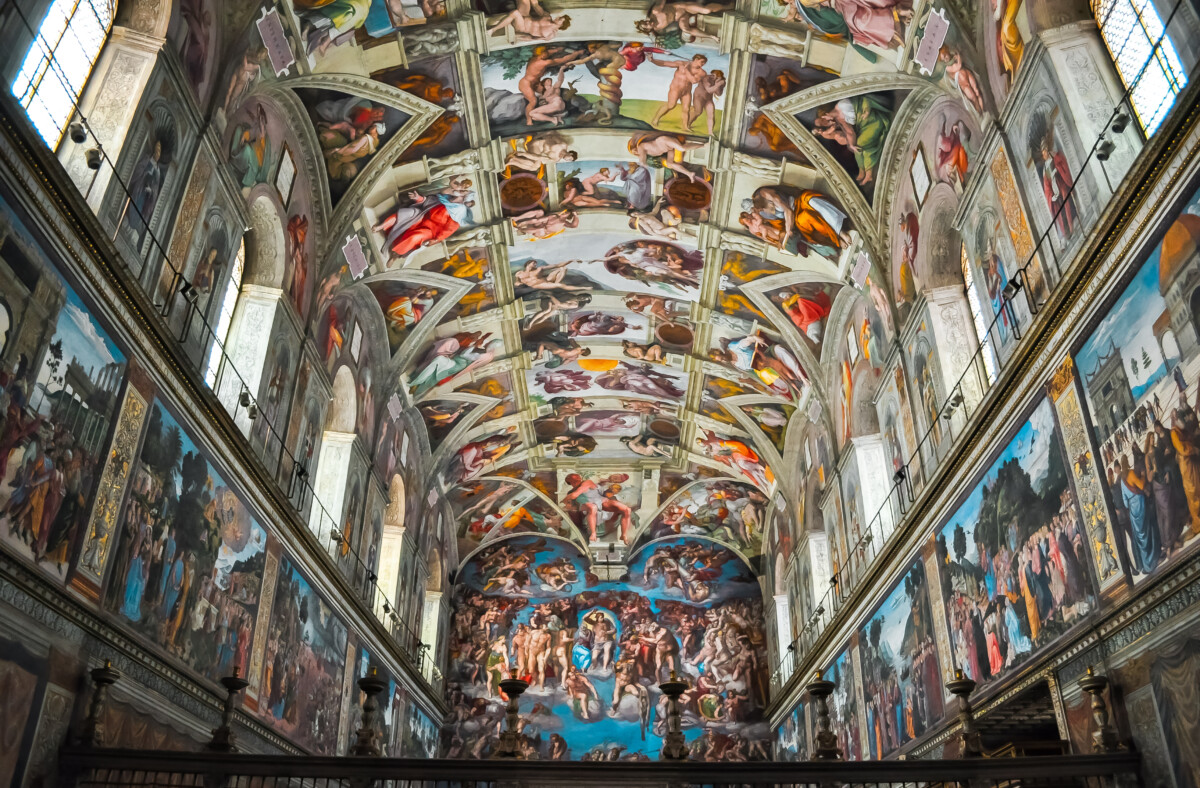
The Sistine Chapel holds profound cultural significance as a symbol of the Catholic Church’s spiritual authority and artistic patronage during the Renaissance. It serves as the site of the Papal conclave, the solemn process through which a new pope is elected, embedding it deeply in the religious and cultural traditions of Catholicism worldwide. The chapel’s frescoes, especially Michelangelo’s ceiling and The Last Judgment, reflect Renaissance ideals of humanism, biblical storytelling, and the fusion of art with faith. These works have inspired countless artists and scholars, influencing Western art and theology. The chapel is also a focal point for major liturgical celebrations and ceremonies conducted by the Vatican, including Easter and Christmas Masses, which attract pilgrims and visitors globally. Local customs surrounding the chapel emphasize respect and reverence, as it remains an active place of worship despite its museum status. The cultural practice of silence and contemplative observation within its walls underscores its sacred nature. The Sistine Chapel is thus not only an artistic masterpiece but a living cultural monument that continues to shape religious and artistic identities across centuries and continents.Historical Context
The Sistine Chapel was commissioned by Pope Sixtus IV and constructed between 1473 and 1481, lending its name to the pontiff. It was designed to serve as the pope’s private chapel and a site for important ecclesiastical functions. Over the years, it became a canvas for some of the Renaissance’s greatest artists. Initially decorated by painters such as Botticelli, Ghirlandaio, and Perugino, its most transformative moment came in 1508 when Pope Julius II commissioned Michelangelo to paint the ceiling, a project completed in 1512. This monumental work marked a turning point in art history, showcasing a dramatic shift toward dynamic human forms and complex theological themes. Later, between 1536 and 1541, Michelangelo painted The Last Judgment on the altar wall under Pope Clement VII and Pope Paul III, further elevating the chapel’s artistic prestige. The chapel has witnessed pivotal historical events, including papal conclaves and major religious ceremonies, reflecting its enduring role in the Catholic Church’s governance and spiritual life. Its history encapsulates the evolution of Renaissance art, religious power, and the intersection of politics and faith within the Vatican, making it a landmark of both artistic and ecclesiastical history.Plan your visit with our complete Rome travel guide featuring top sights, itineraries, and local travel tips.