


Chapel of the Holy Cross
The Chapel of the Holy Cross rises straight out of Sedona’s red rock buttes — it’s one of the few roadside stops that actually earns the detour.
The temples and sacred sites here reward respect as much as curiosity. Dress codes are common — covered shoulders and knees, shoes removed at the threshold — and some sites limit photography or charge separately for inner sanctuaries. Visit early for quieter, cooler conditions and a more contemplative experience.
The Chapel of the Holy Cross rises straight out of Sedona’s red rock buttes — it’s one of the few roadside stops that actually earns the detour.
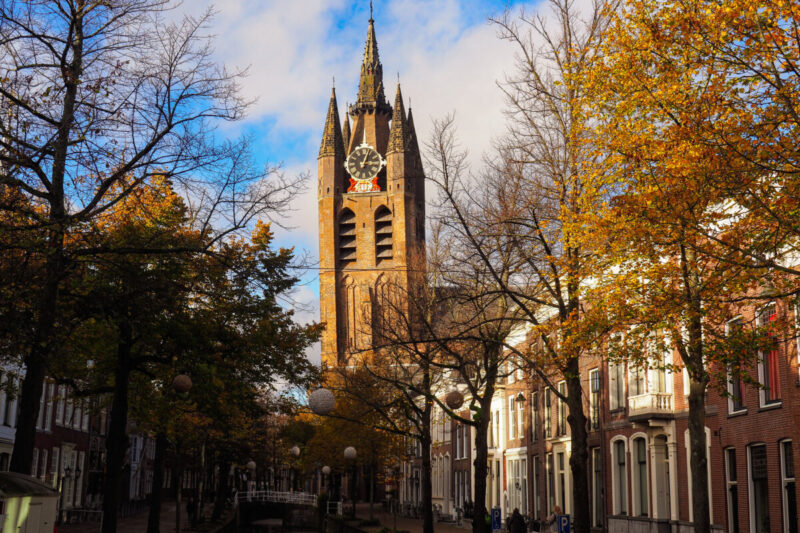
Vermeer is buried here, under plain stone slabs. The leaning tower outside and the Baroque pulpit inside make this worth an hour of anyone’s time.
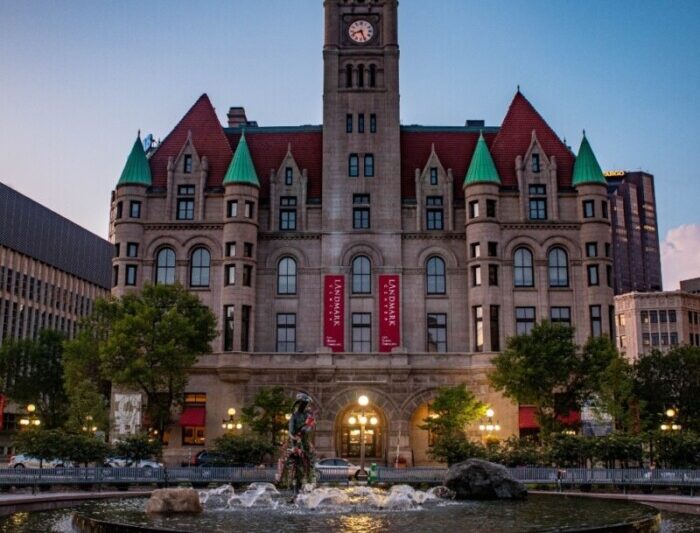
St. Paul’s Cathedral: A symbol of resilience, cultural significance, and architectural brilliance, offering engaging experiences for all.
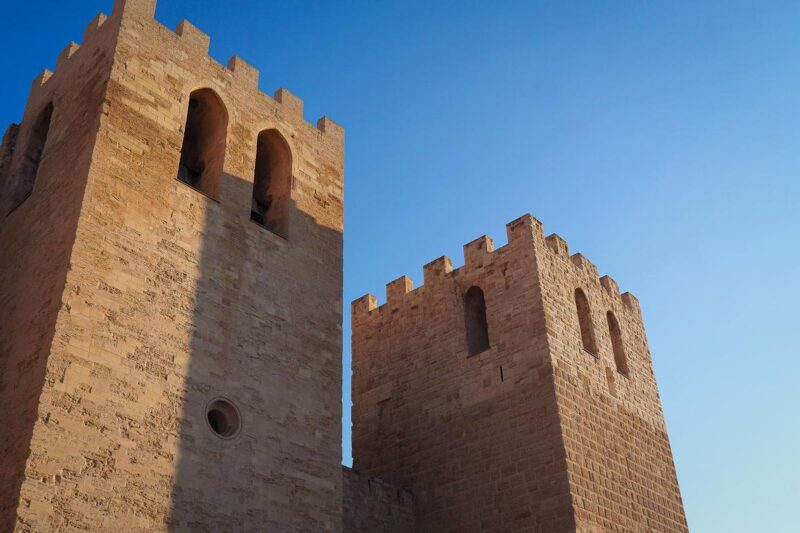
Abbaye Saint-Victor’s crypt whispers secrets from 415 AD, etched in pagan markings and ancient stone. This hilltop sentinel guards Marseille’s soul, weaving Roman roots with medieval mysteries in a [tapestry of cultural authenticity](https://www.novlr.org/the-reading-room/a-writers-guide-to-great-travel-writing).
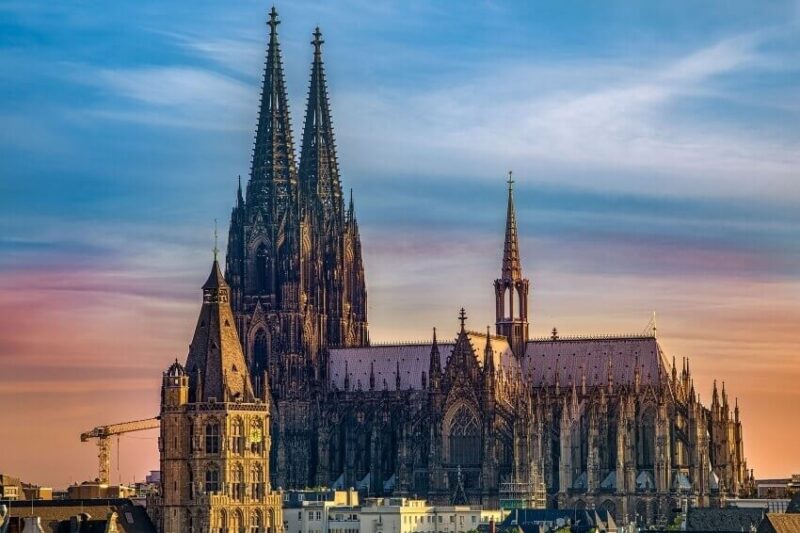
It took 632 years to finish. Standing under those twin towers, that timeline starts to make sense.
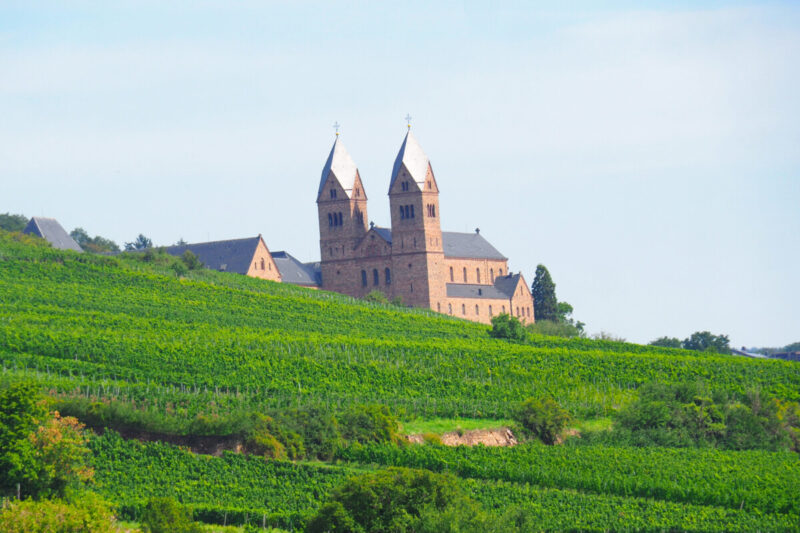
Founded in 598 AD, St Augustine’s Abbey outlasted kings, survived the Dissolution, and still tells England’s Christian origin story better than any textbook.

La Bonne Mère watches over all of Marseille from 162 meters up. The ex-votos inside tell better stories than any museum.
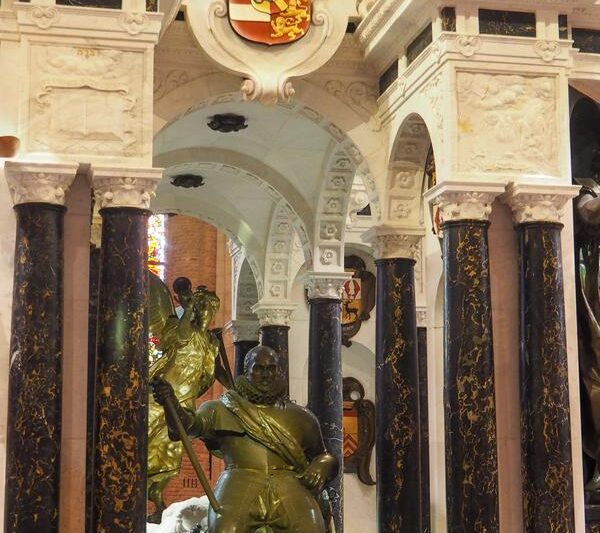
William of Orange is buried here, beneath a marble tomb that helped make Delft the burial ground of Dutch royalty. The 376-step tower climb seals it.
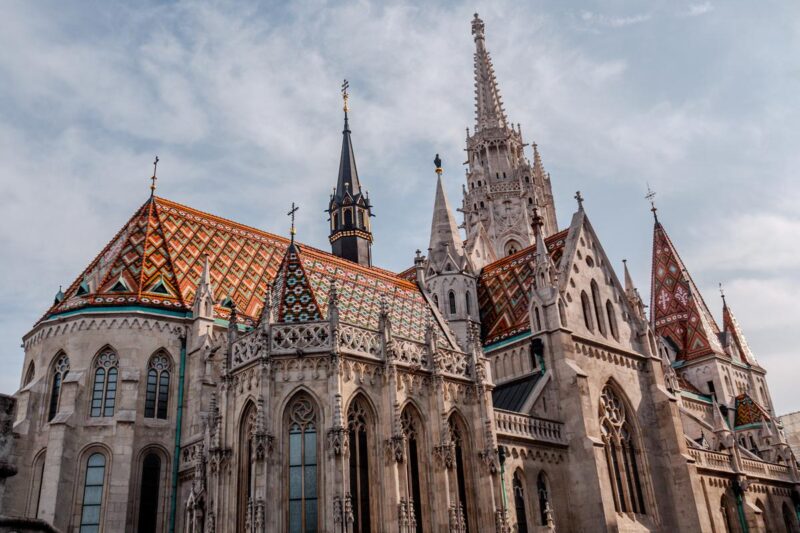
Matthias Church has been a coronation hall, a mosque, and a Neo-Gothic canvas — every era left its mark on the walls.
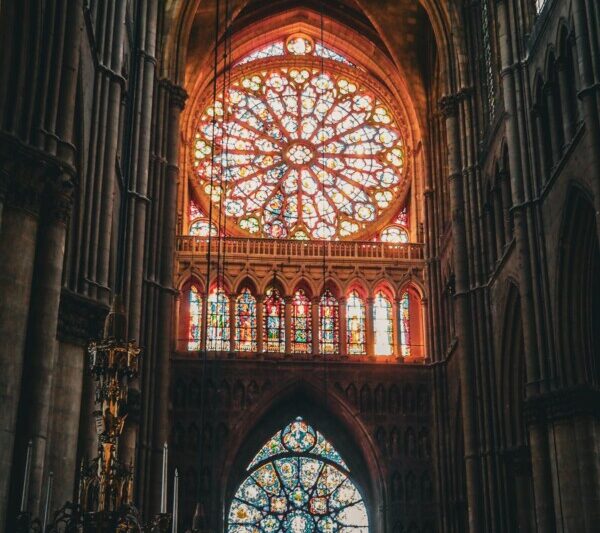
Thirty-two French kings were crowned here. The Smiling Angel still watches from the facade, unbothered by eight centuries of history.

Brunelleschi built the largest masonry dome in history without scaffolding. Standing inside it, that fact stops being trivia.
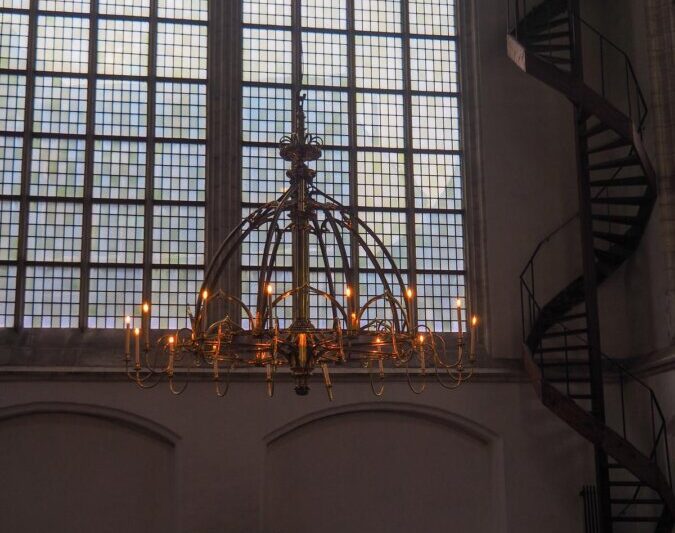
Rembrandt’s wife is buried under your feet, sex workers advertise in the windows outside. No building captures Amsterdam better.
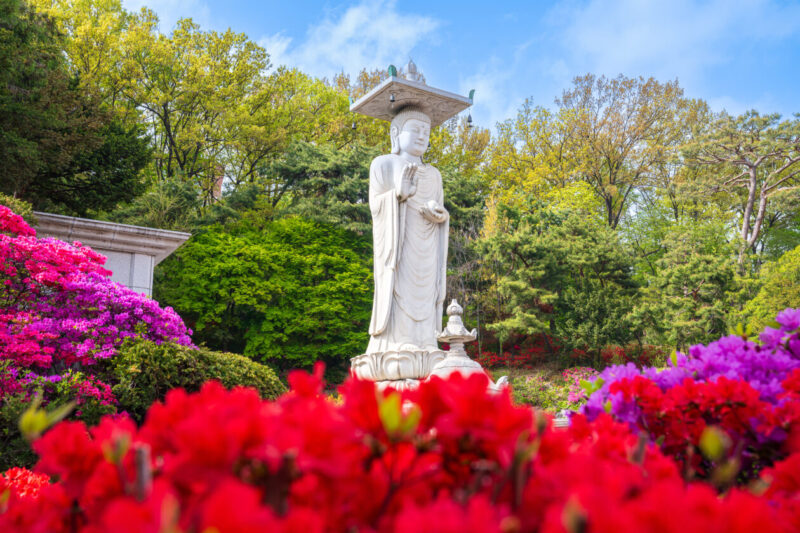
A 1,200-year-old Buddhist temple sitting directly across from COEX Mall in Gangnam — the contrast alone makes it worth the detour.
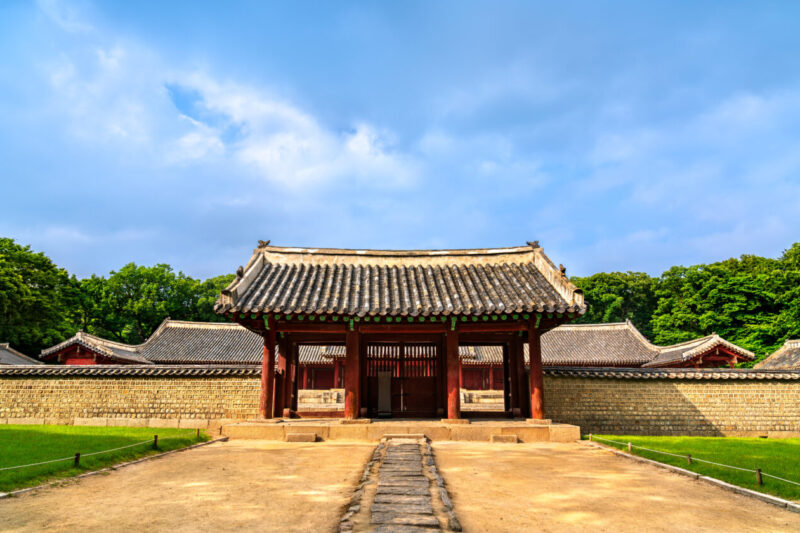
Jongmyo is the quietest place in Seoul — no color, no crowds, just stone courtyards and 600 years of Joseon ritual still intact.
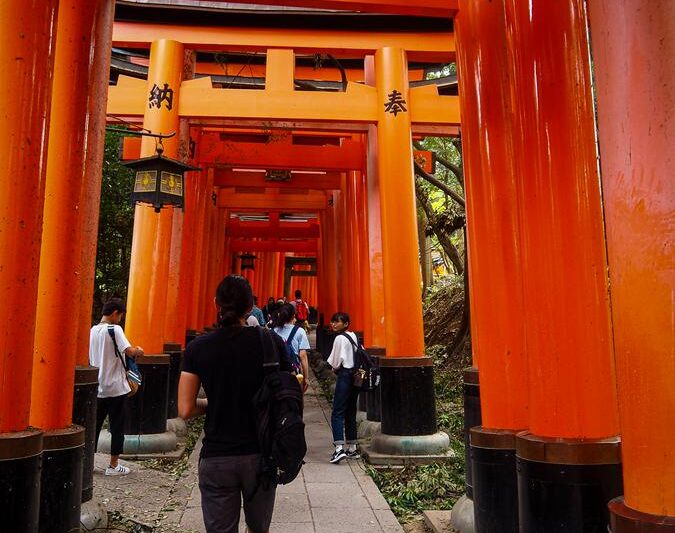
A 500-year-old pine, golden Buddhas, and paper lanterns at Buddha’s Birthday — Jogyesa is Seoul’s most accessible temple and actually worth your time.
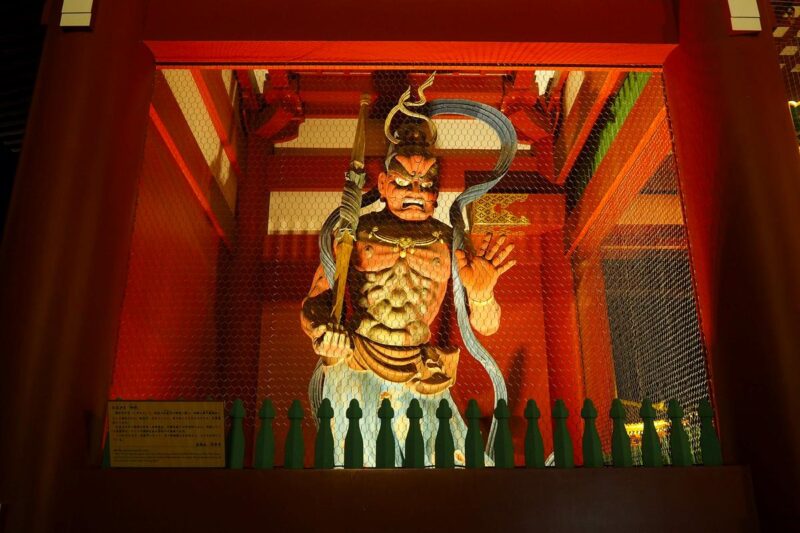
Senso-ji gets 30 million visitors a year — arrive before 7am and you’ll have the Thunder Gate almost to yourself.

Sacré-Cœur’s dome view stretches 50km on clear days — but the mosaic inside is what most visitors walk past without looking up.
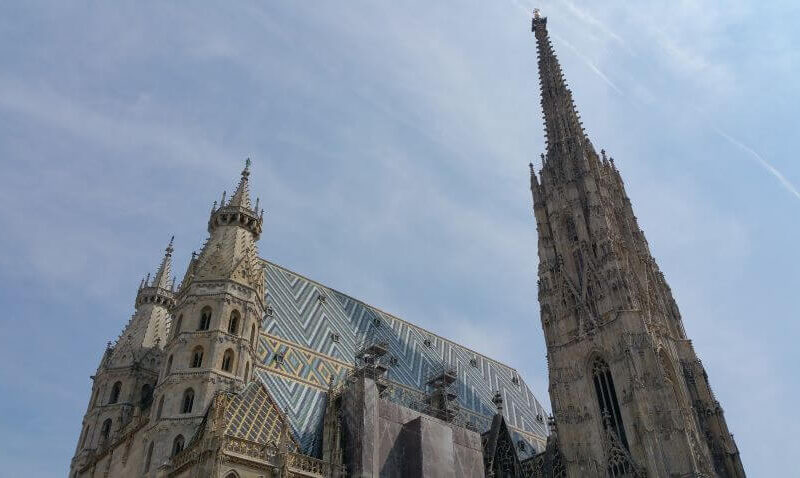
The catacombs hold 11,000 Viennese and Habsburg organs. The roof tiles alone took my breath away before I even walked inside.

Kefalonia’s most sacred site sits quietly in the Omala valley — the saint’s relics are here, and the atmosphere is unlike anywhere else on the island.
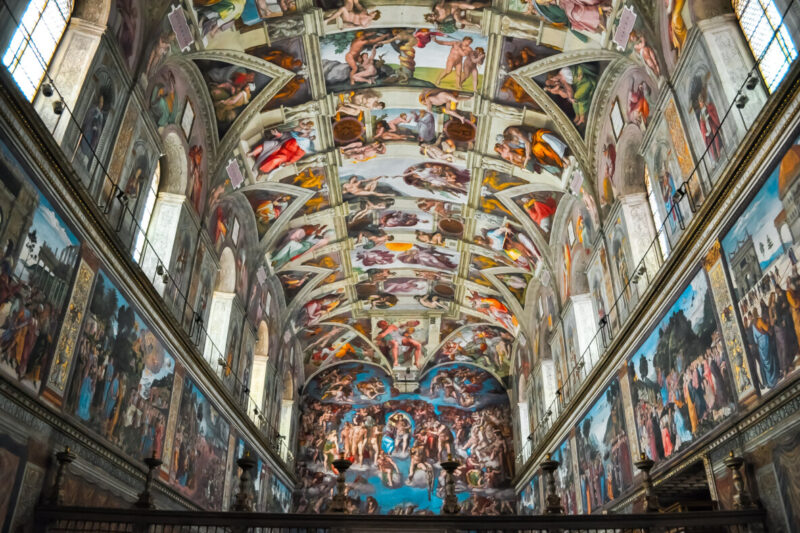
The no-photography rule at the Sistine Chapel is the best thing about it — silence forces you to actually look.

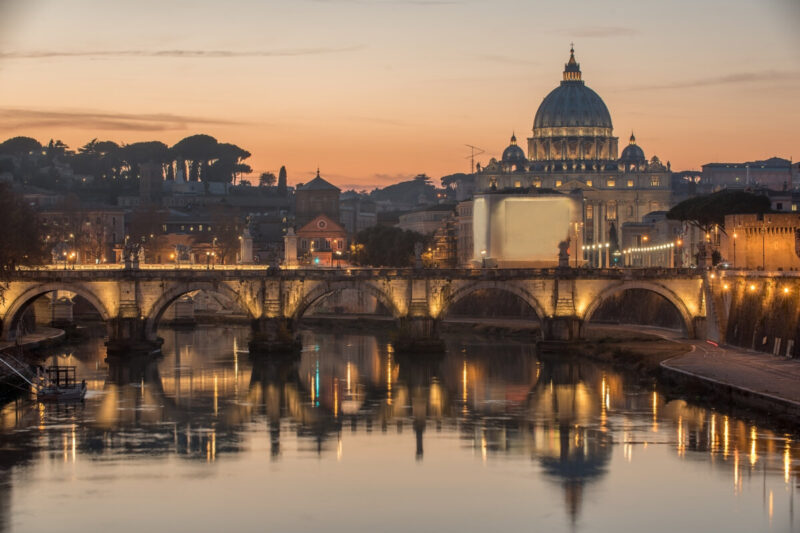
Skip the guided tour. The dome climb at St. Peter’s is 551 steps and worth every one — the views over Vatican City hit differently than any postcard.
15 columns still stand. The 16th fell in 1852 and never got up — it’s still lying there, which tells you everything about this place.
Most visitors walk past this temple chasing the Parthenon. That’s a mistake — it’s better preserved and far less crowded.