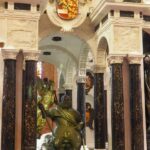
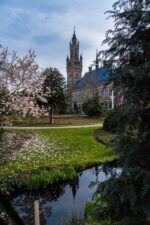
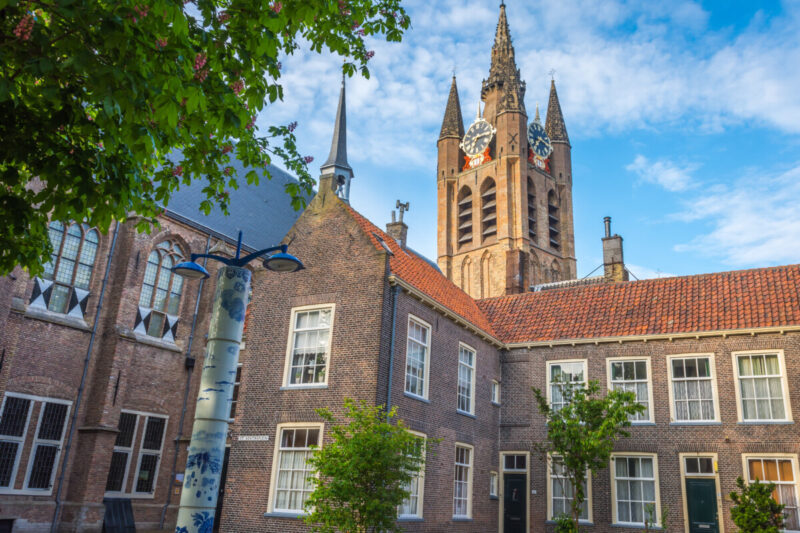
The Oude Kerk (Old Church) in Delft is a magnificent Gothic church dating back to 1246, standing as the oldest building in the city. This historic landmark houses the tomb of Dutch painter Johannes Vermeer and features a slightly leaning tower known as “Scheve Jan” (Leaning John). Inside, visitors will discover an impressive Baroque pulpit, remarkable stained glass windows, and a beautifully preserved 17th-century organ. The church’s atmospheric interior combines architectural grandeur with intimate historical connections, offering a profound glimpse into Delft’s cultural and religious heritage.
Cultural Context
The Oude Kerk in Delft holds profound cultural significance as a central place of worship and community gathering for centuries. As the oldest building in Delft, it embodies the religious traditions and practices that have evolved in the Netherlands from the Middle Ages through the Reformation and into the modern era. The church has been a site for important local ceremonies, including baptisms, weddings, and funerals, reflecting the deep-rooted Christian customs of the region. It also plays a role in annual cultural celebrations such as the Delft Blue pottery festivals and local heritage days, where the church’s history intertwines with the city’s artistic and cultural identity. The Oude Kerk is not only a religious site but also a symbol of continuity and resilience, representing the spiritual life of Delft’s citizens through periods of political and social change. Its role in community traditions and festivals highlights the ongoing connection between the church and the cultural fabric of Delft, making it a living monument to Dutch religious and cultural heritage. Visitors can appreciate how the church remains a vibrant part of local life, bridging past and present traditions in a meaningful way.
Historical Context
The Oude Kerk, founded in 1246, is the oldest building in Delft and has witnessed pivotal moments in Dutch history. Originally built as a Roman Catholic church during the Middle Ages, it transitioned to Protestantism following the Reformation in the 16th century, reflecting the seismic religious shifts across the Netherlands. The church is closely linked to notable historical figures, most famously the painter Johannes Vermeer, who was baptized and buried there, underscoring its importance in the cultural history of Delft. Throughout its existence, the Oude Kerk has undergone numerous restorations and expansions, adapting to changing architectural styles and liturgical needs. It survived the iconoclastic fury of the Beeldenstorm in the 1560s, when many religious images were destroyed, marking a turbulent period in Dutch religious history. The church also served as a civic gathering place during times of crisis and celebration, anchoring the community through centuries of social transformation. Its enduring presence offers a tangible connection to the medieval origins of Delft and the broader historical narrative of the Netherlands.