MenuClose

A place worth knowing

Museum Panorama Mesdag

Museums · Museum in The HagueUpdated

  • Google rating4.5/5 (8,200 reviews)
  • Typical visit1-2 hours average visit (longer if engaging deeply with the additional maritime works)
  • EntranceAdmission required — check https://www.panorama-mesdag.nl/ for tickets
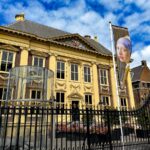
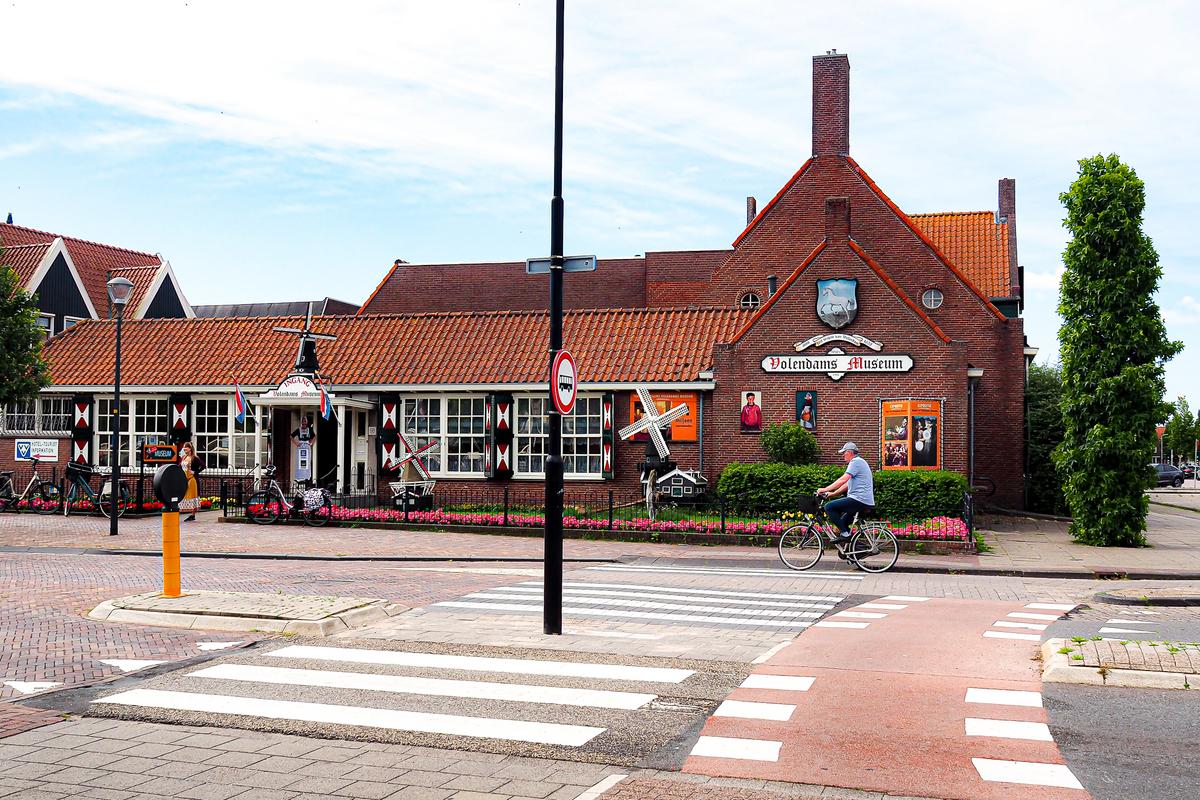
A bicyclist rides by the traditional Dutch architecture of the Volendams Museum decorated with vibrant flowers, under a sunny sky, reflecting the culture and lifestyle of Volendam, The Netherlands.
Kyle Kroeger / ViaTravelers
  • Today (Sunday)10:00 AM – 5:00 PM
  • Typical visit1-2 hours average visit (longer if engaging deeply with the additional maritime works)
  • EntranceAdmission required — check https://www.panorama-mesdag.nl/ for tickets
  • Google rating4.5/5 8,200 reviews
  • WebsiteOfficial site ↗
Opening hours all week
Monday
Closed
Tuesday
10:00 AM – 5:00 PM
Wednesday
10:00 AM – 5:00 PM
Thursday
10:00 AM – 5:00 PM
Friday
10:00 AM – 5:00 PM
Saturday
10:00 AM – 5:00 PM
Sunday
10:00 AM – 5:00 PM
The short answer

Why it matters

Home to the world's largest circular painting — a 14-by-120-meter depiction of the Scheveningen seaside created by H.W. Mesdag in 1881.

Housing one of the world’s most remarkable artistic illusions, Museum Panorama Mesdag showcases the eponymous 360-degree cylindrical painting that transports viewers to the Netherlands of 1881. Standing 14 meters high and spanning 120 meters in circumference, Hendrik Willem Mesdag’s masterpiece creates an uncanny three-dimensional effect depicting the sea, dunes, and fishing village of Scheveningen as they appeared in the late 19th century. The museum’s innovative design places visitors on a central platform surrounded by natural foreground elements that blend seamlessly into the painted horizon, effectively dissolving the boundary between real and imagined space. Beyond the panorama itself, the museum exhibits additional maritime works by Mesdag and his contemporaries from the Hague School, offering insight into Dutch artistic traditions that celebrated the nation’s relationship with the sea.

Cultural Context

Museum Panorama Mesdag houses one of the world’s most extraordinary artistic achievements—the Panorama Mesdag, a breathtaking 360-degree cylindrical painting created by Hendrik Willem Mesdag in 1881 that stands as the largest painting in the Netherlands. This monumental work, measuring 120 meters in circumference and 14 meters in height, represents a pinnacle of 19th-century panoramic art—a revolutionary entertainment medium that predated cinema by creating immersive visual experiences. The panorama depicts the coastal village of Scheveningen as it appeared in 1881, showcasing Mesdag’s mastery of the Hague School painting style that captured the distinctive Dutch light and maritime landscape. As one of the few surviving panoramic paintings worldwide (only about 30 remain from the hundreds created in the 19th century), this cultural treasure demonstrates an artistic technique that once captivated audiences across Europe and America. The museum also celebrates the broader legacy of the Hague School movement, featuring works by Mesdag, his wife Sientje Mesdag-van Houten, and their contemporaries who revolutionized Dutch landscape painting. This institution preserves both an artistic masterpiece and a unique window into 19th-century Dutch coastal life, representing the intersection of art, innovation, and cultural heritage in The Hague.

Historical Context

Museum Panorama Mesdag was established in 1881 to house the monumental panoramic painting created by Hendrik Willem Mesdag, a leading Dutch marine artist of the late 19th century. The panorama itself was completed in 1881 and represents a sweeping, 360-degree view of the village of Scheveningen, then a small fishing community near The Hague. Mesdag, along with his wife Sientje Mesdag-van Houten and a team of artists, meticulously painted this immersive work to capture the coastal landscape and daily life of the era. The museum was originally designed specifically to display this unique form of visual art, which was a popular entertainment medium in the late 1800s before the advent of cinema. Over time, the museum has preserved the original atmosphere and presentation of the panorama, offering visitors a rare glimpse into 19th-century Dutch coastal life and artistic innovation. The institution also reflects the history of The Hague as a cultural hub during the Hague School artistic movement, of which Mesdag was a key figure. Today, the museum remains a testament to Mesdag’s artistic vision and the historical significance of panoramic art in visual storytelling traditions of the 19th century.
Context

Story and significance

About

Museum Panorama Mesdag in The Hague houses the Panorama of Scheveningen — a 14-metre-tall, 120-metre-circumference cylindrical painting created in 1881 by Hendrik Willem Mesdag and four other artists. The painting depicts the Scheveningen seaside village, beach, dunes, and North Sea as they appeared in the late 19th century. Visitors stand on a raised platform surrounded by the seamless 360-degree canvas, where real sand and objects in the foreground create an illusion of being transported into the scene.

Historical significance

Panorama Mesdag is important as a surviving example of the panoramic genre and as a record of coastal landscape and urban appearance from its period. It holds value for art historians, conservationists and the public as a rare, intact immersive work that documents artistic and visual practices of the late 1800s.

Historical context

Museum Panorama Mesdag was established in 1881 to house the monumental panoramic painting created by Hendrik Willem Mesdag, a leading Dutch marine artist of the late 19th century. The panorama itself was completed in 1881 and represents a sweeping, 360-degree view of the village of Scheveningen, then a small fishing community near The Hague. Mesdag, along with his wife Sientje Mesdag-van Houten and a team of artists, meticulously painted this immersive work to capture the coastal landscape and daily life of the era. The museum was originally designed specifically to display this unique form of visual art, which was a popular entertainment medium in the late 1800s before the advent of cinema. Over time, the museum has preserved the original atmosphere and presentation of the panorama, offering visitors a rare glimpse into 19th-century Dutch coastal life and artistic innovation. The institution also reflects the history of The Hague as a cultural hub during the Hague School artistic movement, of which Mesdag was a key figure. Today, the museum remains a testament to Mesdag’s artistic vision and the historical significance of panoramic art in visual storytelling traditions of the 19th century.
Cultural context

Museum Panorama Mesdag houses one of the world’s most extraordinary artistic achievements—the Panorama Mesdag, a breathtaking 360-degree cylindrical painting created by Hendrik Willem Mesdag in 1881 that stands as the largest painting in the Netherlands. This monumental work, measuring 120 meters in circumference and 14 meters in height, represents a pinnacle of 19th-century panoramic art—a revolutionary entertainment medium that predated cinema by creating immersive visual experiences. The panorama depicts the coastal village of Scheveningen as it appeared in 1881, showcasing Mesdag’s mastery of the Hague School painting style that captured the distinctive Dutch light and maritime landscape. As one of the few surviving panoramic paintings worldwide (only about 30 remain from the hundreds created in the 19th century), this cultural treasure demonstrates an artistic technique that once captivated audiences across Europe and America. The museum also celebrates the broader legacy of the Hague School movement, featuring works by Mesdag, his wife Sientje Mesdag-van Houten, and their contemporaries who revolutionized Dutch landscape painting. This institution preserves both an artistic masterpiece and a unique window into 19th-century Dutch coastal life, representing the intersection of art, innovation, and cultural heritage in The Hague.

Architecture

The building housing Museum Panorama Mesdag is architecturally significant as it was purpose-built in 1881 to accommodate the vast cylindrical panorama painting, a unique architectural challenge of its time. Designed by architect Johan Friedrich Henkenhaf, the structure is characterized by its circular form and spacious interior, crafted to immerse visitors fully in the panoramic experience. The building’s design incorporates a raised viewing platform at the center, allowing an unobstructed, eye-level perspective of the 14-meter-high and 120-meter-circumference painting. The architecture employs robust brickwork typical of late 19th-century Dutch construction, combined with large skylights and controlled lighting to enhance the illusion of natural daylight on the painting. The interior space is carefully engineered to minimize reflections and distortions, preserving the immersive effect. The design reflects innovative thinking in exhibition architecture, focusing on the integration of artwork and environment to create a seamless visual experience. The museum’s preservation of its original architectural features provides insight into the specialized requirements of panoramic art display and remains a rare example of this niche architectural typology in Europe.

Local significance

Museum Panorama Mesdag holds a special place in The Hague as the home of a unique 19th-century panoramic painting that locals recognize as part of the city’s cultural heritage. Residents see it as a distinct, intimate museum experience that complements larger national institutions and showcases local artistic history tied to The Hague’s role as an art-collecting city. The museum contributes to civic pride and to cultural tourism while serving as a resource for schools and smaller-group visitors interested in the Netherlands’ artistic traditions.

Updated Data: Editorial research · Google Places ratings · Verified coordinates