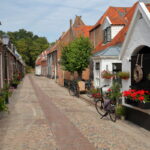
The Hague (Den Haag), serving as the administrative capital of the Netherlands while Amsterdam holds the constitutional capital status, presents a unique Dutch city where stately architecture, international institutions, and seaside proximity create a distinctive urban experience. This city of 550,000 residents balances its dual identity: functioning as the seat of the Dutch government and royal workplace (though not residence) with the king delivering annual addresses from the 13th-century Binnenhof complex and parliament meeting in historic buildings around the Hofvijver pond, while simultaneously hosting over 150 international organizations including the International Court of Justice at the Peace Palace, the International Criminal Court, and numerous UN agencies that collectively establish The Hague as the global center for international law and diplomacy. The city’s architectural character differs significantly from other Dutch urban centers through wide, tree-lined boulevards, substantial embassies in former palaces, and elegant Art Nouveau buildings complementing older structures like the Gothic-style Ridderzaal (Knights’ Hall) from 1280 and the royal Noordeinde Palace, creating a more spacious, formal atmosphere than Amsterdam’s canal-lined streets. Beyond governmental and international functions, The Hague offers exceptional cultural experiences through institutions including the Mauritshuis museum housing Dutch Golden Age masterpieces such as Vermeer’s “Girl with a Pearl Earring” and Rembrandt’s “The Anatomy Lesson,” the contemporary Gemeentemuseum containing the world’s largest Mondrian collection, and Panorama Mesdag featuring a remarkable 360-degree, 14-meter-high cylindrical painting of the nearby Scheveningen beach from 1881. The city extends physically to the North Sea at Scheveningen, one of the Netherlands’ most popular coastal resorts, which maintains its fishing heritage alongside modern attractions including the beachfront Kurhaus hotel, the Scheveningen Pier extending 382 meters into the sea, and the distinctive modernist sculpture “Celestial Vault” by James Turrell. Throughout its development, The Hague has maintained international relevance while preserving Dutch cultural identity, creating a unique urban destination that combines diplomatic significance with artistic heritage and coastal recreation opportunities within a compact, accessible city center.
The destination guide
The Hague
City in Netherlands, EuropeUpdated
- Overall7/10
- Best forCouples
- CurrencyEUR
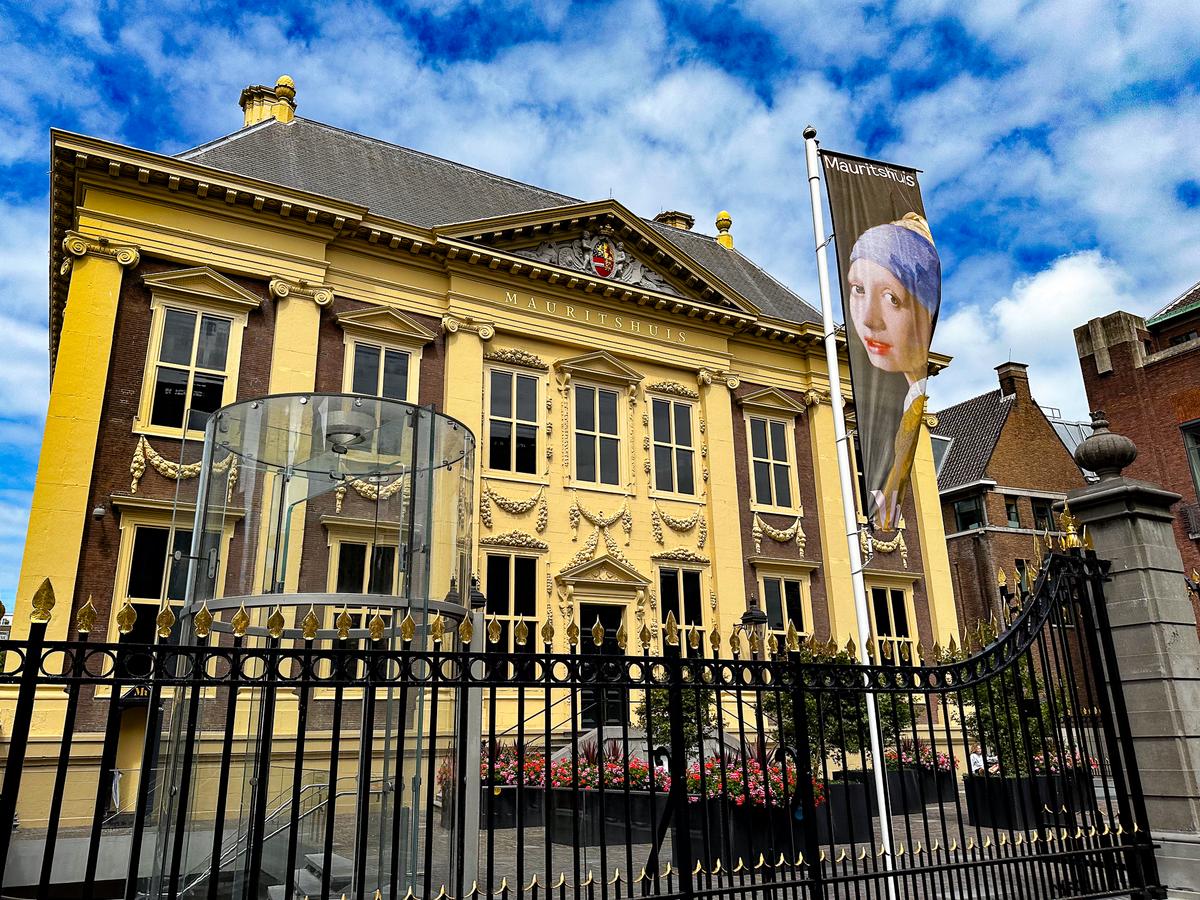
The Hague is the Dutch seat of government with Mauritshuis’ Girl with a Pearl Earring, a Scheveningen beach, and an international law identity that gives it gravitas without pretense.
Travel guides for The Hague
Things to do (2)
Where to stay (1)
More guides featuring The Hague (15)
At a glance
- Dutch
- North Sea coast
- Urban center
- Government quarter
- Scheveningen beach
How The Hague scores
Character
Editorial scores on a 10-point scale, weighed against destinations of the same kind.
Travel safety snapshot
SafePlace indicators use their source 100-point scale; higher is more favourable. Planning context, not a live travel advisory — check official government guidance before you go.
When to go
Best months to visit: April, May, June, July, August, September and October.
- January: 2.8 to 6.9 degrees Celsius, 84.4 millimetres of rain, best-time score 2 out of 5.
- February: 3 to 8.1 degrees Celsius, 69.4 millimetres of rain, best-time score 2 out of 5.
- March: 3.8 to 10.3 degrees Celsius, 63.3 millimetres of rain, best-time score 3 out of 5.
- April: 6 to 13.2 degrees Celsius, 54.3 millimetres of rain, best-time score 5 out of 5.
- May: 9.6 to 16.9 degrees Celsius, 58.6 millimetres of rain, best-time score 5 out of 5.
- June: 13.4 to 20.3 degrees Celsius, 69.2 millimetres of rain, best-time score 5 out of 5.
- July: 14.9 to 21.2 degrees Celsius, 78.7 millimetres of rain, best-time score 4 out of 5.
- August: 15.3 to 21.9 degrees Celsius, 76.4 millimetres of rain, best-time score 4 out of 5.
- September: 13 to 19.5 degrees Celsius, 88.6 millimetres of rain, best-time score 5 out of 5.
- October: 10.3 to 15.3 degrees Celsius, 105.4 millimetres of rain, best-time score 5 out of 5.
- November: 5.9 to 10.4 degrees Celsius, 90 millimetres of rain, best-time score 3 out of 5.
- December: 4.1 to 8 degrees Celsius, 83.8 millimetres of rain, best-time score 3 out of 5.
Month-by-month conditions and packing advice
- January
- Cold, some rain January in The Hague: cold, windy winter weather makes outdoor plans less balanced. Crowds: January in The Hague is workable with normal seasonal planning; build in layers, weather checks, and a mix of indoor and outdoor activities. Pack: Pack warm layers, a coat, and comfortable shoes for cold mornings and evenings. Add a rain jacket or compact umbrella.
- February
- Cold, occasional rain February in The Hague: cold, windy winter weather makes outdoor plans less balanced. Crowds: February in The Hague is workable with normal seasonal planning; build in layers, weather checks, and a mix of indoor and outdoor activities. Pack: Pack layered clothing and comfortable walking shoes.
- March
- Cool to mild, occasional rain March in The Hague: indoor culture remains useful while weather is cooler, darker, or wetter. Crowds: March in The Hague is workable with normal seasonal planning; build in layers, weather checks, and a mix of indoor and outdoor activities. Pack: Pack layered clothing and comfortable walking shoes.
- April
- Cool to mild, occasional rain April in The Hague: museums, royal sights, Scheveningen, bike rides, and day trips work best in mild spring or fall weather. Crowds: April in The Hague is workable with normal seasonal planning; build in layers, weather checks, and a mix of indoor and outdoor activities. Pack: Pack layered clothing and comfortable walking shoes.
- May
- Cool to mild, occasional rain May in The Hague: museums, royal sights, Scheveningen, bike rides, and day trips work best in mild spring or fall weather. Crowds: May in The Hague is workable with normal seasonal planning; build in layers, weather checks, and a mix of indoor and outdoor activities. Pack: Pack layered clothing and comfortable walking shoes.
- June
- Mild to warm, occasional rain June in The Hague: museums, royal sights, Scheveningen, bike rides, and day trips work best in mild spring or fall weather. Crowds: June in The Hague is comfortable for sightseeing, neighborhoods, food stops, day trips, and outdoor time with limited weather friction. Pack: Pack layered clothing and comfortable walking shoes.
- July
- Mild to warm, some rain July in The Hague: summer brings long days and beach energy, though crowds and prices can rise. Crowds: July in The Hague is workable with normal seasonal planning; build in layers, weather checks, and a mix of indoor and outdoor activities. Pack: Pack layered clothing and comfortable walking shoes. Add a rain jacket or compact umbrella.
- August
- Mild to warm, some rain August in The Hague: summer brings long days and beach energy, though crowds and prices can rise. Crowds: August in The Hague is workable with normal seasonal planning; build in layers, weather checks, and a mix of indoor and outdoor activities. Pack: Pack layered clothing and comfortable walking shoes. Add a rain jacket or compact umbrella.
- September
- Cool to mild, some rain September in The Hague: museums, royal sights, Scheveningen, bike rides, and day trips work best in mild spring or fall weather. Crowds: September in The Hague is workable with normal seasonal planning; build in layers, weather checks, and a mix of indoor and outdoor activities. Pack: Pack layered clothing and comfortable walking shoes. Add a rain jacket or compact umbrella.
- October
- Cool to mild, some rain October in The Hague: museums, royal sights, Scheveningen, bike rides, and day trips work best in mild spring or fall weather. Crowds: October in The Hague is workable with normal seasonal planning; build in layers, weather checks, and a mix of indoor and outdoor activities. Pack: Pack layered clothing and comfortable walking shoes. Add a rain jacket or compact umbrella.
- November
- Cool to mild, some rain November in The Hague: indoor culture remains useful while weather is cooler, darker, or wetter. Crowds: November in The Hague is workable with normal seasonal planning; build in layers, weather checks, and a mix of indoor and outdoor activities. Pack: Pack layered clothing and comfortable walking shoes. Add a rain jacket or compact umbrella.
- December
- Cold, some rain December in The Hague: indoor culture remains useful while weather is cooler, darker, or wetter. Crowds: December in The Hague is workable with normal seasonal planning; build in layers, weather checks, and a mix of indoor and outdoor activities. Pack: Pack layered clothing and comfortable walking shoes. Add a rain jacket or compact umbrella.
Know before you go
Best time to visit
April through October offers the most comfortable weather. Late spring (May–June) brings long daylight hours and tulip blooms in surrounding parks. July and August are warmest, with beach weather at Scheveningen. September offers fewer crowds with mild temperatures.
Getting there and around
Getting there
Amsterdam Schiphol Airport is 30 minutes by direct train to Den Haag Centraal. Rotterdam The Hague Airport handles budget flights. High-speed Thalys trains connect The Hague to Brussels (under 2 hours) and Paris (3.5 hours). Intercity trains run every 10–15 minutes to Amsterdam (50 minutes) and Rotterdam (25 minutes).
Getting around
Trams and buses operated by HTM cover the entire city. OV-chipkaart or contactless bank card tap-in/out works across all Dutch public transport. The city center is flat and cycle-friendly with extensive dedicated bike lanes. Tram line 1 connects the city center to Scheveningen beach in 20 minutes.
Top experiences in The Hague
Mauritshuis
Read the place guide →Housed in a 17th-century Dutch classicist mansion on the Hofvijver lake, the Mauritshuis contains one of the world’s most important collections of Dutch Golden Age painting. Its signature work — Vermeer’s ‘Girl with a Pearl Earring’ (c. 1665) — hangs in a dedicated room alongside his ‘View of Delft.’ Rembrandt’s ‘The Anatomy Lesson of Dr. Nicolaes Tulp’ and works by Frans Hals, Jan Steen, and Paulus Potter complete a collection of roughly 800 pieces displayed across intimate period rooms. The museum’s compact size means most visits take 90 minutes to two hours.
Binnenhof & Hofvijver
The Binnenhof is a complex of medieval buildings that has served as the center of Dutch politics since 1446, when the States General first convened here. The Ridderzaal (Knights’ Hall), a 13th-century Gothic hall at the complex’s heart, hosts the annual opening of Parliament on Prinsjesdag, when the King arrives by golden coach. The complex sits on the Hofvijver, a rectangular lake whose mirror-still surface creates one of The Hague’s most photographed reflections. A waterside walk around the Hofvijver connects the Binnenhof to the Mauritshuis.
Scheveningen Beach & Pier
This 11-kilometer stretch of North Sea coastline has functioned as The Hague’s resort quarter since the late 19th century. The landmark pier extends 382 meters over the water, housing a Ferris wheel, observation tower, and bungee-jumping platform. The promenade is lined with seafood restaurants, beach clubs, and the Kurhaus Grand Hotel (1885), a national monument. Beyond the pier, the harbor district retains a working fishing fleet, and surfers ride the North Sea breaks year-round. In summer, temporary beach bars and pop-up clubs line the sand.
Editor-curated picks carried over from our original guide. Where a full place guide exists, the card links to it.


Worth booking ahead in The Hague
Hand-picked from the operators our guides already send readers to. Prices and availability are live on the partner site.
Timed ticketGetYourGuide
Van Gogh Museum timed-entry ticket (opens GetYourGuide in a new tab)
The museum sells timed slots online only, so book the hour first and plan the rest of the day around it.
Day tripViator
Giethoorn day trip with village boat tour (opens Viator in a new tab)
Coach out, guided boat through the village, and back the same day without working out the train-and-bus connection.
Where to stayBooking.com
Stays in The Hague (opens Booking.com in a new tab)
Live rates and availability for The Hague on Booking.com; filter by neighbourhood once you know where your days start.
We earn a commission if you book through these links, at no extra cost to you. It is how we keep the guides free and independent.
Where to stay
Hotel Des Indes
Lange Voorhout 54-56, 2514 EG The Hague, Netherlands
Occupying a former 19th-century palace on the Lange Voorhout, Hotel Des Indes has hosted dignitaries since 1858. The lobby retains its original marble floors, crystal chandeliers, and sweeping staircase. Rooms blend period furniture with modern comforts, and the Lounge serves afternoon tea under a stained-glass dome. The location — facing a tree-lined avenue that hosts antique markets — is central yet quiet.
Hotel Indigo Palace Noordeinde
Noordeinde 33, 2514 GC The Hague, Netherlands
Converted from a 17th-century townhouse on the Noordeinde shopping street, this boutique hotel sits directly behind one of the Dutch royal working palaces. Rooms feature contemporary design with nods to The Hague’s art heritage, and the ground-floor bar opens onto the palace square. The location provides walking-distance access to both the Mauritshuis and Scheveningen tram.
Grand Hotel Amrâth Kurhaus
Gevers Deynootplein 30, 2586 CK The Hague, Netherlands
This landmark 1885 building anchors the Scheveningen seafront, combining Belle Époque architecture — a soaring domed entrance hall, ornate ballrooms, and a restored concert hall — with modern five-star facilities. Sea-facing rooms offer direct views over the beach and North Sea. The hotel includes a spa, multiple restaurants, and direct beach access, making it ideal for visitors who want to combine city culture with coastal relaxation.
Editor-curated stays carried over from our original guide. Where we have reviewed the hotel, the card links to the review.
Tips from the field
Highlights
- Mauritshuis museum (Girl with a Pearl Earring)
- Binnenhof and the Hofvijver lake
- Scheveningen beach and pier
- Peace Palace (International Court of Justice)
- Escher in Het Paleis museum
Best activities
- Viewing Vermeer's Girl with a Pearl Earring at the Mauritshuis
- Walking around the Binnenhof and Hofvijver lake
- Spending a beach day at Scheveningen
- Exploring Escher in Het Paleis
- Visiting the Peace Palace visitor center
- Shopping and dining at Palace Noordeinde quarter
- Cycling the coast from Scheveningen to Kijkduin
- Strolling through the Japanese Garden in Westbroekpark
Practical tips
- Currency: Euro (€). Cards accepted almost everywhere
- Albert Heijn supermarkets require debit cards (no credit cards). Buy a day pass for HTM tram/bus if visiting multiple areas. The Museumkaart grants access to 400+ Dutch museums and pays for itself after 3–4 visits. Scheveningen is reachable by tram 1 from the center in 20 minutes.
Keeping it authentic
- The Hague receives fewer tourists than Amsterdam, giving it a more local-paced atmosphere
- The Hofkwartier neighborhood around Noordeinde has independent shops and galleries
- Scheveningen harbor has working fishing boats alongside restaurants
- The Haagse Markt is one of Europe's largest open-air markets with mainly local shoppers
Culture, customs and safety
Cultural heritage
The Hague embodies Dutch governmental tradition and international justice while preserving royal heritage and Golden Age art collections. Binnenhof complex houses parliament in medieval buildings while Peace Palace symbolizes international law. Mauritshuis displays Vermeer and Rembrandt masterpieces. Royal palaces and Noordeinde shopping maintain monarchical connections. Scheveningen beach resort provides seaside culture. The city balances diplomatic formality with Dutch liberalism, hosting embassies, international courts, and cultural institutions creating unique blend of power and culture.
Local customs & etiquette
Dutch people are direct in conversation — it reflects honesty, not rudeness. Greet with a handshake; three cheek kisses (right-left-right) among close acquaintances. Punctuality is expected for both social and business situations. Tipping is not obligatory but rounding up to the nearest euro is appreciated. Cycling has firm right-of-way — never stand in a bike lane.
Safety notes
The Hague is generally very safe with low violent crime rates. Keep belongings secure in tourist areas — pickpocketing can occur around Den Haag Centraal station and on crowded trams. Avoid poorly lit areas near Holland Spoor station at night. Cash is rarely used; most shops only accept debit or credit cards. Emergency number: 112.