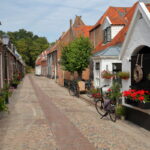
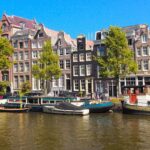
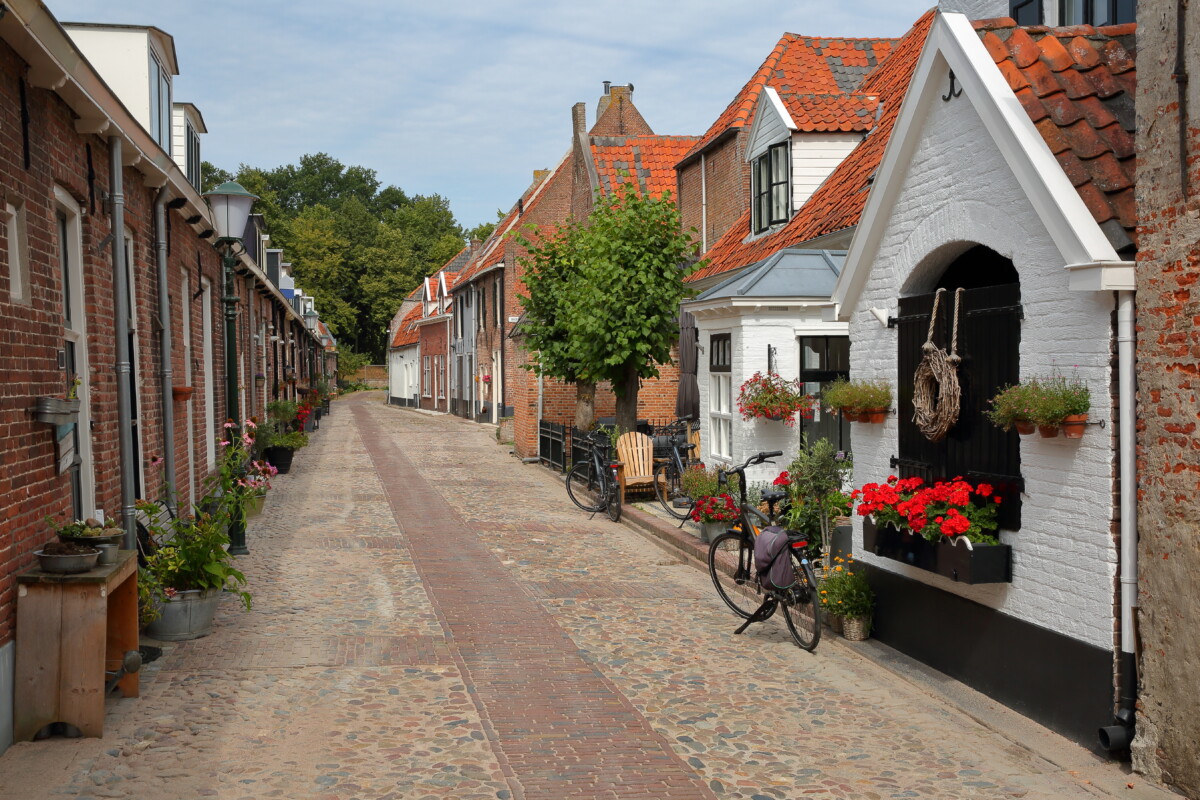
The Netherlands captivates visitors with its iconic landscapes of windmills, tulip fields, and intricate canal systems. This progressive Northern European nation seamlessly blends centuries of maritime heritage with contemporary design innovation and progressive social values. Beyond Amsterdam’s world-renowned museums and Golden Age architecture, the country offers authentic experiences in charming villages, historic trading ports, and pastoral countryside. Dutch culture emphasizes gezelligheid (coziness and conviviality), visible in canal-side cafés, vibrant markets, and cycling culture. The nation’s compact size belies its artistic significance as the birthplace of Rembrandt, Vermeer, and Van Gogh, alongside pioneering design movements. Culinary traditions featuring stroopwafels, herring, and artisanal cheeses complement an open, multilingual society where English is widely spoken. Whether exploring Utrecht’s medieval center, Rotterdam’s bold architecture, or the flowering Keukenhof gardens, visitors discover a visually distinctive country balancing tradition with forward-thinking innovation.
The destination guide
Netherlands
Country in EuropeUpdated
- Overall8/10
- Best forCouples
- PeakJul, Aug, Dec
- CurrencyEUR
Amsterdam gets all the attention, but Rotterdam’s architecture and Utrecht’s canals are where the Netherlands actually surprises you.
Browse all 11 destinations in Netherlands
Travel guides for Netherlands
Itineraries & day trips (2)
Things to do (27)
Where to stay (5)
Food & drink (3)
Travel tips & costs (2)
Destination stories (12)
More guides featuring Netherlands (25)
At a glance
- Dutch (official)
- West Frisian (official in Friesland)
- English very widely spoken (90%+)
- Flat polders
- Canal waterways
- Windmill landscapes
- Coastal dunes
- Culture
- Cycling
- Art
- History
- Flowers
- Architecture
How Netherlands scores
Editorial scores on a 10-point scale, weighed against destinations of the same kind.
Travel safety snapshot
SafePlace indicators use their source 100-point scale; higher is more favourable. Planning context, not a live travel advisory — check official government guidance before you go.
When to go
Best months to visit: April, May, June, July, August, September and October.
- January: 2.1 to 6.7 degrees Celsius, 79.3 millimetres of rain, best-time score 2 out of 5.
- February: 2.5 to 8 degrees Celsius, 76.7 millimetres of rain, best-time score 2 out of 5.
- March: 3.3 to 10.4 degrees Celsius, 60.5 millimetres of rain, best-time score 3 out of 5.
- April: 5.5 to 13.3 degrees Celsius, 60.3 millimetres of rain, best-time score 5 out of 5.
- May: 9.2 to 17.4 degrees Celsius, 65.7 millimetres of rain, best-time score 5 out of 5.
- June: 13.1 to 20.8 degrees Celsius, 77.5 millimetres of rain, best-time score 5 out of 5.
- July: 14.2 to 21.6 degrees Celsius, 83.7 millimetres of rain, best-time score 4 out of 5.
- August: 14.6 to 22 degrees Celsius, 71.8 millimetres of rain, best-time score 4 out of 5.
- September: 12.2 to 19.5 degrees Celsius, 78.5 millimetres of rain, best-time score 5 out of 5.
- October: 9.6 to 15.2 degrees Celsius, 105.7 millimetres of rain, best-time score 5 out of 5.
- November: 5.1 to 10 degrees Celsius, 77.3 millimetres of rain, best-time score 3 out of 5.
- December: 3.5 to 7.6 degrees Celsius, 79.7 millimetres of rain, best-time score 3 out of 5.
Month-by-month conditions and packing advice
- January
- Cold, some rain January in Netherlands: cold, dark winter conditions are less balanced for a broad Netherlands trip. Crowds: January in Netherlands is workable with normal seasonal planning; build in layers, weather checks, and a mix of indoor and outdoor activities. Pack: Pack warm layers, a coat, and comfortable shoes for cold mornings and evenings. Add a rain jacket or compact umbrella.
- February
- Cold, some rain February in Netherlands: cold, dark winter conditions are less balanced for a broad Netherlands trip. Crowds: February in Netherlands is workable with normal seasonal planning; build in layers, weather checks, and a mix of indoor and outdoor activities. Pack: Pack warm layers, a coat, and comfortable shoes for cold mornings and evenings. Add a rain jacket or compact umbrella.
- March
- Cool to mild, occasional rain March in Netherlands: cooler, wetter months shift the trip toward museums and city culture. Crowds: March in Netherlands is workable with normal seasonal planning; build in layers, weather checks, and a mix of indoor and outdoor activities. Pack: Pack layered clothing and comfortable walking shoes.
- April
- Cool to mild, occasional rain April in Netherlands: canals, cycling, museums, tulips or autumn color, coast trips, and city breaks balance daylight and moderate weather. Crowds: April in Netherlands is workable with normal seasonal planning; build in layers, weather checks, and a mix of indoor and outdoor activities. Pack: Pack layered clothing and comfortable walking shoes.
- May
- Cool to mild, occasional rain May in Netherlands: canals, cycling, museums, tulips or autumn color, coast trips, and city breaks balance daylight and moderate weather. Crowds: May in Netherlands is workable with normal seasonal planning; build in layers, weather checks, and a mix of indoor and outdoor activities. Pack: Pack layered clothing and comfortable walking shoes.
- June
- Mild to warm, some rain June in Netherlands: canals, cycling, museums, tulips or autumn color, coast trips, and city breaks balance daylight and moderate weather. Crowds: June in Netherlands is workable with normal seasonal planning; build in layers, weather checks, and a mix of indoor and outdoor activities. Pack: Pack layered clothing and comfortable walking shoes. Add a rain jacket or compact umbrella.
- July
- Mild to warm, some rain July in Netherlands: summer can be rewarding with higher crowds and prices planned in. Crowds: July in Netherlands is workable with normal seasonal planning; build in layers, weather checks, and a mix of indoor and outdoor activities. Pack: Pack layered clothing and comfortable walking shoes. Add a rain jacket or compact umbrella.
- August
- Mild to warm, some rain August in Netherlands: summer can be rewarding with higher crowds and prices planned in. Crowds: August in Netherlands is workable with normal seasonal planning; build in layers, weather checks, and a mix of indoor and outdoor activities. Pack: Pack layered clothing and comfortable walking shoes. Add a rain jacket or compact umbrella.
- September
- Cool to mild, some rain September in Netherlands: canals, cycling, museums, tulips or autumn color, coast trips, and city breaks balance daylight and moderate weather. Crowds: September in Netherlands is workable with normal seasonal planning; build in layers, weather checks, and a mix of indoor and outdoor activities. Pack: Pack layered clothing and comfortable walking shoes. Add a rain jacket or compact umbrella.
- October
- Cool to mild, some rain October in Netherlands: canals, cycling, museums, tulips or autumn color, coast trips, and city breaks balance daylight and moderate weather. Crowds: October in Netherlands is workable with normal seasonal planning; build in layers, weather checks, and a mix of indoor and outdoor activities. Pack: Pack layered clothing and comfortable walking shoes. Add a rain jacket or compact umbrella.
- November
- Cool to mild, some rain November in Netherlands: cooler, wetter months shift the trip toward museums and city culture. Crowds: November in Netherlands is workable with normal seasonal planning; build in layers, weather checks, and a mix of indoor and outdoor activities. Pack: Pack layered clothing and comfortable walking shoes. Add a rain jacket or compact umbrella.
- December
- Cold, some rain December in Netherlands: cooler, wetter months shift the trip toward museums and city culture. Crowds: December in Netherlands is workable with normal seasonal planning; build in layers, weather checks, and a mix of indoor and outdoor activities. Pack: Pack layered clothing and comfortable walking shoes. Add a rain jacket or compact umbrella.
- July
- August
- December
- January
- February
- March
Know before you go
About
The Netherlands, a low-lying country in northwestern Europe, is a compact, water-laced land famous for canals, tulips, windmills, and cycling. Home to about 18 million people, it has a notable quirk of governance: Amsterdam is the constitutional capital, while the government, parliament, and royal seat sit in The Hague. Amsterdam itself is the country’s cultural showpiece, its UNESCO-listed 17th-century canal ring threading past gabled houses and world-class museums like the Rijksmuseum, Van Gogh Museum, and Anne Frank House. Beyond the capital, the Netherlands rewards exploration: the springtime flower gardens of Keukenhof near Lisse, among the world’s largest, bloom with millions of bulbs each year; the historic windmills of Kinderdijk turn beside the polders; and cities like Rotterdam, Utrecht, and Delft offer modern architecture and old-world charm. Flat, friendly, and superbly connected by train and bike, the Netherlands packs an extraordinary amount of art, history, and scenery into a small, easily traveled country.
Best time to visit
Spring (April–May) for tulips and King’s Day; Summer (June–August) for outdoor festivals and long days; Autumn for fewer crowds
Season by season
Spring (Mar–May): tulips bloom, King’s Day on 27 April, pleasant cycling weather. Summer (Jun–Aug): longest days, outdoor festivals, terrace season, warmest weather (17–23 °C). Autumn (Sep–Nov): fall foliage, fewer tourists, cultural events, mild temperatures. Winter (Dec–Feb): Christmas markets, cozy cafés, occasional frozen-canal skating, lowest prices.
Crowds
High in Amsterdam spring/summer; moderate in other cities; low in winter
Getting there and around
Getting there
Amsterdam Schiphol Airport (AMS) is a major European hub with direct flights worldwide. Rotterdam-The Hague Airport (RTM) and Eindhoven (EIN) serve budget carriers. Thalys/Eurostar high-speed trains connect Amsterdam to Paris (3.5 h), Brussels (2 h), and London (4 h). FlixBus covers budget routes across Europe.
Getting around
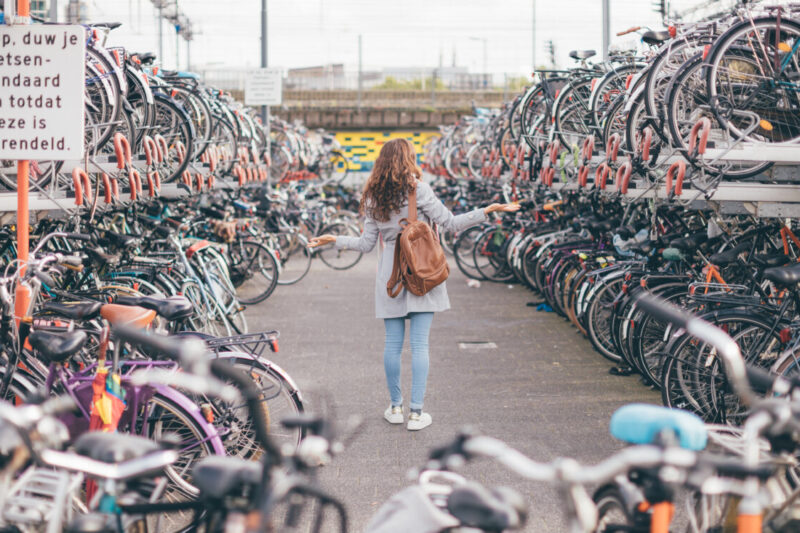
The Netherlands has one of Europe’s densest rail networks. NS (Dutch Railways) trains connect every major city within 2.5 hours. Use an OV-chipkaart (rechargeable transit card) for all trains, trams, buses, and metros. Cycling is the default mode of transport—over 32,000 km of bike paths crisscross the country, and bike rentals cost about €10/day. Amsterdam and Rotterdam have efficient metro systems.
Top experiences in Netherlands
Amsterdam Canal Ring
A UNESCO World Heritage Site of 17th-century concentric canals lined with narrow gabled houses, best explored by boat cruise or on foot along tree-lined quaysides.
Rijksmuseum, Amsterdam
The national museum of the Netherlands, housing Rembrandt’s The Night Watch, Vermeer’s The Milkmaid, and 8,000 exhibits spanning 800 years of Dutch art and history.
Keukenhof Gardens
The world’s largest flower garden, open mid-March to mid-May, displaying seven million tulips, daffodils, and hyacinths across 32 hectares of landscaped grounds near Lisse.
Kinderdijk Windmills
A UNESCO-listed ensemble of 19 18th-century windmills illustrating centuries of Dutch water-management engineering in the South Holland polder landscape.
Anne Frank House, Amsterdam
The wartime hiding place of Anne Frank, preserved as a biographical museum documenting her story and the persecution of Jewish people during World War II.
Editor-curated picks carried over from our original guide. Where a full place guide exists, the card links to it.










Worth booking ahead in Netherlands
Hand-picked from the operators our guides already send readers to. Prices and availability are live on the partner site.
Timed ticketGetYourGuide
Van Gogh Museum timed-entry ticket (opens GetYourGuide in a new tab)
The museum sells timed slots online only, so book the hour first and plan the rest of the day around it.
Day tripViator
Giethoorn day trip with village boat tour (opens Viator in a new tab)
Coach out, guided boat through the village, and back the same day without working out the train-and-bus connection.
Where to stayBooking.com
Stays in Netherlands (opens Booking.com in a new tab)
Live rates and availability for Netherlands on Booking.com; filter by neighbourhood once you know where your days start.
We earn a commission if you book through these links, at no extra cost to you. It is how we keep the guides free and independent.
Where to stay
Amstel Hotel (InterContinental)
Amstel 1, 1011 PN Amsterdam, Netherlands
A 5-star waterfront palace dating to 1867 on the banks of the Amstel River, with 175 rooms, a Michelin-starred restaurant, an indoor pool and spa, and views over the River Amstel.
Hotel The Grand Amsterdam
Professor Tulpplein 1, 1018 GX Amsterdam, Netherlands
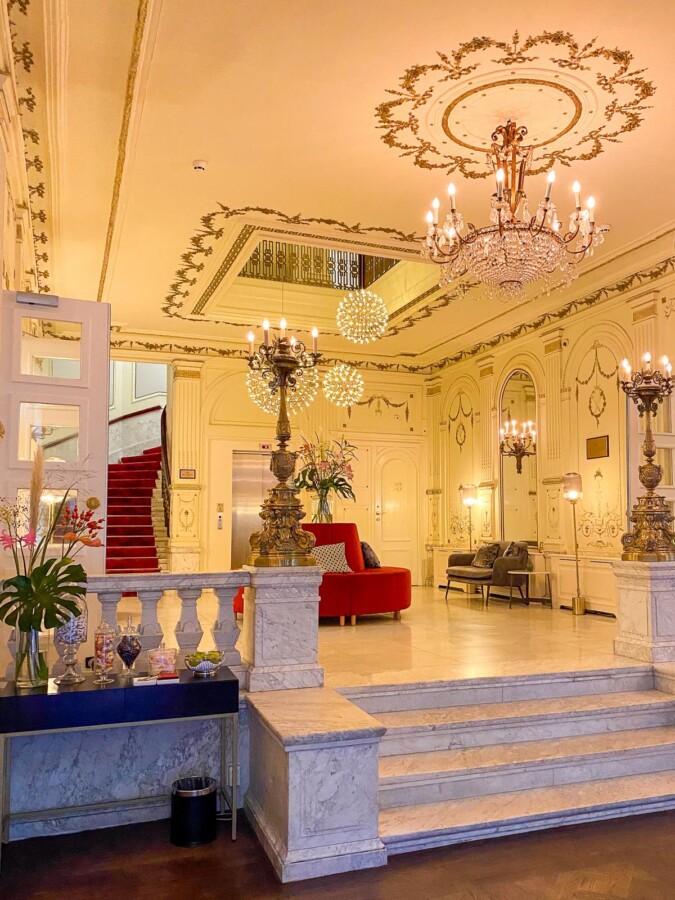
A 19th-century heritage hotel near the Hermitage Amsterdam, offering 111 rooms, a Michelin-starred restaurant, a conservatory lounge, gardens, and a romantic canal-side setting.
Mary K Hotel
Oudegracht 25, 3511 AB Utrecht, Netherlands
A converted 14th-century Gothic chapel in the heart of Utrecht, with 20 design rooms, stained-glass windows, a canal-side terrace, and a contemporary breakfast bar.
Editor-curated stays carried over from our original guide. Where we have reviewed the hotel, the card links to the review.
Tips from the field
Highlights
- Amsterdam Canal Ring — UNESCO 17th-century waterways
- Rijksmuseum & Van Gogh Museum — Dutch Masters and modern art
- Keukenhof Gardens — seven million tulips each spring
- Kinderdijk Windmills — UNESCO water-management icon
- King's Day (27 April) — nationwide orange street party
- Giethoorn — the 'Venice of the North
- Rotterdam — cutting-edge architecture and nightlife
Best activities
- Cruise Amsterdam's canals, cycle through tulip fields near Lisse, visit the Rijksmuseum and Van Gogh Museum, explore the Kinderdijk windmills, bar-hop through Rotterdam's Witte de Withstraat, take a boat through Giethoorn, hike De Hoge Veluwe National Park, attend King's Day celebrations.
Local experiences
- Cycle the Bollenstreek tulip route in April, take a canal cruise at dusk in Amsterdam, eat fresh herring from a street stall ('haringhappen'), visit the Aalsmeer flower auction (world's largest), explore Delft's pottery workshops, join a cheese market in Alkmaar or Gouda.
Practical tips
- Buy an OV-chipkaart at any train station for seamless public-transport travel.
- Book Keukenhof and Anne Frank House tickets online well in advance—they sell out.
- Rent a bike for the most authentic and efficient way to explore.
- Don't call the country 'Holland'—it's officially the Netherlands (Holland is only two provinces).
- Tap water is excellent and free everywhere.
Photography tips
- Amsterdam's Damrak waterfront and Reguliersgracht bridge are iconic reflections shots at dawn. Keukenhof tulip fields pop in overcast light (avoid harsh midday sun). Kinderdijk windmills are best at sunrise with ground fog. Use a polariser on canal reflections. Autumn colours along the Amstel River create warm compositions. Rotterdam's Cube Houses and Markthal are strong architectural subjects.
Timing
- Plan 5–7 days for Amsterdam plus day trips to Haarlem, Utrecht, and Kinderdijk. Add 2–3 days to explore Rotterdam, Delft, and The Hague. A full Netherlands circuit takes 10–14 days.
Keeping it authentic
- Regional identity is strong—Frisians speak their own official language, Limburg celebrates its Burgundian dining culture, and Zeelanders still hold local ringrijden jousting festivals. The Netherlands' famed tolerance and directness are genuine cultural traits. King's Day (27 April) transforms the entire country into an orange-clad street party, while Sinterklaas (5 December) remains a beloved family tradition.
Culture, customs and safety
Cultural heritage
A Golden Age maritime and trading power, the Netherlands holds 13 UNESCO World Heritage Sites—from the Amsterdam Canal Ring and Kinderdijk windmills to the Wadden Sea. Dutch Masters Rembrandt, Vermeer, and Van Gogh shaped Western art history. The country pioneered civil liberties, international law (Hugo Grotius), and water-management engineering. Intangible heritage includes Sint-Maarten lantern processions and the Limburg Carnival.
Local customs & etiquette
The Dutch value punctuality—arriving late without notice is considered rude. Greet with a firm handshake; close friends exchange three cheek kisses (right-left-right). Communication is famously direct—bluntness is a sign of honesty, not rudeness. Remove shoes when entering someone’s home. Wait to be served rather than helping yourself at dinner. Tip 5–10% in restaurants.
Safety notes
The Netherlands is generally safe, but pickpocketing is common in Amsterdam—especially around Central Station, the Red Light District, and on trams. Keep valuables secure and use anti-theft bags. Bicycle theft is widespread; always use two locks. Watch for cyclists when crossing bike lanes—they have right of way. Emergency number: 112.