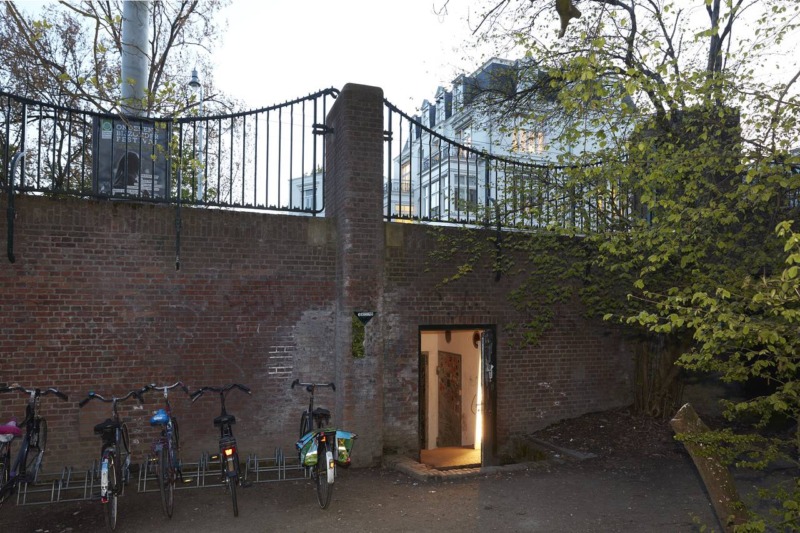
On the place of this artwork, there was during World War 2 a sign “forbidden for Jews to enter the park”. It was one of the first anti-Jewish measures by the Nazi. This artwork, a mirror, wants to invite you to think about what you would have done in 1940, when the anti-Jewish measures were introduced. Would you have come into action? And what will you do now, when you see somewhere racism, discrimination or intolerance. Can you look yourself right in the eyes? Do you look away, or do you say something, when you see injustice against someone of another race, religion, country of origin, skin color, appearance, sexual preference, disability, age, et cetera?
Global Influence
- Amsterdam’s Sign Language community has gained global recognition for its efforts in preserving and promoting sign language as a vital part of cultural heritage and communication (source: [The Preservation of Sign Language by George W. Veditz – YouTube](https://www.youtube.com/watch?v=XITbj3NTLUQ)).
- The city attracts a significant number of international visitors interested in exploring its diverse cultural landscape, including the vibrant Sign Language community and related cultural events (source: [Amsterdam – Wikipedia](https://en.wikipedia.org/wiki/Amsterdam)).
- Amsterdam’s Sign Language community has contributed to the global culture and art scene through various artistic expressions, performances, and educational initiatives, enriching the international cultural dialogue (source: [Imagining Global Amsterdam – Project MUSE](https://muse.jhu.edu/pub/315/oa_monograph/chapter/2366417)).
- Amsterdam has been involved in international collaborations and events focused on promoting and preserving sign language, fostering cross-cultural exchange and cooperation in the field of deaf culture and communication (source: [Imagining Global Amsterdam: History, Culture, and Geography in a …](https://www.jstor.org/stable/j.ctt6wp77n)).
Historical Impact
- Amsterdam has a rich historical legacy in the preservation and development of sign language, with significant historical events marking the evolution of sign language communication within the city and beyond.
- The architectural and archaeological significance of Amsterdam’s historical sites and buildings has shaped the environment for the city’s Sign Language community, reflecting the historical development of deaf culture and communication (source: [Seventeenth-Century Canal Ring Area of Amsterdam inside the …](https://whc.unesco.org/en/list/1349/)).
- Contributions to local and national history include the integration of sign language into educational and cultural institutions, contributing to the diverse linguistic and cultural fabric of the Netherlands (source: [A Short History of Amsterdam](https://www.amsterdamsights.com/about/history.html)).
- Notable historical figures associated with Amsterdam’s Sign Language community have played pivotal roles in advocating for the recognition and preservation of sign language as an essential aspect of cultural and linguistic heritage.
Preservation Efforts
- Current preservation projects in Amsterdam focus on documenting and safeguarding the history and evolution of sign language and promoting its continued use and visibility within the city and beyond.
- Organizations involved in preservation efforts include local cultural and educational institutions and advocacy groups dedicated to promoting the rights and cultural significance of sign language within the Netherlands (source: [The Dutch Influence—Today’s DAR Blog](https://blog.dar.org/dutch-influence)).
- Funding and support for preservation initiatives are provided by governmental bodies, cultural organizations, and international partners committed to upholding the cultural and linguistic heritage of sign language in Amsterdam (source: [Amsterdam | History, Population, Map, Climate, & Facts – Britannica](https://www.britannica.com/place/Amsterdam)).
- Community involvement in preservation efforts is evident through the active participation of individuals, educators, and advocates dedicated to raising awareness and promoting the importance of sign language preservation within Amsterdam’s diverse communities.
Historical Significance
Sign: And what would you do? It is a significant cultural symbol in Amsterdam, whose origins date back to the city’s rich history. The “XXX” sign, commonly associated with Amsterdam, has historical roots that trace back to the 16th century. The three St. Andrew’s crosses, which form the “XXX” symbol, were originally part of the city’s coat of arms and are said to represent the three perils that the city faced: floods, fire, and the Black Death. Over time, the symbol has become synonymous with the city’s identity and is prominently featured in various aspects of Amsterdam’s cultural heritage.
Cultural Importance
Sign: And what would you do? It holds immense cultural relevance within Amsterdam and beyond, symbolizing the city’s resilience and unity in adversity. The “XXX” symbol is deeply ingrained in local traditions, arts, and community activities, serving as a source of pride for the residents of Amsterdam. It is often used in festivals, events, and artistic expressions, showcasing its enduring influence on the city’s cultural landscape.
Architectural Style
While Sign: And what would you do? It is not a physical structure; the “XXX” symbol is prominently displayed on buildings, flags, and various city emblems throughout Amsterdam. Its architectural significance lies in representing the city’s historical and cultural identity rather than in specific design elements or styles.
Visitor Experience
Visitors to Amsterdam can expect to encounter the “XXX” symbol throughout the city, contributing to the overall ambiance and sense of place. While there may not be specific guided tours or exhibitions dedicated to the symbol, its presence enriches the cultural experience of exploring Amsterdam’s streets and landmarks, offering a tangible connection to the city’s history and heritage.
Accessibility and Amenities
Sign: What would you do as a symbol integrated into the city’s architecture and cultural fabric? It is accessible to all visitors exploring Amsterdam. The town provides amenities such as restrooms, cafes, and gift shops in various locations, ensuring a comfortable experience for families and individuals with diverse needs.
Best Time to Visit
- Quiet Morning Hours: Visit in the early morning to experience the monument in a peaceful setting. This allows for undisturbed reflection and a more personal connection with the installation.
- Late Afternoon Light: The mirror’s reflective qualities are most pronounced in the soft light of late afternoon, enhancing the photographic opportunities and the overall impact of the message.
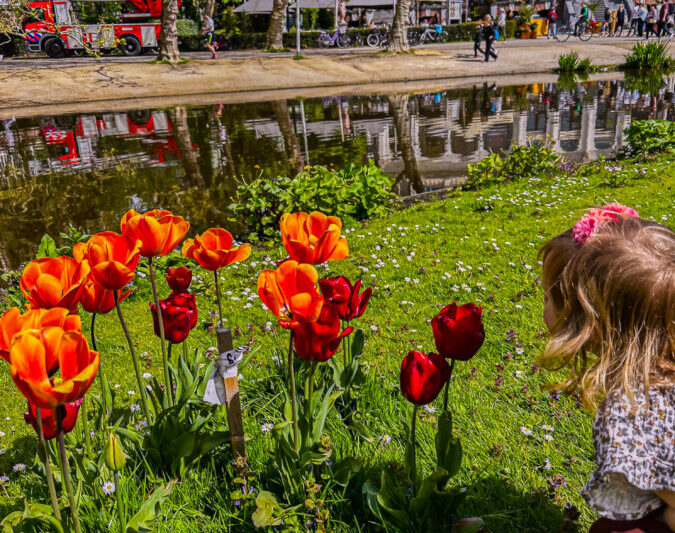
- Seasonal Consideration: Spring and early fall offer mild weather and fewer crowds, making these seasons ideal for a thoughtful visit and leisurely exploring Vondelpark and its historical monument.
Ratings and Reviews
While Sign: And what would you do? It may not be subject to traditional ratings and reviews, but the consensus among visitors and cultural enthusiasts is admiration for its historical significance and cultural resonance. Praises often highlight its role as a unifying symbol for Amsterdam, while complaints are rare due to its non-intrusive and pervasive nature.
Photographic Opportunities
Photographers visiting Amsterdam will find numerous opportunities to capture the iconic “XXX” symbol in various settings, including on buildings, flags, and public spaces. The symbol offers a timeless and photogenic representation of the city’s heritage, with recommended vantage points including iconic landmarks and scenic canals.
- Cultural Authenticity: The monument effectively maintains and represents the cultural memory associated with the restrictive policies against Jews during the Holocaust. The reflective design monumentalizes history while encouraging personal reflection. However, the lack of English explanations on-site slightly diminishes its universal accessibility. Overall, a rating of 85 reflects its strength in cultural authenticity with minor drawbacks.
- Cultural Richness and Educational Value: This art piece is a powerful catalyst for reflecting and discussing discrimination and human rights. While it is rich in its invitation for self-reflection, the lack of comprehensive on-site educational material, such as multilingual explanations or historical photos, reduces its educational completeness. Thus, it scores a 75 in this category.
- Preservation and Integrity: The monument is preserved well in its current form and remains relevant. However, additional efforts to provide historical context in a more user-friendly manner, especially for non-Dutch speakers, could enhance its preservation goals. Therefore, it receives a score of 70, acknowledging room for improvement.
- Accessibility and Visitor Engagement: The monument is located at the entrance of Vondelpark, making it accessible to a broad audience. Engagement is primarily reflective and passive, focusing on personal introspection without active or interactive elements. The absence of guided resources or interactive elements (apart from a QR code) limits deeper engagement; hence, it scores 60 in this category, indicating considerable potential for engagement enhancements.