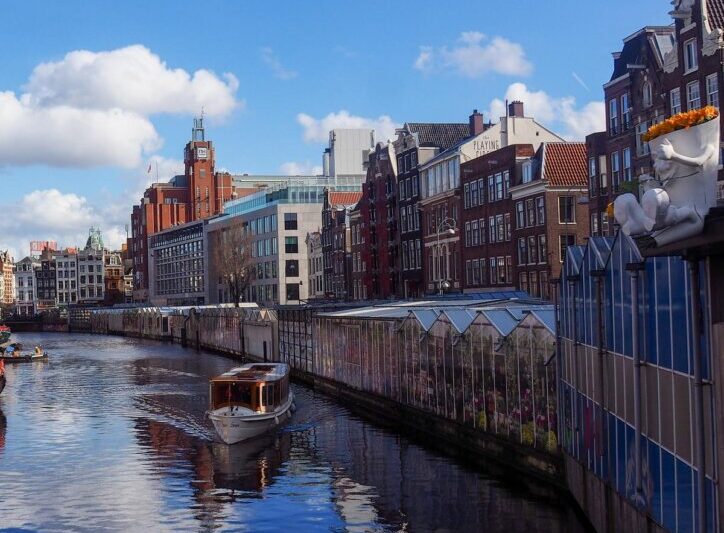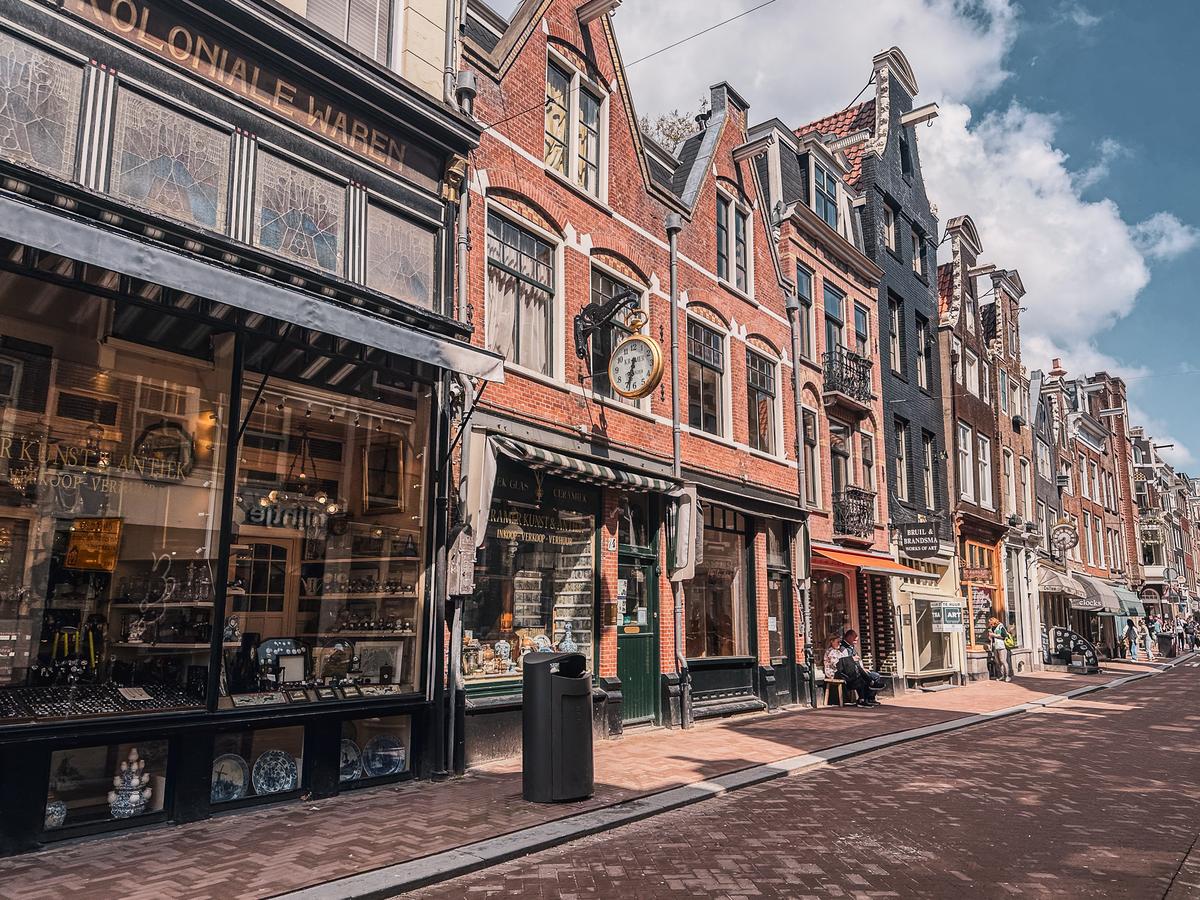
Connecting the majestic Rijksmuseum with the Herengracht canal, Amsterdam‘s Nieuwe Spiegelstraat has served as the heart of the city’s art and antiques trade since the early 20th century. This narrow, intimate street houses some of the Netherlands’ most respected dealers, whose storefronts showcase everything from Golden Age paintings and Delftware ceramics to Art Nouveau furniture and contemporary design pieces. Unlike sterile gallery districts in other capitals, Nieuwe Spiegelstraat maintains the authentic character of a working commercial street where serious collectors, decorators, museum curators, and curious tourists alike explore the approximately 20 specialist dealers housed in historic canal-era buildings. Many shops maintain the traditional Dutch aesthetic of large windows that allow passersby to look deeply into narrow, carefully arranged interiors, creating a natural gallery effect that blurs the boundary between public and private space. The street’s name (“New Mirror Street”) references the once-prominent mirror-making industry that supplied the ornate frames for wealthy merchants’ portraits during Amsterdam’s Golden Age. This rich mercantile history continues as the street hosts twice-yearly PAN Amsterdam art fairs that transform the neighborhood into an international marketplace. With the world-class museums at one end and the 17th-century canal houses at the other, Nieuwe Spiegelstraat embodies Amsterdam’s seamless integration of art commerce and everyday life across centuries.
Cultural Context
Nieuwe Spiegelstraat holds a significant place within Amsterdam’s cultural landscape as a premier destination for art lovers and antique collectors. This street has long been associated with the tradition of Dutch art appreciation, hosting numerous galleries and antique shops that showcase a wide range of artifacts, from 17th-century paintings to finely crafted furniture and decorative objects. The cultural practices surrounding this street are deeply rooted in the Dutch Golden Age’s reverence for craftsmanship and artistic heritage. Local customs often include leisurely strolls along the street to admire the curated displays, reflecting the Dutch value of blending everyday life with art and history. Additionally, Nieuwe Spiegelstraat often participates in city-wide cultural events, such as gallery nights and art fairs, which celebrate Amsterdam’s rich artistic traditions. The street’s connection to the Rijksmuseum further enhances its cultural significance, linking it to one of the most important repositories of Dutch art and history. As a cultural center, Nieuwe Spiegelstraat embodies the ongoing dialogue between past and present artistic expressions, making it a vital space for cultural exchange and appreciation in Amsterdam. The street’s cultural ambiance invites visitors to engage deeply with the artistic legacy of the city while supporting contemporary art commerce and preservation practices.
Historical Context
Nieuwe Spiegelstraat’s history is closely intertwined with Amsterdam’s development as a global center of trade and art during the Dutch Golden Age. Established in the 17th century, the street was originally part of the expanding canal ring that symbolized Amsterdam’s economic prosperity and urban planning ingenuity. Its name, which translates to “New Mirror Street,” likely refers to the tradition of mirror-making and artisan workshops that were once prevalent in the area. Over the centuries, Nieuwe Spiegelstraat evolved into a hub for antique dealers and art galleries, particularly gaining prominence in the 19th and 20th centuries as the appreciation for Dutch Old Masters and period antiques grew internationally. Key historical figures connected to the street include prominent art dealers and collectors who contributed to Amsterdam’s reputation as a center for fine art commerce. The street’s proximity to the Rijksmuseum, opened in 1885, further cemented its role in the art world, attracting visitors and connoisseurs alike. Throughout its history, Nieuwe Spiegelstraat has adapted to changing economic and cultural trends but has consistently maintained its identity as a locus for art and antiques. This historical continuity underscores its importance as a living repository of Amsterdam’s artistic and commercial heritage.