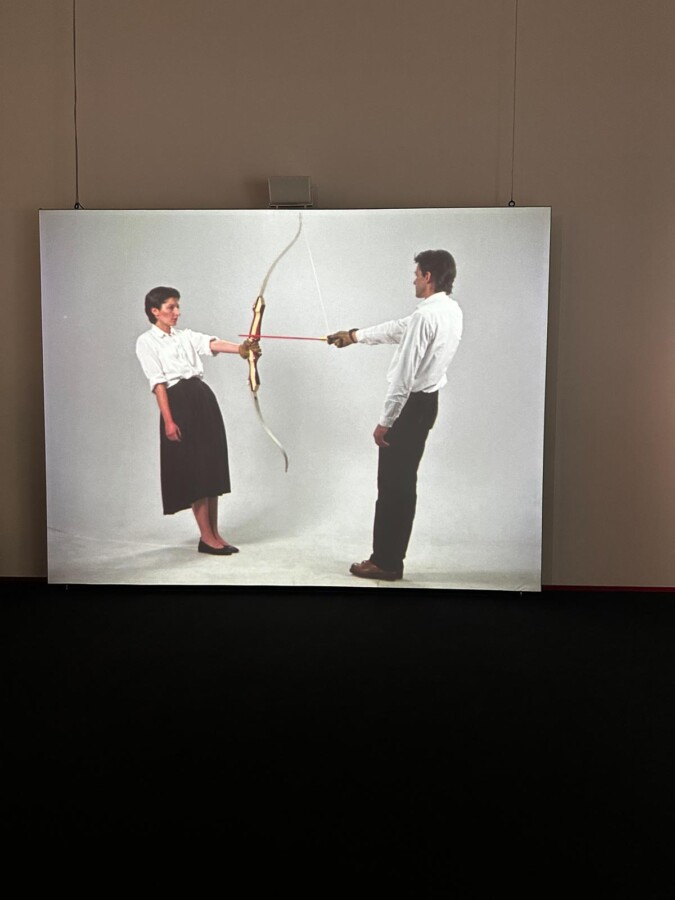
Established in 1874 and housed in its distinctive location on Amsterdam‘s Museumplein since 1895, the Stedelijk Museum stands as the Netherlands’ foremost institution for modern and contemporary art and design. The museum’s architectural identity juxtaposes its historic red-brick building with a bold, contemporary extension completed in 2012 that locals have nicknamed “the bathtub” for its smooth, white exterior. Inside, visitors encounter one of the world’s most significant collections of 20th and 21st-century artistic expression, comparable to New York’s Museum of Modern Art. The collection showcases influential movements from De Stijl and CoBrA to Pop Art and beyond, with works by masters such as Kandinsky, Chagall, Matisse, Appel, and Warhol alongside contemporary artists including Marlene Dumas and Rineke Dijkstra. The Stedelijk’s pioneering vision extends to its design collection, featuring icons of Dutch and international design history, and its dynamic exhibition program that continues to challenge conventional perspectives on art and society. The museum’s location on Museumplein places it in dialogue with Amsterdam’s other cultural institutions, creating a central hub for artistic exploration in the city.
Cultural Context
The Stedelijk Museum in Amsterdam holds a pivotal place in the cultural landscape of the Netherlands, serving as a beacon for modern and contemporary art within Dutch society. It reflects the progressive and innovative spirit of Amsterdam, a city known for its openness to artistic experimentation and cultural diversity. The museum actively engages with local traditions by hosting exhibitions that explore Dutch avant-garde movements such as De Stijl and CoBrA, connecting contemporary art to its historical roots. Additionally, the Stedelijk participates in major city-wide cultural events like the Amsterdam Art Weekend and the Museum Night, fostering a vibrant dialogue between artists, residents, and visitors. The museum’s programming often includes collaborations with local artists and educational initiatives aimed at nurturing creativity among youth, highlighting Amsterdam’s commitment to integrating art into everyday life. Through its exhibitions and community outreach, the Stedelijk Museum embodies the cultural dynamism of Amsterdam, reflecting the city’s dedication to innovation, diversity, and artistic freedom. It remains a vital institution that supports cultural exchange and sustains the creative legacy of the Netherlands in a global context.
Historical Context
Founded in 1874, the Stedelijk Museum has a rich history deeply intertwined with the evolution of modern art in the Netherlands and beyond. Originally established to collect and exhibit contemporary art and design, the museum opened its doors in its iconic Museumplein location in 1895. Over the decades, it has witnessed and contributed to major artistic movements, including Expressionism, De Stijl, and Abstract Art. The Stedelijk played a crucial role in promoting Dutch artists such as Piet Mondrian and Karel Appel, as well as international figures like Jackson Pollock and Andy Warhol, positioning Amsterdam as a hub for avant-garde art. The museum’s history also includes significant expansions and renovations, notably the controversial 2012 addition known as ‘The Bathtub,’ which modernized the institution’s facilities and exhibition spaces. Throughout its existence, the Stedelijk has adapted to changing artistic trends and sociopolitical contexts, reflecting broader historical shifts such as post-war reconstruction and globalization. Its archives and collections chronicle the development of 20th and 21st-century art, making the museum a vital repository of cultural memory and historical innovation.