MenuClose

A place worth knowing

Royal Concertgebouw

Entertainment · Concert hall in AmsterdamUpdated

  • Google rating4.7/5 (12,000 reviews)
  • Typical visitConcerts typically start at 8:15 pm and can last a few hours. For general exploration or a quick visit during non-performance times, 30-60 minutes may suffice, while attending a performance will require 2-3 hours.
  • EntranceAdmission required — check https://www.concertgebouw.nl/en for tickets
Concert
  • Today (Monday)Varies by performance
  • Typical visitConcerts typically start at 8:15 pm and can last a few hours. For general exploration or a quick visit during non-performance times, 30-60 minutes may suffice, while attending a performance will require 2-3 hours.
  • EntranceAdmission required — check https://www.concertgebouw.nl/en for tickets
  • Google rating4.7/5 12,000 reviews
  • WebsiteOfficial site ↗
Opening hours all week
Monday
Varies by performance
Tuesday
Varies by performance
Wednesday
Varies by performance
Thursday
Varies by performance
Friday
Varies by performance
Saturday
Varies by performance
Sunday
Varies by performance
Accessibility
"{"mobility": "Elevators to all levels, accessible restrooms available", "assistance": "Staff trained to assist visitors with accessibility needs", "facilities": "Hearing assistance devices available for performances", "wheelchairAccess": "Fully wheelchair accessible with advance seating arrangements"}"
The short answer

Why it matters

One of the world's most acoustically acclaimed concert halls (built 1888), home to the Royal Concertgebouw Orchestra, hosting over 900 concerts, free Wednesday lunchtime recitals, and guided tours.

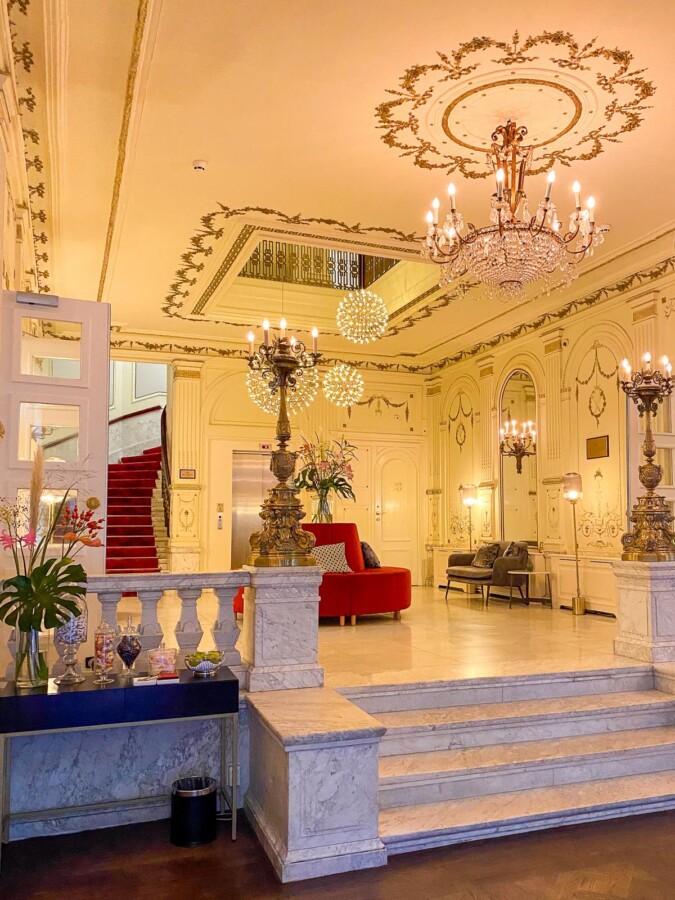
The Royal Concertgebouw stands as one of the world’s most acoustically perfect concert halls, revered globally alongside Vienna’s Musikverein and Boston’s Symphony Hall. Inaugurated in 1888 and located at Amsterdam‘s Museum Square, this neo-Renaissance masterpiece features a magnificent Main Hall with renowned “shoebox” acoustics that provide exceptional sound clarity and resonance. The venue hosts approximately 700 performances annually, from classical symphonies to contemporary jazz, drawing music enthusiasts worldwide. Home to the Royal Concertgebouw Orchestra, consistently ranked among the world’s finest symphonic ensembles, the hall’s illustrious history includes performances by legendary conductors and soloists. The building’s architectural grandeur, with its ornate ceilings, elegant chandeliers, and exquisite detailing, creates an atmosphere of cultural refinement. Beyond its musical significance, the Concertgebouw represents Dutch cultural heritage at its finest, offering visitors an authentic artistic experience in the heart of Amsterdam’s cultural district.

Cultural Context

The Royal Concertgebouw holds a central place in Dutch cultural life as a premier venue for classical music and the performing arts. It embodies the Netherlands’ deep appreciation for music, particularly symphonic and chamber music, serving as a hub where local traditions of musical excellence meet international artistry. The hall regularly hosts the Royal Concertgebouw Orchestra, one of the world’s leading orchestras, which has been instrumental in fostering a rich tradition of live classical performances since its inception. The venue also embraces a wide range of musical genres, including jazz and contemporary music, reflecting Amsterdam’s diverse and progressive cultural landscape. Annual events such as the Holland Festival and the Amsterdam Music Festival often feature performances at the Concertgebouw, reinforcing its role as a focal point for cultural celebrations in the city. Additionally, the Concertgebouw participates in community outreach and educational programs, nurturing young musicians and promoting music appreciation among Amsterdam’s residents. This cultural institution not only preserves classical music traditions but also adapts to contemporary cultural expressions, making it a dynamic space where heritage and innovation coexist harmoniously. The Royal Concertgebouw remains a symbol of Dutch cultural pride and artistic achievement, deeply integrated into the social and cultural fabric of Amsterdam.

Historical Context

The Royal Concertgebouw was officially opened on April 11, 1888, marking a significant milestone in Amsterdam’s cultural history. The initiative to build the concert hall was driven by the need for a world-class venue to accommodate the growing interest in orchestral music in the Netherlands during the late 19th century. Designed by architect Adolf Leonard van Gendt, the Concertgebouw was constructed on the site of the former Paleis voor Volksvlijt, a grand exhibition hall destroyed by fire in 1929. Over the decades, the Concertgebouw has witnessed numerous historical events, including performances by legendary conductors such as Willem Mengelberg and Bernard Haitink, who shaped the hall’s artistic reputation. The hall’s history also reflects broader European cultural shifts, surviving through two World Wars and adapting to the evolving tastes of audiences. In 1988, the Concertgebouw was granted the royal designation, emphasizing its national importance. The building has undergone several renovations and expansions, notably the 1998 extension that added a smaller hall for chamber music. Throughout its history, the Concertgebouw has remained a beacon of artistic excellence, continuously evolving while maintaining its original mission to elevate musical culture in the Netherlands and beyond.


Context

Story and significance

About

The Royal Concertgebouw is Amsterdam’s premier concert hall, celebrated for its exceptional acoustics and a full classical programme ranging from symphony orchestra concerts to chamber music and solo recitals. The ornate, late-19th-century main hall still attracts world-class orchestras and conductors, and guided tours explain the building’s architecture and acoustic design. Tickets can sell out for popular performances, so book in advance or check the schedule for matinees and student-priced seats. The venue also houses a café and a box office that can advise on seating and repertoire.

Historical significance

Completed in 1888, the Royal Concertgebouw has been the epicenter of Dutch classical music for over 135 years. Designed by Adolf Leonard van Gendt, the building was acoustically engineered to perfection without modern technology. The resident Royal Concertgebouw Orchestra, granted royal status by Queen Beatrix in 1988 on its centenary, is considered one of the world’s finest orchestras. The venue has hosted every major classical artist and remains a pilgrimage site for music lovers worldwide, representing the pinnacle of European concert hall tradition.

Historical context

The Royal Concertgebouw was officially opened on April 11, 1888, marking a significant milestone in Amsterdam’s cultural history. The initiative to build the concert hall was driven by the need for a world-class venue to accommodate the growing interest in orchestral music in the Netherlands during the late 19th century. Designed by architect Adolf Leonard van Gendt, the Concertgebouw was constructed on the site of the former Paleis voor Volksvlijt, a grand exhibition hall destroyed by fire in 1929. Over the decades, the Concertgebouw has witnessed numerous historical events, including performances by legendary conductors such as Willem Mengelberg and Bernard Haitink, who shaped the hall’s artistic reputation. The hall’s history also reflects broader European cultural shifts, surviving through two World Wars and adapting to the evolving tastes of audiences. In 1988, the Concertgebouw was granted the royal designation, emphasizing its national importance. The building has undergone several renovations and expansions, notably the 1998 extension that added a smaller hall for chamber music. Throughout its history, the Concertgebouw has remained a beacon of artistic excellence, continuously evolving while maintaining its original mission to elevate musical culture in the Netherlands and beyond.

Cultural context

The Royal Concertgebouw holds a central place in Dutch cultural life as a premier venue for classical music and the performing arts. It embodies the Netherlands’ deep appreciation for music, particularly symphonic and chamber music, serving as a hub where local traditions of musical excellence meet international artistry. The hall regularly hosts the Royal Concertgebouw Orchestra, one of the world’s leading orchestras, which has been instrumental in fostering a rich tradition of live classical performances since its inception. The venue also embraces a wide range of musical genres, including jazz and contemporary music, reflecting Amsterdam’s diverse and progressive cultural landscape. Annual events such as the Holland Festival and the Amsterdam Music Festival often feature performances at the Concertgebouw, reinforcing its role as a focal point for cultural celebrations in the city. Additionally, the Concertgebouw participates in community outreach and educational programs, nurturing young musicians and promoting music appreciation among Amsterdam’s residents. This cultural institution not only preserves classical music traditions but also adapts to contemporary cultural expressions, making it a dynamic space where heritage and innovation coexist harmoniously. The Royal Concertgebouw remains a symbol of Dutch cultural pride and artistic achievement, deeply integrated into the social and cultural fabric of Amsterdam.

Architecture

The Royal Concertgebouw is a masterpiece of 19th-century architecture, designed by Adolf Leonard van Gendt in a neo-Renaissance style that combines grandeur with refined elegance. Its most celebrated architectural feature is its acoustically perfect main hall, renowned worldwide for its clarity and warmth of sound, often compared to the Vienna Musikverein. The building’s facade is characterized by symmetrical proportions, ornate detailing, and the use of red brick with sandstone accents, which reflect the architectural trends of the period. Inside, the main auditorium features a traditional shoebox shape, a design known to enhance acoustic performance, with a high vaulted ceiling, intricate plasterwork, and elegant chandeliers contributing to its visual splendor. The interior layout was carefully planned to optimize sound distribution, with wooden paneling and carefully placed balconies that help create the hall’s signature acoustics. The 1998 expansion introduced the Kleine Zaal (Small Hall), designed with a modern approach yet respectful of the original building’s aesthetic. This blend of historical and contemporary architectural elements demonstrates the Concertgebouw’s commitment to preserving its heritage while accommodating modern performance needs. Overall, the Concertgebouw’s architecture not only serves a functional purpose but also symbolizes Amsterdam’s cultural aspirations during the late 19th century.

Local significance

For Amsterdam’s residents, the Royal Concertgebouw is more than a concert hall; it is a cherished cultural landmark that embodies the city’s artistic identity and communal spirit. It serves as a gathering place where locals experience world-class music in an environment that fosters both inspiration and social connection. The Concertgebouw’s presence enhances Amsterdam’s reputation as a city of culture and creativity, contributing significantly to the local economy through tourism and cultural events. Many Amsterdam citizens have personal or familial ties to the hall, attending concerts from childhood or participating in its educational programs. The venue also plays a role in local festivals and celebrations, often hosting special concerts that mark national holidays or city-wide cultural events. Community outreach initiatives further strengthen its bond with the public by making classical music accessible to diverse audiences, including underserved groups. The hall’s iconic status is reflected in local pride and frequent references in Dutch arts and media. Its impact extends beyond entertainment, influencing daily life by nurturing a vibrant cultural atmosphere that encourages artistic engagement throughout Amsterdam. The Royal Concertgebouw remains a vital institution that enriches the cultural and social fabric of the city.

Experience

Make the most of it

Local tips
  • Check for combo tickets with nearby attractions
  • Gift shops have unique souvenirs
  • Museum cafes often serve quality local food
  • Visit during weekdays for fewer crowds
  • Special exhibitions require separate tickets
  • Late night openings often have special events
  • Members get free entry and skip lines
Hidden gems nearby
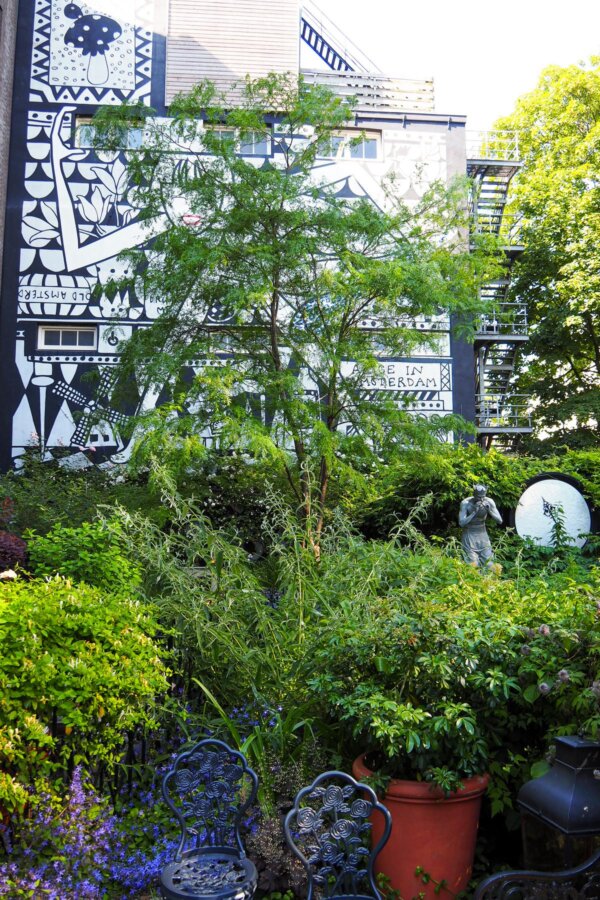
  • Hidden courtyards perfect for photos
  • Archive rooms sometimes open for special tours
  • Rooftop terraces often have great city views
  • Staff recommendations for must-see pieces
  • Lesser-known wings have amazing collections
  • Free guided tours at specific times
  • Secret passages between galleries
Special features
  • The Royal Concertgebouw is distinguished by its exceptional acoustics, which have earned it a reputation as one of the finest concert halls in the world. The main hall’s design, with its shoebox shape and carefully calibrated interior materials, creates a sound experience that is both intimate and powerful, allowing audiences to hear every nuance of the performance. The hall is also home to the Royal Concertgebouw Orchestra, whose residency adds to the venue’s prestige and artistic vitality. Among its notable features is the Kleine Zaal, a smaller, more intimate space ideal for chamber music and solo recitals, which complements the grandeur of the main auditorium. The building houses a remarkable collection of historic musical instruments and archival materials related to Dutch music history, underscoring its role as a cultural repository. Additionally, the Concertgebouw is equipped with state-of-the-art lighting and stage technology, enabling it to host a variety of events beyond classical concerts, including jazz, pop, and multimedia performances. The hall’s elegant interior, featuring detailed woodwork, plush seating, and ornate chandeliers, enhances the overall experience for visitors. These unique elements combine to make the Royal Concertgebouw not only an architectural gem but also a vibrant center for musical innovation and preservation.
Editorial scores

How we rate it

Authenticity9/10
Accessibility score8/10
Family-friendly score7/10
Off-the-beaten-path4/10

Editorial scores on a 10-point scale, judged against places of the same kind.

Bookable experiences

Worth booking ahead in Amsterdam

Hand-picked from the operators our guides already send readers to. Prices and availability are live on the partner site.

We earn a commission if you book through these links, at no extra cost to you. It is how we keep the guides free and independent.

Updated Data: Editorial research · Google Places ratings · Verified coordinates