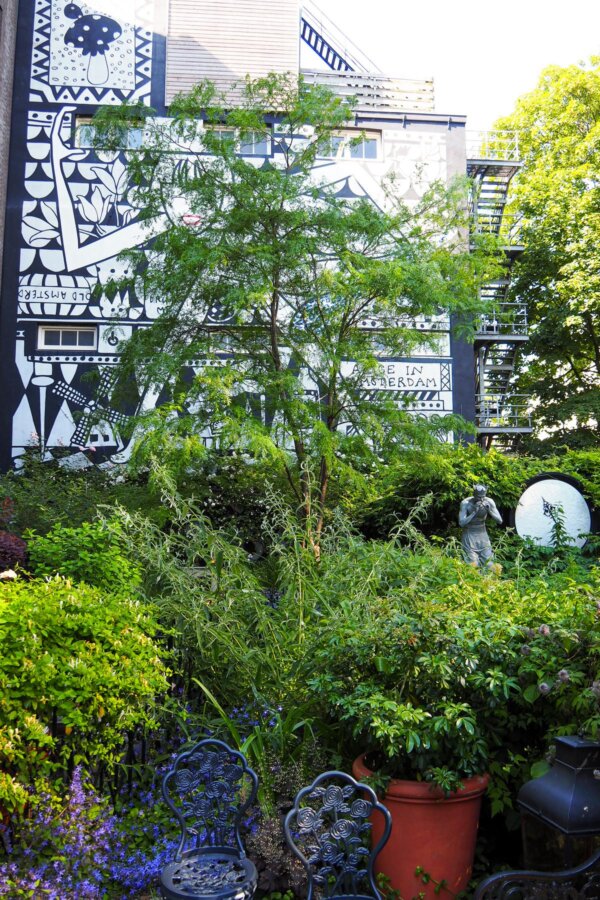
Created for the 1972 Floriade horticultural exhibition, Amstelpark offers Amsterdam residents and visitors a 45-hectare sanctuary of botanical splendor and thoughtful landscape design. Unlike the city’s more tourist-frequented Vondelpark, this verdant retreat maintains a predominantly local atmosphere, with specialized gardens showcasing remarkable plant diversity. The meticulously maintained Rhododendron Garden bursts with color each spring, while the Japanese Garden creates moments of zen-like tranquility with its carefully positioned stones, pruned trees, and reflective pond surfaces. Throughout the grounds, contemporary sculptures emerge unexpectedly among the greenery, creating a dialogue between art and nature. Families particularly appreciate the park’s whimsical features: a nostalgic narrow-gauge railway circling the perimeter, a midcentury modernist mini-golf course, and a small animal farm delighting younger visitors. The Orangerie café housed in an elegant glass conservatory serves seasonal dishes utilizing herbs and vegetables grown on-site, embodying the park’s sustainability ethos. Though deliberately positioned away from Amsterdam’s center in the southern Rivierenbuurt district, Amstelpark rewards those seeking authentic local experiences with its thoughtfully designed spaces for both active recreation and contemplative nature connection.
Cultural Context
Amstelpark embodies the Dutch tradition of transforming international horticultural exhibitions into permanent community assets, representing the nation’s commitment to accessible green spaces and botanical education. Created for the 1972 Floriade international exhibition, the park maintains the original ethos of cultural exchange through plants, showcasing global garden traditions from Japanese Zen aesthetics to Belgian monastery designs. The preservation of exhibition elements reflects Dutch values of sustainability and long-term community investment rather than temporary spectacle. Local families have adopted the park as their extended backyard, creating multi-generational traditions around seasonal blooms, birthday celebrations in the petting zoo, and weekend picnics in themed gardens. The park’s narrow-gauge railway, miniature golf, and public piano embody Dutch recreational culture that prioritizes simple pleasures and intergenerational activities. Unlike tourist-focused attractions, Amstelpark functions as authentic community infrastructure where elderly residents practice tai chi in the Japanese Garden, parents teach children about plants in the rhododendron valley, and local artists find inspiration among the 139 species of blooming shrubs during April and May displays.
Historical Context
Amstelpark’s history began with the ambitious 1972 Floriade international horticultural exhibition, part of the Netherlands’ post-war reconstruction efforts to showcase environmental innovation and international cooperation. The exhibition transformed unused land in Amsterdam-Zuid into a world-class botanical showcase, attracting over 4 million visitors and establishing the Netherlands as a leader in landscape architecture and sustainable urban planning. The decision to preserve the exhibition infrastructure as a permanent public park reflected changing attitudes toward urban green space during the environmental movement of the 1970s. The 2001 renovation of the Japanese Garden commemorated 400 years of Dutch-Japanese diplomatic relations, adding historical depth to the park’s international character. The park survived significant challenges including tree disease in the 1990s that destroyed 30% of mature specimens, leading to comprehensive replanting efforts that strengthened biodiversity and disease resistance. The restoration of the historic Riekermolen windmill (originally built in 1636) connected the park to Amsterdam’s pre-industrial heritage, creating a timeline spanning four centuries of Dutch environmental management and cultural preservation.