


Slide Rock State Park
Slide Rock pairs a historic orchard with Oak Creek Canyon scenery. Swim areas are closed until October 1, 2026; check the park’s notice before visiting.
These are the green spaces and national, state, and city parks worth planning around — for hiking, picnics, wildlife, or simply slowing down. Some of the busiest parks still use timed-entry or vehicle reservations in peak season, so confirm the rules before arriving, and go early to beat both the crowds and the midday heat.
Slide Rock pairs a historic orchard with Oak Creek Canyon scenery. Swim areas are closed until October 1, 2026; check the park’s notice before visiting.
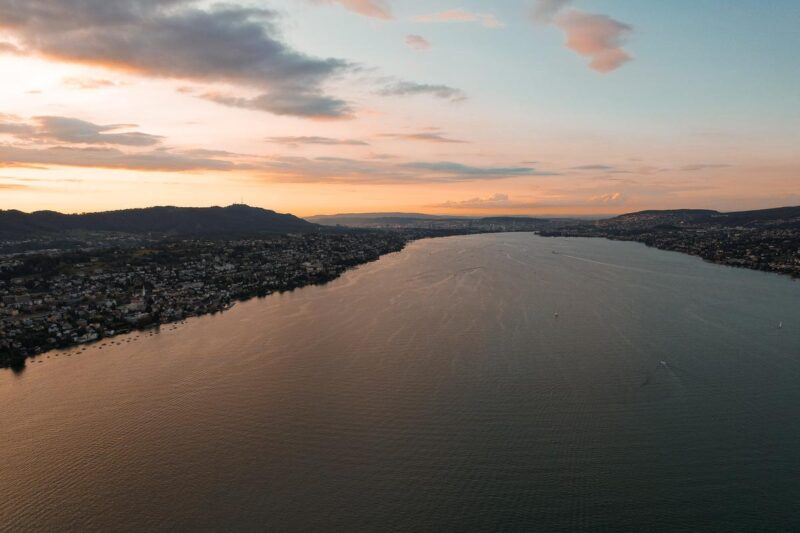
Zürichsee isn’t a backdrop — locals swim here before work, sail on weekends, and eat fondue on the water in winter.
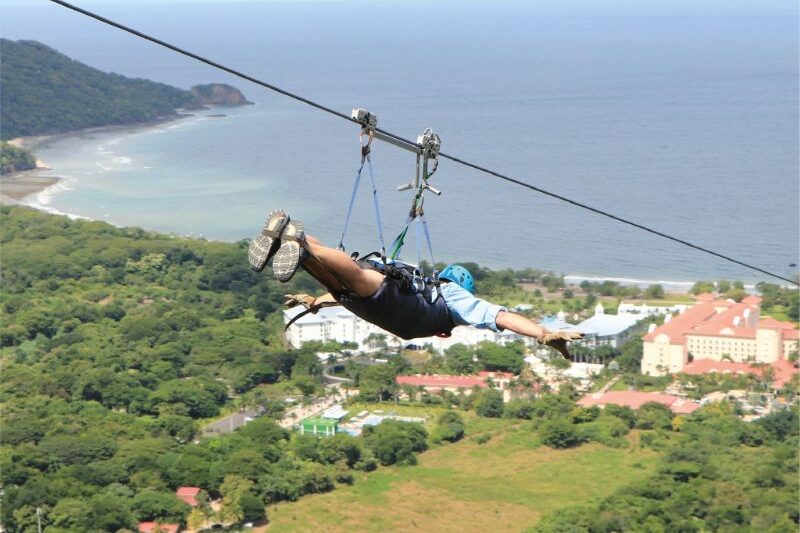
Diamante fits jaguars, a 55 mph ocean-view zipline, and snorkeling at Playa Penca into one 500-acre dry forest park — and none of it feels rushed.
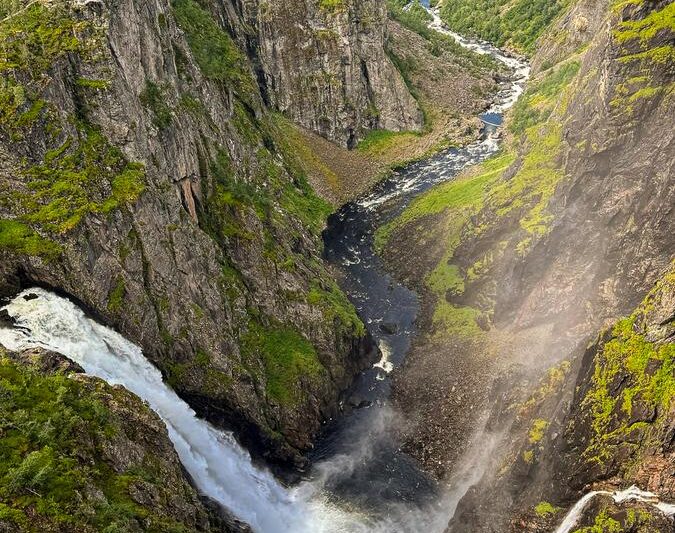
Safossen drops 365 meters in five steps along the E134 — 6 kilometers before Låtefossen and a fraction of the crowds.
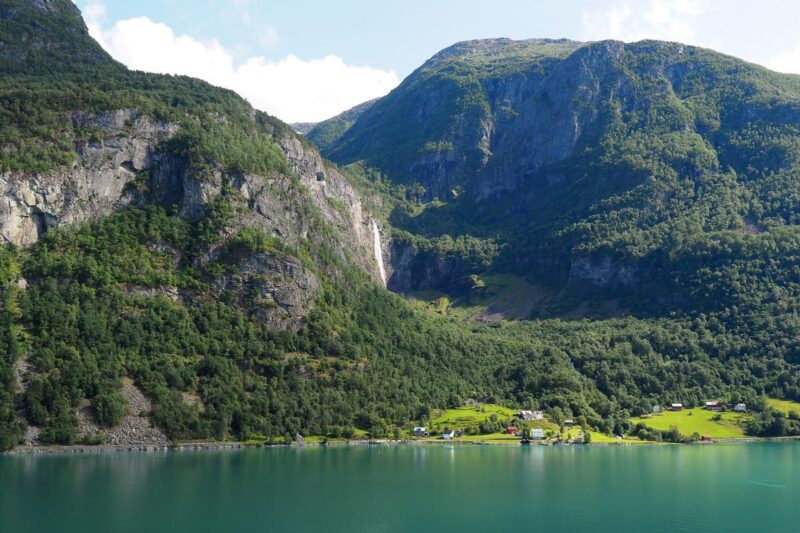
At 218 meters, Feigumfossen drops in one unbroken ribbon — and somehow most Norway itineraries still skip it for Sognefjord.

The falls are obvious. What most Boston day-trippers miss: Inniskillin’s ice wine and the Haudenosaunee history that predates every tourist trap.

Como Zoo is free, has been free since 1897, and somehow still surprises people. The conservatory alone justifies the detour from downtown St. Paul.
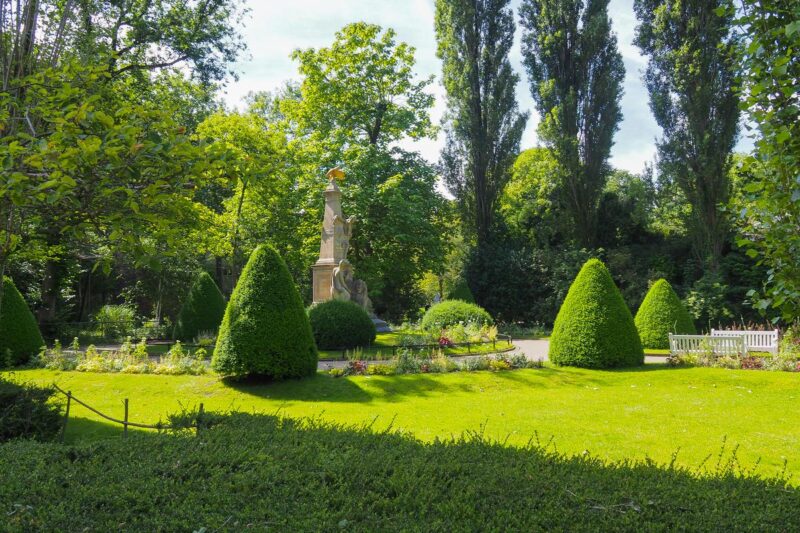
Artis is nearly 190 years old and still feels nothing like a typical zoo — the 1882 aquarium and Micropia alone justify the ticket.
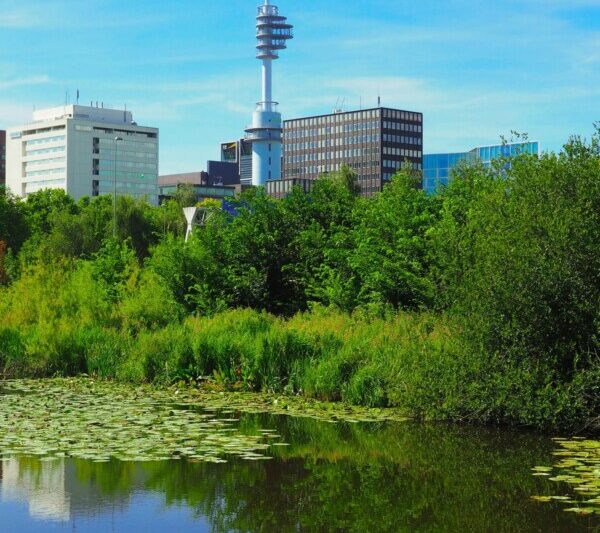
St. James’s Park sits between Buckingham Palace and Horse Guards Parade — 57 acres where pelicans have lived since 1664.
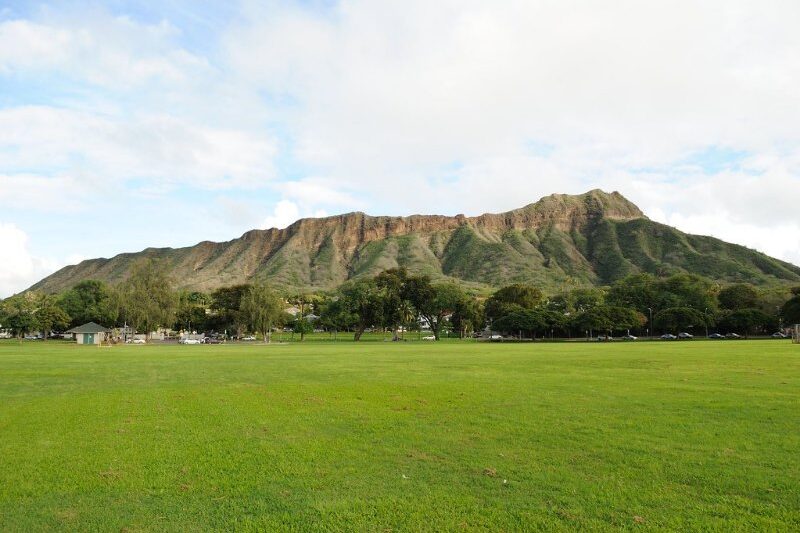
Kapiolani Park is where Honolulu actually lives — Royal Hawaiian Band, outrigger canoes, and 300 acres the tourists mostly walk past.
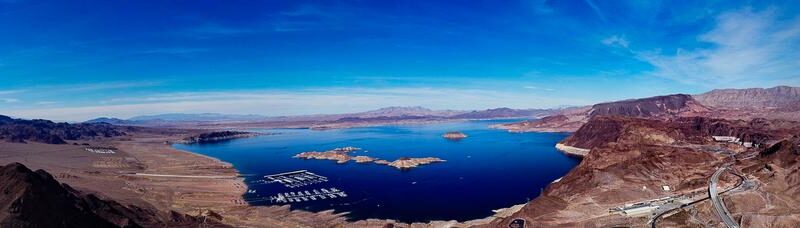
Moraine Lake’s turquoise water peaks in late June — that color is real, it’s glacial rock flour, and it’s worth rearranging your whole Banff itinerary.

Moraine Lake gets the photos, but the Icefields Parkway is where Banff actually earns its reputation.
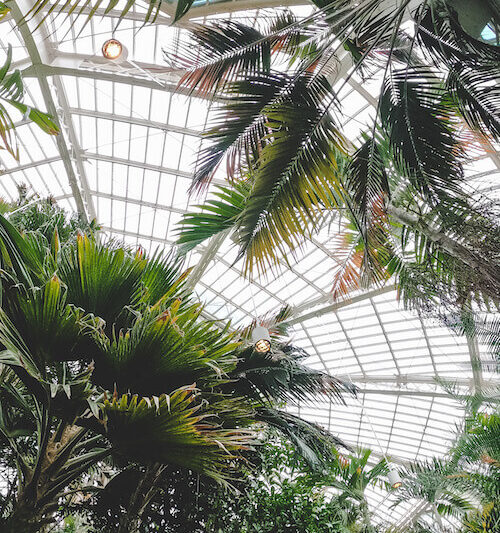
Stanley Park’s 8.8 km Seawall costs nothing and outperforms every Vancouver tour package. Budget 3 hours minimum — most people need more.

The Vancouver Aquarium has rescued over 150 marine mammals a year since 1956 — and you can watch that work up close.

That turquoise color isn’t a filter — it’s rock flour from the Victoria Glacier. Get there before 8am or accept the crowds.

A 30-minute battle in 1759 shaped all of Canada. Walking these 98 hectares above the St. Lawrence, that weight is hard to shake.
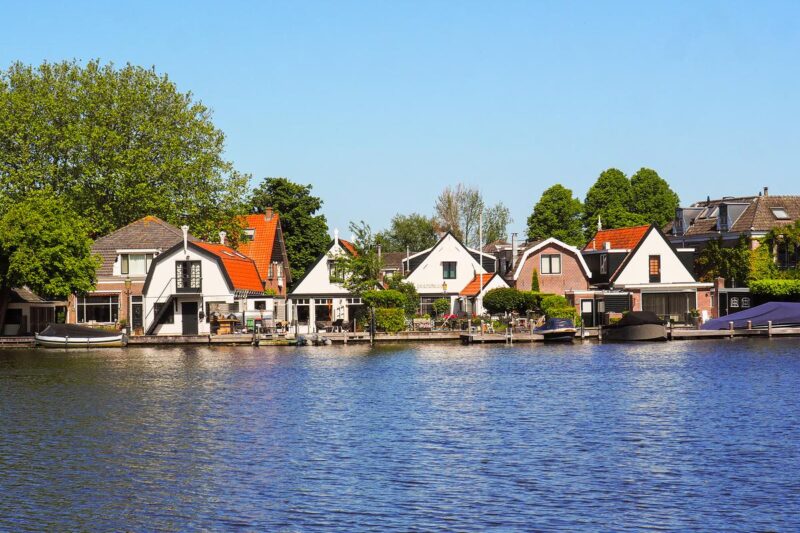
Amsterdam literally means ‘dam on the Amstel’ — the river didn’t just name the city, it built it.
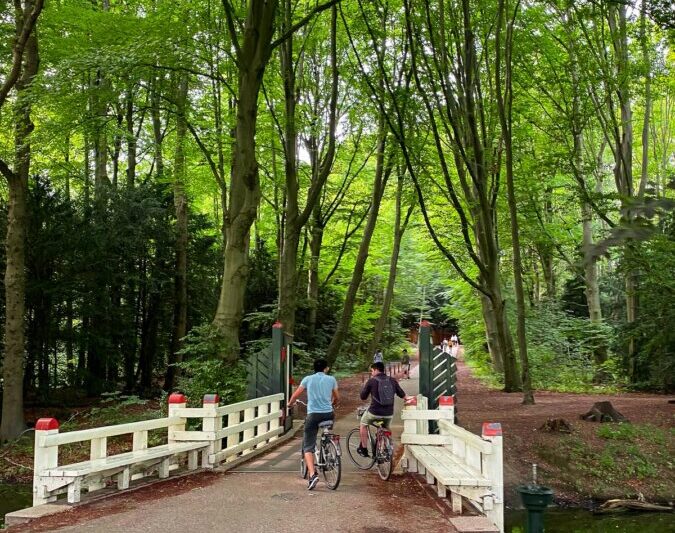
Amsterdamse Bos is three times the size of Central Park and barely on the tourist radar. That’s exactly why you should go.
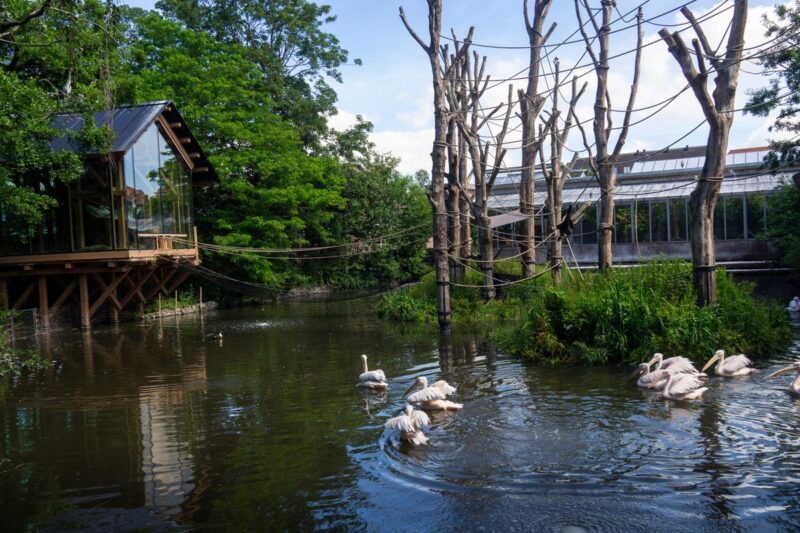
Artis isn’t just a zoo — it’s a 186-year-old park where peacocks roam free during summer concerts and a microbe museum predates most cities’ transit systems.

Skip the premium dinner cruise — a €15 Vedettes ticket gets you the same Eiffel Tower views without the mediocre food.
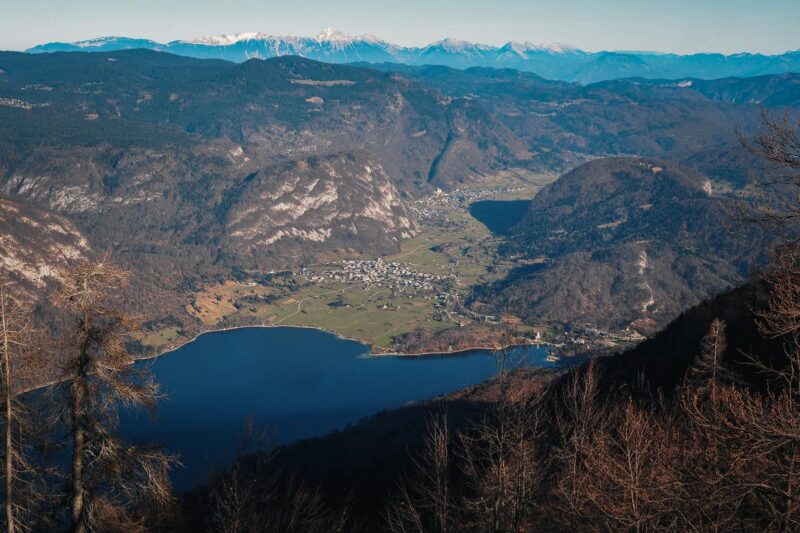
Lake Bled gets the crowds. Bohinj gets the Alps reflected in water so clear you can see the bottom from a kayak.

Kruger is 7,500 square miles of bush where lions cross the road and no one honks. Self-drive safaris here cost a fraction of guided tours.

The Great Migration crosses the Mara River July–October. Two million animals, real predators, no fences — plan around this or regret it.

The crater floor holds more lions per square mile than almost anywhere on earth. Maasai still graze cattle here — that tension is the whole point.