MenuClose

A place worth knowing

Artis Zoo

Museums · Zoo in AmsterdamUpdated

  • Google rating4.4/5 (18,000 reviews)
  • Typical visit3-5 hours average visit, longer if visiting all museums (zoo, micropia, grooteMuseum) and attending seasonal events.
  • EntranceAdmission required — check https://www.artis.nl/en for tickets
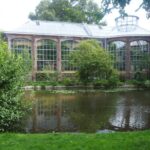
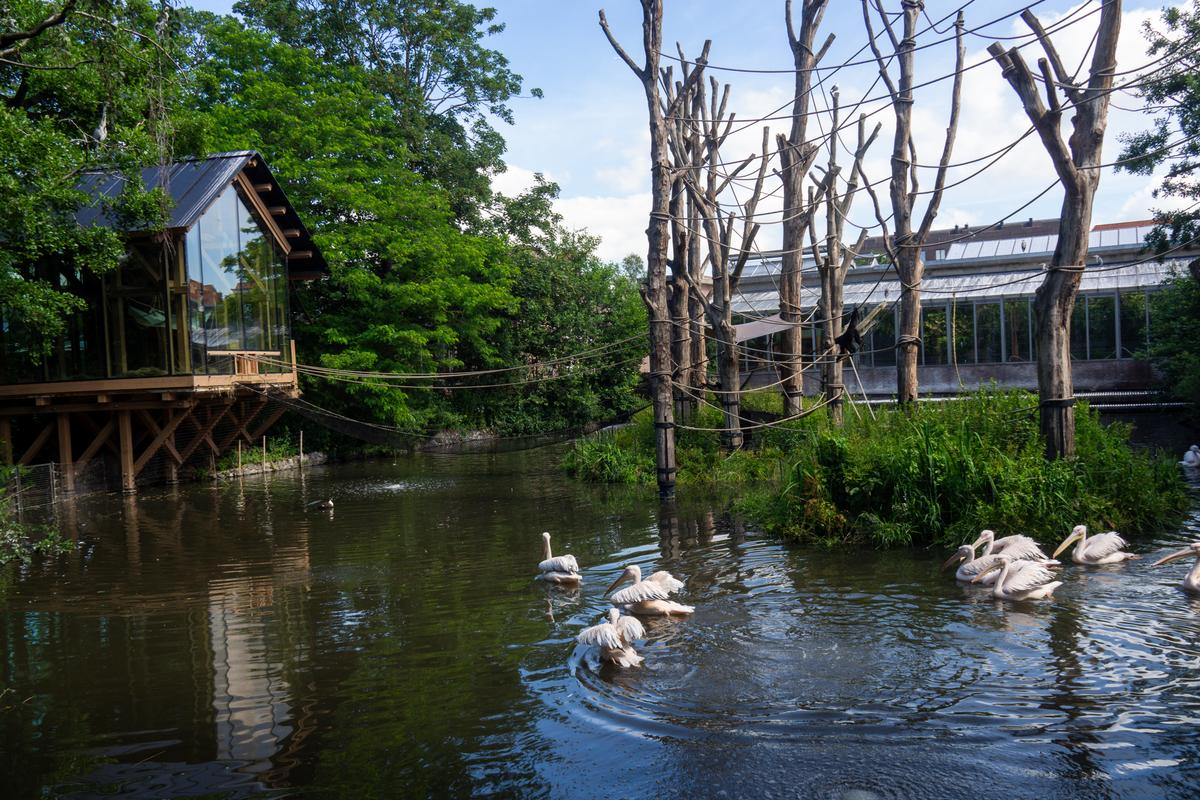
Pelicans in pond at ARTIS Zoo Amsterdam with modern glass background
Kyle Kroeger / ViaTravelers
  • Today (Monday)9:00 AM – 6:00 PM
  • Typical visit3-5 hours average visit, longer if visiting all museums (zoo, micropia, grooteMuseum) and attending seasonal events.
  • EntranceAdmission required — check https://www.artis.nl/en for tickets
  • Google rating4.4/5 18,000 reviews
  • WebsiteOfficial site ↗
Opening hours all week
Monday
9:00 AM – 6:00 PM
Tuesday
9:00 AM – 6:00 PM
Wednesday
9:00 AM – 6:00 PM
Thursday
9:00 AM – 6:00 PM
Friday
9:00 AM – 6:00 PM
Saturday
9:00 AM – 6:00 PM
Sunday
9:00 AM – 6:00 PM
Quiet times
Weekday mornings, Rainy days, Late afternoon (but animals less visible), Winter months, Thursday evenings at Groote Museum
Busy times
Weekends, Dutch school holidays, Summer months (July-August), 11am-3pm peak hours, First sunny days of spring
Accessibility
"{"elderly": "Companion scheme allows free caregiver entry, special route for assistance dogs", "restrooms": "All toilets adapted for disabilities except Small Mammal House", "mobilityNotes": "Free wheelchair loan available (book ahead: +31 20 5233670), 6 disabled parking spaces near entrance", "familyFriendly": "Very family-friendly with pull-along trucks for toddlers, playground areas", "wheelchairAccess": "Largely accessible except Japanese Garden entrance", "visualAudioGuides": "ARTIS app provides audio information"}"
The short answer

Why it matters

The oldest zoo in the Netherlands (founded 1838), combining a zoological garden, aquarium, planetarium, and the adjoining Micropia microbe museum in a leafy Plantage district setting.

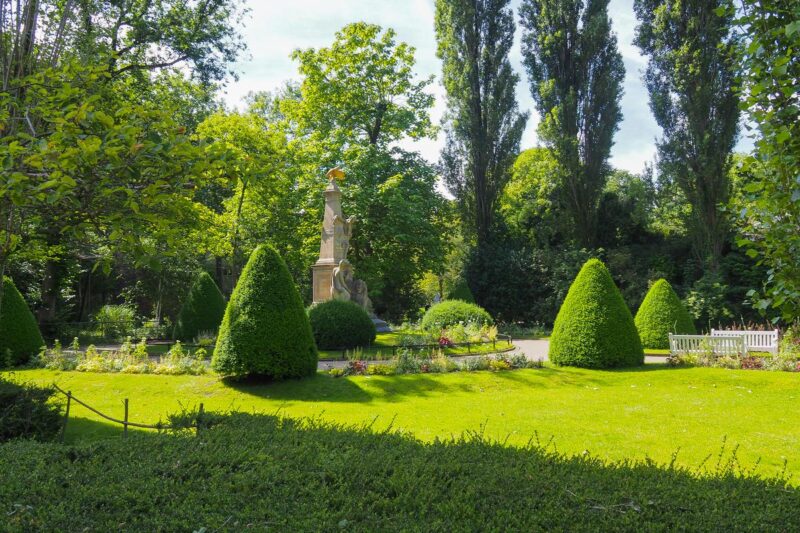
Artis Zoo stands as living heritage in Amsterdam‘s Plantage district, a rare European urban zoo established in 1838 that harmoniously integrates historic architecture with contemporary conservation principles. Beyond typical animal exhibits, Artis embraces a distinctly Dutch approach to public education through its magnificent 19th-century buildings housing scientific collections, planetarium, and one of the world’s oldest microbe museums. The meticulously landscaped gardens showcase exceptional examples of garden architecture spanning nearly two centuries, including monumental trees older than the institution itself. Cultural explorers appreciate Artis for its summer evening concerts where locals gather in the historic park among free-roaming peacocks, creating an authentic Amsterdam evening experience. This multifaceted cultural-scientific institution offers a uniquely Dutch perspective on our relationship with nature, blending conservation with aesthetic beauty and an unwavering commitment to knowledge-sharing that reflects core values of Dutch society.

Cultural Context

Iconic Dutch cultural institution representing 186 years of natural history education and scientific research. As both the Netherlands’ oldest zoo and officially recognized botanical garden since 2020, Artis embodies the Latin motto “Natura Artis Magistra” (Nature is the teacher of art), combining entertainment with scientific discovery to promote understanding of the natural world and humanity’s connection to it.

Historical Context

Founded in 1838 by G.F. Westerman, J.W.H. Werlemann, and J.J. Wijsmuller, Artis emerged from 19th-century Dutch colonial wealth and scientific curiosity. Initially an exclusive society for Amsterdam’s bourgeoisie, it opened to the general public in 1851, representing the democratization of natural history education and establishing itself as one of the world’s five oldest zoological institutions.
Context

Story and significance

About

The oldest zoo in the Netherlands — and one of the five oldest still operating worldwide — founded in 1838 as Natura Artis Magistra. Set in central Amsterdam, the 14-hectare grounds hold around 900 animal species and 200 species of trees and plants, spread across 27 historically significant buildings, bridges, and ponds. Beyond the zoo enclosures, Artis encompasses a major aquarium, a planetarium, the Groote Museum of natural history, and Micropia — the world’s only museum dedicated to microorganisms. Many of the original 19th-century structures still serve as animal houses, blending architectural heritage with modern conservation.

Historical significance

Artis Zoo holds a significant place in the cultural and scientific history of Amsterdam and the Netherlands. Founded in 1838 by a group of Amsterdam citizens including Gerardus Frederik Westerman, the zoo was originally conceived as a center for scientific research and public education, reflecting the 19th-century Enlightenment ideals of knowledge dissemination and natural history. It was the first zoo in the Netherlands and quickly became a symbol of modernity and progress in urban planning and public leisure. Over the decades, Artis has played a pivotal role in the development of zoological sciences, pioneering early efforts in animal husbandry, species conservation, and environmental education. Its historic buildings, many of which are national monuments, showcase the architectural styles of the 19th and early 20th centuries, embodying the cultural heritage of the era. During World War II, Artis faced significant challenges, including damage and resource shortages, yet it remained a vital green space in the city. Post-war, the zoo adapted to changing attitudes toward animal welfare and conservation, shifting from mere exhibition to active participation in global conservation networks. Artis also reflects broader social changes, including the democratization of education and the inclusion of diverse audiences in scientific discourse. Today, it stands as a living museum that connects visitors with centuries of natural history, scientific inquiry, and cultural evolution. The legacy of Artis Zoo is not only in its animal collections but in its ongoing mission to inspire curiosity, respect for nature, and a sense of stewardship for future generations.

Historical context

Founded in 1838 by G.F. Westerman, J.W.H. Werlemann, and J.J. Wijsmuller, Artis emerged from 19th-century Dutch colonial wealth and scientific curiosity. Initially an exclusive society for Amsterdam’s bourgeoisie, it opened to the general public in 1851, representing the democratization of natural history education and establishing itself as one of the world’s five oldest zoological institutions.

Cultural context

Iconic Dutch cultural institution representing 186 years of natural history education and scientific research. As both the Netherlands’ oldest zoo and officially recognized botanical garden since 2020, Artis embodies the Latin motto “Natura Artis Magistra” (Nature is the teacher of art), combining entertainment with scientific discovery to promote understanding of the natural world and humanity’s connection to it.

Architecture

Features 27 nationally protected historic buildings showcasing 19th-century institutional architecture, including the neoclassical Library (1867) with facades inscribed with 36 famous naturalists’ names, the pioneering Aquarium (1882), and the grand Groote Museum (1855). The harmonious blend of formal French gardens, English parkland design, and monumental structures creates a unique urban oasis reflecting Victorian-era cultural aspirations.

Local significance

Serves as Amsterdam’s premier family destination and educational hub, attracting over 1.4 million annual visitors while functioning as a living laboratory for conservation research and environmental education. The institution’s multiple facilities – zoo, planetarium, aquarium, Micropia museum, and arboretum – make it an essential cultural cornerstone fostering nature awareness and scientific literacy in Dutch society.

Experience

Make the most of it

Local tips
  • Visit during weekdays for fewer crowds
  • Special exhibitions require separate tickets
  • Late night openings frequently have special events
  • Gift shops have unique souvenirs
  • Members get free entry and skip lines
  • Check for combo tickets with nearby attractions
  • Museum cafes often serve quality local food
Hidden gems nearby
  • Free guided tours at specific times
  • Staff recommendations for must-see pieces
  • Archive rooms sometimes open for special tours
  • Rooftop terraces often have great city views
  • Secret passages between galleries
  • Lesser-known wings have amazing collections
  • Hidden courtyards perfect for photos
Special features
  • Artis Zoo, officially known as Natura Artis Magistra, is distinguished by its unique blend of zoological, botanical, and cultural elements, making it much more than a traditional zoo. Established in 1838, it is the oldest zoo in the Netherlands and one of the few European urban zoos that has maintained its original 19th-century charm while continuously modernizing its facilities. The zoo is renowned for its historic architecture, including the monumental entrance gate, the 19th-century aquarium, and the planetarium, which is one of the oldest in Europe still in operation. Artis hosts over 900 species of animals, ranging from exotic mammals and birds to reptiles and marine life, all housed in thoughtfully designed enclosures that prioritize animal welfare and naturalistic habitats. The zoo’s botanical gardens are equally impressive, featuring a diverse collection of trees, plants, and flowers that provide both educational value and aesthetic beauty. Additionally, Artis includes a Micropia museum, dedicated to the invisible world of microbes, offering a rare and fascinating perspective on life forms that are essential to ecosystems yet often overlooked. The integration of art and science is a hallmark of Artis, with regular exhibitions and educational programs that engage visitors in conservation and biodiversity topics. The zoo’s commitment to sustainability and conservation is evident in its participation in international breeding programs and its efforts to raise awareness about endangered species. Artis Zoo’s combination of historical ambiance, scientific innovation, and commitment to conservation makes it a distinctive cultural and educational institution in Amsterdam and beyond.
Editorial scores

How we rate it

Authenticity8/10
Accessibility score9/10
Family-friendly score7/10
Off-the-beaten-path2/10

Editorial scores on a 10-point scale, judged against places of the same kind.

Bookable experiences

Worth booking ahead in Amsterdam

Hand-picked from the operators our guides already send readers to. Prices and availability are live on the partner site.

We earn a commission if you book through these links, at no extra cost to you. It is how we keep the guides free and independent.

Updated Data: Editorial research · Google Places ratings · Verified coordinates