MenuClose

A place worth knowing

St. James’s Park

Parks · Park in LondonUpdated

  • Google rating4.7/5 (75,000 reviews)
  • Typical visit1-2 hours
  • EntranceFree
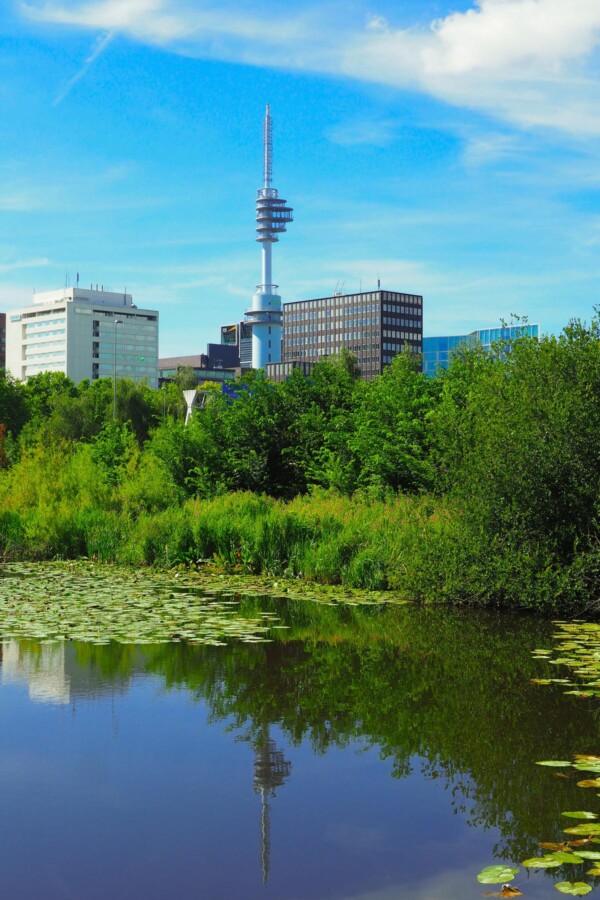
Amstel Park urban oasis with modern architecture and greenery by the water
  • Today (Friday)5:00 AM – 12:00 AM
  • Typical visit1-2 hours
  • EntranceFree
  • Google rating4.7/5 75,000 reviews
  • WebsiteOfficial site ↗
Opening hours all week
Monday
5:00 AM – 12:00 AM
Tuesday
5:00 AM – 12:00 AM
Wednesday
5:00 AM – 12:00 AM
Thursday
5:00 AM – 12:00 AM
Friday
5:00 AM – 12:00 AM
Saturday
5:00 AM – 12:00 AM
Sunday
5:00 AM – 12:00 AM
Accessibility
"{"parking": "Limited blue badge parking on surrounding streets", "surfaces": "Mix of tarmac and compacted gravel paths", "facilities": "Accessible toilets at multiple locations", "wheelchair_access": "All main paths wheelchair accessible"}"
The short answer

Why it matters

London's oldest royal park offering postcard views of Buckingham Palace across a lake inhabited by pelicans, set between The Mall and Birdcage Walk.

London’s most royal park stretches between Buckingham Palace and Horse Guards Parade, offering 57 acres of manicured gardens, a scenic lake, and famous resident pelicans. Originally a marshy meadow where Henry VIII hunted deer, it’s now central London’s most elegant green space with stunning palace views.

Cultural Context

Royal ceremonial route for state occasions. Park represents 400 years of royal landscape design. Pelicans traditional since 1664 Russian diplomatic gift.

Historical Context

Created by Henry VIII 1530s as deer park. Charles II opened to public 1660s, redesigned as formal garden. John Nash romantic landscape 1820s created current lake from canal. WWII trenches and bomb craters filled post-war.


Context

Story and significance

About

St. James’s Park is the oldest of London’s eight Royal Parks, covering 23 hectares between Buckingham Palace and Horse Guards Parade. Henry VIII acquired the marshy area in 1532 as a deer hunting ground; Charles II opened it to the public in the 1660s and introduced the first pelicans (a gift from the Russian ambassador), a tradition that continues today. The park was redesigned by architect John Nash in 1828, who transformed the formal canal into the curving lake visible today. The Blue Bridge across the lake offers a famous ‘triple view’ of Buckingham Palace to the west and the Whitehall buildings to the east.

Historical significance

St. James’s Park is historically significant as one of the oldest royal parks in London, with origins dating back to the 16th century. Its development reflects the shifting priorities of British monarchy and urban planning, from its initial use as a royal hunting ground under Henry VIII to its transformation into a public park accessible to all by the 19th century. The park has been a backdrop to numerous key historical events, including royal ceremonies such as the annual Trooping the Colour, which celebrates the monarch’s official birthday. It also played a symbolic role during periods of political change, standing near the centers of British power and governance. The presence of monuments and statues within the park commemorates important figures and events in British history, reinforcing its role as a site of national memory. During World War II, the park contributed to the war effort by hosting victory gardens, demonstrating its adaptability and community importance. St. James’s Park’s enduring legacy is evident in its continuous use as a public space that bridges royal tradition with modern civic life, making it a living monument to London’s historical evolution and the nation’s cultural heritage.

Historical context

Created by Henry VIII 1530s as deer park. Charles II opened to public 1660s, redesigned as formal garden. John Nash romantic landscape 1820s created current lake from canal. WWII trenches and bomb craters filled post-war.

Cultural context

Royal ceremonial route for state occasions. Park represents 400 years of royal landscape design. Pelicans traditional since 1664 Russian diplomatic gift.

Architecture

The architectural significance of St. James’s Park lies primarily in its landscape design and the integration of built structures that complement its natural beauty. The park was shaped by the vision of John Nash, a leading architect and urban planner of the Regency era, who introduced sweeping vistas, curving pathways, and a large ornamental lake to create a harmonious blend of nature and design. The park’s layout exemplifies the English landscape garden style, characterized by informal, naturalistic elements rather than rigid formality. Noteworthy architectural features within the park include the Blue Bridge, which offers panoramic views of Buckingham Palace and the surrounding gardens, and the Queen Victoria Memorial, located at the park’s eastern boundary. The park’s boundaries are defined by wrought iron railings and historic gates that reflect early 19th-century craftsmanship. Additionally, the park features several statues and ornamental structures that commemorate British history and monarchy, including the equestrian statue of King Charles II. The use of native and exotic plant species in carefully planned arrangements further enhances the park’s architectural coherence, demonstrating a sophisticated understanding of horticulture as an art form. Together, these elements create a cohesive environment that balances built form with natural beauty.

Local significance

For Londoners, St. James’s Park serves as an essential green refuge amid the city’s bustling urban environment. It is a cherished community space where locals engage in daily activities such as jogging, picnicking, and socializing, fostering a sense of neighborhood connection and well-being. The park’s accessibility and central location make it a popular spot for workers from nearby government offices and residents alike, providing a tranquil setting to unwind during lunch breaks or after work. St. James’s Park also plays a role in local traditions and informal customs, including bird feeding and seasonal flower appreciation, which contribute to a shared community identity. The park’s events, such as outdoor concerts and cultural festivals, offer opportunities for social cohesion and cultural exchange among London’s diverse population. Moreover, the park supports local biodiversity, serving as an important habitat for urban wildlife, which enhances environmental awareness among the community. Its presence strengthens the quality of urban life and reflects Londoners’ ongoing commitment to preserving green spaces within the city. St. James’s Park remains a vital part of daily life for many Londoners, symbolizing both continuity and communal harmony.

Experience

Make the most of it

Local tips
  • Free outdoor concerts in summer
  • Best picnic spots fill early weekends
  • Playground areas for families
  • Food trucks at lunchtime weekdays
  • Quiet zones for reading and relaxation
  • Local fitness groups meet regularly
  • Morning joggers create vibrant atmosphere
Hidden gems nearby
  • Historical monuments throughout
  • Secret gardens maintained by volunteers
  • Century-old trees with plaques
  • Sculpture installations off main paths
  • Meditation labyrinths
  • Community gardens open to visitors
  • Hidden ponds with wildlife
Special features
  • St. James's Park is distinguished by several unique features that contribute to its charm and significance. Central to the park is its 15-acre lake, which is home to a variety of bird species, including the famous pelicans, which have been a park tradition since 1664 when the Russian ambassador presented them as a gift to King Charles II. This avian population attracts birdwatchers and nature enthusiasts year-round. The park also boasts the Blue Bridge, an iconic vantage point providing sweeping views of Buckingham Palace, the lake, and the surrounding gardens, making it a favorite spot for photographers and visitors. The meticulously maintained flower beds, which are replanted seasonally, showcase vibrant displays of tulips, daffodils, and other ornamental plants that reflect the changing seasons and horticultural expertise. Additionally, the park contains several statues and memorials, including the statue of King George VI and an ornate fountain near the palace end. The park’s pathways and open lawns are designed to accommodate both leisurely strolls and public events, while its proximity to major London landmarks enhances its role as a central green space in the city. These distinctive elements combine to make St. James's Park a place of natural beauty, historical resonance, and public enjoyment.
Editorial scores

How we rate it

Authenticity8/10
Accessibility score9/10
Family-friendly score9/10
Off-the-beaten-path4/10

Editorial scores on a 10-point scale, judged against places of the same kind.

Last reviewed Data: Editorial research · Google Places ratings