

London captivates visitors with its perfect blend of historic grandeur and modern energy. From the Tower of London to contemporary art galleries, this global metropolis offers world-class museums, royal palaces, and diverse neighborhoods each with distinct character. The city’s multicultural dining scene, legendary pub culture, and iconic landmarks like Big Ben and Tower Bridge create unforgettable experiences in one of the world’s great cities.
The destination guide
London
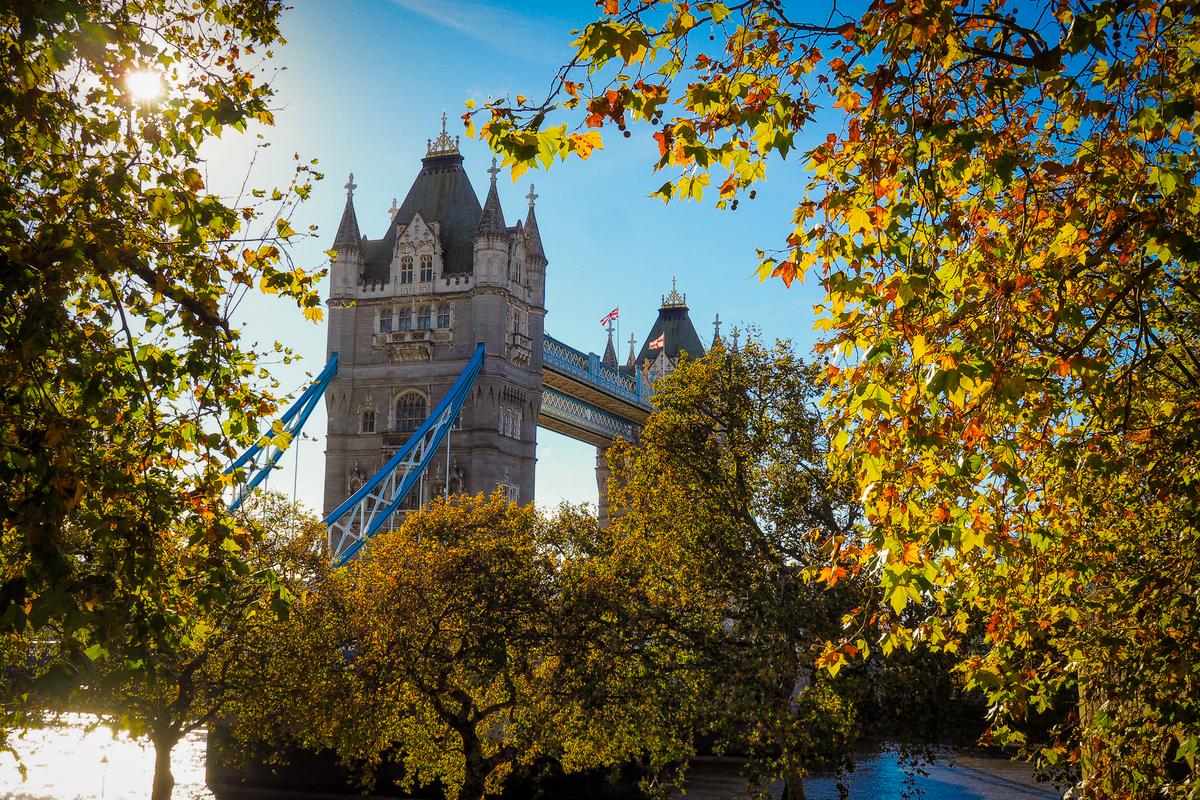
City in United Kingdom, EuropeUpdated
- Overall6/10
- Best forLuxury travelers, Solo travelers
- PeakDec–Mar
- CurrencyGBP
Royal landmarks, neighborhood pubs, and museums that reward a closer look.
Travel guides for London
Itineraries & day trips (2)
Things to do (3)
Where to stay (1)
Travel tips & costs (2)
Destination stories (7)
More guides featuring London (65)
At a glance
Currency£ GBPCode: GBP
Time zoneGreenwich Mean Time
Languages
- English
Setting
- Thames River city
- Urban metropolis
- Royal parks
- Historic landmarks
Population9M8,982,000 residents
VisaDuration: Up to 6 months for tourism, short courses, business meetings, and visiting family. · Documents: Passport valid for the entire duration of your stay in the UK and evidence of return or onward travel.
How London scores
6/10OverallFair
Weather6/10
Value for money6/10
Safety7/10
Food & cuisine8/10
Culture & arts7/10
Cultural experience9/10
History10/10
Nature & outdoors6/10
Adventure4/10
Nightlife9/10
Shopping10/10
Family friendly5/10
Romance7/10
Character
Photography score9/10
Authenticity score10/10
Off-the-beaten-path score3/10
Editorial scores on a 10-point scale, weighed against destinations of the same kind.
Travel safety snapshot
Overall82/100High rating
Women travellers84/100
LGBTQ+ travellers92/100
Theft68/100
Medical care90/100
Physical harm82/100
Political freedom83/100
SafePlace indicators use their source 100-point scale; higher is more favourable. Planning context, not a live travel advisory — check official government guidance before you go.
When to go
Best months to visit: April, May, June, July, August, September, October and December.
- January: 2.7 to 8.4 degrees Celsius, 58.8 millimetres of rain, best-time score 2 out of 5.
- February: 2.7 to 9 degrees Celsius, 45 millimetres of rain, best-time score 2 out of 5.
- March: 4.1 to 11.7 degrees Celsius, 38.8 millimetres of rain, best-time score 3 out of 5.
- April: 6 to 15 degrees Celsius, 42.3 millimetres of rain, best-time score 4 out of 5.
- May: 9.1 to 18.4 degrees Celsius, 45.9 millimetres of rain, best-time score 5 out of 5.
- June: 12 to 21.6 degrees Celsius, 47.3 millimetres of rain, best-time score 5 out of 5.
- July: 14.2 to 23.9 degrees Celsius, 45.8 millimetres of rain, best-time score 4 out of 5.
- August: 14.1 to 23.4 degrees Celsius, 52.8 millimetres of rain, best-time score 4 out of 5.
- September: 11.6 to 20.2 degrees Celsius, 49.6 millimetres of rain, best-time score 5 out of 5.
- October: 8.8 to 15.8 degrees Celsius, 65.1 millimetres of rain, best-time score 4 out of 5.
- November: 5.3 to 11.5 degrees Celsius, 66.6 millimetres of rain, best-time score 3 out of 5.
- December: 3.1 to 8.8 degrees Celsius, 57.1 millimetres of rain, best-time score 4 out of 5.
Climate data for Heathrow station, west London · 1991–2020. Source: Met Office. Long-term station averages, not a forecast. Conditions elsewhere in London can differ. Crowds and packing tips are editorial guidance.
Month-by-month conditions and packing advice
- January
- Average high 8.42°C, low 2.68°C; monthly rainfall 58.83 mm. January in London: short, damp days make this a value-oriented indoor culture month. Crowds: January is firmly within London’s low tourist season, meaning smaller crowds at major attractions and more affordable accommodation compared to summer months. The cool, damp weather makes long outdoor activities less appealing, but it provides a perfect excuse to dive into cultural institutions like the British Museum, Tate Modern, or the National Gallery. Seasonal sales fill Oxford Street and Covent Garden with shoppers, offering excellent deals after the holidays. Travelers should plan for shorter sightseeing days due to limited daylight and schedule indoor activities in the evenings. Expect quieter restaurants and less competition for theater tickets, making January an excellent time for cultural immersion without the high-season bustle. Pack: Insulated waterproof jacket; Warm layers including sweaters and thermals; Waterproof walking shoes or boots; Umbrella or compact rain poncho; Gloves, hat, and scarf for chilly winds; Smart-casual attire for theater and dining
- February
- Average high 8.98°C, low 2.65°C; monthly rainfall 44.96 mm. February in London: short, damp days make this a value-oriented indoor culture month. Crowds: February falls within London’s winter low season, which benefits visitors with lighter crowds and reduced accommodation rates compared to spring and summer. While outdoor sightseeing is possible, the cooler temperatures and frequent cloud cover make extended time outside less appealing. This encourages exploration of London’s rich indoor offerings such as the British Museum, Tate Modern, and historic pubs. The month also coincides with cultural highlights such as Chinese New Year celebrations in Chinatown and the London Fashion Week, which bring short bursts of energy to the city. Travelers will find fewer queues at major attractions, making it an excellent time for those who prefer a quieter and more affordable experience. Advance bookings for accommodations are still recommended for central locations, but overall pricing is far more favorable than peak tourist months. Pack: Warm waterproof coat for chilly days; Sturdy walking shoes for wet pavements; Compact umbrella for passing showers; Layered clothing such as sweaters and long sleeves; Scarf and gloves for brisk evenings; Smart-casual outfit for theatre or fine dining
- March
- Average high 11.73°C, low 4.14°C; monthly rainfall 38.78 mm. March in London: changeable weather is likely, but indoor attractions and neighborhood exploring keep trips productive. Crowds: March represents shoulder season in London, offering a balance of manageable crowds and gradually improving weather. While it’s too early for peak tourist season, major sites like the British Museum, Tower of London, and Westminster Abbey are easier to visit without overwhelming queues. Prices for accommodation remain more favorable compared to summer highs, though they begin to edge upward toward Easter. The cooler conditions are well-suited for walking tours, exploring indoor attractions, and attending cultural events like early spring exhibitions. Travelers should plan for layers and expect occasional damp spells, but overall conditions are comfortable for sightseeing without the congestion of summer. Advance booking is still advisable for popular performances at West End theaters or limited exhibitions. Pack: Water-resistant trench coat or light rain jacket; Layered clothing including sweaters and long-sleeve shirts; Comfortable waterproof walking shoes; Compact umbrella for sudden showers; Scarf and light gloves for chilly mornings; Smart-casual attire for theater or evening dining
- April
- Average high 15°C, low 6.03°C; monthly rainfall 42.31 mm. April in London: the city has strong seasonal appeal, though summer crowds or festive-period prices need planning. Crowds: April represents the shoulder season for tourism in London, offering manageable crowd levels compared to the busy summer months. The weather is cool but increasingly comfortable for walking tours, open-top bus rides, and park visits. Accommodation prices tend to be moderate, striking a balance between off-season deals and summer highs. Spring festivals, cultural exhibitions, and Easter celebrations add depth to the travel experience, but evenings still require warm layers for comfort. The unpredictability of showers means travelers should carry an umbrella or light waterproof. Overall, April is an excellent time for visitors seeking a blend of cultural events, seasonal beauty, and reduced tourist density before the peak crowds arrive. Pack: Light waterproof jacket for sudden showers; Comfortable walking shoes for cobblestone streets; Layered clothing including sweaters and long sleeves; Compact umbrella for unpredictable rain; Smart-casual attire for theater or dining; Scarf or light gloves for cool evenings
- May
- Average high 18.37°C, low 9.08°C; monthly rainfall 45.91 mm. May in London: parks, markets, museums, and walking routes benefit from milder weather before or after peak crowds. Crowds: May is one of London’s sweet spots for travelers—just before peak summer crowds arrive but with weather mild enough to enjoy open-air activities. The city’s gardens and outdoor festivals start to flourish, and daylight hours stretch late into the evening, making it ideal for walking tours, museum hopping, or day trips to nearby countryside. While not yet peak tourist season, expect moderate crowds at major attractions and steadily rising accommodation prices as summer approaches. Travelers benefit from the mix of manageable visitor levels and an active cultural calendar, including events like the Chelsea Flower Show. Carry rain protection and keep an indoor option available. Advance booking for accommodation is recommended, but flexibility remains compared to high summer. For budget-conscious visitors, May strikes a good balance between weather comfort and crowd management. Pack: Light waterproof jacket for occasional showers; Comfortable walking shoes for cobblestone streets; Layered clothing for variable temperatures; Compact travel umbrella; Smart-casual attire for London’s theaters and restaurants; Light scarf for cool mornings and evenings
- June
- Average high 21.57°C, low 12.03°C; monthly rainfall 47.25 mm. June in London: parks, markets, museums, and walking routes benefit from milder weather before or after peak crowds. Crowds: June marks the beginning of London’s peak tourist season, fueled by school holidays and favorable weather. Outdoor attractions such as Hyde Park picnics, open-air markets, and Thames river cruises become especially appealing. Crowds increase at landmarks like the Tower of London and Buckingham Palace, while hotel rates and flight prices rise accordingly. Travelers benefit from extended daylight for sightseeing, yet should expect queues at popular museums and attractions. Early booking is essential for central accommodations and theatre tickets. Rain can interrupt outdoor plans, so keep your itinerary flexible. June balances lively city energy with mild, enjoyable conditions that encourage both cultural exploration and leisurely strolls. Pack: Light waterproof jacket for unexpected showers; Comfortable walking shoes for cobblestone streets; Breathable layers for daytime and evening variation; Compact umbrella for sudden rain; Smart-casual attire for theatre or dining; Reusable water bottle for long sightseeing days
- July
- Average high 23.89°C, low 14.18°C; monthly rainfall 45.8 mm. July in London: the city has strong seasonal appeal, though summer crowds or festive-period prices need planning. Crowds: July is one of London’s peak tourism months, drawing both international visitors and domestic travelers eager to make the most of the long, bright days. Attractions such as the British Museum, Buckingham Palace (which opens for summer tours), and open-air festivals see significant crowds. Accommodation and airfare prices are at their highest due to demand, so booking well in advance is crucial. Warmer temperatures can suit walking tours, river cruises, and alfresco dining, though popular spots can feel crowded during midday hours. Travelers benefit from extended daylight, making it possible to plan longer daily itineraries. Expect lively cultural programming, but prepare for premium pricing across most experiences. Pack: Light layers such as cotton shirts and summer dresses; Comfortable walking shoes for cobblestone streets and parks; Compact umbrella or light rain jacket for occasional drizzle; Reusable water bottle to stay hydrated during long days; Smart-casual evening wear for theaters or upscale dining; Sunglasses and sunhat for protection during long daylight hours
- August
- Average high 23.4°C, low 14.06°C; monthly rainfall 52.78 mm. August in London: the city has strong seasonal appeal, though summer crowds or festive-period prices need planning. Crowds: August is peak tourist season in London, coinciding with summer holidays across Europe. Expect high visitor numbers at major attractions such as the British Museum, Buckingham Palace, and the London Eye, which can mean longer queues and higher hotel rates. Outdoor options include Thames river cruises, open-air theatre at Regent’s Park, or day trips to Windsor and Oxford. Prices for accommodation and flights are typically at their annual peak, so early booking is strongly recommended. While crowds can be heavy, the atmosphere is lively, with festivals like Notting Hill Carnival adding a cultural highlight. Those who prefer quieter experiences may want to plan visits early in the day or explore lesser-known neighborhoods such as Hampstead or Greenwich, where the weather still favors relaxed walks and local dining. Pack: Light layers for warm afternoons and cool evenings; Comfortable walking shoes for extensive city exploration; Compact umbrella for occasional showers; Sunglasses and SPF sunscreen for daytime outings; Smart-casual attire for theatre or fine dining; Reusable water bottle to stay hydrated while walking
- September
- Average high 20.22°C, low 11.62°C; monthly rainfall 49.61 mm. September in London: parks, markets, museums, and walking routes benefit from milder weather before or after peak crowds. Crowds: September is part of London’s shoulder season, offering a sweet spot for travelers who prefer mild weather without peak summer crowds. Outdoor activities such as Thames-side walking tours, day trips to historic estates, and rooftop dining are highly enjoyable in these conditions. While tourism levels remain steady, they are noticeably calmer than the July–August peak, which means shorter lines at museums and slightly better availability at top restaurants. Prices for flights and accommodations begin to dip modestly, though weekends can still see spikes around cultural events. This month is particularly attractive for cultural travelers, as London Fashion Week and the Open House Festival add unique opportunities. Visitors should plan bookings in advance if attending major events, but otherwise enjoy the flexibility of a less hectic tourist season. Pack: Light jacket or trench coat for cool evenings; Comfortable closed-toe walking shoes; Compact umbrella for sudden showers; Smart casual attire for theater or dining; Layered tops for shifting daytime temperatures; Scarf or shawl for added warmth in the evenings
- October
- Average high 15.81°C, low 8.78°C; monthly rainfall 65.07 mm. October in London: the city has strong seasonal appeal, though summer crowds or festive-period prices need planning. Crowds: October represents shoulder season in London, when tourist numbers decline after the busy summer. Visitors benefit from smaller crowds at major sites such as the British Museum and Tower of London, and hotel rates often ease slightly compared to peak months. Pack layers and rain protection for walking tours, heritage site exploration, and autumn festivals like Diwali celebrations in Trafalgar Square. While daylight hours shorten, this also means more opportunities to experience London’s lively cultural evenings and illuminated landmarks. Travelers seeking balance between affordability, manageable crowds, and authentic seasonal charm will find October an excellent time to visit, though advance booking for popular theater shows is still recommended. Pack: Water-resistant jacket for unpredictable showers; Comfortable closed-toe walking shoes; Layered clothing including sweaters or cardigans; Compact umbrella for light rain; Scarf and light gloves for cooler evenings; Smart casual attire for theater or dining experiences
- November
- Average high 11.47°C, low 5.26°C; monthly rainfall 66.63 mm. November in London: changeable weather is likely, but indoor attractions and neighborhood exploring keep trips productive. Crowds: Travel in November means fewer crowds compared to London’s summer surge, making it a rewarding time for those who prefer cultural depth over long queues. Hotel and flight prices are generally lower than peak season, offering value for travelers. Plan a flexible mix of museum hopping, theater evenings in the West End, and leisurely walks through autumnal parks like Hyde Park or Greenwich, where colorful leaves still cling to the trees. Outdoor attractions remain open, though shorter daylight hours require planning. This shoulder season strikes a balance between affordability and atmosphere, ideal for visitors seeking London’s cultural pulse without the bustle of high season tourism. Pack: Water-resistant coat or jacket for drizzly days; Warm scarf and gloves for chilly evenings; Comfortable waterproof walking shoes; Umbrella compact enough for city use; Layered sweaters and long-sleeve shirts; Smart casual attire for theaters and cultural venues
- December
- Average high 8.79°C, low 3.08°C; monthly rainfall 57.05 mm. December in London: the city has strong seasonal appeal, though summer crowds or festive-period prices need planning. Crowds: December represents the heart of London’s festive season, drawing large crowds to holiday markets, theater performances, and shopping districts like Oxford Street. While daytime conditions are cold, the cultural calendar is at its peak, with seasonal events making this one of the most atmospheric times to visit. Accommodation prices rise accordingly, particularly near Christmas and New Year’s Eve. Outdoor sightseeing is possible with layers, though shorter days mean travelers should plan activities efficiently. Winter is less favorable for parks and gardens, but ideal for museums, galleries, and indoor cultural experiences. Those seeking quieter moments may prefer early December before the holiday rush intensifies. Booking accommodation and major attractions well in advance is strongly advised. Pack: Insulated coat suitable for 0–10°C conditions; Waterproof boots for damp streets; Thermal base layers for extended outdoor walks; Compact umbrella for light rain or drizzle; Warm scarf, hat, and gloves set; Smart casual attire for theater and holiday dining
Peak season
- December
- January
- February
- March
Off-peak
- May
- June
- July
- September
- October
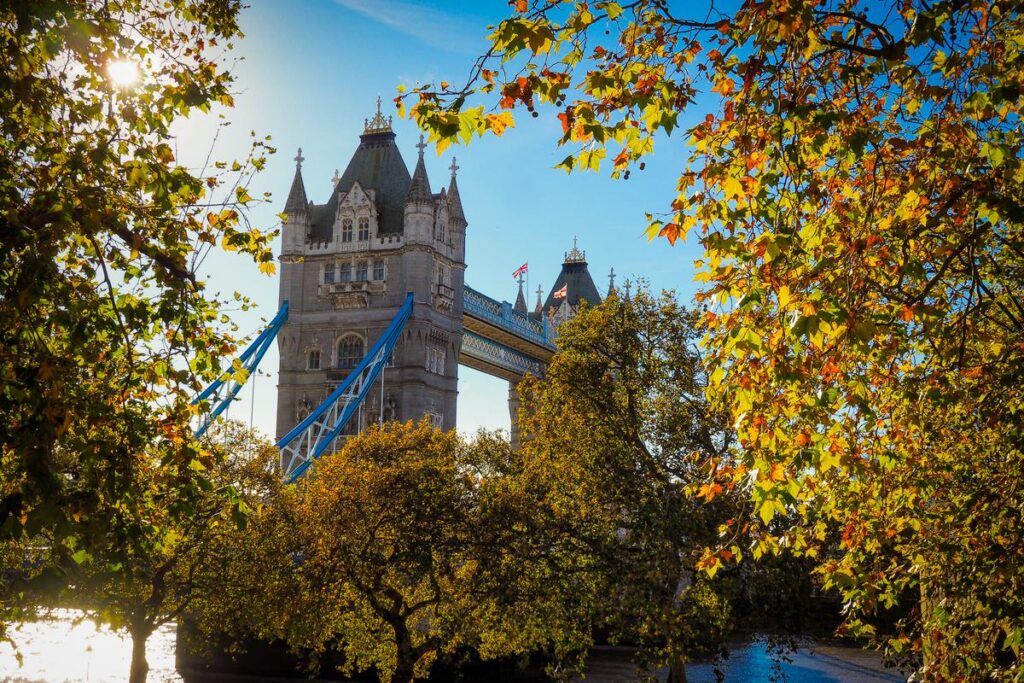
Know before you go
Neighbourhoods
London is made up of 32 boroughs. Tourists usually stay within the 12 inner boroughs. Check out our list of some of the best hotels, plus an in-depth review of some of the best areas to stay in London. Let’s look at the best places and London neighborhoods you must not miss.
City of London
It’s an independent administrative district, part of London, but strangely separate. Although a cutting-edge economic center, it’s where to tap into London’s olden days. A must-see is the Tower of London, Europe’s most complete 11th-century fortress palace. Its top attraction is the Crown Jewels – all $6 billion worth. These include the solid gold crown Queen Elizabeth II and King Charles III used. Close by is the iconic Tower Bridge. There’s also the Baroque splendor of St. Paul’s Cathedral. Check out its Geometric Staircase, which is featured in the Harry Potter movies. Another gem is the 15th-century Guildhall, sitting above a Roman amphitheater. While on this side of town, head to Brick Lane in Shoreditch for outstanding Indian food. Take one of the many walking tours to see breathtaking street art.Westminster
No London visit is complete without a selfie alongside Westminster’s Elizabeth Tower, aka Big Ben. It’s within easy walking distance of the Houses of Parliament, Westminster Abbey, and St. James’s Park. Close by is Buckingham Palace – visit in summer to see the State Rooms. Swing by most mornings (check the schedule here) to see the Changing of the Guard. This is one of the best free things to do in London. For the National Gallery and the National Portrait Gallery, head to nearby Trafalgar Square. And history buffs shouldn’t miss the Churchill War Rooms, Winston Churchill’s HQ during World War II.West End
This area from Covent Garden to Mayfair is London’s theaterland, with hundreds of shows to choose from every day. Come here for Soho’s exciting nightlife and Chinatown’s incredible food. We’re talking super-stylish here. This prime location is where to come if your London vacation demands fine dining and a stay at a luxury hotel. (Pick the legendary Dorchester to cover both bases.) There’s also world-class shopping in Covent Garden Market, Oxford Street, Burlington Arcade, and Savile Row.South Bank
Cross to the South Bank for London’s playground. For a unique city view, take a ride in the London Eye. Save money with a ticket bundle pairing the London Eye with the Sea Life Aquarium or the London Dungeon, both nearby. The South Bank is also a cultural hub, home to Tate Modern and the National Theatre. Theater fans will love Shakespeare’s Globe, a reconstruction of the 1599 wooden playhouse where Shakespeare worked. Head to London’s highest observation deck at The Shard for more panoramic views. For great views while you dine, try the Oxo Tower. There’s more delicious food at Borough Market – come hungry. While you’re south of the river, visit Maritime Greenwich. This beautiful place is home to the Royal Maritime Museum and the Royal Observatory.Kensington & Chelsea
This area has more than a touch of class. Fans of all things royal should visit Kensington Palace, home of the Prince and Princess of Wales (aka William and Kate). And try to catch a concert at the Royal Albert Hall. South Kensington is famous for its world-class museums: The Natural History Museum, the Science Museum, and the Victoria and Albert Museum (the V&A). What’s extra special is that, though you can opt for skip-the-line museum tours, all these museums are free to visit. There’s superb shopping in this part of west London in chic Notting Hill, ever-trendy King’s Road, and Portobello Road Market. And not far away is a million square feet of retail heaven at Harrods, Knightsbridge. If you’re staying in Kensington (for example, at the comfortable Ampersand Hotel) you’re handy for day trips out west. While in the United Kingdom, why not visit Windsor, Stonehenge, or the Cotswolds?Marylebone
Marylebone, just north of Hyde Park, is another London neighborhood full of fun things to do. As well as Madame Tussauds, you’ll find London Zoo, the world’s oldest scientific zoo. For one of the world’s great museums, head east to the British Museum in Great Russell St. Sherlock Holmes, the Beatles, or Hogwarts fans will love this part of north London. The Sherlock Holmes Museum is (of course) at 221b Baker Street, while the Abbey Road Studios are a mile northwest. Harry Potter nuts must visit Platform 9 ¾ at King’s Cross Station. For the essential Harry Potter Studio Tour, take a day trip to Warner Bros. All book lovers will want to explore the Treasures Gallery at the British Library. There are more Marylebone treasures at the opulent Wallace Collection museum. For your taste of 5-star opulence, pick the handily-placed Langham Hotel.Best time to visit
You’ve heard it always rains in the United Kingdom; you’re worried your London visit will be a washout. Bring an umbrella or rain jacket, but don’t be overly concerned – London is Britain’s driest city, with about 150 days of rain annually. The wettest months are October through January.
Winters in London rarely see more than a dusting of snow. However, visit London in the shoulder seasons, March-April or October-November, and you’ll need a warm coat. The best weather is in June, July, and August, with temperatures up to around 75 degrees. There’s an inevitable trade-off. Summer sees the largest influx of tourists, with all the popular attractions crowded – “heaving,” as they say here. On the other hand, London is a fun place in summer, with countless events, festivals, and celebrations taking advantage of the fine weather. To avoid the crowds, come in March. The spring sunlight slanting through London’s historic streets gives a feeling of optimism like no other.Crowds
London is busiest in July–August, school holidays and around major events (Trooping the Colour, Wimbledon in late June–July); quietest in January–February after New Year when tourist numbers dip, but remains busy year-round.
Getting there and around
Getting there
London connects to the world through five major airports: Heathrow (largest), Gatwick, Stansted, Luton, and London City Airport. The Eurostar high-speed rail links London St. Pancras to Paris and Brussels via the Channel Tunnel. Ferries connect to Ireland and continental Europe. London serves as a major hub for connecting flights to global destinations, with direct routes from most major cities worldwide.
Getting around
London’s Transport for London (TfL) system includes the Underground (Tube), buses, trams, and river services. The Oyster Card or contactless payment works across all transport modes. The iconic red double-decker buses and black cabs provide classic London experiences. Cycling via Santander Cycles (Boris Bikes) offers an eco-friendly option. Walking remains the best way to explore central London’s historic neighborhoods.
In pictures
Kyle Kroeger / ViaTravelers 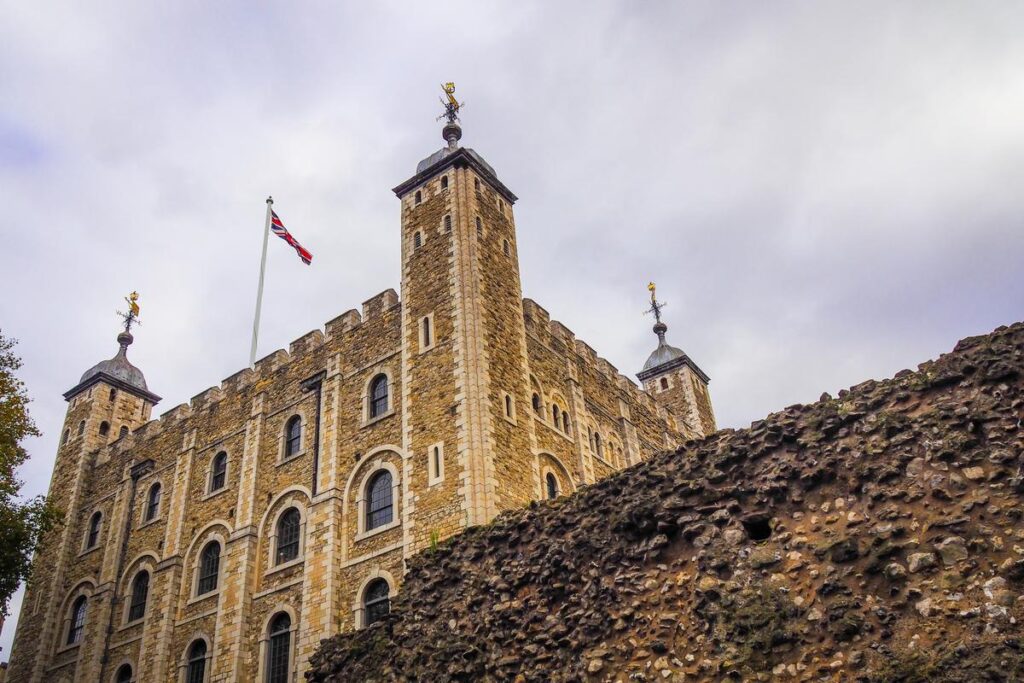
Kyle Kroeger / ViaTravelers 
Kyle Kroeger / ViaTravelers 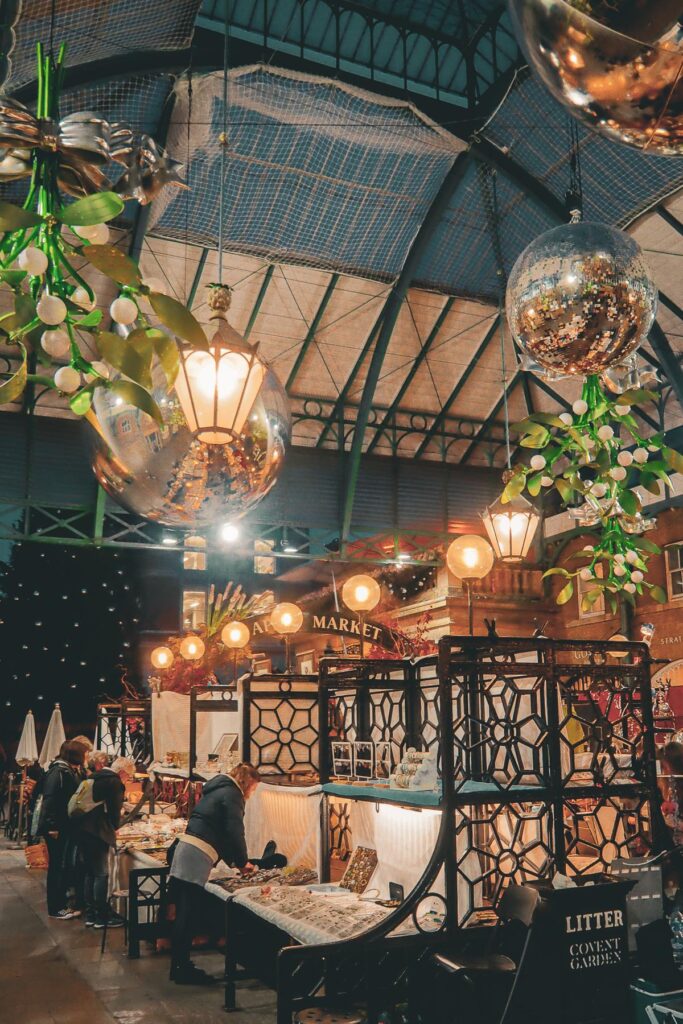
Kyle Kroeger / ViaTravelers 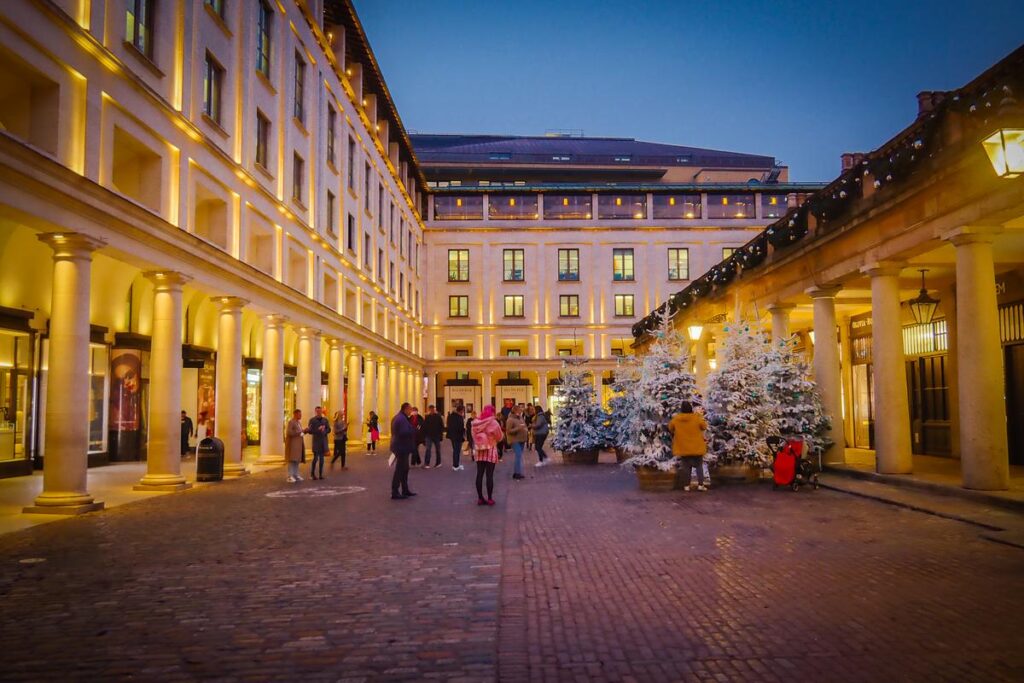
Kyle Kroeger / ViaTravelers 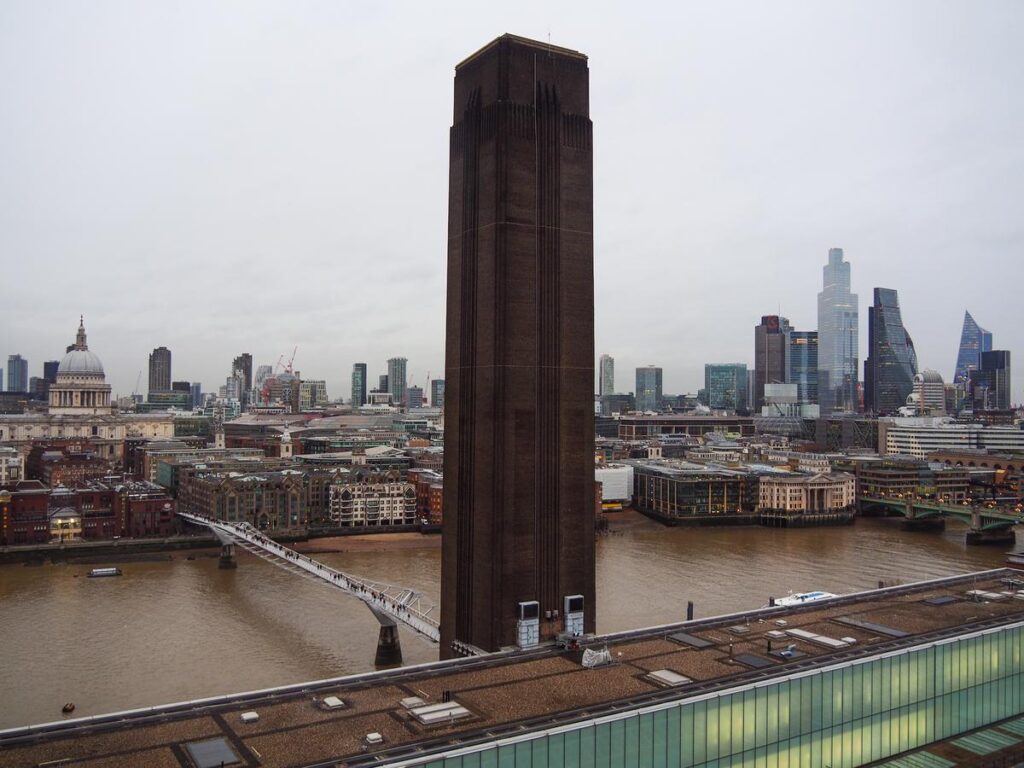
Kyle Kroeger / ViaTravelers 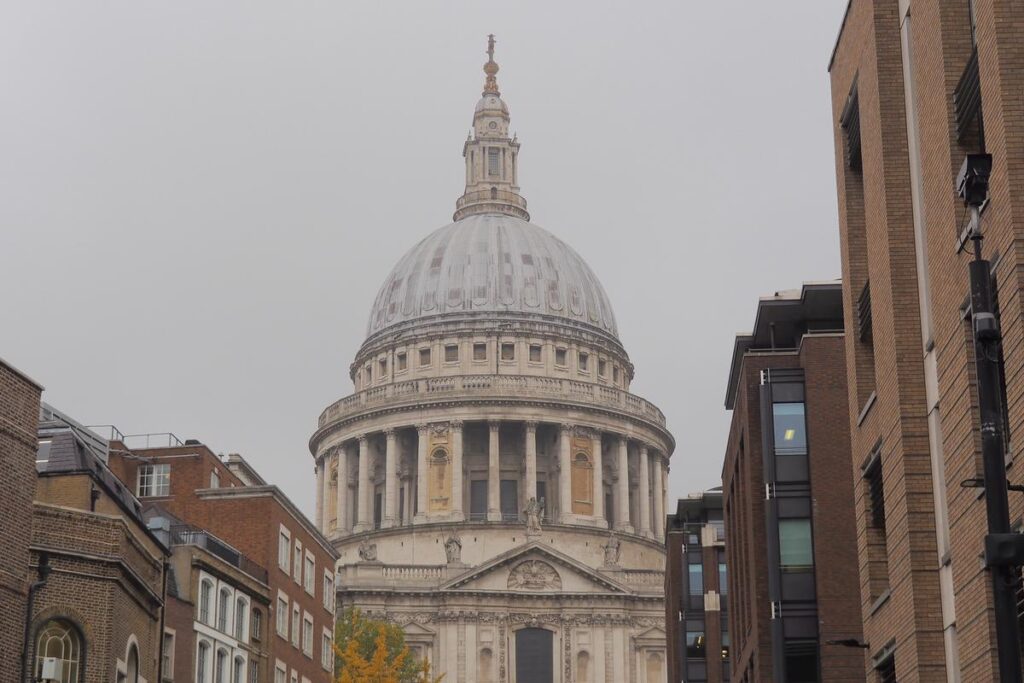
Kyle Kroeger / ViaTravelers 
Kyle Kroeger / ViaTravelers
Top experiences in London
Tower of London
Read the place guide →Historic fortress on Thames housing Crown Jewels, Beefeater guards, and nearly 1,000 years of royal history. Features medieval White Tower, Traitors Gate, and famous ravens. UNESCO World Heritage site essential for understanding British monarchy and medieval history. Book early to see Crown Jewels.
British Museum
World-class museum housing global treasures including Rosetta Stone, Egyptian mummies, Greek sculptures, and artifacts from every continent. Free admission to permanent collection. Essential for history lovers with 8 million objects spanning human civilization. Book timed slots for special exhibitions.
Westminster Abbey
Gothic abbey where British monarchs have been crowned for nearly 1,000 years. Features Poets Corner, royal tombs, and stunning architecture. Active place of worship with daily services. Essential for understanding British royal tradition and literary heritage. Audio guides recommended.
Tate Modern
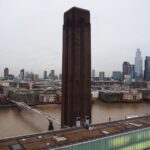
Read the place guide →World-renowned modern art gallery in converted power station featuring works by Picasso, Warhol, Hockney, and contemporary artists. Free admission to permanent collection with spectacular views from viewing level. Essential for modern art lovers and architecture enthusiasts.
Borough Market
London oldest food market with over 1,000 years of history, featuring artisan producers, international cuisine, and gourmet food stalls. Perfect for experiencing London food culture, trying British specialties, and sampling global cuisines. Busiest on weekends with full trader selection.
Editor-curated picks carried over from our original guide. Where a full place guide exists, the card links to it.






Worth booking ahead in London
Hand-picked from the operators our guides already send readers to. Prices and availability are live on the partner site.
Day tripViator
Stonehenge morning half-day tour with admission (opens Viator in a new tab)
Coach from London with admission included and back by early afternoon, leaving the rest of the day free.
Timed ticketGetYourGuide
Tower of London and Crown Jewels admission (opens GetYourGuide in a new tab)
Admission plus the Crown Jewels; go at opening to reach the Jewels before the queue forms.
Timed ticketViator
Tower of London ticket with Beefeater tour (opens Viator in a new tab)
The same admission via Viator, with the Yeoman Warder tour noted in the listing.
Where to stayBooking.com
Stays in London (opens Booking.com in a new tab)
Live rates and availability for London on Booking.com; filter by neighbourhood once you know where your days start.
We earn a commission if you book through these links, at no extra cost to you. It is how we keep the guides free and independent.
Where to stay
The Savoy
Strand, London WC2R 0EU, United Kingdom
Legendary luxury hotel on the Thames with Art Deco elegance, world-famous afternoon tea, and Michelin-starred dining. Features historic charm since 1889, exceptional service, and prime Covent Garden location for theaters and shopping.
Claridges
Brook St, London W1K 4HR, United Kingdom
Iconic Art Deco hotel in Mayfair with timeless British elegance, world-class spa, and exceptional afternoon tea. Features stunning lobby, Michelin-starred restaurant, and sophisticated rooms. Perfect for experiencing traditional London luxury and royal hospitality.
The Zetter Townhouse
49-50 Seymour St, London W1H 7JG, United Kingdom
Charming boutique hotel in Georgian townhouse near Oxford Street with vintage cocktail lounge, cozy library, and individually designed rooms. Features British eccentricity, exceptional gin cocktails, and intimate atmosphere perfect for experiencing authentic London hospitality.
Editor-curated stays carried over from our original guide. Where we have reviewed the hotel, the card links to the review.
Tips from the field
Practical tips
- UK ETA Requirement: Ensure your £10 UK ETA is confirmed prior to flight departure.
- TfL Transit Payments: Do not buy a physical Oyster card; simply tap any foreign contactless credit/debit card or Apple Pay/Google Pay at Tube, Elizabeth Line, DLR, and bus readers (daily and weekly fare capping applies automatically). London buses do not accept cash.
- Heathrow Transit: The Elizabeth Line offers fast direct transit from Heathrow Airport (LHR) to Central London (Tottenham Court Road, Liverpool Street) in approx. 35 minutes for £13.30, avoiding pricey Heathrow Express fares.
- Free World-Class Museums: General admission is completely free to major national museums (British Museum, Tate Modern, National Gallery, V&A, Natural History Museum, Science Museum).
Culture, customs and safety
Cultural heritage
London preserves an extraordinary timeline of British history from Roman Londinium to the modern metropolis. The Tower of London showcases 1,000 years of royal history, while Westminster Abbey has crowned monarchs since 1066. The city pioneered public museums with the British Museum (1753) housing global treasures including the Rosetta Stone. Shakespeare’s Globe Theatre represents London’s 400-year theatrical tradition continuing in the West End. Victorian engineering marvels like Tower Bridge and the Underground shaped urban development worldwide. Royal palaces, historic pubs dating to medieval times, and Dickensian streets preserve living history alongside contemporary landmarks.
Local customs & etiquette
London culture values politeness, queuing etiquette, and understatement. Always queue patiently and say “please,” “thank you,” and “excuse me” frequently. Pub culture is central to social life – buy rounds when drinking with locals. Tipping 10-15% is standard in restaurants but not required in pubs. Weather discussions are safe conversation starters. Avoid discussing personal income or politics with strangers.
Safety notes
As of 2026, London is one of the safest global megacities, monitored by the Metropolitan Police Service and extensive CCTV coverage.
Key Personal Security & Street Crime Advisories:
• Phone Snatching on Footpaths: The primary street crime targeting visitors is phone snatching by thieves on electric bikes, mopeds, or scooters. Never hold your phone loosely while standing near curbs or road intersections in Westminster, Soho, Covent Garden, Oxford Street, or Shoreditch.
• Crowded Transit Pickpocketing: Keep zipped bags in front of you at busy Tube stations (King’s Cross, Oxford Circus, Piccadilly Circus) and crowded markets (Borough Market, Camden Lock).
• Transport Safety: London Underground (Tube) is safe throughout operational hours; late-night travel on Night Tube and Night Bus routes is heavily monitored. Use only licensed black cabs or registered ride-hailing apps (Uber, Bolt, FreeNow).
• Emergency: 999 (Emergency), 101 (Met Police Non-Emergency), 111 (NHS Medical Advice).

Travel Style
Activities