
MenuClose

A place worth knowing

Safossen Waterfall

Nature · Waterfall in NorwayUpdated

  • Google rating4.3/5
  • Typical visit15-30 minutes for a scenic stop and photo opportunity
  • EntranceFree
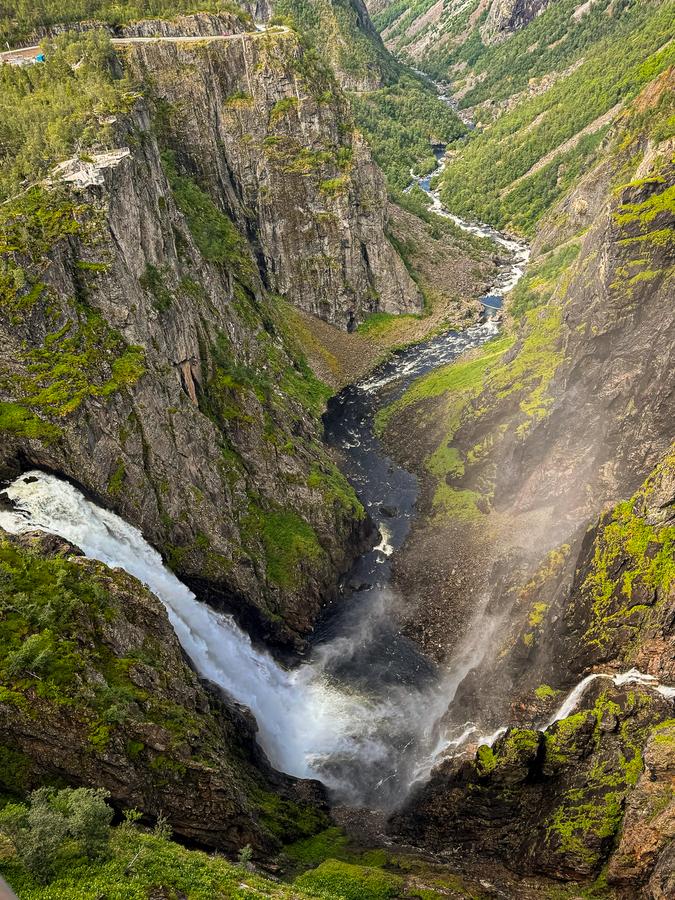
Breathtaking view from Voringsfossen bridge viewpoint, waterfall and gorge in Hardangervidda, Norway
Voringsfossen waterfall in Norway Kyle Kroeger / ViaTravelers
  • Today (Monday)Open 24 hours
  • Typical visit15-30 minutes for a scenic stop and photo opportunity
  • EntranceFree
  • Google rating4.3/5
Opening hours all week
Monday
Open 24 hours
Tuesday
Open 24 hours
Wednesday
Open 24 hours
Thursday
Open 24 hours
Friday
Open 24 hours
Saturday
Open 24 hours
Sunday
Open 24 hours
The short answer

Why it matters

A powerful cascade along the Saudafjorden that peaks during June snowmelt, visible from the roadside near Rullestadvatnet

Safossen (also known as Sagfossen) is a spectacular 365-meter waterfall cascading down the mountainside near Rullestad in western Norway. Visible from the E134 highway across Rullestadvatnet lake, this dramatic waterfall descends in five distinct steps with three major drops creating a stunning natural display. Located just 6 kilometers before the famous Låtefossen, Safossen offers equally impressive views without the crowds, making it a perfect stop along the scenic route between Odda and Haugesund.

Cultural Context

Part of Norway’s dramatic waterfall landscape that defines national identity. Common name ‘Sagfossen’ appears throughout Norway reflecting importance of waterfalls in Norwegian culture. Tourist route along E134 showcases multiple waterfalls as key attractions. Represents Norway’s accessible natural heritage.

Historical Context

Name derives from ‘Sag’ meaning saw, common for Norwegian waterfalls near historic sawmill sites. E134 highway development made remote waterfalls accessible to travelers. Part of historic trade route between western coast and interior Norway. Traditional stopping point for travelers through mountain passes.

Context

Story and significance

About

Safossen Waterfall (Såfossen) is a powerful cascade in the Gaular River valley in Vestland county, Norway, dropping over several stages through a narrow gorge. The falls are part of the Gaularfjellet National Scenic Route, one of 18 designated scenic drives in Norway, running between Balestrand on the Sognefjord and the village of Moskog. A roadside viewing platform designed by architect Jensen & Skodvin provides dramatic close-up views of the cascading water.

Historical significance

Natural sites like Safossen matter for regional environmental history, local industry and recreation; they often mark traditional land use boundaries and contribute to community identity. If used for mechanical or hydro purposes historically, the falls also reflect Norway’s long engagement with harnessing waterways for energy and transport.

Historical context

Name derives from ‘Sag’ meaning saw, common for Norwegian waterfalls near historic sawmill sites. E134 highway development made remote waterfalls accessible to travelers. Part of historic trade route between western coast and interior Norway. Traditional stopping point for travelers through mountain passes.

Cultural context

Part of Norway’s dramatic waterfall landscape that defines national identity. Common name ‘Sagfossen’ appears throughout Norway reflecting importance of waterfalls in Norwegian culture. Tourist route along E134 showcases multiple waterfalls as key attractions. Represents Norway’s accessible natural heritage.

Architecture

While Safossen Waterfall is primarily a natural landmark, it is complemented by thoughtfully designed infrastructure that enhances visitor access while respecting the environment. The most notable architectural elements are the trail systems and viewing platforms constructed using sustainable materials such as locally sourced timber and weather-resistant steel, designed to blend seamlessly with the natural surroundings. These structures follow principles of minimal impact architecture, ensuring that human presence does not disrupt the ecological balance or the visual integrity of the waterfall. The trail was developed with input from both environmental scientists and local indigenous leaders to ensure that construction techniques honor cultural sensitivities and preserve sacred sites. The viewing platforms incorporate traditional Scandinavian design influences, featuring clean lines and functional aesthetics that reflect the heritage suggested by the name Safossen. Additionally, interpretive signage and small shelters along the path utilize natural stone and timber framing, creating a harmonious dialogue between built and natural environments. This architectural approach not only facilitates safe and educational access but also embodies a philosophy of coexistence, where human craftsmanship supports and highlights the waterfall’s natural grandeur without overwhelming it. The architectural significance of Safossen lies in its exemplary model of sustainable design integrated within a culturally meaningful landscape.

Local significance

Safossen waterfall is part of the local natural landscape around Sauda and figures in the area’s outdoor identity, appreciated by residents for hiking, sightseeing and seasonal recreation. It contributes to the region’s appeal for nature-based tourism and local outdoor lifestyles, reinforcing community connections to the fjord and mountain environment. For many residents it is a familiar scenic spot rather than a large tourist infrastructure, valued for its immediate, accessible wild character.

Updated Data: Editorial research · Google Places ratings