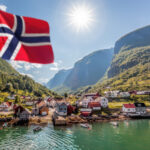
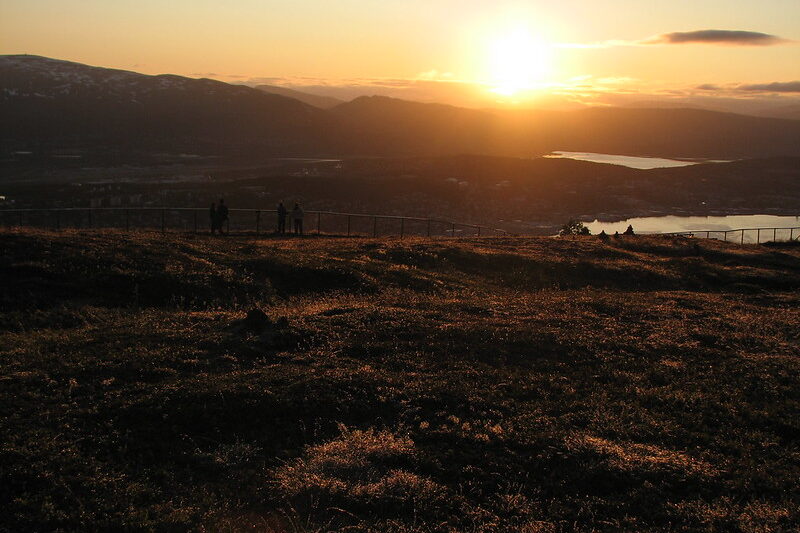
Norway is a narrow Scandinavian country in Northern Europe renowned for its breathtaking natural landscape dominated by dramatic fjords, mountains, and glaciers. Famous for its spectacular fjords—sea inlets between steep cliffs carved by glaciers—Norway offers some of the world’s most impressive scenery, including the magnificent Sognefjord and UNESCO-listed Geirangerfjord. The country’s unique geography extends from rugged coastlines dotted with approximately 50,000 islands to snow-capped mountain ranges, with the highest peak being Galdhøpiggen. Norway is one of the best places globally to witness the magical northern lights (aurora borealis), particularly in its Arctic regions from September to March. Beyond natural wonders, Norway boasts a high standard of living, vibrant cities like Oslo and Bergen, rich Viking heritage, and a strong tradition of outdoor activities embracing the “friluftsliv” (open-air living) philosophy. The country spans the Arctic Circle, offering experiences from the midnight sun in summer to polar nights in winter.
The destination guide
Norway
Travel guides for Norway
Itineraries & day trips (2)
Things to do (4)
Travel tips & costs (3)
Destination stories (1)
More guides featuring Norway (4)
At a glance
- Norwegian
- Fjords
- Northern lights
- Arctic tundra
- Mountain ranges
- Coastal villages
How Norway scores
Editorial scores on a 10-point scale, weighed against destinations of the same kind.
Travel safety snapshot
SafePlace indicators use their source 100-point scale; higher is more favourable. Planning context, not a live travel advisory — check official government guidance before you go.
When to go
Best months to visit: April, May, June, July, August, September and October.
- January: -9.1 to -3.8 degrees Celsius, 58.6 millimetres of rain, best-time score 2 out of 5.
- February: -8.2 to -2.4 degrees Celsius, 51 millimetres of rain, best-time score 2 out of 5.
- March: -6.2 to 0.4 degrees Celsius, 53.2 millimetres of rain, best-time score 3 out of 5.
- April: -3.5 to 5.2 degrees Celsius, 45.3 millimetres of rain, best-time score 4 out of 5.
- May: 1.4 to 11.3 degrees Celsius, 49.2 millimetres of rain, best-time score 5 out of 5.
- June: 6.9 to 16.6 degrees Celsius, 85.7 millimetres of rain, best-time score 5 out of 5.
- July: 8.5 to 17.8 degrees Celsius, 97.3 millimetres of rain, best-time score 5 out of 5.
- August: 7.5 to 16 degrees Celsius, 94.9 millimetres of rain, best-time score 5 out of 5.
- September: 5.1 to 12.3 degrees Celsius, 95.8 millimetres of rain, best-time score 5 out of 5.
- October: 0.4 to 5.9 degrees Celsius, 81.8 millimetres of rain, best-time score 4 out of 5.
- November: -4.1 to 0.5 degrees Celsius, 66.4 millimetres of rain, best-time score 2 out of 5.
- December: -6.5 to -2.1 degrees Celsius, 68.5 millimetres of rain, best-time score 3 out of 5.
Month-by-month conditions and packing advice
- January
- Very cold, occasional rain Cold winter weather, few tourists. Crowds: January in Norway is best for winter-ready travelers; outdoor plans need warm gear, shorter daylight expectations, and weather-aware transport planning. Pack: Pack insulated layers, warm footwear, gloves, and a serious winter coat.
- February
- Very cold, occasional rain Chilly and quiet, good for museums. Crowds: February in Norway is best for winter-ready travelers; outdoor plans need warm gear, shorter daylight expectations, and weather-aware transport planning. Pack: Pack insulated layers, warm footwear, gloves, and a serious winter coat.
- March
- Very cold, occasional rain Beginning to warm up, spring blossoms. Crowds: March in Norway is best for winter-ready travelers; outdoor plans need warm gear, shorter daylight expectations, and weather-aware transport planning. Pack: Pack insulated layers, warm footwear, gloves, and a serious winter coat.
- April
- Cold, occasional rain Pleasant spring weather, great for walking. Crowds: April in Norway is workable with normal seasonal planning; build in layers, weather checks, and a mix of indoor and outdoor activities. Pack: Pack warm layers, a coat, and comfortable shoes for cold mornings and evenings.
- May
- Cool to mild, occasional rain Excellent weather before the summer crowds. Crowds: May in Norway is workable with normal seasonal planning; build in layers, weather checks, and a mix of indoor and outdoor activities. Pack: Pack warm layers, a coat, and comfortable shoes for cold mornings and evenings.
- June
- Cool to mild, some rain Warm, sunny, and lively. Crowds: June in Norway is workable with normal seasonal planning; build in layers, weather checks, and a mix of indoor and outdoor activities. Pack: Pack layered clothing and comfortable walking shoes. Add a rain jacket or compact umbrella.
- July
- Cool to mild, some rain Peak summer heat and peak tourist season. Crowds: July in Norway is workable with normal seasonal planning; build in layers, weather checks, and a mix of indoor and outdoor activities. Pack: Pack layered clothing and comfortable walking shoes. Add a rain jacket or compact umbrella.
- August
- Cool to mild, some rain Very warm, many festivals and outdoor dining. Crowds: August in Norway is workable with normal seasonal planning; build in layers, weather checks, and a mix of indoor and outdoor activities. Pack: Pack layered clothing and comfortable walking shoes. Add a rain jacket or compact umbrella.
- September
- Cool to mild, some rain Perfect shoulder season with great weather. Crowds: September in Norway is workable with normal seasonal planning; build in layers, weather checks, and a mix of indoor and outdoor activities. Pack: Pack layered clothing and comfortable walking shoes. Add a rain jacket or compact umbrella.
- October
- Cold, some rain Crisp autumn air and beautiful colors. Crowds: October in Norway is workable with normal seasonal planning; build in layers, weather checks, and a mix of indoor and outdoor activities. Pack: Pack warm layers, a coat, and comfortable shoes for cold mornings and evenings. Add a rain jacket or compact umbrella.
- November
- Very cold, occasional rain Cooling down rapidly, often rainy. Crowds: November in Norway is workable with normal seasonal planning; build in layers, weather checks, and a mix of indoor and outdoor activities. Pack: Pack warm layers, a coat, and comfortable shoes for cold mornings and evenings.
- December
- Very cold, occasional rain Cold but festive holiday atmosphere. Crowds: December in Norway is best for winter-ready travelers; outdoor plans need warm gear, shorter daylight expectations, and weather-aware transport planning. Pack: Pack insulated layers, warm footwear, gloves, and a serious winter coat.
- January
- February
- June
- December
- April
- May
- August
- September
Know before you go
Neighbourhoods
Oslo, Bergen, Tromsø, Trondheim, Stavanger
Best time to visit
June-August for hiking and the Midnight Sun. November-March for Northern Lights and skiing.
Season by season
Summer (June-Aug):
Weather: 15-25°C, 24hr daylight (Midnight Sun in north)
Highlights: Hiking, fjord cruises, road trips
Best For: All outdoor activities, main tourist season
Winter (Nov-March):
Weather: -10 to 5°C, snowy, dark
Highlights: Northern Lights (Aurora), skiing, cozy cabins
Best For: Aurora hunters, winter sports
Shoulder (May, Sept):
Weather: 5-15°C, cool
Highlights: Waterfalls pumping (May), fall colors (Sept)
Best For: Avoiding crowds, photographers
Crowds
Norway’s peak crowds concentrate in fjord regions and cities in June–August, with major spikes during Midnight Sun season and European summer holidays; quietest in late autumn and winter (November–March) aside from ski areas and Northern Lights hotspots which see seasonal visitors.
Getting there and around
Getting there
Oslo Airport (OSL) is the main hub. Bergen (BGO) and Stavanger (SVG) also have international connections.
Getting around
Trains offer scenic journeys (Oslo-Persen). Ferries and express boats are essential for coastal travel. Rental cars allow flexibility.
Top experiences in Norway
Geirangerfjord
A UNESCO World Heritage site known for its deep blue waters, majestic peaks, and cascading waterfalls like the Seven Sisters.
Pulpit Rock (Preikestolen)
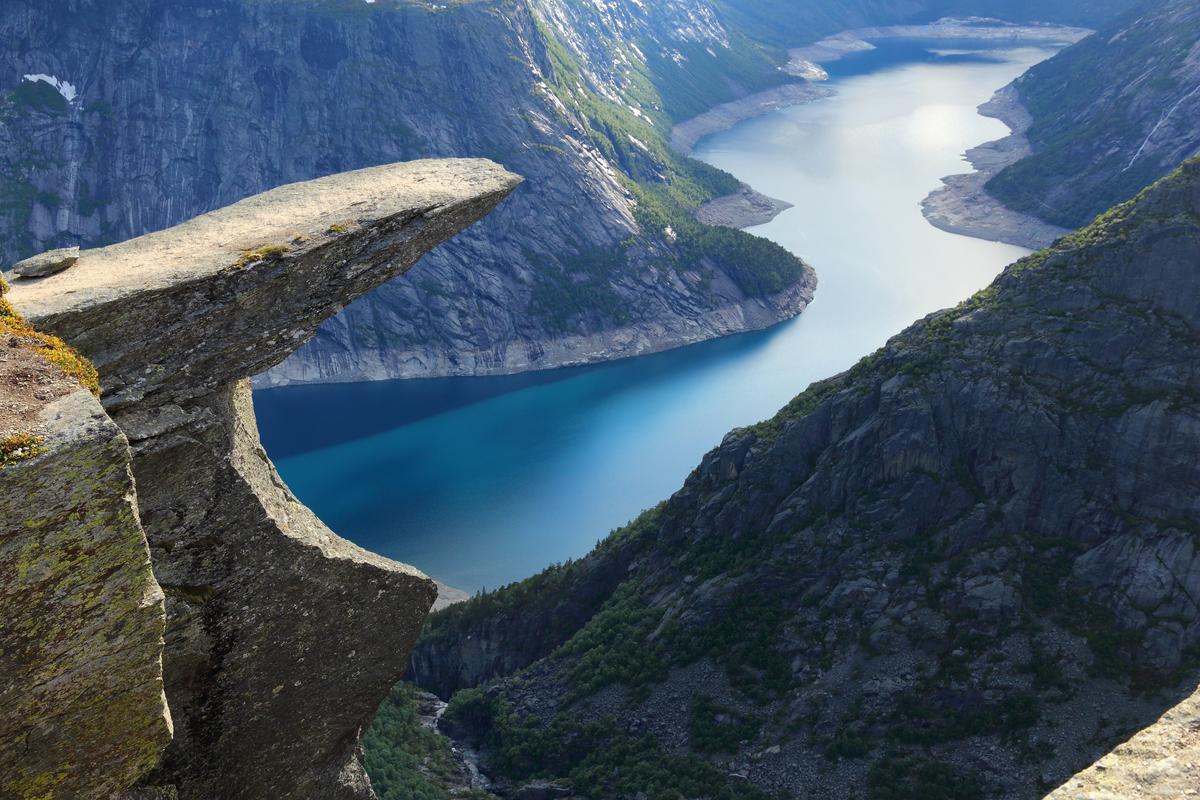
Pulpit Rock is Norway’s most iconic natural landmark—a flat, square rock plateau jutting out 604 meters (1,982 ft) almost vertically above the Lysefjord. The hike is accessible but rewarding, leading to a view that feels like the edge of the world. Standing on the plateau (without guardrails) offers a thrilling sense of scale and freedom unique to Norwegian nature.
Lofoten Islands
The Lofoten Islands are a dramatic archipelago above the Arctic Circle where jagged granite peaks rise directly from the sea. Famous for red ‘rorbu’ fishermen’s cabins on stilts, white sand beaches, and the Midnight Sun, it is a landscape of stark, impossible beauty. It’s a paradise for photographers, hikers, and surfers braving the cold waters.
Bryggen in Bergen
Bryggen is the historic harbor district of Bergen, a UNESCO World Heritage site consisting of colorful wooden commercial buildings from the Hanseatic League era. The narrow, leaning alleyways between the buildings transport visitors to the Middle Ages when cod was the currency of the north. Fire has ravaged them often, but they are always rebuilt in tradition.
Trolltunga
Trolltunga (‘Troll’s Tongue’) is a rock formation jutting horizontally out of a mountain about 700 meters above Lake Ringedalsvatnet. The hike is visually stunning but demanding (10-12 hours round trip), attracting adventurers seeking one of the world’s most spectacular photo opportunities. It symbolizes the wild, untamed heart of the Norwegian fjords.
Editor-curated picks carried over from our original guide. Where a full place guide exists, the card links to it.



Worth booking ahead in Norway
Hand-picked from the operators our guides already send readers to. Prices and availability are live on the partner site.
BrowseViator
Tours and tickets in Norway on Viator (opens Viator in a new tab)
Viator's full list of bookable tours and tickets in Norway.
BrowseGetYourGuide
Experiences in Norway on GetYourGuide (opens GetYourGuide in a new tab)
Everything GetYourGuide sells in Norway, with the cancellation terms on each listing.
Where to stayBooking.com
Stays in Norway (opens Booking.com in a new tab)
Live rates and availability for Norway on Booking.com; filter by neighbourhood once you know where your days start.
We earn a commission if you book through these links, at no extra cost to you. It is how we keep the guides free and independent.
Where to stay
The Thief (Oslo)
Landgangen 1, 0252 Oslo, Norway
A stylish, contemporary art hotel on the islet of Tjuvholmen, offering waterfront views and a world-class spa.
Hotel Union Øye
Øye, 6196 Norangsfjorden, Norway
Hotel Union Øye, located by the remote Norangsfjord, is a journey back to the 19th century. A favorite of royalty and mountaineers since 1891, each room is individually named after famous guests like Kaiser Wilhelm II or Sir Arthur Conan Doyle. The wooden Swiss-style architecture, antique furnishings, and lack of televisions preserve the historic atmosphere of classic fjord tourism.
Opus 16
Vågsallmenningen 16, 5014 Bergen, Norway
Opus 16 in Bergen is a luxury hotel run by relatives of Norway’s most famous composer, Edvard Grieg. Housed in a historic bank building, it pairs minimalist Nordic design with classical heritage. The hotel features a permanent exhibition of Grieg’s life, daily afternoon tea concerts, and spacious modern rooms in the heart of the city.
Editor-curated stays carried over from our original guide. Where we have reviewed the hotel, the card links to the review.
Tips from the field
Highlights
- Geirangerfjord – UNESCO protected deep blue fjord
- Lofoten Islands – Arctic peaks and fishing villages
- Pulpit Rock – Iconic cliff view
- Bergen Bryggen – Hanseatic wooden wharf
- Northern Lights – Tromsø and north
- Oslo Opera House – Walkable marble roof
- Atlantic Ocean Road – Scenic drive skipping across islands
- Flåm Railway – Steep scenic train ride
Best activities
- Norway is synonymous with the outdoors. Cruising the fjords (Geiranger or Nærøyfjord) is mandatory to understand the scale of the landscape. Hiking is the national pastime
- tackled Pulpit Rock or the easier Mount Fløyen in Bergen. Driving the Atlantic Ocean Road or the winding Trollstigen offers world-class road tripping. In winter, chasing the Northern Lights in Tromsø via dog sled or snowmobile is a bucket-list adventure. In Oslo, walking on the roof of the Opera House and exploring the Vigeland Sculpture Park connects you with modern Norwegian culture.
Practical tips
- Book 'Minipris' train tickets in advance for discounts. Tap water is among the purest in the world
- drink it.
Photography tips
- Golden Hour: Actually lasts for hours during the Midnight Sun (summer nights).
- Iconic Shots:
- Reine village in Lofoten with mountains behind.
- Pulpit Rock looking down into the fjord.
- Bryggen reflections in the harbor.
- Northern Lights over a snowy beach.
- Technique: Bring a graduated ND filter to balance the bright sky/snow against dark fjord waters.
Timing
- Peak Season (June-Aug):
- Best weather, long days
- Crowds at main hikes
- Book accommodation months ahead
- Northern Lights Season (Sept-March):
- Dark nights needed
- March is good balance of snow and light
- Waterfall Season (May-June):
- Snowmelt makes waterfalls massive
- Fjords are waking up
Keeping it authentic
- Norway's concept of 'Friluftsliv' (open-air living) is the key to local life. It's not just about extreme sports but about a simple connection to nature—eating a packed lunch (matpakke) on a hike is a ritual. The 'Kos' (coziness) culture is strong, especially in winter. Authentic Norway is found in the rural cabins (hytte) where families retreat to disconnect.
Culture, customs and safety
Cultural heritage
Norway’s cultural heritage is deeply shaped by its Viking legacy, maritime history, and enduring rural traditions. Its wooden stave churches, like the one in Urnes (a UNESCO World Heritage site), exemplify medieval craftsmanship blending Christian and Norse motifs. The old wharf of Bryggen in Bergen, another UNESCO site, reflects Hanseatic trading power and timber architecture from the 14th century. Sámi culture in the Arctic north preserves Indigenous reindeer herding, spiritual beliefs, and duodji (traditional crafts), asserting a unique layer of cultural identity. Across Norway, folklore, folk music, and a reverence for nature remain vital to both national pride and everyday life.
Local customs & etiquette
‘Friluftsliv’ (outdoor life) is a core value. Punctuality is important. Tipping is not mandatory but appreciated (5-10%).
Safety notes
Extremely safe. Be prepared for rapidly changing weather in the mountains. Polar bear risks exist only in Svalbard.