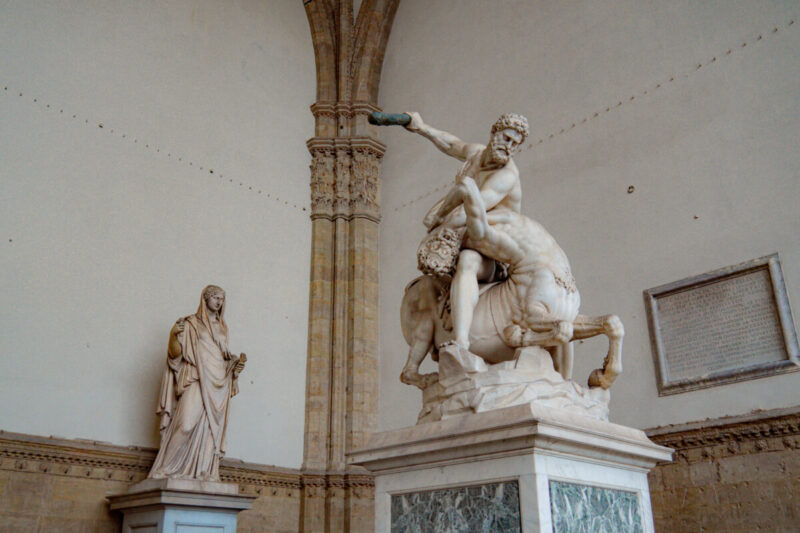
After spending time exploring Norway’s majestic fjords and uncovering hidden urban gems, I’ve discovered something fascinating: the most incredible experiences in this stunning Nordic nation aren’t found in any guidebook.
Being from Minnesota and of Norwegian and North-Germanic descent, visiting Norway was a trip that had been earmarked for far too long for me.
Practical tips only get you so far. The other half of a smooth trip is social: 16 things to know about Norwegian people covers the customs that catch visitors out.
I wear my Scandinavian heritage: Skol Vikings, Lutefisk, the love for getting lost in nature, the pursuit of pure hygge, and so on. This trip was a big deal, and I can’t wait to return. It just felt like home.
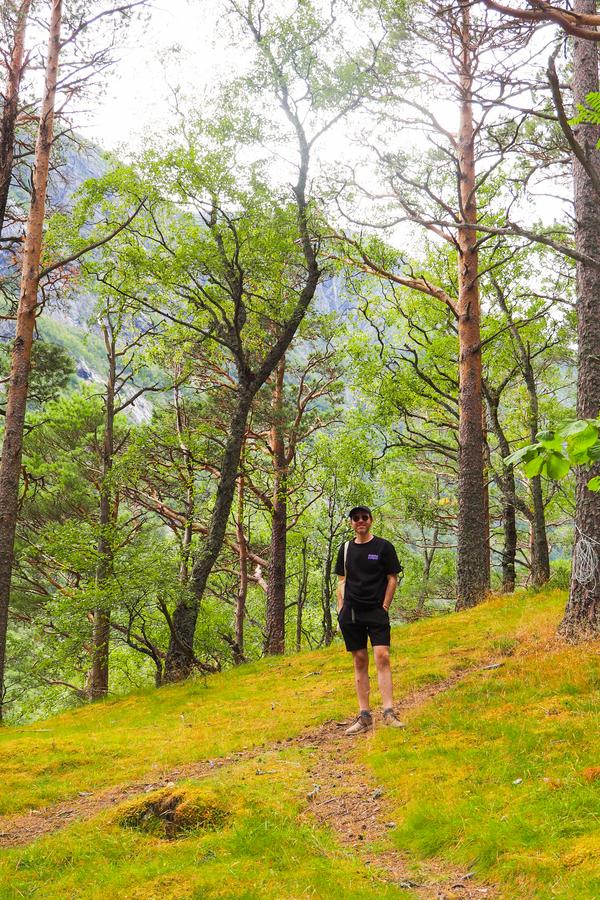
It was also my first taste of ancestral exploration, and I loved it as an opportunity to understand more about myself. I advise everyone to do the same, no matter their background.
Fortunately, being a full-time traveler and working with some amazing full-time travel writers, I compiled all my notes from our countless conversations about this glorious country.
So, the guide below includes my perspectives, those of the ViaTravelers team, and my relatives who have spent several trips here.
Yes, family members, I’m taking notes while we’re having Thanksgiving dinner and talking about Norway.
As always, I carried my camera everywhere, so with these tips, you’ll see as much of my visual depiction of each tip as possible to back it up. Yeah, I was here.
These are the game-changing tips that transformed my Norwegian adventure – and they’ll revolutionize yours, too.
Enter hygee. Exit anything else.
1. The Norway in a Nutshell Secret No One Tells You
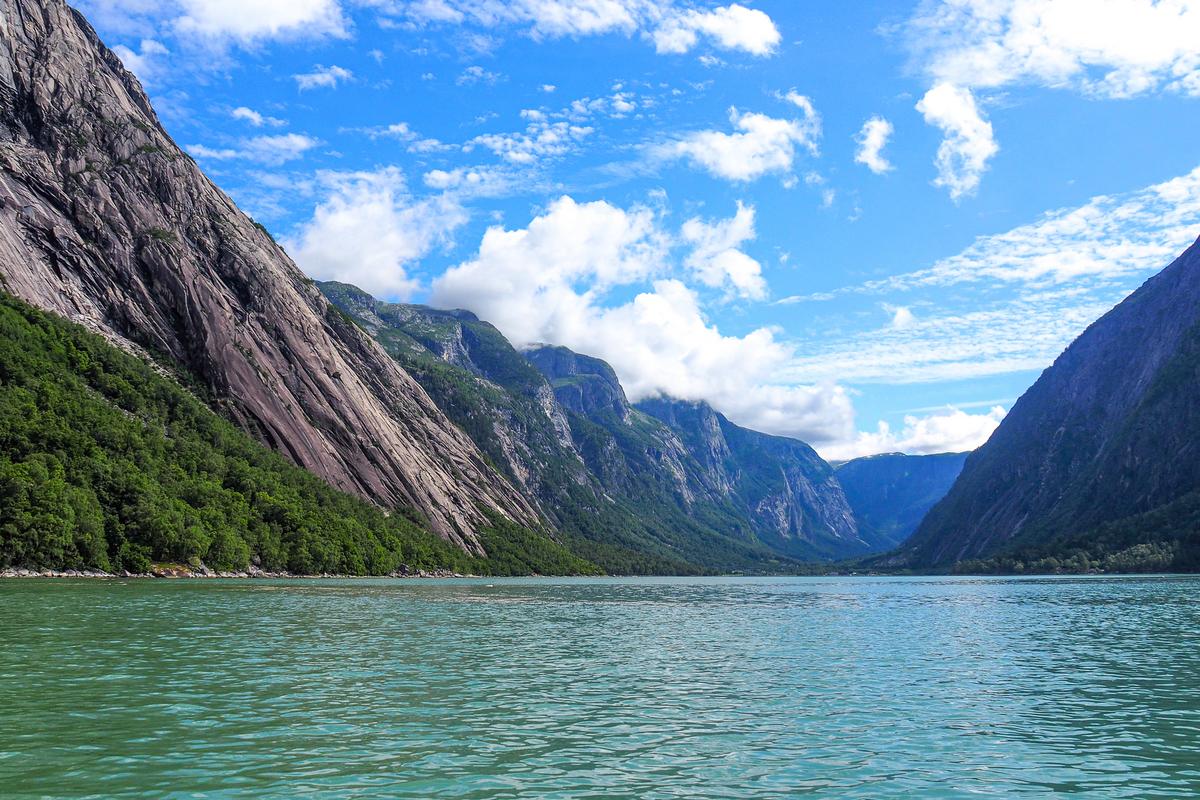
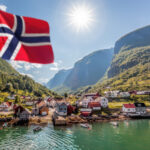
Norway in a Nutshell is not a guided tour. It is a bundle of scheduled public transport that anyone can buy piece by piece: the Bergen Railway, the Flam Railway, a fjord boat through the UNESCO-listed Naerofjord, and a bus from Gudvangen to Voss. Every leg is sold separately by the operators who run it.
Book the Oslo-Myrdal and Voss-Bergen rail legs directly with Vy, the Flam Railway with Flamsbana, and the fjord boat with the ferry operator. Vy releases discounted minipris fares roughly 90 days ahead and they sell out, so the saving comes from booking early rather than from any trick – price the bundle against the individual legs on your dates before you commit, because on some departures the package genuinely wins.
Arriving by ship changes the packing maths, since you are moving between deck wind and town streets several times a day. our Norway cruise packing list breaks it down season by season.
2. The Hidden Food Market Strategy
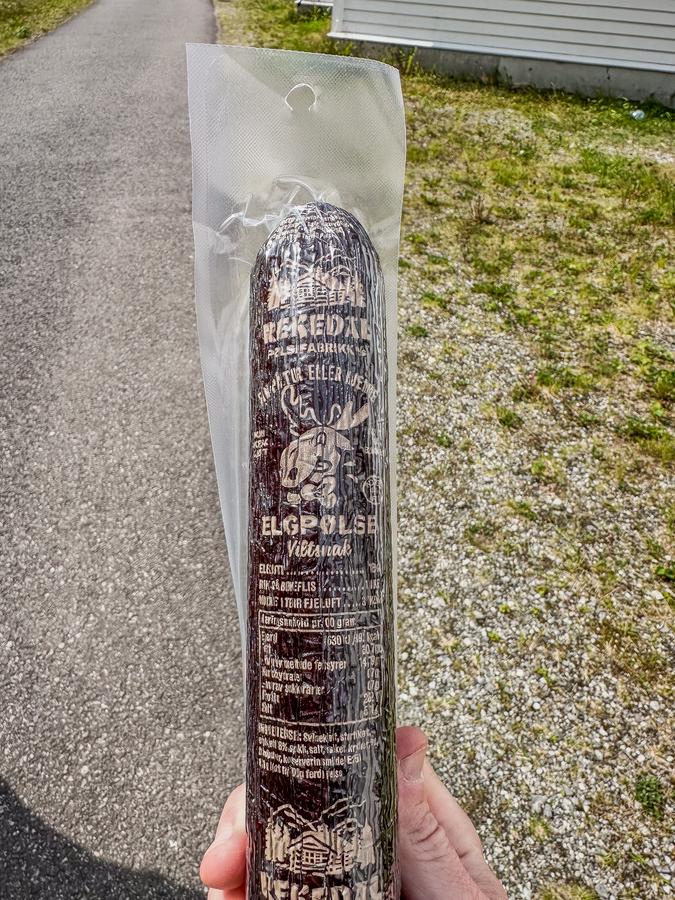
Skip those tourist-trap restaurants. I discovered Norway’s best food secrets at local markets, especially during their “magic hour.” Visit Bergen’s Fish Market after 4 PM – vendors often slash prices by 50% rather than waste fresh catch.
Even better? Head to a Rema 1000 supermarket at 7 PM for their “kort holdbarhets” (short expiry) yellow-tag discounts, often 30-70% off fresh items.
3. The Seasonal Sweet Spot Most Miss

Everyone talks about peak season, but the secret is micro-shoulder seasons. I discovered that visiting just two weeks before the official peak season starts gets you perfect conditions at off-season prices. The magic windows are:
- Mid-May for fjords (pre-cruise ship invasion)
- Early September for northern lights (with bonus midnight sun)
- Late March for winter sports (perfect snow, sparse crowds)
- Early June for endless daylight adventures
Read Also: Places to Visit in Norway
4. The Oslo Pass Myth

Despite what every guide says, the Oslo Pass isn’t always worth it. After crunching the numbers, I found it only makes sense if you visit three or more museums daily.
Instead, use this approach: book free museum hours (usually the last Wednesday or Sunday of each month) and invest the savings in unique experiences like local food tours.
5. The Underground and Ferry Transport Trick

Forget expensive airport express trains. Use this local secret: combine public buses with regional trains for one-third the price.
Download the Entur app – it’s Norway’s official transport planner that even locals swear by. The journey might take 15 minutes longer, but you’ll save enough for a fantastic dinner in Oslo.
6. The Accommodation Game-Changer

They don’t tell you about Norwegian hotels: prices drop dramatically on Sunday nights – even at luxury properties. I regularly score 40-60% discounts by strategically planning city stays around Sundays.
Plus, many hotels offer “kveldsmat” (evening meal) included in the rate – a substantial spread that can replace dinner.
7. The Authentic Food Hack

Instead of hunting for traditional Norwegian restaurants, do what locals do: head to a bakery at 3 PM. This is when fresh skillingsboller (Norwegian cinnamon rolls) come out of the oven.
At about 35 NOK ($3.50), they’re not just delicious – they’re one of Norway’s best food values. I LOVE THESE. I thought my morning kaneelbroodje (cinnamon roll) in Amsterdam was the play. These are next level.
8. The Off-Season Fjord Discovery

While summer brings crowds to Geirangerfjord, I discovered that Eidfjord offers equally stunning views with a fraction of the tourists. Take the public bus from Bergen (route 990) for 299 NOK, then hop on the local ferry for spectacular views. The visitor center provides free maps for self-guided hikes to viewpoints that rival any premium tour.
9. The Local Transportation Card Trick and Micromobility

In Oslo and Bergen, tourists often buy individual tickets. Instead, load a weekly transport pass onto a digital Ruter (Oslo) or Skyss (Bergen) ticket.
The weekly pass costs less than eight single rides, even if you stay just four days. It works seamlessly across buses, trams, metros, and ferries.
10. The Hiking Lodge Network

Norway’s DNT (Norwegian Trekking Association) maintains a network of mountain lodges that most tourists never discover. DNT looks after more than 600 cabins and about 23,000 km of marked trails, and members book them at a large discount. A standard adult membership (ages 26-66) costs NOK 860 for the calendar year, youth membership (13-25) is NOK 365, and children under 13 are NOK 150. Memberships run 1 January to 31 December regardless of when you buy, so a summer purchase is worth it only if you plan several cabin nights.
Many are unstaffed but provide basic amenities like beds, firewood, and cooking facilities for a fraction of hotel prices.
If you love the outdoors, you’ll be in good hands here. I realize the photo above looks like a bunch of sticks, but hiking Norway in the early Summer was some of the most incredible moss and forestry I’ve seen. Truly extraordinary.
11. The Coffee Culture Secret


Norwegians rank among the world’s top coffee consumers, and there’s a local hack to enjoy it: look for “pafyll” (refill) signs in cafes. Many local coffee shops offer unlimited refills for the price of one cup – usually around 35-45 NOK. Some even provide free coffee during breakfast hours.
It’s not just for coffee, either. Sitting at the waterside at a brygghus is one of my favorite moments to unwind while taking in views. Simplicity and bliss at its core.
12. The Photography Time Hack

The famous Norwegian photo spots? They’re best captured during unexpected hours. The iconic Trolltunga hike, for instance, offers perfect lighting conditions from 3-5 PM in summer – when most tourists have already descended. Plus, afternoon hikers avoid the early morning crowds and enjoy warmer temperatures.
While Trolltunga is an excellent experience, particularly if you can do it the right way by hiking, there are plenty of other great options, some only visible by certain methods of transportation unless you are seriously advanced.
In my opinion, one overlooked option is the Troll Wall, Europe’s largest wall rock face. Hanging around Reinheimen National Park is always a good idea.
Read Also: Famous Landmarks in Norway to Visit
13. The Local Festival Advantage

Instead of tourist-focused events, seek local festivals like Slinningsbalet in Alesund (June) or Gladmatfestivalen in Stavanger (July). These celebrations often feature free entertainment, discounted food, and authentic cultural experiences. Check the local tourist office websites for event calendars – they’re rarely promoted internationally.
14. The Mobile Payment Essential
Cash is close to obsolete in Norway – plenty of buses, museums and small cafes are card-only. The thing most guides get wrong is Vipps. Vipps MobilePay is the app Norwegians use for everything from splitting a bill to paying a market stall, but signing up normally requires a Norwegian phone number, a Norwegian bank account and BankID linked to a Norwegian national or D-number. If you are visiting for a week, you almost certainly cannot get it.
What actually works: contactless Visa and Mastercard, Apple Pay and Google Pay are accepted almost everywhere, including ticket machines and small kiosks. Bring two cards from different issuers, tell your bank you are travelling, and skip currency exchange entirely. The handful of Vipps-only discounts you will miss are not worth reorganising your trip around. Budgeting the rest of the trip is the harder part – see our breakdown of what a trip to Norway actually costs.
15. The Weekend Cabin Strategy

Norwegians often leave cities on weekends, heading to their mountain cabins during the summer, just like “Going Up North” for those fellow Minnesotans. This creates a perfect opportunity for city exploration.
Hotel prices in Oslo, Bergen, and Stavanger drop significantly on Friday and Saturday nights. I found luxury hotels offering weekend rates up to 40% lower than midweek prices.
16. The Museum Pass Hack

While city passes can be expensive, individual museum memberships often pay for themselves in two visits. For instance, the National Gallery in Oslo offers an annual membership for 950 NOK, including unlimited visits plus guest passes. This is perfect for longer stays or repeat visitors.
17. The Northern Lights Strategy That Actually Works

Forget expensive tours – I found the best Northern Lights views using this local strategy: download the Norway Lights app, head to Tromso’s Prestvannet Lake (just 20 minutes by bus from downtown), and wait on the north shore.
The lake’s dark surroundings and northern exposure create perfect viewing conditions, and it is completely free.
The real question is: Are you prepared for the journey to get there? You should. It’s worth it.
Read Also:
Packing for a Budget Norway Adventure

Smart packing can save you money and hassle on your Norway trip. Focus on versatile items that work for different activities and weather conditions.
Essentials for Cost-Effective Travel

Pack a sturdy, waterproof backpack with a comfortable waist strap. This keeps your gear dry and saves money on luggage fees. Bring layers instead of bulky coats. A lightweight fleece, rain jacket, and thermal base layer work well together. Pack quick-dry clothes to reduce laundry costs.
Comfortable walking shoes are a must. One pair of waterproof hiking boots and casual shoes should suffice. Don’t forget a reusable water bottle to save on drink purchases.
For electronics, a portable charger and universal adapter are key. They help avoid buying expensive replacements abroad.
Avoiding Unnecessary Expenses
Leave fancy outfits at home. Stick to versatile pieces that mix and match easily. This will save space and prevent the need to buy new clothes.
Pack travel-sized toiletries instead of full-sized bottles. They take up less room and comply with flight restrictions. Bring a small first aid kit with basic medicines. It’s cheaper than buying them in Norway.
Use packing cubes to organize your bag. They maximize space, letting you fit more in a carry-on and avoid checked bag fees. A travel towel is lightweight and dries quickly, perfect for budget accommodations.
Weather and Seasonal Considerations

Norway’s weather varies greatly by region and season. Summers are mild, usually between 15-20 degrees C (59-68 degrees F). Winters are cold, especially in the north.
The best time to visit depends on what you want to do. Summer (June-August) is the peak tourist season. It’s great for hiking and enjoying long daylight hours.
Winter (November-March) is perfect for skiing and Northern Lights viewing. But daylight hours are very short, especially in the north.
Spring and fall offer milder weather and fewer crowds. They’re good times for sightseeing and outdoor activities, and prices are often lower than in summer.
Pack layers no matter when you visit. Weather can change quickly, especially in mountainous areas, and rain gear is essential year-round.
Norway Travel FAQs
Can tourists use Vipps in Norway?
Usually not. Vipps MobilePay normally requires a Norwegian phone number, a Norwegian bank account and BankID tied to a Norwegian national or D-number, which short-stay visitors do not have. Contactless Visa and Mastercard, Apple Pay and Google Pay are accepted almost everywhere in Norway, including on buses and at ticket machines, so a foreign card is enough.
How much is a DNT membership and what does it get you?
A standard adult DNT membership (ages 26-66) costs NOK 860 for the calendar year, youth 13-25 pay NOK 365, and children under 13 pay NOK 150. Membership gives discounted access to more than 600 cabins and about 23,000 km of marked trails across Norway. Memberships run 1 January to 31 December no matter when you buy, so they pay off if you plan several cabin nights.
Is the Oslo Pass worth buying?
Only if you visit three or more paid museums in a single day. Below that, individual tickets plus a transport ticket usually cost less. Check which museums on your list already offer free admission hours before you buy.
Should you book Norway in a Nutshell or the legs separately?
Price both. Norway in a Nutshell bundles scheduled public transport – the Bergen Railway, the Flam Railway, a Naerofjord boat and a Gudvangen-Voss bus – and every leg is sold separately by its operator. Vy releases discounted minipris rail fares about 90 days ahead, so booking early is where the saving comes from. On some dates the bundle still wins.
Making Your Norway Trip Worth the Money

Pair these tips with a route: our guides to the best places to visit in Norway and Norway’s most famous landmarks cover where to point the itinerary once the logistics are sorted. These aren’t just tips for saving money or avoiding crowds – they’re your key to experiencing Norway’s true magic.
Remember: Norway rewards the prepared and the curious. Use these tips as your foundation, but don’t be afraid to create your adventures. The best stories often come from those unexpected moments when you venture off the beaten path.