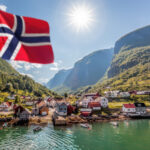
Bergen clings to the mountainous western coast of Norway, where a natural harbor surrounded by seven peaks created one of Scandinavia’s most visually striking cities that served historically as Norway’s medieval capital and center of the powerful Hanseatic League trading network. This gateway to the fjords presents its maritime history most visibly through the UNESCO-protected Bryggen district, where colorful wooden warehouses with distinctive pointed gables line the eastern side of Vågen harbor, once filled with stockfish (dried cod) and now housing craft shops, restaurants, and the Hanseatic Museum documenting merchant life from the 14th to 18th centuries. Unlike Oslo’s urban sprawl, Bergen maintains a compact historical center encircled by mountains accessible via the Fløibanen funicular, which ascends Mount Fløyen to provide panoramic views across red-tiled roofs to the fjord-indented coastline, with hiking paths extending from the summit through pine forests. The city’s cultural significance to Norway manifests through its role as birthplace of composer Edvard Grieg, whose villa Troldhaugen now operates as a museum with regular piano recitals, and through the Bergen Philharmonic Orchestra, one of the world’s oldest orchestras dating to 1765. Bergen’s identity as Norway’s most precipitous city (with annual rainfall exceeding 2,200 mm) creates a atmospheric quality with frequent rainbows appearing over the harbor and locals displaying characteristic hardiness and humor about the weather. The city maintains its fishing traditions through the daily Fish Market where vendors sell seafood harvested from the surrounding waters, while contemporary Norwegian cuisine shines in restaurants emphasizing local ingredients like lamb from neighboring mountain pastures and seafood from the cold, clear waters of the fjords. Throughout its well-preserved quarters, Bergen balances its historical significance with a youthful energy driven by a large student population, while serving as the essential starting point for exploration of Norway’s most spectacular fjord landscapes including the Sognefjord and Hardangerfjord, both accessible through day trips from the city.
The destination guide
Bergen

Bergen gets 2,200mm of rain a year. Locals joke about it. The rainbows over Bryggen are not a joke.
Travel guides for Bergen
More guides featuring Bergen (9)
At a glance
- Norwegian
- Norwegian fjord city
- Mountain harbor
- Wooden wharf houses
- Bergen coast
Practical basics
- Driving side
- Right
- Electrical standard
- 230V/50Hz Type C/F
- Emergency numbers
- 112
- Country code
- NO
How Bergen scores
Character
Editorial scores on a 10-point scale, weighed against destinations of the same kind.
Travel safety snapshot
SafePlace indicators use their source 100-point scale; higher is more favourable. Planning context, not a live travel advisory — check official government guidance before you go.
When to go
Best months to visit: May, June, July, August, September and October.
- January: -1.8 to 2.6 degrees Celsius, 237.1 millimetres of rain, best-time score 2 out of 5.
- February: -1.4 to 3.7 degrees Celsius, 224.9 millimetres of rain, best-time score 2 out of 5.
- March: -0.1 to 5.9 degrees Celsius, 177.3 millimetres of rain, best-time score 2 out of 5.
- April: 1.8 to 9.6 degrees Celsius, 104.3 millimetres of rain, best-time score 3 out of 5.
- May: 5.9 to 14 degrees Celsius, 110.8 millimetres of rain, best-time score 4 out of 5.
- June: 9.5 to 16.8 degrees Celsius, 146.2 millimetres of rain, best-time score 5 out of 5.
- July: 11 to 17.7 degrees Celsius, 189 millimetres of rain, best-time score 5 out of 5.
- August: 10.8 to 17.1 degrees Celsius, 252.8 millimetres of rain, best-time score 5 out of 5.
- September: 9 to 15.1 degrees Celsius, 277.8 millimetres of rain, best-time score 5 out of 5.
- October: 5.1 to 10.3 degrees Celsius, 301.7 millimetres of rain, best-time score 4 out of 5.
- November: 1.7 to 6 degrees Celsius, 226.4 millimetres of rain, best-time score 2 out of 5.
- December: -0.2 to 4 degrees Celsius, 274.3 millimetres of rain, best-time score 2 out of 5.
Month-by-month conditions and packing advice
- January
- Cold, rainy January in Bergen: short, wet, dark winter days make outdoor travel less balanced. Crowds: January in Bergen is one of the wetter periods, so museums, food stops, flexible reservations, and backup indoor plans make the trip easier. Pack: Pack warm layers, a coat, and comfortable shoes for cold mornings and evenings. Add a rain jacket or compact umbrella.
- February
- Cold, rainy February in Bergen: short, wet, dark winter days make outdoor travel less balanced. Crowds: February in Bergen is one of the wetter periods, so museums, food stops, flexible reservations, and backup indoor plans make the trip easier. Pack: Pack warm layers, a coat, and comfortable shoes for cold mornings and evenings. Add a rain jacket or compact umbrella.
- March
- Cold, rainy March in Bergen: short, wet, dark winter days make outdoor travel less balanced. Crowds: March in Bergen is one of the wetter periods, so museums, food stops, flexible reservations, and backup indoor plans make the trip easier. Pack: Pack warm layers, a coat, and comfortable shoes for cold mornings and evenings. Add a rain jacket or compact umbrella.
- April
- Cold, some rain April in Bergen: early spring is scenic but weather and trail conditions are less dependable. Crowds: April in Bergen is workable with normal seasonal planning; build in layers, weather checks, and a mix of indoor and outdoor activities. Pack: Pack warm layers, a coat, and comfortable shoes for cold mornings and evenings. Add a rain jacket or compact umbrella.
- May
- Cool to mild, some rain May in Bergen: shoulder timing can work with fewer crowds and flexible weather plans. Crowds: May in Bergen is workable with normal seasonal planning; build in layers, weather checks, and a mix of indoor and outdoor activities. Pack: Pack layered clothing and comfortable walking shoes. Add a rain jacket or compact umbrella.
- June
- Cool to mild, rainy June in Bergen: fjord cruises, mountain viewpoints, harbor walks, day hikes, seafood, and long daylight are most reliable. Crowds: June in Bergen is one of the wetter periods, so museums, food stops, flexible reservations, and backup indoor plans make the trip easier. Pack: Pack layered clothing and comfortable walking shoes. Add a rain jacket or compact umbrella.
- July
- Cool to mild, rainy July in Bergen: fjord cruises, mountain viewpoints, harbor walks, day hikes, seafood, and long daylight are most reliable. Crowds: July in Bergen is one of the wetter periods, so museums, food stops, flexible reservations, and backup indoor plans make the trip easier. Pack: Pack layered clothing and comfortable walking shoes. Add a rain jacket or compact umbrella.
- August
- Cool to mild, rainy August in Bergen: fjord cruises, mountain viewpoints, harbor walks, day hikes, seafood, and long daylight are most reliable. Crowds: August in Bergen is one of the wetter periods, so museums, food stops, flexible reservations, and backup indoor plans make the trip easier. Pack: Pack layered clothing and comfortable walking shoes. Add a rain jacket or compact umbrella.
- September
- Cool to mild, rainy September in Bergen: fjord cruises, mountain viewpoints, harbor walks, day hikes, seafood, and long daylight are most reliable. Crowds: September in Bergen is one of the wetter periods, so museums, food stops, flexible reservations, and backup indoor plans make the trip easier. Pack: Pack layered clothing and comfortable walking shoes. Add a rain jacket or compact umbrella.
- October
- Cool to mild, rainy October in Bergen: shoulder timing can work with fewer crowds and flexible weather plans. Crowds: October in Bergen is one of the wetter periods, so museums, food stops, flexible reservations, and backup indoor plans make the trip easier. Pack: Pack layered clothing and comfortable walking shoes. Add a rain jacket or compact umbrella.
- November
- Cold, rainy November in Bergen: short, wet, dark winter days make outdoor travel less balanced. Crowds: November in Bergen is one of the wetter periods, so museums, food stops, flexible reservations, and backup indoor plans make the trip easier. Pack: Pack warm layers, a coat, and comfortable shoes for cold mornings and evenings. Add a rain jacket or compact umbrella.
- December
- Cold, rainy December in Bergen: short, wet, dark winter days make outdoor travel less balanced. Crowds: December in Bergen is one of the wetter periods, so museums, food stops, flexible reservations, and backup indoor plans make the trip easier. Pack: Pack warm layers, a coat, and comfortable shoes for cold mornings and evenings. Add a rain jacket or compact umbrella.
- June
- July
- August
- December
- January
- February
Know before you go
Best time to visit
June to August for the warmest weather (15-20°C), longest daylight, and full access to fjord cruises and mountain hikes. June is typically driest. Bergen averages 230+ rainy days per year — rain gear is essential in every season. Spring (March-May) and autumn (September-November) offer fewer crowds, lower prices, and dramatic lighting. Winter has the cheapest accommodation, Christmas markets, and potential northern lights sightings.
Getting there and around
Getting there
Bergen Airport Flesland (BGO) has flights from major European cities, connected to the center by Bybanen light rail (20 minutes) or airport bus. The Bergen Line from Oslo is one of the world’s most scenic train routes (6.5-7.5 hours through mountain plateaus). Fjord Line ferries operate from Denmark and Stavanger. Express buses serve Stavanger and regional towns. Bergen is a Hurtigruten and Havila Voyages turnaround port.
Getting around
Bergen’s center is compact and walkable — Bryggen, the Fish Market, and Fløibanen are all within a 10-minute walk. The Skyss public transport system includes buses and the Bybanen light rail. The Bergen Card provides free travel plus museum entry. Local boats serve coastal areas and islands. Taxis are available but expensive. Cycling is an option, though Bergen’s hills and rain can be challenging. Uber is not available in Norway.
Top experiences in Bergen
Bryggen (Historic Wharf)
Mount Fløyen & Fløibanen
Fish Market (Fisketorget)
Sognefjord & Hardangerfjord
KODE Art Museums
Editor-curated picks carried over from our original guide. Where a full place guide exists, the card links to it.
Worth booking ahead in Bergen
Hand-picked from the operators our guides already send readers to. Prices and availability are live on the partner site.
BrowseViator
Tours and tickets in Bergen on Viator (opens Viator in a new tab)
Viator's full list of bookable tours and tickets in Bergen.
BrowseGetYourGuide
Experiences in Bergen on GetYourGuide (opens GetYourGuide in a new tab)
Everything GetYourGuide sells in Bergen, with the cancellation terms on each listing.
Where to stayBooking.com
Stays in Bergen (opens Booking.com in a new tab)
Live rates and availability for Bergen on Booking.com; filter by neighbourhood once you know where your days start.
We earn a commission if you book through these links, at no extra cost to you. It is how we keep the guides free and independent.
Where to stay
Det Hanseatiske Hotel
Bradbenken 2-3, 5003 Bergen, Norway
Historic hotel in the heart of Bryggen with plush rooms, atmospheric bar, excellent Scandinavian cuisine, and complimentary buffet breakfast in a UNESCO heritage setting.
Opus XVI
Vestre Torggaten 1A, 5015 Bergen, Norway
Luxury hotel in a restored 1876 building near the ferry docks with individually designed rooms and suites, part of Small Luxury Hotels of the World.
Bergen Børs Hotel
Bradbenken 2, 5003 Bergen, Norway
Elegant boutique hotel at the end of Bryggen Wharf overlooking the harbor, with stylish bar, restaurant, and rooms with underfloor heating and city views.
Editor-curated stays carried over from our original guide. Where we have reviewed the hotel, the card links to the review.
Tips from the field
Highlights
- Bryggen — UNESCO-listed colorful wooden wharf from the Hanseatic era. Mount Fløyen — Panoramic views via the Fløibanen funicular (320 m elevation). Fish Market — Fresh seafood market operating since the 1200s. Gateway to Fjords — Easy access to Sognefjord and Hardangerfjord. KODE Museums — Four buildings of art, craft, design, and music. Troldhaugen — Edvard Grieg's home and museum.
Local experiences
- {"name":"Baker Brun","description":"This cozy bakery is a local favorite, known for its freshly baked pastries and traditional Norwegian breads. Grab a cinnamon roll and enjoy it with a cup of locally brewed coffee."}
- {"name":"Nygu00e5rdshu00f8yden Neighborhood","description":"A vibrant student area filled with colorful wooden houses and lush parks. Explore the nearby botanical garden, a serene spot perfect for a leisurely stroll away from the tourist crowds."}
- {"name":"KODE Art Museums","description":"An often-overlooked gem, KODE features a fantastic collection of Norwegian art, including masterpieces by Edvard Munch. The tranquil setting invites you to explore the gardens and enjoy art without the crowds."}
- {"name":"Flesland Market","description":"This local market offers a delectable array of fresh produce, artisanal cheeses, and homemade goods. It's the perfect spot to grab a picnic lunch or sample traditional Norwegian specialties from local vendors."}
- {"name":"Lu00f8vstakken Mountain Trail","description":"A hidden hiking trail that rewards adventurers with stunning views of Bergen. Less frequented than the popular Flu00f8yen, Lu00f8vstakken offers a peaceful escape into nature and an authentic experience of local outdoor life."}
- {"name":"Kulturhuset","description":"A vibrant cultural hub where locals gather for concerts, film screenings, and art exhibitions. The cafu00e9 serves a variety of homemade dishes, making it a great spot to mingle and experience Bergen's artistic scene."}
- {"name":"Bryggen Tracteur","description":"An intimate farm-to-table restaurant located in the historic Bryggen wharf area. Known for its unique twist on traditional Norwegian cuisine, diners can savor seasonal ingredients sourced from local farms."}
Practical tips
- Rain gear is non-negotiable — Bergen gets rain on average 230 days per year. The Bergen Card (24/48/72-hour) covers transport, Fløibanen, and museums. Book fjord cruises in advance during summer. The Fløibanen funicular opens at 7:30 AM — early morning offers the quietest summit experience. The indoor Mathallen market operates year-round when the outdoor Fish Market is seasonal. Norway is cashless: card payment works everywhere. Budget NOK 400-600 for a restaurant entrée.
Timing
- Ten-day international jazz festival held in historic USF Verftet
- Open-air rock, pop and roots music festival in a medieval courtyard
- Week-long LGBTQ+ celebration with parades, concerts and debates
- Worldu2019s largest gingerbread city built by local volunteers
- Showcase of West Norwayu2019s seafood and farm produce with tastings
- 27-km endurance trek over Bergenu2019s seven surrounding peaks
- Community sing-along and fireworks to welcome the Christmas lights
- Traditional holiday market with handicrafts, food stalls and Ferris wheel
- Norwayu2019s largest performing arts festival spanning music, theatre and dance
- Scandinaviau2019s leading documentary and fiction film showcase
Culture, customs and safety
Cultural heritage
Bergen preserves its Hanseatic League heritage through Bryggen’s colorful wooden warehouses, a UNESCO World Heritage site dating to 1350. The medieval trading post maintained German merchants’ monopoly on dried cod exports, with original pulley systems and storage rooms intact. Grieg’s legacy permeates the city from Troldhaugen villa to the annual Bergen International Festival. Traditional fish market at Torget continues 13th-century trading customs, while surrounding stave churches showcase medieval Norwegian craftsmanship. The city maintains its reputation as the rainiest in Europe, inspiring distinctive architectural solutions and the saying “There’s no bad weather, only bad clothes.”
Local customs & etiquette
Bergensers embrace their rainy city with pride, joking “there’s no bad weather, only bad clothes.” The 250+ days of annual rain shapes local character – resilient, pragmatic, and indoor-oriented. Fish culture remains central despite oil wealth, with the Fish Market offering both tourist spectacle and local shopping. The Bergen dialect is distinctly melodic, sometimes challenging for other Norwegians. Student life from 30,000 university students creates vibrant cultural scene. Grieg’s musical legacy permeates the city. The rivalry with Oslo involves weather jokes and cultural one-upmanship. Coffee culture thrives in cozy cafes escaping rain. The Hanseatic heritage is celebrated despite its German merchant exploitation history. Bergensers are notably outgoing by Norwegian standards, attributed to centuries of international trade. Outdoor enthusiasm persists regardless of weather.
Safety notes
Bergen is very safe with an extremely low crime rate. Walking at night is generally not a concern. Standard urban awareness applies — keep belongings secure in crowded areas. The primary safety consideration is weather: mountain hiking requires proper gear, weather checks, and respect for rapidly changing conditions. Emergency: 112.