The Norwegian Fjords are a breathtaking natural wonder, characterized by steep cliffs, deep blue waters, and stunning landscapes. The most famous fjords, such as Geirangerfjord and Nærøyfjord, are UNESCO World Heritage Sites that attract nature lovers and adventure seekers from around the globe. Visitors can enjoy activities like hiking, kayaking, and scenic cruises while taking in the majestic views of waterfalls and snow-capped peaks.
The destination guide
Norwegian Fjords
At a glance
CurrencyNOK
Time zoneCentral European Time
Languages
- Norwegian
Setting
- Fjords
- Mountain ranges
- Coastal villages
- Glacial waterfalls
Known for
- Nature & Scenery
- Cruising
- Hiking
- Road Trips
- Photography.
Population2,0002,000 residents
VisaDuration: Up to 90 days within any 180-day period in the Schengen Area · Documents: Valid passport issued within the last 10 years and valid for at least 3 months after planned departure, plus proof of accommodation, onward or return travel, and sufficient funds if requested
How Norwegian Fjords scores
9/10OverallExcellent
Weather6/10
Value for money6/10
Safety9/10
Food & cuisine7/10
Culture & arts4/10
Cultural experience7/10
Nature & outdoors10/10
Adventure6/10
Nightlife3/10
Shopping4/10
Family friendly5/10
Romance9/10
Editorial scores on a 10-point scale, weighed against destinations of the same kind.
Travel safety snapshot
Overall89/100High rating
Women travellers88/100
LGBTQ+ travellers80/100
Theft85/100
Medical care88/100
Physical harm90/100
Political freedom88/100
SafePlace indicators use their source 100-point scale; higher is more favourable. Planning context, not a live travel advisory — check official government guidance before you go.
When to go
Best months to visit: April, May, June, July, August, September and October.
- January: 22.9 to 28.8 degrees Celsius, 27.3 millimetres of rain, best-time score 2 out of 5.
- February: 22.8 to 28.4 degrees Celsius, 53.3 millimetres of rain, best-time score 2 out of 5.
- March: 21.8 to 27.8 degrees Celsius, 24.4 millimetres of rain, best-time score 3 out of 5.
- April: 20.1 to 25.6 degrees Celsius, 41.8 millimetres of rain, best-time score 4 out of 5.
- May: 19.2 to 24.4 degrees Celsius, 114.6 millimetres of rain, best-time score 5 out of 5.
- June: 16.6 to 23.1 degrees Celsius, 2.4 millimetres of rain, best-time score 5 out of 5.
- July: 15.8 to 22.1 degrees Celsius, 7 millimetres of rain, best-time score 5 out of 5.
- August: 16.9 to 22.9 degrees Celsius, 21.7 millimetres of rain, best-time score 5 out of 5.
- September: 18.6 to 25.8 degrees Celsius, 15.1 millimetres of rain, best-time score 5 out of 5.
- October: 18.8 to 24.5 degrees Celsius, 34.1 millimetres of rain, best-time score 4 out of 5.
- November: 19.2 to 25.1 degrees Celsius, 65.4 millimetres of rain, best-time score 2 out of 5.
- December: 21.1 to 26.5 degrees Celsius, 29.3 millimetres of rain, best-time score 3 out of 5.
Month-by-month conditions and packing advice
- January
- Hot and sunny, some rain Cold winter weather, few tourists. Crowds: January represents the deep winter low season in the Norwegian Fjords, with very limited daylight, typically 5–7 hours depending on latitude. Tourism activity slows, meaning fewer crowds and more intimate encounters with the landscape. Accommodation prices tend to dip outside of ski resort areas, though some rural lodges and ferries reduce their schedules. This season favors travelers seeking solitude, photography of snowbound landscapes, or northern lights viewing rather than conventional fjord cruises. Many hiking trails and mountain routes are inaccessible due to snow and ice, but winter sports, snowshoeing, and cultural experiences in small coastal towns become highlights. Advance planning is essential, as certain ferries and excursions may not operate daily. For those prepared, January offers a rare chance to see the fjords at their most pristine and untouched. Pack: Thermal base layers for insulation in freezing temperatures; Waterproof insulated jacket suitable for snow and wind; Sturdy waterproof boots with good traction for icy conditions; Wool hat, gloves, and scarf to protect against wind chill; Headlamp or flashlight for limited daylight hours; Smart casual layers for cozy evenings in lodges and cultural venues
- February
- Hot and sunny, some rain Chilly and quiet, good for museums. Crowds: Travel in February offers both rewards and challenges in the Norwegian Fjords. This period falls firmly within the winter off-season, meaning fewer tourists and lower accommodation prices, but also reduced ferry services and shorter daylight hours. Conditions are best suited to those seeking quiet exploration, winter sports, or photography rather than extensive hiking. Many cultural experiences, such as village visits, cozy cabin stays, and local cuisine, take on added charm during colder months. Travelers should anticipate limited accessibility to some remote fjord areas due to snow or icy roads. Advance planning is essential, particularly for transport and tours, as winter timetables can be restrictive. For those embracing the season, February provides a chance to experience Norway’s iconic landscapes without the summer crowds. Pack: Insulated waterproof winter jacket; Thermal base layers for sub-freezing temperatures; Waterproof boots with good traction; Woolen hat, gloves, and scarf; Headlamp or flashlight for limited daylight; Camera with spare batteries for cold conditions
- March
- Warm and pleasant, mostly dry Beginning to warm up, spring blossoms. Crowds: Traveling to the Norwegian Fjords in March offers a quieter experience before the main spring and summer tourist season begins. While conditions are cold, this is still an excellent time for those interested in winter sports, including skiing in nearby resorts, or for experiencing the dramatic fjords with fewer crowds. Cruise traffic has not yet peaked, so small towns along the fjords feel authentic and unhurried. Prices for accommodation remain lower than during the summer months, but travelers should plan carefully as some seasonal services and hiking trails remain closed due to snow and ice. With the return of longer daylight hours, sightseeing is increasingly rewarding, and the chance of catching the northern lights in clear skies still exists in early March. Travelers should be prepared for chilly weather and limited infrastructure, but those seeking atmospheric landscapes and solitude will find this period highly rewarding. Pack: Thermal base layers for warmth during outdoor activities; Insulated waterproof jacket to handle snow and rain mix; Waterproof hiking boots with good traction for icy paths; Woolen hat, gloves, and scarf for cold winds; Camera with extra batteries (cold drains power quickly); Modest, layered clothing suitable for both towns and nature walks
- April
- Warm and pleasant, some rain Pleasant spring weather, great for walking. Crowds: April marks the early shoulder season in the Norwegian Fjords, a time when conditions begin to favor travelers who want comfort without peak-season crowds. Temperatures are mild and enjoyable, ideal for outdoor activities such as fjord cruises, light hiking, and village exploration. Tourist numbers are moderate, meaning more availability and slightly lower prices than the summer high season. However, some higher-altitude trails or routes may remain inaccessible due to lingering snow. It is an excellent time for photographers and culture seekers, as traditional communities resume spring festivals and daylight hours grow longer. Visitors should book accommodations in advance for better options but can still avoid the congestion of July and August. Pack: Water-resistant jacket for occasional spring showers; Comfortable hiking shoes suitable for damp trails; Layered clothing to adjust for changing temperatures; Compact travel umbrella for unpredictable rain; Warm scarf or light sweater for cooler evenings; Camera gear with protective case for misty conditions
- May
- Warm and pleasant, some rain Excellent weather before the summer crowds. Crowds: May represents the start of the travel season in the Norwegian Fjords, though peak summer crowds have not yet arrived. Conditions are highly favorable for outdoor excursions, with mild temperatures and extended daylight offering long windows for exploration. Rainfall is frequent but usually short-lived, adding to the region’s beauty rather than detracting from the experience. Accommodation and tour availability are generally easier to secure than in high summer, and pricing remains more moderate. Travelers should be prepared for some variability in weather, but overall, May offers a balance of accessibility, affordability, and striking scenery. It is an ideal month for those seeking quieter trails and villages before the main tourist surge of June through August. Advance booking is recommended for popular fjord cruises and guided hikes, but flexibility in plans allows travelers to adapt easily around showers and changing skies. Pack: Waterproof hiking boots with good grip; Breathable rain jacket and quick-dry trousers; Layered clothing system (base, fleece, shell); Travel umbrella or compact rain poncho; Camera with protective gear for rain; Warm hat and gloves for cooler evenings
- June
- Warm and pleasant, mostly dry Warm, sunny, and lively. Crowds: June marks the beginning of the summer travel season in the Norwegian Fjords, with highly favorable weather for outdoor exploration. Conditions are excellent for hiking, kayaking, and scenic cruises, all supported by long daylight hours of up to 18–20 hours per day. While the season is popular with international visitors, crowd levels are still moderate compared to July and August, making June an ideal window to experience the fjords without peak congestion. Accommodation rates begin to climb as summer demand increases, so early bookings are recommended. Travelers benefit from reliable ferry and transport schedules, which can be limited outside of the summer months. Overall, June balances accessibility, mild climate, and manageable crowd levels, offering one of the best times to experience Norway’s natural wonders before high season intensity. Pack: Layered clothing for variable temperatures between day and night; Waterproof windbreaker for fjord cruises and mountain trails; Sturdy hiking boots with good grip for uneven terrain; Light hat and sunglasses for long daylight exposure; Reusable water bottle for extended outdoor activities; Casual but modest attire for small village visits
- July
- Warm and pleasant, mostly dry Peak summer heat and peak tourist season. Crowds: July represents the absolute peak of the tourism season in the Norwegian Fjords, when conditions are nearly ideal for hiking, kayaking, and cruising. The mild, dry weather coincides with school holidays across Europe, drawing larger crowds to towns like Geiranger, Flåm, and Aurland. Expect premium pricing on accommodations and advance booking requirements for fjord cruises or scenic train rides. Outdoor attractions are at their most accessible, with mountain trails free of snow and boat services running at full frequency. While daylight extends well into the night, creating extraordinary opportunities for sightseeing, this popularity means quieter experiences require venturing off main routes or starting excursions early in the morning. July is best suited for travelers eager to embrace lively atmospheres and capitalize on long days to see as much as possible. Pack: Light waterproof jacket for sudden weather shifts; Comfortable hiking boots with good grip; Layered clothing including fleece for cooler evenings; Sunglasses and SPF 30+ sunscreen for long daylight hours; Reusable water bottle for hikes and day trips; Casual but modest attire for small village churches
- August
- Warm and pleasant, mostly dry Very warm, many festivals and outdoor dining. Crowds: August represents peak tourist season in the fjords, coinciding with summer holidays across Europe. Conditions are ideal for hiking, kayaking, and taking fjord cruises, as the waters remain calm and the weather stable. However, the popularity of this season means higher prices for accommodation and excursions, and advance booking is essential. While crowds gather at iconic viewpoints such as Geirangerfjord and Nærøyfjord, quieter side valleys and smaller villages remain accessible and offer more tranquil experiences. Extended daylight still allows for long exploration days, though nights begin to lengthen compared to midsummer. For travelers seeking the best mix of comfort and access, August is optimal, though not without the trade-off of busier trails and premium pricing. Pack: Light waterproof jacket for unexpected showers; Breathable hiking boots with good grip; Layered clothing for temperature shifts between fjord and mountain; Binoculars for wildlife and bird watching; Reusable water bottle for hikes and cruises; Camera with polarizing filter for fjord photography
- September
- Warm and pleasant, mostly dry Perfect shoulder season with great weather. Crowds: Traveling in September aligns with the shoulder season in the Norwegian Fjords, providing some of the year’s best conditions for hiking, fjord cruises, and photography. Warm temperatures make outdoor exploration comfortable without the need for heavy gear, while the reduced rainfall means trails and roads remain accessible. Peak summer crowds have thinned, translating to quieter trails and more availability on boat tours and accommodations. Prices begin to dip slightly compared to July and August, though popular routes such as Geirangerfjord and Nærøyfjord may still see steady visitation. This period is excellent for travelers seeking both cultural encounters in fjordside villages and nature activities with fewer crowds. Advance booking is still advised for ferries and scenic rail journeys, though availability is far less competitive than midsummer. Pack: Breathable layers for warm daytime temperatures; Light waterproof jacket for unexpected showers; Sturdy hiking boots with good grip; Scarf or light fleece for cooler evenings on the water; Camera gear for capturing autumn light and landscapes; Smart-casual attire for dining in fjordside towns
- October
- Warm and pleasant, some rain Crisp autumn air and beautiful colors. Crowds: Travel conditions in October are generally favorable, though the season is shoulder rather than peak. Visitors benefit from reduced crowd levels compared to the summer rush, meaning ferries, scenic drives, and viewpoints are easier to enjoy without congestion. Accommodation and tour prices tend to be lower, offering good value for travelers willing to embrace slightly cooler conditions. Hiking trails remain accessible, though some higher-altitude routes may begin to close due to weather shifts later in the month. Cruise traffic decreases, making fjord villages feel more intimate. The shorter daylight hours encourage slower-paced itineraries—think boat trips, local museums, and sampling regional dishes. Overall, October balances comfort with serenity, ideal for those seeking cultural depth and landscapes without summer’s bustle. Booking ahead for lodging in smaller villages is still wise, but flexibility becomes more manageable compared to peak months. Pack: Layered clothing for fluctuating temperatures; Waterproof jacket for rain and mist; Sturdy hiking boots with good grip; Warm scarf and hat for cooler evenings; Compact umbrella or rain poncho; Camera gear with weather protection
- November
- Warm and pleasant, some rain Cooling down rapidly, often rainy. Crowds: Travel in November comes with mixed conditions: fewer visitors create a tranquil environment, but shorter daylight hours and some closures limit options. This shoulder season is perfect for travelers seeking solitude, dramatic photography opportunities, and cultural immersion without peak-season prices. Ferry schedules may be reduced, and certain hiking routes can be muddy or closed due to rain. However, city-based attractions in Bergen or Ålesund remain lively, and museums or cultural sites offer rich alternatives during wet spells. Expect more affordable accommodation rates compared to summer highs, though booking in advance for smaller guesthouses is still advisable. The weather favors slow-paced exploration—coastal cruises, indoor dining experiences, and enjoying the fjords’ mystical atmosphere rather than strenuous outdoor adventures. Pack: Waterproof jacket with hood for rain protection; Warm sweater or fleece for layering; Sturdy waterproof hiking boots; Compact umbrella for city use; Quick-dry travel pants; Thermal base layer for cooler evenings
- December
- Warm and pleasant, some rain Cold but festive holiday atmosphere. Crowds: Travelers in December find the fjords in an off-season rhythm, with smaller crowds and more affordable accommodations compared to summer’s peak. The mild weather defies expectations of Norway in winter, making hiking trails, fjord cruises, and village explorations surprisingly accessible. However, daylight hours are short, which means itineraries must be carefully planned around limited sunlight. This quieter period enhances cultural immersion, with locals preparing for seasonal traditions and festivals. While some tour operators reduce schedules, those that remain open offer more personalized experiences. Prices are moderate, availability is good, and the atmosphere feels intimate—ideal for those who value authentic encounters over high-season bustle. Visitors should anticipate limited nightlife and services in smaller towns but will find plenty of opportunities for reflection and photography. Pack: Layered clothing to adapt to shifting temperatures; Water-resistant jacket for light rain and mist; Warm scarf and gloves for chilly evenings on the water; Sturdy walking shoes suitable for wet trails; Camera gear with lens cloth for misty conditions; Casual but modest attire for visiting local villages and churches
Peak season
- January
- February
- June
- December
Off-peak
- April
- May
- August
- September
Know before you go
Neighbourhoods
Geirangerfjord, Nærøyfjord, Sognefjord, Hardangerfjord
Best time to visit
June to August
Season by season
Summer brings the best weather, Midnight Sun (further north), and fully open facilities; Shoulder seasons (May/Sept) offer fewer crowds and cheaper rates; Winter is quiet, with magical frosted landscapes but limited activities in the western fjords.
Crowds
High (Especially when cruise ships are in port during summer)
Getting there and around
Getting there
Fly into Bergen (BGO) or Oslo (OSL) and take scenic trains like the Bergen Railway or Flåm Railway. Hurtigruten coastal ferries connect fjord towns. Norway in a Nutshell tours combine rail, bus, and boat.
Top experiences in Norwegian Fjords
Geirangerfjord
The jewel in the crown of Norway’s fjords. Deep blue water, snow-covered peaks, and waterfalls like the Seven Sisters and the Suitor tumbling down sheer cliffs. Abandoned mountain farms cling to the ledges, telling stories of a bygone era. A ferry cruise here is breathtaking.
Nærøyfjord
A massive square cliff rising 604 meters vertically above the Lysefjord. The hike (4 hours roundtrip) is moderate and leads to one of the most iconic views on the planet. Standing on the flat plateau (without fences!) and looking straight down is a heart-pounding experience.
Flåm Railway
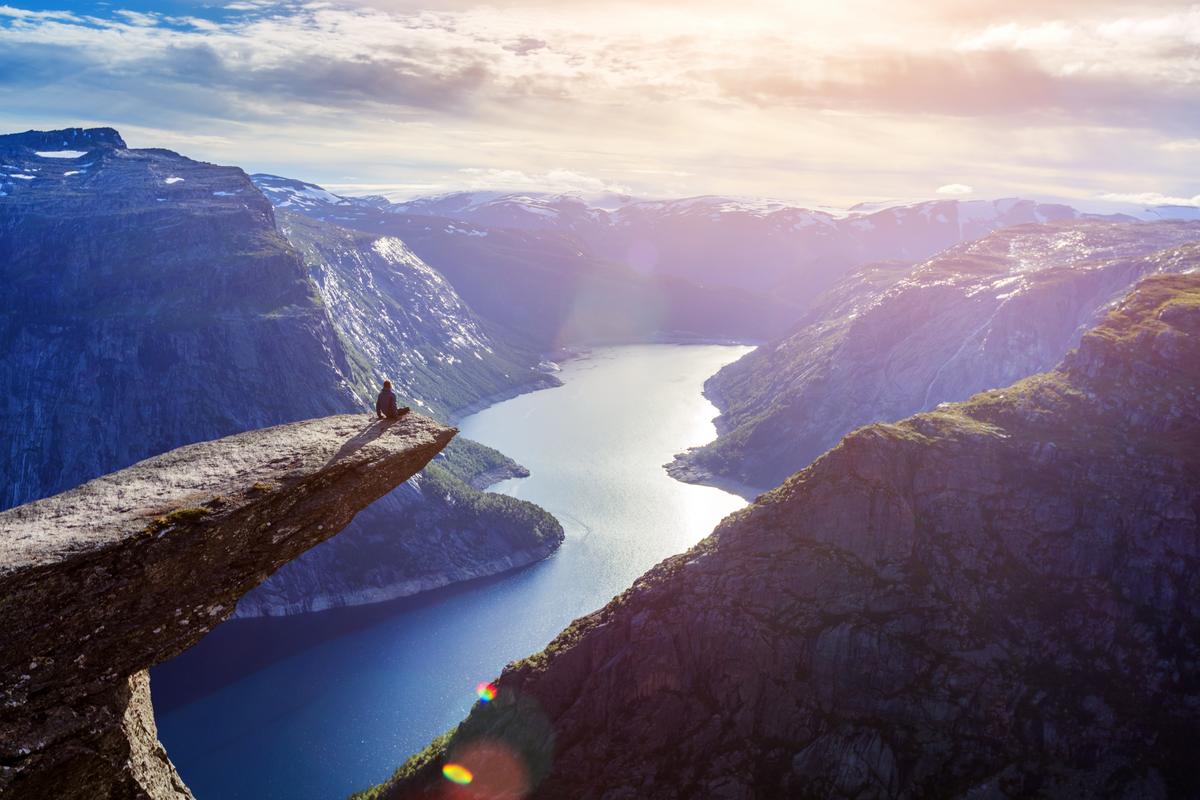
For the hardcore hiker. Trolltunga is a rock sliver jutting out 700 meters above Lake Ringedalsvatnet. The hike is tough (10-12 hours roundtrip) but rewards you with a surreal, gravity-defying photo op. It opens only in summer (mid-June to mid-Sept) unless you go with a guide on snowshoes.
The Flåm Railway (Flåmsbana)
One of the steepest train lines in the world on normal tracks. The hour-long journey from Flåm (sea level) to Myrdal (867m) passes through 20 tunnels and offers views of thundering waterfalls and deep valleys. It’s often voted the world’s most beautiful train journey.
Nærøyfjord
The narrowest fjord in the world and a UNESCO site. At some points, it is only 250 meters wide with mountains towering 1,700 meters above you. The electric ‘Future of the Fjords’ silent cruise ship allows you to glide through this dramatic landscape in almost total silence.
Editor-curated picks carried over from our original guide. Where a full place guide exists, the card links to it.
Worth booking ahead in Norwegian Fjords
Hand-picked from the operators our guides already send readers to. Prices and availability are live on the partner site.
BrowseViator
Tours and tickets in Norwegian Fjords on Viator (opens Viator in a new tab)
Viator's full list of bookable tours and tickets in Norwegian Fjords.
BrowseGetYourGuide
Experiences in Norwegian Fjords on GetYourGuide (opens GetYourGuide in a new tab)
Everything GetYourGuide sells in Norwegian Fjords, with the cancellation terms on each listing.
Where to stayBooking.com
Stays in Norwegian Fjords (opens Booking.com in a new tab)
Live rates and availability for Norwegian Fjords on Booking.com; filter by neighbourhood once you know where your days start.
We earn a commission if you book through these links, at no extra cost to you. It is how we keep the guides free and independent.
Where to stay
Hotel Union Geiranger Bad & Spa
Geirangervegen 100, 6216 Geiranger, Norway
Perched above the UNESCO-listed Geirangerfjord, Hotel Union is a 4th-generation family hotel. It features a world-class spa with swimming pools overlooking the fjord. The vintage car collection in the lobby and the panoramic ‘Union Bad’ outdoor hydrotherapy area make it a luxurious base for exploring the most famous fjord in the world.
Fretheim Hotel (Flåm)
Lofthusvegen 885, 5781 Lofthus, Norway
Located in lovely Lofthus by the Hardangerfjord, Hotel Ullensvang was favored by composer Edvard Grieg (his composer’s hut is in the garden). Key features include the ‘swimming channel’—an indoor/outdoor infinity pool stretching towards the fjord. It sits in the heart of Norway’s fruit orchard region, surrounded by blossoming apple trees in spring.
Valldal Fjordhotell
Nedre Fretheim 1, 5743 Flåm, Norway
A historic Swiss-style hotel in Flåm, at the end of the Aurlandsfjord. Originally a retreat for English lords fishing for salmon, it blends 19th-century charm with modern glass architecture. It’s perfectly situated for taking the Flåm Railway and the fjord cruises, offering a cozy fireplace atmosphere after a day of adventure.
Editor-curated stays carried over from our original guide. Where we have reviewed the hotel, the card links to the review.
Tips from the field
Highlights
- UNESCO World Heritage Sites Geirangerfjord and Nærøyfjord, characterized by steep cliffs, deep blue waters, and magnificent waterfalls like the 'Seven Sisters'.
Best activities
- Cruising through Geirangerfjord and Nærøyfjord, hiking to scenic viewpoints (like Dalsnibba or Flydalsjuvet), taking the Flåm Railway, kayaking.
Local experiences
- Take a silent-electric boat cruise through the narrow Nærøyfjord. Hike up to the abandoned Skageflå farm above Geirangerfjord.
Practical tips
- Book accommodations and popular train/cruise tickets 3-6 months in advance for summer travel. The weather changes rapidly
- dress in layers and carry rain gear even in summer.
Photography tips
- The Ørnesvingen (Eagle Road) viewing platform provides iconic, sweeping shots of Geirangerfjord. Early morning mist adds incredible atmosphere to fjord photographs.
Timing
- Plan 5-7 days to properly explore the fjord region between Bergen and Ålesund, allowing time for cruises, hikes, and scenic drives.
Keeping it authentic
- The fjords remain spectacular natural phenomena, dotted with tiny, traditional farmsteads clinging to steep cliffs that tell stories of historic resilience.
Culture, customs and safety
Cultural heritage
Norwegian Fjords preserve Viking heritage and maritime culture within dramatic glacial landscapes, where traditional farming and fishing communities adapt to vertical terrain. Stave churches like Urnes demonstrate medieval wooden architecture while coastal towns maintain colorful warehouses. Traditional støls (mountain farms) practice transhumance grazing. Fishing villages preserve stockfish drying traditions and boat building skills. UNESCO sites including Geirangerfjord and Nærøyfjord showcase natural and cultural landscape interaction. Modern engineering through tunnels and ferries connects isolated communities maintaining distinctive fjord culture.
Safety notes
Extremely safe regarding crime. Safety concerns are entirely environmental: heed warnings regarding hiking trails, rapidly changing mountain weather, and cold fjord waters. Tsunamis from rockfalls are a rare but known historic risk in narrow fjords.


Travel Style
Activities