Explore Norway's oil heritage with interactive exhibits.
- Universal Appeal and Cultural Authenticity
- Offers a modern and engaging experience centered on Norway’s oil sector.
- Captures the essence of Norway’s maritime and petroleum heritage.
- Authentic representation with real models of oil rigs and ships.
- Interactive exhibitions that stay true to historical accuracy.
- Cultural Richness and Educational Value
- Highly informative exhibits about the oil industry and its impacts on society.
- Short films and animations that explain complex topics in digestible ways.
- Interactive games and activities for children that make learning fun.
- Detailed histories and personal stories that enrich visitors’ understanding.
- Preservation and Integrity
- Impressive efforts were made to maintain the quality and accuracy of displays.
- Combines modern technology with historical artifacts.
- Provides outdoor and indoor playgrounds, thoughtfully preserving cultural elements.
- Consistent updating of exhibits to enhance educational value while preserving core messages.
- Accessibility and Visitor Engagement
- Located within a short walking distance from the cruise terminal, making it easy to find.
- Highly interactive with numerous engaging activities for all ages.
- Friendly and helpful staff enhance the visitor experience.
- Free WiFi and the ability to go in and out of the museum throughout the day offer added convenience.
Norwegian Petroleum Museum Review: A Fascinating Journey Through Norway’s Oil History
History and Significance
You might be surprised that the Norwegian Petroleum Museum isn’t just about boring old oil. This place has quite the story! Opened in 1999, it became a big deal in
Stavanger, Norway‘s oil capital.
Picture this: It’s the 1960s, and Norway strikes black gold in the North Sea. Suddenly, this small country is swimming in oil money. The museum tells this wild ride from the start.
What makes it famous? Well, it’s not just dusty exhibits. You can play around with cool interactive displays showing how oil forms deep underground. And get this – you can explore a mock oil platform!
But it’s not all fun and games. The museum tackles tough topics, too, like climate change. It’s a balancing act between Norway’s oil wealth and environmental concerns.
So, next time you’re in Stavanger, pop in for a visit. You’ll leave with a new appreciation for the stuff that powers your car!
Main Attractions and Activities
The Norwegian Petroleum Museum offers plenty to explore. The highlight is the massive oil rig model that towers over you. It’s so detailed that you’ll feel like you’re really offshore! Kids love climbing around the play area with its mini rig and helicopter.
Don’t miss the short film about offshore workers – it gives you a real sense of life on the rigs. The 3D simulations are pretty cool, too. You can “fly” to a rig in a virtual helicopter and see how these massive structures are built at sea.
Check out the exhibits on how oil and gas form underground. There are neat interactive displays that let you play geologist. You’ll learn tons about
Norway’s oil industry without feeling like you’re in a stuffy lecture.
My favorite part was testing my skills on the drilling simulator. It’s trickier than it looks, and you’ll gain a new appreciation for the workers who do this for real.
Visitor Experience
You’re in for a treat when you step into the Norwegian Petroleum Museum. The ambiance is modern and sleek, with interactive exhibits that bring Norway’s oil industry to life. You’ll find yourself immersed in the sights and sounds of offshore platforms.
The museum is not usually too crowded, so you can take your time exploring. Staff members are friendly and knowledgeable—don’t be shy about asking questions! They’re happy to share interesting tidbits about
Norway’s petroleum history.
One of the coolest parts? The simulated submarine ride. It feels like you’re actually diving underwater to check out oil pipelines. Kids especially love this part!
As you wander through the exhibits, you’ll spot cool artifacts like old diving suits and miniature oil rigs. The hands-on activities are a blast, too. Try “drilling” for oil or controlling a robotic arm.
By leaving, you’ll have a new appreciation for Norway’s oil industry and its impact on the country. It’s definitely worth a visit!
Tips for Visitors
Planning a trip to the Norwegian Petroleum Museum? Here’s what you need to know!
Aim to visit early on weekdays to beat the crowds. The museum opens at 10 AM, so arriving right when doors open gives you plenty of time to explore before the afternoon rush.
Don’t forget to dress comfortably – you’ll be quite on your feet. Casual clothes and comfy shoes are perfect.
Tickets are reasonably priced, at around 150 NOK for adults. Kids under 16 get in free! Ask about discounted rates if you’re a student or senior.
Booking online in advance is smart, especially during peak summer months. You’ll skip the ticket line and ensure entry on busy days.
Pro tip: Check the museum’s website for upcoming events or temporary exhibits. Timing your visit with a special program can make your experience even more memorable!
Accessibility and Facilities
You’ll find the Norwegian Petroleum Museum quite accessible and well-equipped. Wheelchair ramps and elevators make getting around a breeze for visitors with mobility challenges. The exhibits have plenty of space between them, so you won’t feel cramped as you explore.
Need a break? There’s a cozy café where you can grab a coffee and a snack. The harbor views from there are lovely – perfect for a quick rest between exhibits.
Clean, spacious restrooms are available on each floor. And don’t worry about parking – there’s a large lot right outside the museum.
One thing I appreciated was the audio guides. They’re available in multiple languages and enhance the experience, especially if you’re not an oil and gas expert.
Oh, and here’s a pro tip: bring a light jacket. The AC can be a bit chilly in some areas. Trust me, you’ll be glad you did!
Unique Features
You’ll be blown away by the Norwegian Petroleum Museum’s one-of-a-kind exhibits. As you step inside, you’re greeted by a massive oil platform model that towers above you. It’s so lifelike that you’ll feel like you’re actually offshore!
The museum’s interactive displays are a real treat. You can try virtual drilling or explore a simulated subsea environment. It’s like being an oil worker for a day!
One of the coolest things is the earthquake simulator. You’ll experience what it’s like to be on an oil rig during a tremor. Trust me, it’s both thrilling and eye-opening.
Don’t miss the personal stories from oil workers. These tales bring the industry to life and give you a real sense of working in such a demanding field.
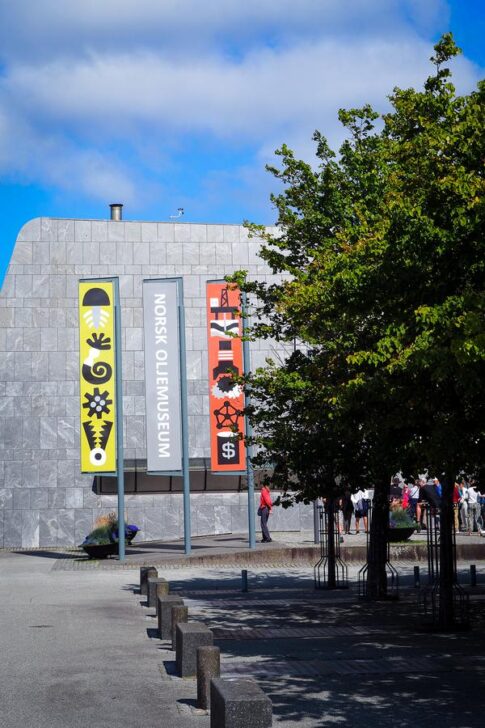
The museum’s unique architecture is also worth noting. Its sleek, modern design reflects the innovative spirit of the petroleum industry. You’ll love how it stands out against Stavanger’s historic harbor.
Best Time to Visit
- Early Mornings (10 AM—12 PM): Visiting right when the museum opens ensures a quieter experience with fewer crowds, allowing you to enjoy the exhibits and interactive displays without much interruption. This is especially recommended during the high tourist season.
- Late Afternoons (5 PM—7 PM): The museum tends to be less crowded in the late afternoon, making it ideal for exploring at your own pace. This time slot is perfect for visitors who avoid the midday rush, especially when cruise ships are in port.
- Avoid Peak Days (Weekends and Cruise Ship Days): Weekends and days when multiple cruise ships dock in Stavanger can be busy, leading to a more crowded and potentially rushed visit. If possible, plan your weekday visit or check the local cruise schedule to choose a quieter day.
Overall Impressions
The Norwegian Petroleum Museum will blow you away. It’s a treasure trove of knowledge that brings Norway’s oil history to life. The exhibits are top-notch, with cool models of oil rigs and interactive displays that’ll keep you entertained for hours.
The museum does a great job explaining complex topics in simple terms. You’ll learn how oil and gas are formed, discovered, and used. It’s not just dry facts either – there are stories of real people and events that make it all come alive.
One of the most powerful parts is the section on safety. You’ll see how tragic accidents led to big improvements in the industry. It’s sobering but important stuff.
By the time you leave, you’ll have a whole new appreciation for Norway’s oil industry. It’s not just about the money – it’s about innovation, hard work, and human ingenuity.
Is it worth a visit? Absolutely! Whether you’re an oil buff or just curious, you’ll find something fascinating here. It’s a
must-see in Stavanger.
Pros and Cons
You’ll find a lot to like at the Norwegian Petroleum Museum, but there are a few downsides to remember. Let’s break it down:
Pros:
• Fascinating look at Norway’s oil industry
• Interactive exhibits that keep you engaged
• Beautiful modern building with great views
• Informative for both adults and kids
• Reasonable ticket prices
Cons:
• Can get crowded during peak times
• Some exhibits only in Norwegian
• Cafeteria food is a bit pricey
• Not super exciting for young children
I enjoyed my visit overall. The museum does a great job interestingly explaining Norway’s oil history. You’ll learn tons about offshore drilling, platform technology, and the impact on Norwegian society.
The interactive displays are a highlight. You can try “drilling” for oil or take a simulated helicopter ride to an oil rig. It’s fun and educational at the same time.
One thing to watch out for is that some of the text is only in Norwegian. But most key info is translated into English, too. And the staff is happy to help explain things.
If you’re traveling with little ones, they might get bored after a while. But older kids and adults will find plenty to keep them busy for a few hours.