Explore Stavanger's creative playground of recycled oil rigs.
- Universal Appeal and Cultural Authenticity
- Geoparken offers a quirky and unique experience that appeals to many visitors, from families to art enthusiasts.
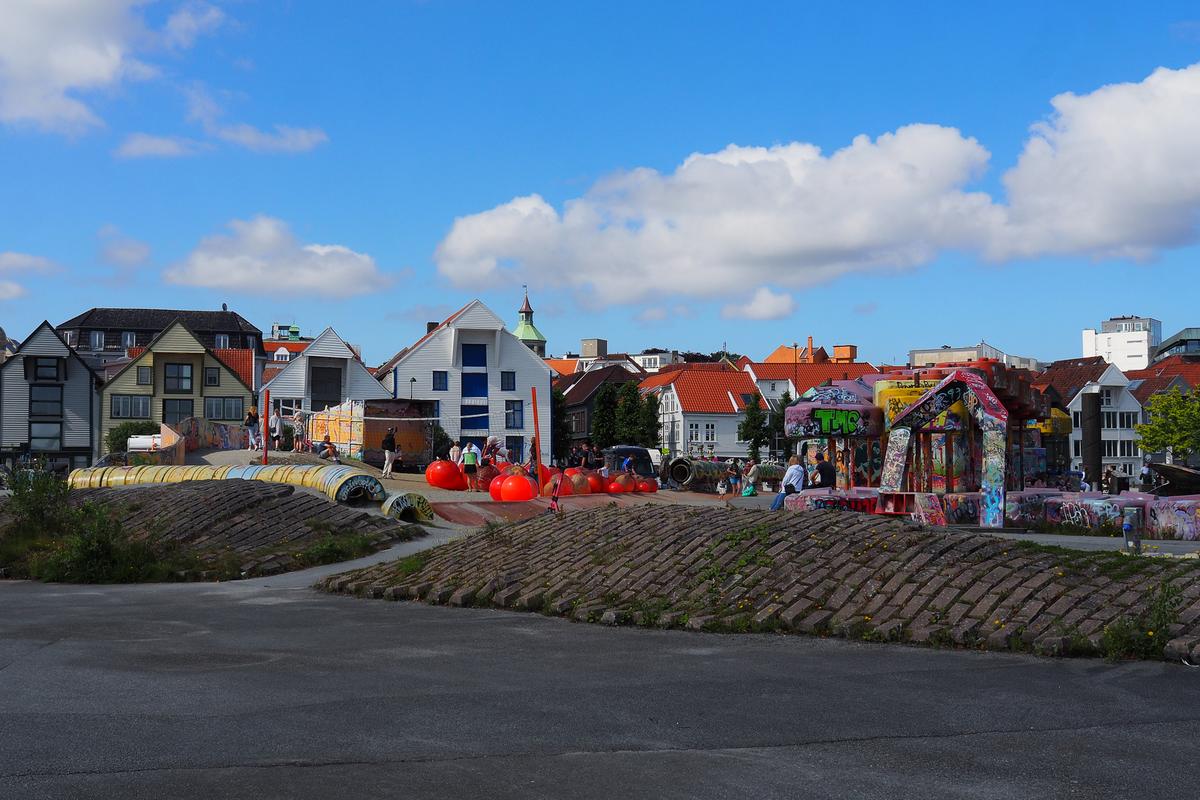
- The park effectively merges industrial history with contemporary street art, showcasing a distinct local flavor.
- While representing an important aspect of Norway’s oil industry, the modern, playful reinterpretation of the elements slightly diluted the authenticity.
- Cultural Richness and Educational Value
- Features informative signs that explain the original use of industrial components, enriching visitors’ understanding of the oil and gas industry.
- Repurposing oil rig parts provides insight into Norway’s significant relationship with the energy sector.
- Engaging street art adds another layer of cultural expression, blending historical artifacts with contemporary creativity.
- Preservation and Integrity
- The park is a testament to recycling and sustainable use of industrial materials, highlighting environmental consciousness.
- However, some elements appear worn or potentially vandalized, suggesting challenges in ongoing maintenance.
- Despite wear and tear, the integrity of the original industrial components remains largely preserved.
- Accessibility and Visitor Engagement
- Located just a few minutes walk from the port terminal, making it easily accessible to tourists, especially those from cruise ships.
- The park’s interactive nature, with bouncy buoys and climbable structures, makes it highly engaging for both children and adults.
- A unique setting for photography and a fun atmosphere encourages prolonged visits and exploration.
- The repurposed industrial elements’ educational aspects and creativity bolster visitor engagement.
Geoparken Review: A Hidden Gem for Nature Lovers and Adventure Seekers
History and Significance
You might be surprised to learn that Geoparken in Stavanger isn’t just a pretty face – it’s got some serious history under its belt! This natural wonder has been around for ages, quietly shaping the landscape long before humans appeared.
Back in the day, early settlers were drawn to the area’s unique geological features. They saw the potential in those rugged cliffs and winding fjords. Can you imagine what it must have been like for them?
Over time, Geoparken became more than just rocks and water. It became a cultural hotspot, with
locals and visitors inspired by its beauty. Artists have captured its essence in paintings, while scientists have studied its formations for years.
One of the coolest things about Geoparken is that it’s played host to some wild events! From extreme sports competitions to nature festivals, this place knows how to throw a party.
Today, Geoparken is famous for its stunning views and outdoor adventures. It’s a testament to the power of nature and human curiosity, blending history and fun in one amazing package.
Main Attractions and Activities
Geoparken is a playground like no other. Massive parts of the oil and gas industry are reimagined as climbing structures and play equipment. It’s a blast for kids and adults alike!
The centerpiece is a huge yellow drilling platform. You can climb up, slide down, and explore all its nooks and crannies. There’s also a maze of pipes to crawl through and a giant lifeboat to pretend you’re sailing away in.
Don’t miss the control room simulator. You get to push buttons and turn dials, feeling like a real oil rig operator. It’s pretty cool!
There’s a sandpit area with mini diggers for the little ones. They’ll love scooping and dumping for hours.
Sit on one of the many scattered benches when you need a break. It’s a great spot to watch your kids play and chat with other families.
Remember to bring snacks and water. There’s no cafe on-site, but plenty of picnic spots to enjoy your treats.
Visitor Experience
As you step into Geoparken, you’re immediately struck by its unique playfulness and industrial charm. This isn’t your average playground—it’s a creative space that lets you explore oil industry elements in a fun, hands-on way.
The park’s design, mirroring the Troll field in the North Sea, adds an extra layer of intrigue. You’ll find yourself climbing, sliding, and exploring structures that feel both familiar and alien.
On busy days, the park buzzes with energy. Kids laugh and shout as they clamber over the equipment, while adults chat and enjoy the vibrant atmosphere. But even on quieter days, there’s a sense of discovery.
The staff are friendly and knowledgeable, happy to share tidbits about the park’s design and history. They’re always around to ensure everyone’s safety while letting you enjoy the space freely.
One of the coolest things about Geoparken is how it changes with the seasons. In summer, it’s a sunny playground. In winter, the industrial elements take on a stark beauty against the crisp air.
Tips for Visitors
Planning a trip to Geoparken? Here are some handy tips to make your visit awesome!
Try to go early in the day to beat the crowds. Weekdays are usually less busy than weekends. Bring comfy shoes – you’ll be doing lots of walking and climbing.
Don’t forget sunscreen and a hat on sunny days. A light jacket is smart, too, as it can get breezy.
Entry to Geoparken is free! No need to book tickets in advance. Just show up and have fun.
Pack some snacks and water. There’s no food sold inside, but you’ll find plenty of spots for a picnic.
Do you have kids? They’ll love the interactive exhibits. Let them dress up as oil workers or pretend to operate the machinery.
Bring your camera! The giant drill bits and oil rig parts make for cool photo ops.
Plan to spend at least 2-3 hours exploring. There’s lots to see and do in this unique playground.
Accessibility and Facilities
You’ll find Geoparken pretty easy to get around, even if you’ve got mobility issues. There are wide, paved paths winding through most areas. They’ve done a good job with ramps and smooth surfaces.
Restrooms are scattered throughout the park. They’re clean and spacious, with accessible stalls. There are also plenty of benches, perfect for taking a breather.
Food-wise, you’ve got options. There’s a cute little café near the entrance serving sandwiches and drinks. For a quick snack, vending machines are dotted around.
Parking is a breeze. The lot is right by the main gate, and there are plenty of spaces, including accessible spots.
I was impressed by how well-maintained everything was. The paths were clear of obstacles, making it easy to explore. Signs were easy to read and placed at good heights.
One thing to note is that some of the more rugged hiking trails aren’t wheelchair-friendly. But there’s still tons to see and do on the accessible routes.
Unique Features
You’ll be amazed by Geoparken’s one-of-a-kind playground design. It’s not your average jungle gym – this place is built using actual parts from oil and gas platforms! As you climb and explore, you interact with
Norway’s biggest industry.
The coolest part? The whole park is shaped like the Troll oil field in the North Sea. It’s like you’re playing on a giant map of the seafloor. How neat is that?
Kids love scrambling over the repurposed industrial equipment. You might spot them pretending to be oil workers as they clamber up metal structures or peek through portholes. It’s a fun way for little ones to learn about Norway’s energy sector.
Don’t worry, grown-ups can join in too! You’ll have as much fun as the kids exploring this unique space. A
nd with the Norwegian Petroleum Museum right next door, you can make a whole day of discovering Norway’s oil history.
Best Time to Visit
- Early Morning Serenity: Visit early in the morning to enjoy the park’s unique features with fewer crowds. This is perfect for quiet exploration and photography.
- Midday Engagement: Midday is ideal for families and tourists, offering a lively atmosphere with plenty of activity and interaction with the park’s structures.
- Evening Views: The evening offers a calmer experience with a different ambiance, as the setting sun highlights the vibrant street art and industrial elements.
Overall Impressions
Geoparken is a unique playground you won’t soon forget. As you explore, you’ll be amazed by the creative use of parts of the oil and gas industry. It’s a clever way to teach kids about
Norway’s biggest industry while having fun.
The playground is huge, giving families plenty of space to play together. You’ll love watching your kids climb, slide, and explore the different structures. It’s not just for little ones – adults can join in, too!
One of the best things about Geoparken is how it blends education with entertainment. Your kids will learn without even realizing it, and as they play, they’ll get a glimpse into the world of oil and gas production.
You’ll appreciate the uniqueness of this attraction. It’s not every day you see playground equipment made from industrial parts, and this makes for some great photo opportunities.
If you’re looking for a fun family outing in Stavanger, Geoparken should be on your list. It’s a cool spot that both kids and adults will enjoy.
Pros and Cons
You’ll find Geoparken has a lot to offer, but like any attraction, it’s got its ups and downs. Let’s break it down:
Pros:
• Stunning natural landscapes
• Educational geological exhibits
• Great hiking trails for all skill levels
•
Family-friendly activities
• Knowledgeable tour guides
Cons:
• Limited food options on-site
• Can get crowded during peak season
• Some areas may be challenging for those with mobility issues
• Weather can be unpredictable
As you plan your visit, remember that Geoparken is about embracing nature. You’ll be blown away by the
breathtaking rock formations and scenic vistas. It’s a geology buff’s dream come true!
But don’t worry if you’re not into rocks – there’s plenty for everyone. The hiking trails are top-notch, and you’ll find yourself snapping photos at every turn. The kids will love the interactive displays, too.
On the flip side, you might want to pack a lunch. The food options are a bit limited, so bringing your picnic is a smart move. And if you’re not a fan of crowds, try to visit during off-peak times.
Remember to check the weather forecast before you go. Mother Nature can be fickle, and you don’t want to get caught in a downpour without proper gear.