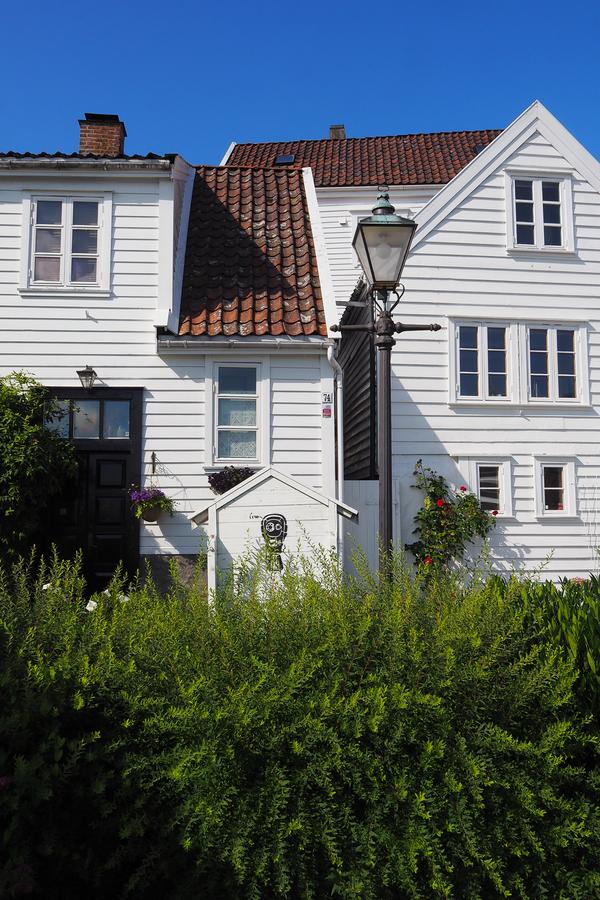
Stroll through Stavanger's charming, historic wooden houses.
- Universal Appeal and Cultural Authenticity
- Old Stavanger’s charming wooden houses and cobblestone streets offer a picturesque and authentic representation of Norwegian heritage.
- The area is widely appreciated for its quaint and well-preserved historical architecture, attracting diverse visitors, from cruise ship tourists to history buffs.
- The traditional white wooden homes with colorful gardens are a visual delight and evoke a strong sense of place, making them universally appealing.
- Cultural Richness and Educational Value
- The historic wooden houses, some of the oldest in Western Europe, offer a tangible connection to Norway’s architectural past.
- Visitors can learn about the local way of life in the 18th and 19th centuries through guided tours that provide historical context and stories.
- A visit to nearby museums, such as the Norwegian Petroleum Museum, adds an educational layer to the experience, though the primary focus remains on the area’s visual appeal.
- Preservation and Integrity
- Gamle Stavanger has been exceptionally well-preserved, and effective measures have been taken to maintain the historical integrity of its structures and streets.
- Walking around the neighborhood, one can see the efforts to maintain the area’s charm and authenticity without modern disruptions.
- The consistent restoration and upkeep contribute to the area’s pristine condition, ensuring it remains a genuine representation of its historical period.
- Accessibility and Visitor Engagement
- The old town is easily accessible on foot from the cruise terminal, making it convenient for day-trippers and short-stay visitors.
- Interactive guided tours and friendly locals enhance visitor engagement, providing rich narratives and personal stories about the area.
- Despite the steep cobbled hills, which may pose some challenges for those with mobility issues, using services like Uber makes it more accessible.
History and Significance
Gamle Stavanger whisks you back to 18th—and 19th-century Norway. This charming old town began as a humble fishing village, with wooden houses built to shelter sailors and merchants. As Stavanger grew into a bustling port, Gamle Stavanger became the city’s heart.
You’ll be walking the same cobblestone streets where fishermen once hauled their daily catch. Many white-painted wooden homes you see today have stood for over 200 years!
Gamle Stavanger faced threats of demolition in the 1950s. But locals fought hard to preserve this slice of
Norwegian heritage. Their efforts paid off – it’s now one of Europe’s best-preserved wooden towns.
The area played a key role in Norway’s canning industry boom. You can still visit the old Canning Museum to learn about this important part of Stavanger’s past.
Today, Gamle Stavanger is famous for its picturesque streets and well-preserved architecture. It’s a living museum where you can experience authentic Norwegian culture and history firsthand.
Main Attractions and Activities
As you wander through Gamle Stavanger’s charming cobblestone streets, get ready to step back in time. You’ll find yourself surrounded by over 170 white wooden houses, each with its unique character.
Don’t forget your camera – the colorful flower boxes and quaint doorways make perfect photo ops!
For a dose of local culture, pop into the Norwegian Canning Museum. You’ll learn about the city’s fishing heritage and maybe even try your hand at sealing a can.
Feeling artsy? The IDDIS Museum of Photography is a must-visit. Its fascinating exhibits showcase Stavanger’s history through a camera lens.
As you stroll, look for hidden gems like cute cafes and artisan shops. You might stumble upon a cozy spot for a cup of coffee or find a unique souvenir to take home.
For the best views, climb up to
Valbergtårnet. This old fire tower offers a stunning panorama of the town and harbor. It’s the perfect place to end your Gamle Stavanger adventure!
Visitor Experience
Wandering through Gamle Stavanger feels like stepping back in time. As you stroll down cobblestone streets lined with charming white wooden houses, you’ll be transported to a bygone era. The atmosphere is peaceful and quaint, perfect for a leisurely exploration.
You’ll likely encounter other visitors admiring the picturesque scenery, but it rarely feels overcrowded. The narrow lanes and hidden corners invite you to get lost and discover unexpected delights.
Look for colorful flower boxes and unique architectural details on the houses. Many buildings now house art galleries and craft shops, so browse local creations.
Don’t miss the
Maritime Museum if you’re curious about Stavanger’s seafaring history. The staff there are friendly and knowledgeable, happy to share interesting tidbits about the exhibits. As you wander, you might catch glimpses of daily life – residents tending their gardens or chatting with neighbors.
Tips for Visitors
Visit Gamle Stavanger early or later in the evening to dodge the crowds. Trust me, it’s worth setting your alarm earlier to have those
charming streets almost to yourself.
Wear comfy shoes—you’ll be walking a lot on cobblestone streets. And bring a jacket, even in summer, as the weather can change quickly here.
There is no need to book tickets in advance. Gamle Stavanger is free to wander around. But if you want to visit the Canning Museum, you can save a few bucks by buying tickets online.
My top tip? Get lost on purpose. Wander down random alleys and see where they take you. You might stumble upon a hidden garden or a cat sunbathing on a windowsill.
And don’t forget your camera! Every corner is picture-perfect. Just be respectful of the residents – remember, people live in these cute houses.
Accessibility and Facilities
Gamle Stavanger’s charm comes with some challenges for accessibility. The cobblestone streets and hilly terrain can be tricky to navigate if you use a wheelchair or have mobility issues. But don’t let that stop you from visiting!
Many of the shops and cafes have steps at their entrances. You’ll want to check ahead if you need level access. The good news is that some areas have smoother paths, making it easier to get around.
Public restrooms are available, but they’re limited. You might want to plan your pit stops in advance. As for food and drink, you’ll find cute cafes scattered throughout the area. Try the local specialties!
Parking can be a bit of a headache. The streets are narrow, and spots fill up fast. Your best bet is to park in nearby public lots and walk over.
Despite these challenges, Gamle Stavanger is still worth exploring. The friendly locals are always happy to lend a hand if you need assistance. Just take your time and soak in the atmosphere!
Unique Features
You’ll be charmed by the quaint white wooden houses that make up Gamle Stavanger. As you stroll the cobblestone streets, you’ll feel like you’ve returned to the 18th century.
One cool thing you’ll notice is the asymmetrical dormers on many roofs. These “Stavanger arks” were added to expand living space. Pretty clever, right? Look for the sea houses along the inner harbor. These waterfront structures give a glimpse into Stavanger’s maritime past.
Don’t miss the galleries and craft shops tucked away in some of the historic homes. You might find the perfect unique souvenir. As you explore, imagine the stories these old walls could tell. Some houses were moved here from other areas, log by log!
With its well-preserved charm, it’s no wonder Gamle Stavanger has won conservation awards. UNESCO even recognized it as a noteworthy heritage site in 1975.
Best Time to Visit
- Early Morning (Before 9 AM): Visiting early in the morning is ideal for experiencing the area with fewer crowds, particularly avoiding the influx of cruise ship tourists. The streets are quieter, making it easier to take in the historical ambiance and capture stunning photographs in the soft morning light.
- Weekdays Outside Peak Hours (Late Morning to Early Afternoon): On weekdays, particularly between late morning and early afternoon (after the morning rush and before peak tourist times), you can enjoy a more relaxed visit. This time balances good lighting and a moderate number of visitors, enhancing the overall experience without overwhelming crowds.
- Off-Peak Season (Autumn or Late Spring): Visiting during the off-peak season, such as autumn or late spring, allows you to experience Gamle Stavanger in cooler weather with fewer tourists. The gardens may not be in full bloom, but the area retains its charm, and the reduced number of visitors provides a more intimate experience of the historic district.
Overall Impressions
You’ll fall in love with Gamle Stavanger’s charm. As you wander the cobblestone streets, you’re transported back in time. The white wooden houses are picture-perfect, begging to be photographed.
Don’t miss the craft shops tucked away in some buildings. They offer unique souvenirs to remember your visit. The hilly paths and steps add character, but watch your footing. Comfortable shoes are a must for exploring.
You’ll appreciate how well-preserved this historic area is. It’s a living museum that gives you a glimpse of 18th—and 19th-century Norwegian life. The harbor views are stunning. Take a moment to soak in the scenery and imagine the bustling port of the past.
Gamle Stavanger is worth visiting. It’s a highlight of any trip to Stavanger, and you’ll leave with a deeper appreciation for Norway’s history and architecture.
Pros and Cons
Let’s dive into the good and not-so-good aspects of Gamle Stavanger. You’ll want to weigh these before your visit:
Pros:
- Charming wooden houses from the 18th and 19th centuries
- Picturesque cobblestone streets perfect for strolling
- Great photo opportunities around every corner
- Peaceful residential area away from the bustle
- Close to the harbor and city center
- Free to explore at your own pace
Cons:
- Can get crowded during peak tourist season
- Hilly terrain with steps might be challenging for some
- Limited parking if you’re driving
- Not many shops or restaurants within the old town itself
- Weather can dampen the experience on rainy days