MenuClose

A place worth knowing

Valberget Utsiktspunkt

Viewpoints · Viewpoint in StavangerUpdated

  • Google rating4.5/5 (1,800 reviews)
  • Typical visit30-60 minutes
  • EntranceFree
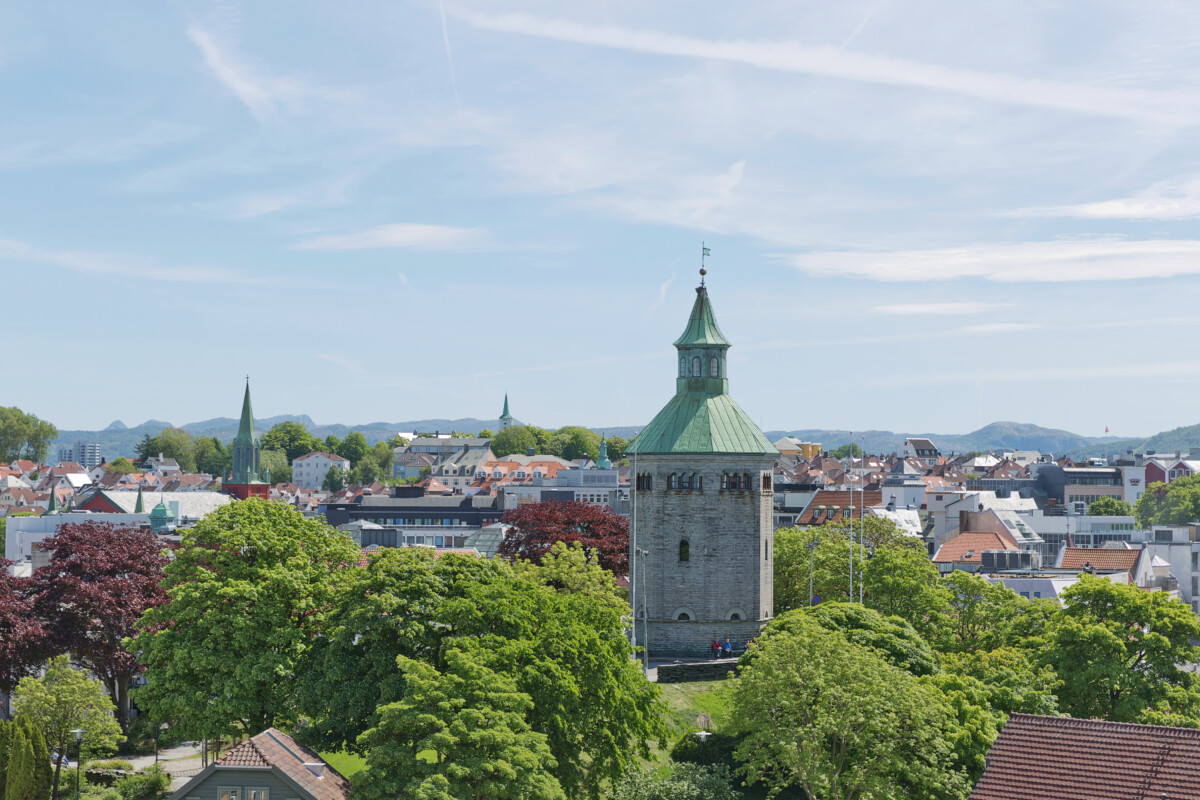
Valberget Utsiktspunktand Stavanger, Norway cityscape
Jiri Vondrous / Adobe Stock
  • Today (Monday)Open 24 hours
  • Typical visit30-60 minutes
  • EntranceFree
  • Google rating4.5/5 1,800 reviews
  • WebsiteOfficial site ↗
Opening hours all week
Monday
Open 24 hours
Tuesday
Open 24 hours
Wednesday
Open 24 hours
Thursday
Open 24 hours
Friday
Open 24 hours
Saturday
Open 24 hours
Sunday
Open 24 hours
The short answer

Why it matters

A hilltop fire-watch tower from the 1850s offering panoramic views over Stavanger's harbour, old town, and surrounding fjords.

Perched atop a natural granite promontory in Stavanger‘s historic Gamle district, Valberget Utsiktspunkt (Valberg Viewpoint) offers one of Norway’s most compelling urban panoramas from a site steeped in maritime vigilance. This former fire watch station, constructed in 1853 on the foundations of a medieval defensive position, once served as the city’s primary lookout for spotting fires and incoming vessels. The octagonal stone tower at its center housed the watchman who communicated ship arrivals through a flag signaling system vital to Stavanger’s commercial operations. Today, a short climb up worn stone steps rewards visitors with a sweeping 360-degree vista encompassing Stavanger’s terracotta-roofed old town, the bustling harbor with its ferry traffic and occasional cruise ships, and the island-dotted Byfjord stretching toward the North Sea oil platforms that transformed the city’s economy. The viewpoint’s landscaped gardens and cast-iron benches create intimate spaces for contemplation despite its central location, while informative panels contextualize the harbor’s evolution from Viking settlement to fishing center to petroleum industry hub. During the long summer evenings, locals gather at this elevated sanctuary to witness the extended Nordic sunset cast its golden light across the fjord waters. Unlike Norway’s dramatic wilderness viewpoints, Valberget offers a uniquely historical vantage where human civilization and natural landscape have intertwined over millennia, making it essential for understanding Stavanger’s evolution from humble fishing port to cosmopolitan energy capital.

Cultural Context

Valberget Utsiktspunkt holds a notable place in Stavanger’s cultural landscape as a natural vantage point deeply intertwined with local identity and maritime heritage. Situated within the Gamle district, the viewpoint offers panoramic views that have inspired generations of artists, writers, and residents who celebrate the rugged Norwegian coastline and urban history simultaneously. The site is often integrated into local cultural events and walking tours that emphasize Stavanger’s connection to the sea, fishing traditions, and the city’s evolution from a small fishing village to a modern urban center. Seasonal celebrations, such as the annual Stavanger Maritime Festival, often encourage visits to Valberget Utsiktspunkt, where locals and visitors alike gather to appreciate the natural beauty that has shaped regional customs and storytelling. The viewpoint also serves as a reflective space where traditional Norwegian values of nature appreciation and outdoor life are visibly honored. Community-led initiatives to preserve the natural environment around Valberget highlight a broader cultural commitment to sustainability and heritage conservation, embodying the Norwegian ethos of friluftsliv, or open-air living. This cultural practice underscores the importance of natural landmarks like Valberget as sites where history, nature, and contemporary life converge meaningfully. As such, Valberget Utsiktspunkt is not only a physical location but a cultural symbol representing the harmonious relationship between Stavanger’s people and their environment in everyday life and communal memory.

Historical Context

Valberget Utsiktspunkt is historically significant as a natural lookout that has served the city of Stavanger since at least the 18th century, providing strategic views over the harbor and surrounding fjords. The area around Valberget was historically part of Stavanger’s defensive landscape, where local fishermen and merchants could survey approaching ships and monitor maritime activity crucial for trade and security. Throughout the 19th century, as Stavanger expanded due to the herring fisheries boom, the viewpoint became a favored spot for both practical observation and leisure, reflecting the city’s growing prosperity. The granite promontory itself is part of the region’s ancient geological formation, shaped during the last Ice Age, which has influenced settlement patterns and urban development in the area. In the early 20th century, Valberget Utsiktspunkt gained recognition as a public recreational site, coinciding with urban planning efforts to preserve green spaces within the rapidly industrializing city. The viewpoint’s proximity to Gamle Stavanger, an area renowned for its well-preserved wooden houses dating back to the 18th and 19th centuries, situates it within a broader historical context of urban heritage preservation. Over time, Valberget has witnessed the transformation of Stavanger from a modest fishing community into a center for Norway’s oil industry, marking it as a silent witness to the city’s evolving economic and social history. This layered historical context enriches the significance of Valberget Utsiktspunkt as a site where natural history and human development intersect.

Context

Story and significance

About

Valberget Utsiktspunkt (Valberg Tower Viewpoint) in Stavanger is a historic watchtower atop Valberg hill in the old town, built in 1853 as the city’s fire lookout station. The red-and-white brick tower stands 26 metres above the hilltop and offers panoramic views over the harbor, the wooden-house old quarter (Gamle Stavanger), and the surrounding fjord landscape. Music plays from the tower at set times, continuing a tradition dating back to its fire-watch days.

Historical significance

Valberget matters as part of Stavanger’s relationship with its coastal landscape, reflecting Norwegian traditions of outdoor life and local use of vantage points for orientation and leisure. It contributes to regional identity tied to seascapes and accessible wilderness near urban centers.

Historical context

Valberget Utsiktspunkt is historically significant as a natural lookout that has served the city of Stavanger since at least the 18th century, providing strategic views over the harbor and surrounding fjords. The area around Valberget was historically part of Stavanger’s defensive landscape, where local fishermen and merchants could survey approaching ships and monitor maritime activity crucial for trade and security. Throughout the 19th century, as Stavanger expanded due to the herring fisheries boom, the viewpoint became a favored spot for both practical observation and leisure, reflecting the city’s growing prosperity. The granite promontory itself is part of the region’s ancient geological formation, shaped during the last Ice Age, which has influenced settlement patterns and urban development in the area. In the early 20th century, Valberget Utsiktspunkt gained recognition as a public recreational site, coinciding with urban planning efforts to preserve green spaces within the rapidly industrializing city. The viewpoint’s proximity to Gamle Stavanger, an area renowned for its well-preserved wooden houses dating back to the 18th and 19th centuries, situates it within a broader historical context of urban heritage preservation. Over time, Valberget has witnessed the transformation of Stavanger from a modest fishing community into a center for Norway’s oil industry, marking it as a silent witness to the city’s evolving economic and social history. This layered historical context enriches the significance of Valberget Utsiktspunkt as a site where natural history and human development intersect.

Cultural context

Valberget Utsiktspunkt holds a notable place in Stavanger’s cultural landscape as a natural vantage point deeply intertwined with local identity and maritime heritage. Situated within the Gamle district, the viewpoint offers panoramic views that have inspired generations of artists, writers, and residents who celebrate the rugged Norwegian coastline and urban history simultaneously. The site is often integrated into local cultural events and walking tours that emphasize Stavanger’s connection to the sea, fishing traditions, and the city’s evolution from a small fishing village to a modern urban center. Seasonal celebrations, such as the annual Stavanger Maritime Festival, often encourage visits to Valberget Utsiktspunkt, where locals and visitors alike gather to appreciate the natural beauty that has shaped regional customs and storytelling. The viewpoint also serves as a reflective space where traditional Norwegian values of nature appreciation and outdoor life are visibly honored. Community-led initiatives to preserve the natural environment around Valberget highlight a broader cultural commitment to sustainability and heritage conservation, embodying the Norwegian ethos of friluftsliv, or open-air living. This cultural practice underscores the importance of natural landmarks like Valberget as sites where history, nature, and contemporary life converge meaningfully. As such, Valberget Utsiktspunkt is not only a physical location but a cultural symbol representing the harmonious relationship between Stavanger’s people and their environment in everyday life and communal memory.

Architecture

While Valberget Utsiktspunkt is primarily a natural landmark, its architectural significance lies in the subtle integration of human-made elements that enhance accessibility and visitor experience without detracting from the natural environment. The viewpoint features carefully constructed stone steps and low retaining walls made from local granite, reflecting traditional Norwegian masonry techniques that emphasize durability and harmony with the landscape. These construction elements date back to early 20th-century urban improvements aimed at facilitating public enjoyment of natural sites within Stavanger. The design prioritizes minimal intervention, ensuring that the natural granite outcrop remains the focal point while providing safe and comfortable access for visitors. Nearby, the historic wooden houses of Gamle Stavanger showcase classic Norwegian vernacular architecture with their white-painted timber facades and steep slate roofs, providing a contrasting architectural context that enhances the viewpoint’s cultural ambiance. This juxtaposition highlights the broader architectural narrative of Stavanger, where natural features and built heritage coexist. Additionally, subtle signage and viewing platforms at Valberget Utsiktspunkt have been designed in accordance with contemporary standards for heritage sites, balancing preservation with modern visitor needs. Overall, the architectural elements at Valberget Utsiktspunkt exemplify a respectful approach to landscape architecture that supports cultural heritage and environmental stewardship.

Local significance

Valberget utsiktspunkt is a frequently visited viewpoint that locals value for its panoramic perspective over Stavanger, the fjords and surrounding islands. It is used by residents for leisure walks, photography and as a nearby nature escape that complements urban life, reinforcing local appreciation for accessible coastal scenery. The site contributes to community wellbeing and outdoor culture in Stavanger and is part of everyday recreational habits rather than a purely touristic stop.

Updated Data: Editorial research · Google Places ratings · Verified coordinates