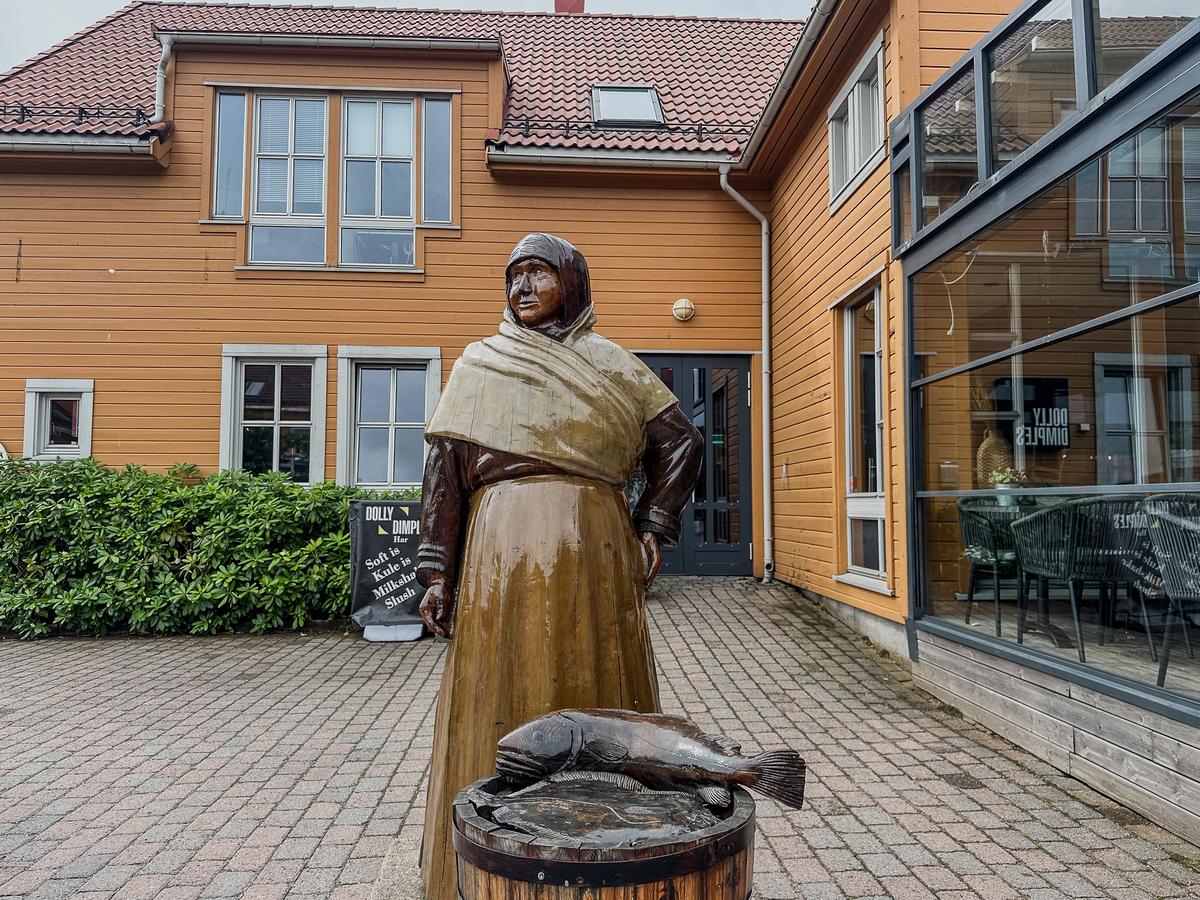
The radiant capital of Southern Norway’s archipelago, Kristiansand offers an enticing blend of pristine beaches, captivating family attractions, and authentic coastal traditions. This vibrant city features sandy beaches with palm trees, a world-renowned zoo and amusement park, the charming wooden houses of Posebyen old town, and serves as gateway to a stunning island archipelago.
The destination guide
Kristiansand
Travel guides for Kristiansand
More guides featuring Kristiansand (3)
At a glance
CurrencyNOK
Time zoneOsloEurope/Oslo
Languages
- Norwegian
Setting
- Norwegian coast
- Fjord landscape
- Archipelago islands
- Sandy beaches
Population112K112,000 residents
VisaDuration: Up to 90 days within any 180-day period in the Schengen Area · Documents: Valid passport issued within the last 10 years and valid for at least 3 months after planned departure, plus proof of accommodation, onward or return travel, and sufficient funds if requested
How Kristiansand scores
7/10OverallGood
Weather6/10
Value for money6/10
Food & cuisine6/10
Culture & arts7/10
Cultural experience7/10
History6/10
Nature & outdoors8/10
Adventure7/10
Nightlife5/10
Shopping5/10
Family friendly8/10
Romance7/10
Character
Photography score7/10
Authenticity score8/10
Off-the-beaten-path score6/10
Editorial scores on a 10-point scale, weighed against destinations of the same kind.
Travel safety snapshot
Overall91/100High rating
Women travellers89/100
LGBTQ+ travellers80/100
Theft86/100
Medical care88/100
Physical harm91/100
Political freedom87/100
SafePlace indicators use their source 100-point scale; higher is more favourable. Planning context, not a live travel advisory — check official government guidance before you go.
When to go
Best months to visit: May, June, July, August and September.
- January: -1.5 to 3.3 degrees Celsius, 150.8 millimetres of rain, best-time score 2 out of 5.
- February: -1 to 4.2 degrees Celsius, 134.9 millimetres of rain, best-time score 2 out of 5.
- March: 0.4 to 6.5 degrees Celsius, 108.2 millimetres of rain, best-time score 2 out of 5.
- April: 2.8 to 10.2 degrees Celsius, 62.8 millimetres of rain, best-time score 3 out of 5.
- May: 7.5 to 15.3 degrees Celsius, 80 millimetres of rain, best-time score 4 out of 5.
- June: 11.5 to 18.8 degrees Celsius, 109.7 millimetres of rain, best-time score 5 out of 5.
- July: 13 to 20.1 degrees Celsius, 122.2 millimetres of rain, best-time score 5 out of 5.
- August: 12.5 to 19 degrees Celsius, 141.5 millimetres of rain, best-time score 5 out of 5.
- September: 10.8 to 16.4 degrees Celsius, 163.1 millimetres of rain, best-time score 4 out of 5.
- October: 6.8 to 11.6 degrees Celsius, 182.2 millimetres of rain, best-time score 3 out of 5.
- November: 3.1 to 7.1 degrees Celsius, 186.5 millimetres of rain, best-time score 2 out of 5.
- December: 0.6 to 4.7 degrees Celsius, 175.5 millimetres of rain, best-time score 2 out of 5.
Month-by-month conditions and packing advice
- January
- Cold, rainy January in Kristiansand: dark, cold, wet winter conditions make this less balanced. Crowds: January in Kristiansand is one of the wetter periods, so museums, food stops, flexible reservations, and backup indoor plans make the trip easier. Pack: Pack warm layers, a coat, and comfortable shoes for cold mornings and evenings. Add a rain jacket or compact umbrella.
- February
- Cold, rainy February in Kristiansand: dark, cold, wet winter conditions make this less balanced. Crowds: February in Kristiansand is one of the wetter periods, so museums, food stops, flexible reservations, and backup indoor plans make the trip easier. Pack: Pack warm layers, a coat, and comfortable shoes for cold mornings and evenings. Add a rain jacket or compact umbrella.
- March
- Cold, some rain March in Kristiansand: dark, cold, wet winter conditions make this less balanced. Crowds: March in Kristiansand is workable with normal seasonal planning; build in layers, weather checks, and a mix of indoor and outdoor activities. Pack: Pack warm layers, a coat, and comfortable shoes for cold mornings and evenings. Add a rain jacket or compact umbrella.
- April
- Cool to mild, occasional rain April in Kristiansand: cooler shoulder weather narrows beach and island plans. Crowds: April in Kristiansand is workable with normal seasonal planning; build in layers, weather checks, and a mix of indoor and outdoor activities. Pack: Pack warm layers, a coat, and comfortable shoes for cold mornings and evenings.
- May
- Cool to mild, some rain May in Kristiansand: late spring or early fall can be pleasant with fewer peak crowds. Crowds: May in Kristiansand is workable with normal seasonal planning; build in layers, weather checks, and a mix of indoor and outdoor activities. Pack: Pack layered clothing and comfortable walking shoes. Add a rain jacket or compact umbrella.
- June
- Cool to mild, some rain June in Kristiansand: southern Norway beaches, islands, harbor walks, family attractions, and long daylight are at their strongest. Crowds: June in Kristiansand is workable with normal seasonal planning; build in layers, weather checks, and a mix of indoor and outdoor activities. Pack: Pack layered clothing and comfortable walking shoes. Add a rain jacket or compact umbrella.
- July
- Mild to warm, some rain July in Kristiansand: southern Norway beaches, islands, harbor walks, family attractions, and long daylight are at their strongest. Crowds: July in Kristiansand is workable with normal seasonal planning; build in layers, weather checks, and a mix of indoor and outdoor activities. Pack: Pack layered clothing and comfortable walking shoes. Add a rain jacket or compact umbrella.
- August
- Cool to mild, rainy August in Kristiansand: southern Norway beaches, islands, harbor walks, family attractions, and long daylight are at their strongest. Crowds: August in Kristiansand is one of the wetter periods, so museums, food stops, flexible reservations, and backup indoor plans make the trip easier. Pack: Pack layered clothing and comfortable walking shoes. Add a rain jacket or compact umbrella.
- September
- Cool to mild, rainy September in Kristiansand: late spring or early fall can be pleasant with fewer peak crowds. Crowds: September in Kristiansand is one of the wetter periods, so museums, food stops, flexible reservations, and backup indoor plans make the trip easier. Pack: Pack layered clothing and comfortable walking shoes. Add a rain jacket or compact umbrella.
- October
- Cool to mild, rainy October in Kristiansand: cooler shoulder weather narrows beach and island plans. Crowds: October in Kristiansand is one of the wetter periods, so museums, food stops, flexible reservations, and backup indoor plans make the trip easier. Pack: Pack layered clothing and comfortable walking shoes. Add a rain jacket or compact umbrella.
- November
- Cold, rainy November in Kristiansand: dark, cold, wet winter conditions make this less balanced. Crowds: November in Kristiansand is one of the wetter periods, so museums, food stops, flexible reservations, and backup indoor plans make the trip easier. Pack: Pack layered clothing and comfortable walking shoes. Add a rain jacket or compact umbrella.
- December
- Cold, rainy December in Kristiansand: dark, cold, wet winter conditions make this less balanced. Crowds: December in Kristiansand is one of the wetter periods, so museums, food stops, flexible reservations, and backup indoor plans make the trip easier. Pack: Pack warm layers, a coat, and comfortable shoes for cold mornings and evenings. Add a rain jacket or compact umbrella.
Peak season
- January
- February
- June
- December
Off-peak
- April
- May
- August
- September
Know before you go
About
Kristiansand, the largest city in southern Norway’s Agder county, is a coastal hub of roughly 116,000 people following a 2020 municipal merger. It was founded on July 5, 1641, by the Dano-Norwegian king Christian IV, who laid out its distinctive grid of streets, the Kvadraturen, and gave the city his name. The seafront Christiansholm Fortress dates from the 17th century, while the Posebyen quarter preserves one of northern Europe’s largest collections of low wooden houses. The city’s biggest draw is Dyreparken, Norway’s largest zoo and amusement park, which welcomes hundreds of thousands of visitors a year. As a busy ferry port to Denmark and a gateway to the skerries of the south coast, Kristiansand is a popular summer holiday base known for its beaches and archipelago.
Best time to visit
June through August for outdoor activities and the warmest weather along Norway’s southern coast.
Season by season
Summer (late June-August) is peak season with temperatures of 15-22°C, long daylight, and festivals. Spring (May-June) brings apple blossoms and greening hillsides. Autumn (September-October) offers crisp weather and fewer crowds. Winter (December-February) is quiet and cozy with festive Christmas markets, though daylight hours are short.
Crowds
Kristiansand peaks in July during Norwegian summer holidays and the Palmesus beach festival, with heavy domestic tourist influx; quietest November–March (off‑season) with minimal visitors — overall seasonal: high in midsummer, low off‑season.
Getting there and around
Getting there
Kristiansand Airport (KRS) serves domestic and select European routes, located 17 km from the city center with airport buses running in 25-35 minutes. Norway’s Color Line ferries connect Kristiansand to Hirtshals, Denmark (3.5 hours). By train, the Sørlandsbanen runs from Oslo to Kristiansand in about 4.5 hours. The E18 and E39 highways connect Kristiansand by road from Stavanger and Oslo.
Getting around
Kristiansand’s compact center is easily walkable. The AKT bus system is modern and cashless — buy tickets via the AKT app or at ticket machines. Key routes M1, M2, and M3 connect major districts. Buses also run directly to Dyreparken. Cycling paths follow the coastline and connect neighborhoods. Taxis and car rentals are available at the airport and around town.
Top experiences in Kristiansand
Kristiansand Zoo & Amusement Park (Dyreparken)
Norway’s most-visited family attraction combines a zoo with over 100 species, an amusement park, a waterpark, and themed areas including Captain Sabertooth’s World and Cardamom Town. Open year-round, with extended hours in summer.
Posebyen Old Town
Northern Europe’s largest concentration of preserved white timber houses fills this grid-plan quarter dating to the 17th century. Wander quiet streets past window boxes spilling with flowers, old warehouses, and small galleries.
Bystranda City Beach
A sandy beach right in the city center — unusual for Norway — with a scenic promenade, swimming piers, and views across the harbor. In summer, locals and visitors gather for volleyball, swimming, and waterfront dining.
Fiskebrygga (Fish Market)
The restored old fish quay is now a waterfront restaurant quarter. Sample fresh shrimp straight off the boats, grilled lobster, and local craft beer while watching sailboats drift past in the harbor.
Kunstsilo Museum
Read the place guide →Opened inside a dramatically converted grain silo, Kunstsilo houses one of the Nordic region’s most significant collections of modernist art. The raw industrial architecture and curated exhibitions draw art enthusiasts from across Scandinavia.
Editor-curated picks carried over from our original guide. Where a full place guide exists, the card links to it.



Worth booking ahead in Kristiansand
Hand-picked from the operators our guides already send readers to. Prices and availability are live on the partner site.
BrowseViator
Tours and tickets in Kristiansand on Viator (opens Viator in a new tab)
Viator's full list of bookable tours and tickets in Kristiansand.
BrowseGetYourGuide
Experiences in Kristiansand on GetYourGuide (opens GetYourGuide in a new tab)
Everything GetYourGuide sells in Kristiansand, with the cancellation terms on each listing.
Where to stayBooking.com
Stays in Kristiansand (opens Booking.com in a new tab)
Live rates and availability for Kristiansand on Booking.com; filter by neighbourhood once you know where your days start.
We earn a commission if you book through these links, at no extra cost to you. It is how we keep the guides free and independent.
Where to stay
Radisson Blu Caledonien Hotel
Dronningens gate 2, 4610 Kristiansand, Norway
An elegant waterfront hotel with harbor views, a rooftop bar, and classically appointed rooms. Steps from the fish market and ferries, it’s the natural base for exploring Kristiansand’s coastline.
Clarion Hotel Ernst
Rådhusgata 2, 4611 Kristiansand, Norway
The city’s oldest grand hotel combines period charm with modern amenities. Centrally located in Kvadraturen, its restaurant serves seasonal Norwegian cuisine and the lobby retains original early-20th-century details.
Thon Hotel Parken
Kirkegata 15, 4611 Kristiansand, Norway
A modern, practical hotel in the heart of the grid-plan old town. Rooms are compact but well-designed, breakfast is generous, and the location puts everything within walking distance.
Editor-curated stays carried over from our original guide. Where we have reviewed the hotel, the card links to the review.
Tips from the field
Highlights
- Dyreparken — Norway's most-visited family attraction
- Posebyen's white timber houses
- Bystranda city beach in the heart of town
- Fiskebrygga fresh seafood quarter
- Kunstsilo Nordic modernist art museum
- Kilden Performing Arts Centre architecture
- Odderøya Island hiking trails
- archipelago boat trips
- Kristiansand Cathedral
- summer festivals along the waterfront
Best activities
- Visiting Dyreparken zoo and amusement park
- walking the white timber houses of Posebyen
- swimming at Bystranda city beach
- tasting fresh shrimp at Fiskebrygga
- exploring Kunstsilo's Nordic art collection
- taking a boat trip through the archipelago
- hiking on Odderøya Island
- cycling along the coastal path
- attending a performance at Kilden Performing Arts Centre
- island-hopping by ferry
Local experiences
- Buy fresh shrimp from the fishing boats at Fiskebrygga and eat them on the quayside — a quintessential Kristiansand ritual. Join a guided archipelago cruise to discover hidden swimming coves. Hike the trails on Odderøya Island at sunset for panoramic harbor views. In summer, attend open-air concerts at Kilden's waterfront terrace.
Practical tips
- Norway is expensive — budget €150-250 per day for mid-range travel including meals. The AKT app handles all local bus payments. Pack layers even in summer
- coastal weather shifts quickly. Tap water is excellent. Dyreparken tickets are cheaper when booked online in advance. Most attractions accept cards and mobile payments.
Photography tips
- The white timber houses of Posebyen photograph best in soft morning light. Bystranda beach offers wide-angle sunset compositions over the harbor. For panoramic town views, climb to the hilltop viewpoint on Odderøya Island. The Kunstsilo building exterior is architecturally striking at any time. In summer, the midnight-tinged evening light lasts until nearly 11 PM.
Timing
- One full day covers the city center — Posebyen, Fiskebrygga, Bystranda, and Kunstsilo. Add a second day for Dyreparken (allow 5-7 hours). A third day opens up archipelago boat trips or coastal hikes on Odderøya. Visit Fiskebrygga for lunch and Bystranda for late-afternoon sun.
Keeping it authentic
- Kristiansand has a genuine small-city feel: locals picnic at Bystranda, shop at weekend markets, and socialize at Fiskebrygga. Tourism is concentrated around Dyreparken and summer, leaving the rest of the city refreshingly un-touristy. Posebyen is a living neighborhood, not just a museum piece — residents still occupy many of the historic timber houses.
Culture, customs and safety
Cultural heritage
Kristiansand was founded in 1641 by King Christian IV and built on a strict Renaissance grid plan — Kvadraturen — that survives intact today. The city was a key port during the timber trade era, and its white-painted wooden architecture in Posebyen reflects the prosperity of the 18th and 19th centuries. Maritime traditions remain strong: the fish market at Fiskebrygga continues a centuries-old trading culture, while the city’s modern identity embraces Nordic art at Kunstsilo and performing arts at Kilden.
Local customs & etiquette
Norwegians value punctuality and personal space. Tipping is not expected but rounding up is appreciated. Outdoor life is central — follow the ‘allemannsretten’ (right to roam) when hiking, but leave no trace. Most places are cashless, so carry a card. Alcohol is expensive and regulated; the Vinmonopolet state store handles spirits and wine.
Safety notes
Kristiansand is exceptionally safe, with one of the lowest crime rates in Europe. The city is walkable and well-lit at night. Standard precautions apply: lock bikes, keep valuables close in crowded summer areas. Beach swimming is generally safe, but check for current warnings. Emergency services are excellent throughout Norway. Speed limits are strictly enforced on roads.