Discover Kristiansand's Neo-Gothic architectural gem.
- Universal Appeal and Cultural Authenticity
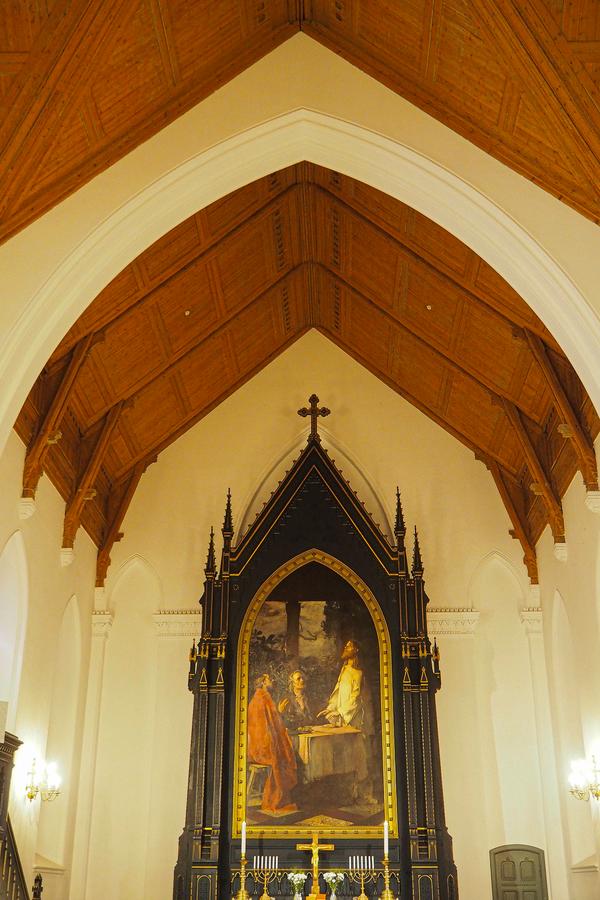
- Neo-Gothic architectural style that visitors highly appreciate.
- Central location in Kristiansand enhances accessibility and engagement with local culture.
- Hosts concerts that showcase traditional and classical music, contributing to cultural authenticity.
- The relaxing atmosphere and nearby cafes make it a popular spot for locals and tourists.
- Cultural Richness and Educational Value
- Built in the late 1800s, the cathedral provides historical insights into the period’s architecture.
- The impressive glass designs and wooden interior structure offer educational insights and visual interest.
- Free entry encourages visitor engagement and learning opportunities.
- The occasional concerts add a rich cultural layer to the experience, making visits more memorable and educational.
- Preservation and Integrity
- The cathedral is well-maintained, with a high structural integrity evidenced by visitor feedback.
- Its historical features remain intact, offering an authentic glimpse into 19th-century architecture.
- Open only on weekdays, which helps in its preservation and reduces wear and tear from constant visitor traffic.
- Visitor donations contribute to ongoing preservation efforts, ensuring longevity for future generations.
- Accessibility and Visitor Engagement
- The central location makes it easily accessible to tourists and locals alike.
- Only open during specific hours on weekdays, which could make it less accessible for some visitors.
- Interactive experiences like live organ music and concerts enrich visitor engagement.
- Nearby amenities such as shops, cafes, and seating areas make the visit more comfortable and engaging.
Kristiansand Cathedral Review: A Gem of Norwegian Architecture You Can’t-Miss
History and Significance
You’ll be amazed by Kristiansand Cathedral’s rich past. Built in 1885, it’s the third cathedral to grace this spot. The previous two? Sadly, they burned down. But the third time’s the charm!
Henrik Thrap-Meyer designed this Neo-Gothic beauty. It’s huge – one of
Norway’s biggest cathedrals. You can’t miss its towering 70-meter spire reaching for the sky.
During World War II, the cathedral was damaged when an artillery shell struck its impressive tower. But it stood strong, just like the people of Kristiansand.
Today, it’s not just a pretty face. The cathedral plays a big role in local life. It’s where the Bishop of Agder and Telemark hangs his hat. And in summer, you’re in for a treat. Free organ concerts fill the air with beautiful music.
What makes it special? Well, it breaks the rules a bit. Most churches face east, but this rebel faces west. It’s like the cathedral’s saying, “I do things my way!”
Main Attractions and Activities
When you step inside Kristiansand Cathedral, you’ll be struck by its neo-Gothic grandeur. The white marble altar is a showstopper, adorned with intricate carvings that’ll make your jaw drop. Don’t forget to look up – the vaulted ceilings are a sight!
For the best views in town, climb the cathedral tower. It’s a bit of a workout, but trust me, the panorama of Kristiansand is worth every step. Bring your camera!
Music lovers, you’re in for a treat. The cathedral often hosts concerts, and the acoustics are simply divine. Check the schedule – you might catch a performance during your visit.
Feeling contemplative? Light a candle in the quiet prayer area. It’s a peaceful spot to reflect, even if you’re not religious.
History buffs, you’ll love the cathedral’s story. It’s the fourth church on this site – the previous ones burned down. Talk about resilience!
Remember to dress respectfully and keep your voice down. It’s still an active place of worship, after all.
Visitor Experience
You’ll be awestruck as you step into Kristiansand Cathedral. The neo-Gothic architecture is breathtaking, with soaring ceilings and intricate details that catch your eye at every turn.
The ambiance is peaceful and reverent. You might hear soft organ music playing in the background as you explore. Crowd levels vary—it’s busier on Sundays and during special events, but you can often find quiet moments of solitude during the week.
The staff and volunteers are incredibly welcoming. They’re happy to answer your questions about the cathedral’s history and highlight interesting features you might miss.
Don’t forget to check out the unique west-facing altar. It’s a departure from traditional church layouts and gives the space a special feel.
For a memorable experience, try to catch one of the concerts or services held here. The acoustics are amazing, and hearing music fill the grand space is truly special.
Tips for Visitors
Planning a trip to Kristiansand Cathedral? Here’s what you need to know!
For the best experience, aim to visit early on weekday mornings. You’ll beat the crowds and catch the serene morning light filtering through those stunning stained glass windows. Trust me, it’s magical.
Don’t forget to dress respectfully. While there’s no strict dress code, I’d recommend covering your shoulders and knees. It’s a sacred space, after all.
Good news – entry is free! But if you’re feeling generous, consider leaving a small donation to help maintain this beautiful building.
Want to hear the impressive organ in action? Check the cathedral’s website for concert dates. Book tickets in advance – they sell out fast!
Pro tip: Bring a pair of binoculars. You’ll thank me when you’re spotting intricate details high up in the neo-Gothic architecture.
Lastly, remember to keep your voice down and turn off your phone. It’s all about soaking in the peaceful atmosphere.
Accessibility and Facilities
Kristiansand Cathedral is pretty accommodating for visitors with mobility needs. A ramp at the main entrance makes it easy to roll right in. Once inside, you’ll notice wide aisles with plenty of room to maneuver.
Need a restroom break? Clean facilities are available, including an accessible toilet. If you’re feeling peckish, there’s no café on-site, but you’ll find plenty of options just a short stroll away in the city center.
Parking can be a bit tricky. There’s no dedicated lot, so you might need to hunt for a spot on nearby streets. I’d suggest arriving early to snag a good space, especially if you have trouble walking long distances.
One thing I loved was how helpful the staff were. They’re always ready to lend a hand if you need any assistance getting around.
Don’t forget to check out the elevator to the tower. It’s a great way to enjoy the view without tackling stairs. Just remember, it can get busy on weekends, so plan accordingly!
Unique Features
You’ll be struck by Kristiansand Cathedral’s stunning west-oriented altar as soon as you enter. It’s a rare sight that sets this church apart from most others you’ve likely visited.
The neo-Gothic architecture is breathtaking, with soaring arches and intricate stonework that’ll make your jaw drop. As you wander through, you might notice the blend of old and new – parts of the cathedral date back centuries, while others are more recent additions.
Don’t miss the chance to climb the tower. The view from up there is incredible – you can see the whole city before you like a map. It’s a bit of a workout but it’s worth it for the photo op.
You might catch one of the cathedral’s famous organ concerts if you’re lucky. The acoustics here are amazing, and the music will give you goosebumps.
Remember to look for the bønnekrukke (prayer jar) near the entrance. It’s a touching way to connect with the spiritual side of the cathedral, even if you’re not religious.
Best Time to Visit
- Late Morning Visits (Around 11:30 AM): Arriving shortly after the cathedral opens at 11:00 AM on weekdays ensures you can explore the cathedral with fewer crowds, offering a more serene experience. This is also when the cathedral is fully open, allowing for uninterrupted visits.
- Early Afternoon (Between 1:00 PM – 3:00 PM): This time window allows you to enjoy the cathedral without the peak midday crowds, providing a comfortable balance between visitor activity and quieter moments.
- Weekdays Mid-Week (Tuesday to Thursday): Visiting during the middle of the week tends to be less crowded than Mondays and Fridays, offering a more peaceful experience. This is especially ideal if you prefer to avoid the busier start and end of the workweek.
Overall Impressions
Kristiansand Cathedral is a must-see when you’re in town. Its neo-Gothic architecture will take your breath away. As you step inside, you’ll be struck by the sheer size and beauty of the space.
The altar is a standout feature. Made of white marble with intricate carvings, it’s unlike anything you’ve seen. And here’s a fun fact – it faces west instead of east!
Don’t miss the chance to climb the tower. The view from up there is amazing. You can see the whole city spread out before you.
The organ recitals are a real treat. Even if you’re not big on classical music, the sound filling the cathedral is special.
You’ll love how well-maintained everything is. It’s hard to believe this place has been around since 1885!
My advice? Go on a sunny day if you can. The light streaming through the windows makes the whole place glow.
Pros and Cons
You’ll find much to love about Kristiansand Cathedral, but it has a few drawbacks. Let’s break it down:
Pros:
• Stunning neo-Gothic architecture
• Unique west-facing altar
• Breathtaking city views from the tower
• Rich history dating back to the 17th century
• Beautiful white marble altar with intricate carvings
Cons:
• Limited parking nearby
• Can get crowded during peak tourist season
• Some areas may be closed for renovation
The cathedral’s impressive design will catch your eye right away. Its neo-Gothic style and the unusual west-facing altar will draw you in. It’s a treat for architecture buffs and casual visitors alike.
Climbing the tower is a must. You’ll be rewarded with amazing views of Kristiansand. Just be prepared for a bit of a workout—those stairs can be steep!
The white marble altar is a real showstopper. You’ll want to spend some time admiring the detailed carvings and sculptures. It’s a testament to the craftsmanship of a bygone era.
Keep in mind that parking can be tricky, especially on busy days. You might need to walk a bit or use public transport. Also, the cathedral can get pretty packed during the summer when tourists flock to the city.
Sometimes, parts of the cathedral might be closed for upkeep. It’s an old building, after all. But don’t let that stop you – plenty to see and appreciate.