

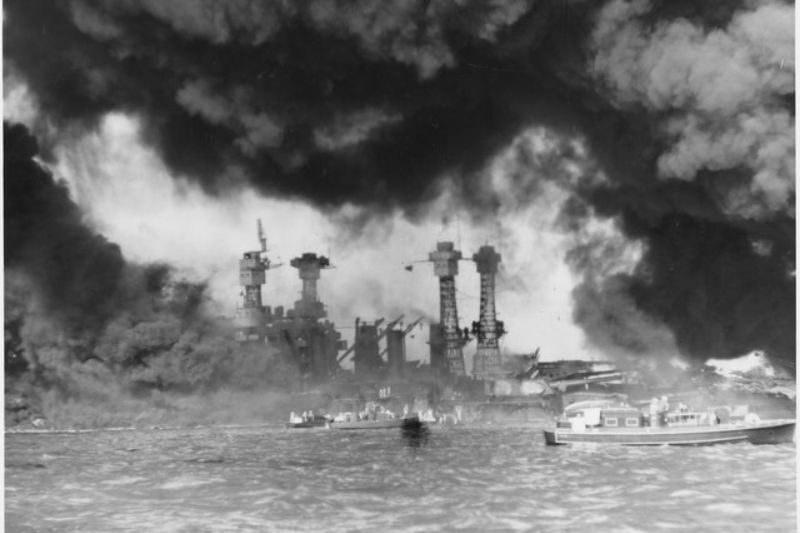
Pearl Harbor
The oil still seeps from the Arizona — slow, dark streaks the staff call black tears. That detail alone reframes everything you thought you knew.
The oil still seeps from the Arizona — slow, dark streaks the staff call black tears. That detail alone reframes everything you thought you knew.

Marukame’s open kitchen shows dough kneaded by mechanical feet, noodles cut fresh all day — and bowls start at ¥500.
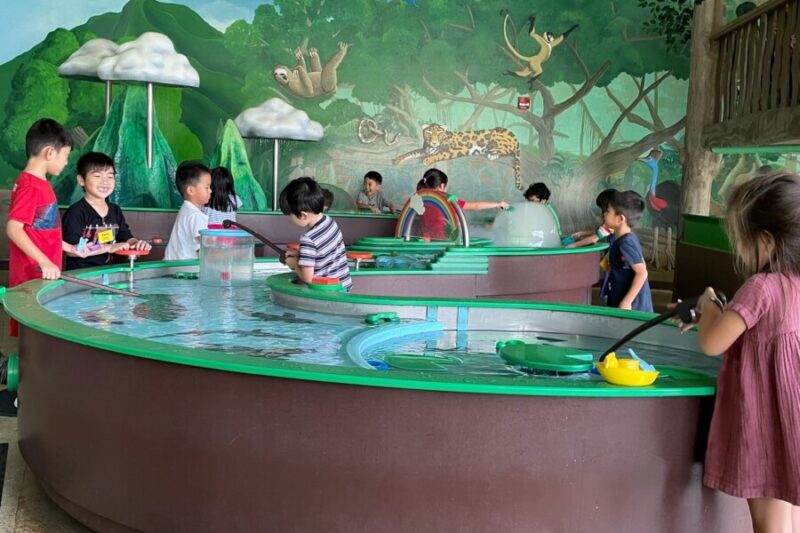
38,000 sq ft of hands-on exhibits in Kakaako where kids can step inside traditional Hawaiian, Japanese, Filipino, Chinese, and Portuguese homes.
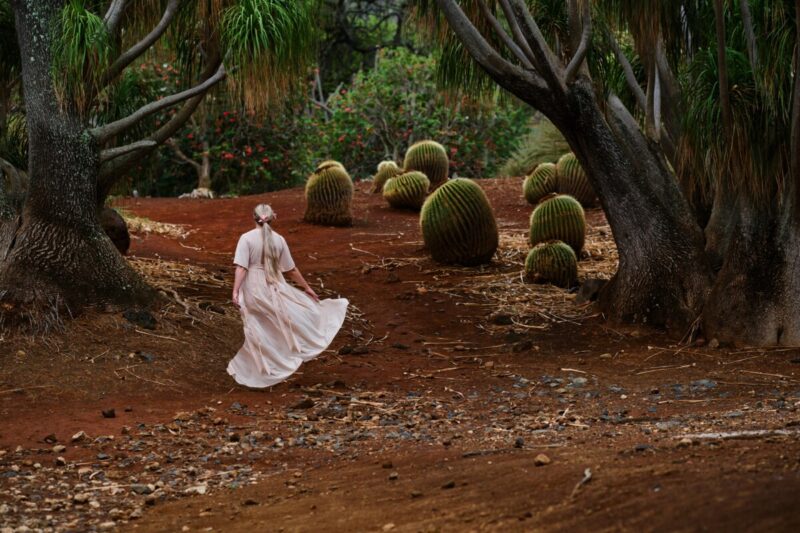
Koko Crater fits 60 acres of baobabs, plumeria, and rare succulents inside a volcanic crater — free admission, no crowds, bring water.
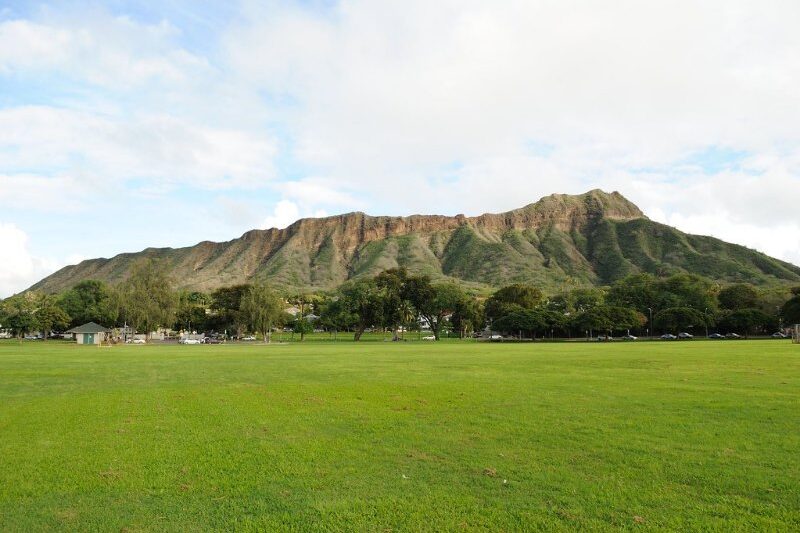
Kapiolani Park is where Honolulu actually lives — Royal Hawaiian Band, outrigger canoes, and 300 acres the tourists mostly walk past.
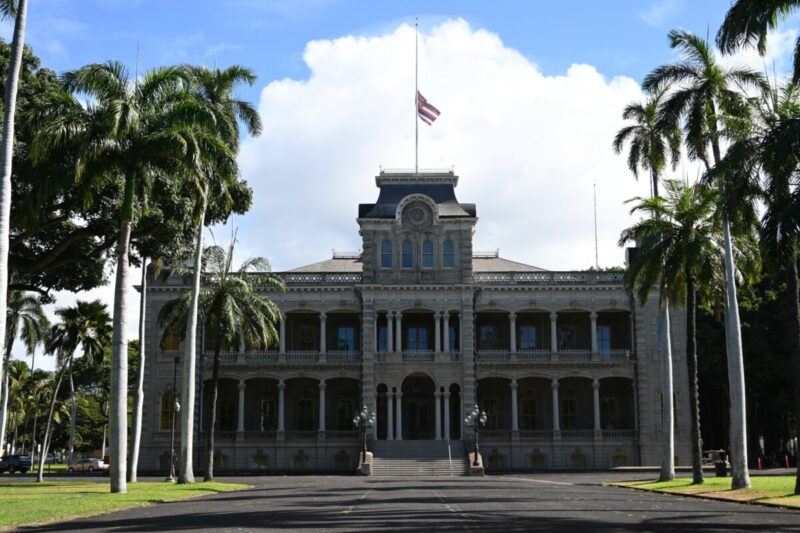
The only royal palace on U.S. soil, Iolani Palace is where Hawaii’s last queen was imprisoned — that detail alone reframes everything you see inside.

Duke’s sits where Kahanamoku actually surfed. The Hula Pie is worth the wait, but the live Hawaiian music at sunset is the real reason to stay.

Helena’s pipikaula hangs above the stove for days before it hits your plate. Nothing at Waikiki comes close to this.

Diamond Head’s 1908 military tunnels are what most visitors miss — the hike through them to the summit is worth the early alarm.

Initiale earns its Relais & Châteaux status — Lebrun’s fiddleheads and Gaspésie seafood inside an 18th-century stone room is Quebec fine dining at its most honest.