

Hawaii, known for its stunning landscapes and vibrant culture, is an archipelago that offers a unique blend of natural beauty and rich traditions. From the breathtaking beaches of Waikiki to the lush valleys of Kauai, each island has its own charm. Visitors can experience traditional Hawaiian luaus, explore volcanic parks, and enjoy world-class surfing.
The destination guide
Honolulu

Island in United States, North AmericaUpdated
- Overall7/10
- Best forCouples
- CurrencyUSD
Honolulu puts Waikiki Beach, Pearl Harbor, and Diamond Head within city limits — Hawaii’s capital is urban in a way that still feels tropical and never feels mainland.
Travel guides for Honolulu
Things to do (1)
More guides featuring Honolulu (19)
At a glance
Currency$ USDCode: USD
Time zoneHST (UTC-10)
Languages
- English
- Hawaiian
- Japanese
Setting
- Tropical island
- Pacific Ocean
- Waikiki Beach
- Volcanic mountains
Known for
- Beaches
- Nature
- History
- Culture
- Surfing
Population351K350,964 residents
VisaDocuments: For domestic U.S. air travel, travelers age 18 and older must present a REAL ID-compliant driver's license or another TSA-accepted ID such as a valid passport
How Honolulu scores
7/10OverallGood
Weather4/10
Value for money6/10
Food & cuisine8/10
Culture & arts4/10
Cultural experience8/10
History1/10
Nature & outdoors4/10
Adventure4/10
Nightlife3/10
Shopping9/10
Family friendly5/10
Romance9/10
Character
Photography score4/10
Authenticity score9/10
Off-the-beaten-path score7/10
Editorial scores on a 10-point scale, weighed against destinations of the same kind.
Travel safety snapshot
Overall90/100High rating
Women travellers88/100
LGBTQ+ travellers80/100
Theft85/100
Medical care88/100
Physical harm88/100
Political freedom78/100
SafePlace indicators use their source 100-point scale; higher is more favourable. Planning context, not a live travel advisory — check official government guidance before you go.
When to go
Best months to visit: March, April, May, June, September, October and November.
- January: 20.1 to 25.3 degrees Celsius, 44.5 millimetres of rain, best-time score 3 out of 5.
- February: 19.7 to 24.7 degrees Celsius, 51.8 millimetres of rain, best-time score 3 out of 5.
- March: 20.3 to 25.3 degrees Celsius, 54.8 millimetres of rain, best-time score 4 out of 5.
- April: 21.2 to 26.1 degrees Celsius, 50.7 millimetres of rain, best-time score 5 out of 5.
- May: 21.9 to 27 degrees Celsius, 44.2 millimetres of rain, best-time score 5 out of 5.
- June: 22.9 to 28.1 degrees Celsius, 26.2 millimetres of rain, best-time score 4 out of 5.
- July: 23.4 to 28.7 degrees Celsius, 20.8 millimetres of rain, best-time score 3 out of 5.
- August: 23.8 to 29.2 degrees Celsius, 27 millimetres of rain, best-time score 3 out of 5.
- September: 23.7 to 29.1 degrees Celsius, 23.8 millimetres of rain, best-time score 5 out of 5.
- October: 23.1 to 28.3 degrees Celsius, 40.9 millimetres of rain, best-time score 5 out of 5.
- November: 22.2 to 27.1 degrees Celsius, 24 millimetres of rain, best-time score 5 out of 5.
- December: 20.9 to 25.7 degrees Celsius, 62.3 millimetres of rain, best-time score 3 out of 5.
Month-by-month conditions and packing advice
- January
- Mild to warm, occasional rain January in Honolulu: peak holiday, midsummer, or wetter-season timing can still work with flexible plans. Crowds: January in Honolulu is comfortable for sightseeing, neighborhoods, food stops, day trips, and outdoor time with limited weather friction. Pack: Pack light clothing, sun protection, and comfortable walking shoes.
- February
- Mild to warm, occasional rain February in Honolulu: peak holiday, midsummer, or wetter-season timing can still work with flexible plans. Crowds: February in Honolulu is comfortable for sightseeing, neighborhoods, food stops, day trips, and outdoor time with limited weather friction. Pack: Pack light clothing, sun protection, and comfortable walking shoes.
- March
- Mild to warm, occasional rain March in Honolulu: conditions are still strong near the shoulder seasons, with some rain or crowd tradeoffs. Crowds: March in Honolulu is comfortable for sightseeing, neighborhoods, food stops, day trips, and outdoor time with limited weather friction. Pack: Pack light clothing, sun protection, and comfortable walking shoes.
- April
- Mild to warm, occasional rain April in Honolulu: beaches, hikes, surf breaks, food neighborhoods, and Pearl Harbor visits balance warm weather with lighter crowds. Crowds: April in Honolulu is comfortable for sightseeing, neighborhoods, food stops, day trips, and outdoor time with limited weather friction. Pack: Pack light clothing, sun protection, and comfortable walking shoes.
- May
- Mild to warm, occasional rain May in Honolulu: beaches, hikes, surf breaks, food neighborhoods, and Pearl Harbor visits balance warm weather with lighter crowds. Crowds: May in Honolulu is comfortable for sightseeing, neighborhoods, food stops, day trips, and outdoor time with limited weather friction. Pack: Pack light clothing, sun protection, and comfortable walking shoes.
- June
- Warm to hot, mostly dry June in Honolulu: conditions are still strong near the shoulder seasons, with some rain or crowd tradeoffs. Crowds: June in Honolulu is comfortable for sightseeing, neighborhoods, food stops, day trips, and outdoor time with limited weather friction. Pack: Pack light clothing, sun protection, and comfortable walking shoes.
- July
- Warm to hot, mostly dry July in Honolulu: peak holiday, midsummer, or wetter-season timing can still work with flexible plans. Crowds: July in Honolulu is comfortable for sightseeing, neighborhoods, food stops, day trips, and outdoor time with limited weather friction. Pack: Pack light clothing, sun protection, and comfortable walking shoes.
- August
- Warm to hot, mostly dry August in Honolulu: peak holiday, midsummer, or wetter-season timing can still work with flexible plans. Crowds: August in Honolulu is workable with normal seasonal planning; build in layers, weather checks, and a mix of indoor and outdoor activities. Pack: Pack light clothing, sun protection, and comfortable walking shoes.
- September
- Warm to hot, mostly dry September in Honolulu: beaches, hikes, surf breaks, food neighborhoods, and Pearl Harbor visits balance warm weather with lighter crowds. Crowds: September in Honolulu is workable with normal seasonal planning; build in layers, weather checks, and a mix of indoor and outdoor activities. Pack: Pack light clothing, sun protection, and comfortable walking shoes.
- October
- Warm to hot, occasional rain October in Honolulu: beaches, hikes, surf breaks, food neighborhoods, and Pearl Harbor visits balance warm weather with lighter crowds. Crowds: October in Honolulu is comfortable for sightseeing, neighborhoods, food stops, day trips, and outdoor time with limited weather friction. Pack: Pack light clothing, sun protection, and comfortable walking shoes.
- November
- Warm to hot, mostly dry November in Honolulu: beaches, hikes, surf breaks, food neighborhoods, and Pearl Harbor visits balance warm weather with lighter crowds. Crowds: November in Honolulu is comfortable for sightseeing, neighborhoods, food stops, day trips, and outdoor time with limited weather friction. Pack: Pack light clothing, sun protection, and comfortable walking shoes.
- December
- Mild to warm, occasional rain December in Honolulu: peak holiday, midsummer, or wetter-season timing can still work with flexible plans. Crowds: December in Honolulu is comfortable for sightseeing, neighborhoods, food stops, day trips, and outdoor time with limited weather friction. Pack: Pack light clothing, sun protection, and comfortable walking shoes.
Know before you go
About
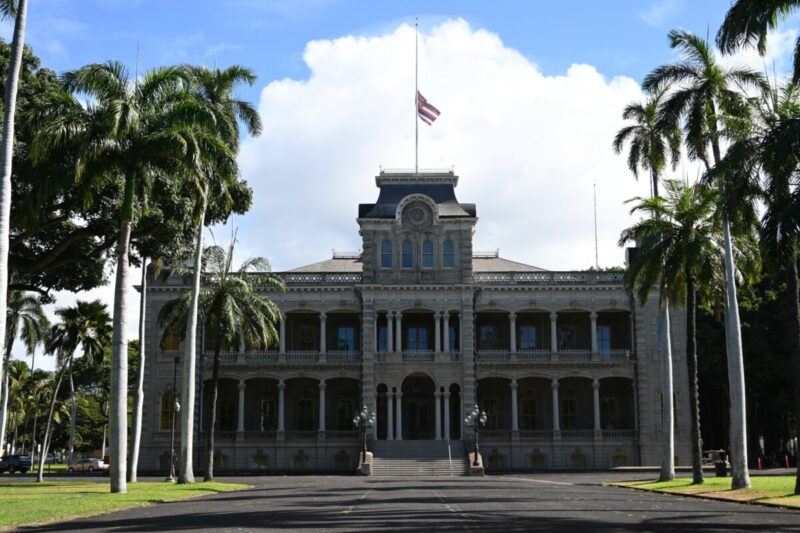
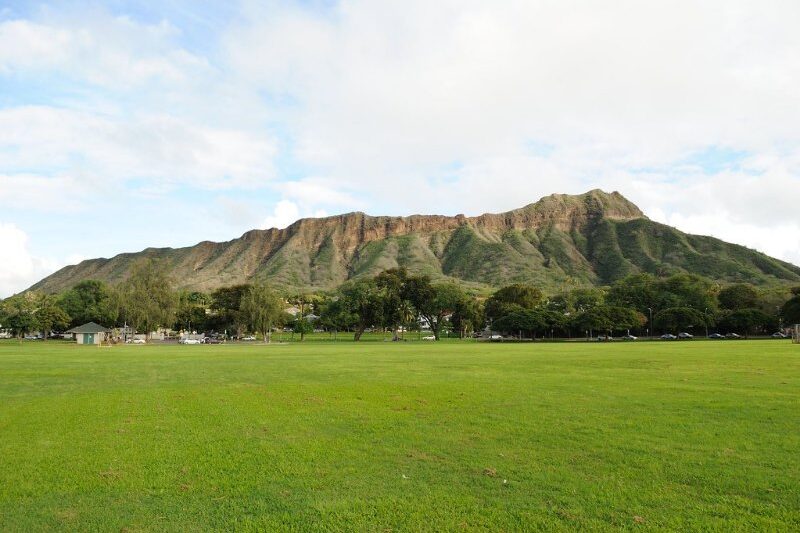
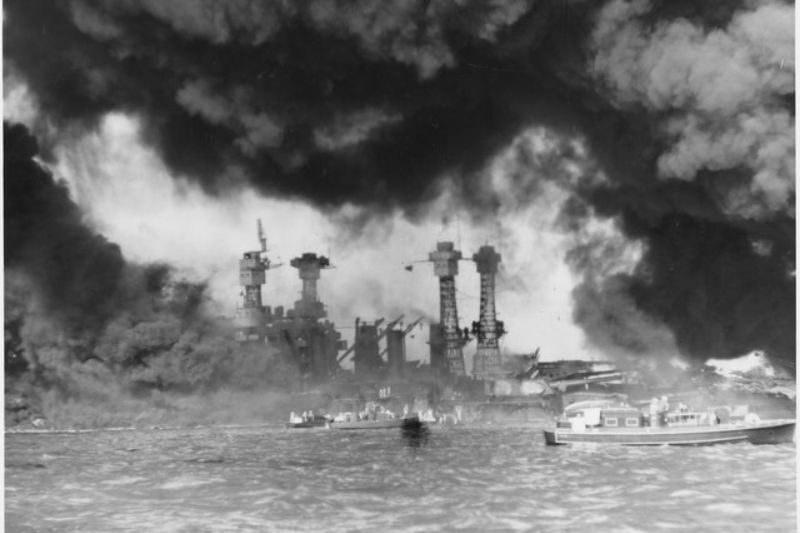
Honolulu, the capital of Hawaii, sits on the southeast coast of Oʻahu and serves as the islands’ vibrant urban and cultural heart. Declared capital of the Hawaiian Kingdom by Kamehameha III in 1850 and the state capital since 1959, the city proper counts about 350,000 residents, with roughly a million across the island. Its most famous district is Waikīkī, a two-mile stretch of resort-lined beach beneath the profile of Diamond Head, the volcanic crater whose summit trail rewards hikers with panoramic views. Honolulu carries deep history at ʻIolani Palace, built in 1882 and the only official royal palace on U.S. soil, and at Pearl Harbor, the naval base attacked on December 7, 1941, now home to the USS Arizona Memorial. Beyond the beaches, visitors explore Chinatown’s markets, world-class surf on the nearby North Shore, and lush hiking valleys. Blending Native Hawaiian heritage, Pacific cultures, and tropical city life, Honolulu is the gateway to the Hawaiian Islands.
Best time to visit
Spring (April-May) or Autumn (September-October)
Season by season
Spring (Mar–May): pleasant (24–29°C), less rain, fewer tourists, excellent for hiking and snorkeling. Summer (Jun–Aug): peak season, warmest temps (27–31°C), busiest beaches, most festivals. Autumn (Sep–Nov): warm, drier, thinning crowds, lower accommodation prices—a local favorite. Winter (Dec–Feb): cooler (22–27°C), more rain on windward side, prime whale-watching season, North Shore big wave surfing.
Crowds
High (busiest Jun-Aug and Dec holidays, moderate spring/autumn)
Getting there and around
Getting there
Daniel K. Inouye International Airport (HNL) handles direct flights from mainland US, Asia, and Oceania. From the airport, TheBus route 19/20 reaches Waikiki for $3, or taxis/Uber cost $30-40. Car rental counters are at the airport, though parking in Waikiki is expensive.
Getting around
TheBus covers most of Oahu with a flat $3 fare and free transfers. Waikiki is highly walkable. Biki bikeshare stations dot the urban core. For North Shore and windward coast trips, a rental car is recommended. Uber and Lyft operate island-wide. The Skyline rail is expanding and connects the western suburbs. Trolley buses serve tourist loops between Waikiki, Ala Moana, and Diamond Head.
Top experiences in Honolulu
Diamond Head State Monument
An iconic 300,000-year-old volcanic crater offering a moderately challenging 1.3 km trail to its 232m summit. The 360° panoramic views of Waikiki, Honolulu, and the Pacific coastline are among Hawaii’s most photographed scenes.
Waikiki Beach
A 3.2 km crescent of golden sand fronting the Waikiki neighborhood, world-famous for gentle surf breaks ideal for beginner surfers and outrigger canoeing. The beach is backed by a lively strip of hotels, restaurants, and shops.
Pearl Harbor National Memorial
Read the place guide →A deeply moving memorial site commemorating the December 7, 1941 attack. The USS Arizona Memorial sits above the sunken battleship where 1,177 crew members remain interred. Free timed-entry tickets should be booked well in advance.
Hanauma Bay Nature Preserve
A stunning coral reef bay in an extinct volcanic cone, home to over 400 species of fish. This marine life conservation area is Oahu’s premier snorkeling destination—arrive early as daily visitor capacity is limited.
Iolani Palace
Read the place guide →The only official royal palace on American soil, built by King Kalākaua in 1882. Its lavish interior, including the first electrically lit building in Hawaii, offers guided tours exploring the Kingdom of Hawaii’s sovereign history.
Editor-curated picks carried over from our original guide. Where a full place guide exists, the card links to it.




Worth booking ahead in Honolulu
Hand-picked from the operators our guides already send readers to. Prices and availability are live on the partner site.
BrowseViator
Tours and tickets in Honolulu on Viator (opens Viator in a new tab)
Viator's full list of bookable tours and tickets in Honolulu.
BrowseGetYourGuide
Experiences in Honolulu on GetYourGuide (opens GetYourGuide in a new tab)
Everything GetYourGuide sells in Honolulu, with the cancellation terms on each listing.
Where to stayBooking.com
Stays in Honolulu (opens Booking.com in a new tab)
Live rates and availability for Honolulu on Booking.com; filter by neighbourhood once you know where your days start.
We earn a commission if you book through these links, at no extra cost to you. It is how we keep the guides free and independent.
Where to stay
Halekulani
2169 Kalia Road, Honolulu, HI 96815
Editor-curated stays carried over from our original guide. Where we have reviewed the hotel, the card links to the review.
Tips from the field
Highlights
- Diamond Head – Volcanic crater hike with panoramic views
- Waikiki Beach – World-famous surfing and swimming
- Pearl Harbor – USS Arizona Memorial
- Hanauma Bay – Premier snorkeling preserve
- Iolani Palace – Only royal palace on US soil
Best activities
- Hike Diamond Head for panoramic views, swim and surf at Waikiki Beach, visit Pearl Harbor and the USS Arizona Memorial, snorkel at Hanauma Bay, tour Iolani Palace, hike to Manoa Falls through rainforest, explore the Bishop Museum for Polynesian history, walk Chinatown's food markets, watch sunset from Ala Moana Beach Park, and take a North Shore road trip for big-wave surfing and shrimp trucks.
Local experiences
- Join an early-morning outrigger canoe ride off Waikiki for an authentic Hawaiian ocean experience, or explore Chinatown's lei and food markets for a taste of local multicultural life.
Practical tips
- Aloha Spirit: 'Aloha' means hello, goodbye, love, and respect. 'Mahalo' means thank you.
- Shoes Off: Remove shoes before entering homes—it's universal in Hawaii.
- Reef-Safe Sunscreen: Non-reef-safe sunscreens are banned; bring mineral-based SPF.
- Parking: Waikiki parking is expensive ($30-50/day); use TheBus or walk when possible.
- Pearl Harbor: Book USS Arizona Memorial tickets well in advance—they sell out weeks ahead.
- Lei Etiquette: Never remove a lei in front of the person who gave it to you.
- Traffic: H-1 freeway gridlocks during rush hour; plan around it.
Photography tips
- Diamond Head summit offers the classic panoramic composition of Waikiki Beach and Honolulu skyline—arrive before 7 AM for golden light and thin crowds. Waikiki Beach is best captured at sunset looking toward Diamond Head. Hanauma Bay's turquoise water photographs best from the overlook before descending. Use a polarizing filter to cut ocean glare. Lanikai Beach on the windward coast delivers stunning sunrise shots with the Mokulua Islands. The Kakaako street murals provide colorful urban backdrops any time of day.
Timing
- Three full days cover Waikiki, Diamond Head, Pearl Harbor, and Hanauma Bay. Five days allow for Manoa Falls, the Bishop Museum, Chinatown, North Shore day trip, and relaxed beach time. A full week is ideal for adding windward coast exploration and a lu'au.
Keeping it authentic
- Honolulu's identity braids Native Hawaiian heritage with waves of Asian and Pacific immigration. The only US state with a royal palace, Hawaii was an independent kingdom until 1893. That sovereign history permeates daily life: hula is a living art form, 'ōlelo Hawaiʻi (Hawaiian language) appears on street signs and in schools, and lu'au feasts preserve centuries-old food traditions. The city's Asian influences—from Japanese temples to Vietnamese pho houses to Filipino plate lunch—reflect its position as the Pacific crossroads.
Culture, customs and safety
Cultural heritage
Honolulu serves as the cultural center of Native Hawaiian civilization and Pacific crossroads, where ancient Polynesian navigation traditions, Hawaiian Kingdom heritage, and multicultural island society created a unique Pacific cultural synthesis. The city preserves traditional Hawaiian cultural practices including hula dance, lei making, and ocean stewardship while embracing the diverse immigrant cultures that shaped modern Hawaii. Honolulu cultural heritage encompasses ancient Polynesian traditions, Hawaiian royal history, plantation-era multicultural development, and contemporary Pacific Islander cultural leadership that continues to influence Pacific regional identity and indigenous cultural preservation.
Local customs & etiquette
Hawaiian culture emphasizes ‘Mālama ka ʻĀina’—take care of the land. Clean up after yourself, stay on trails, don’t take lava rock or coral, and maintain distance from sea turtles and monk seals (both protected). Accept a lei graciously—it symbolizes aloha, friendship, and welcome. Remove shoes before entering homes. In social gatherings, ‘making a plate’ to take home is a thoughtful custom. Show patience, especially in traffic, and embrace the unhurried pace of island life.
Safety notes
Honolulu is generally safe with a violent crime rate below the US national average. The main risks are ocean-related: strong currents and high surf cause more injuries than any other hazard—always swim at lifeguarded beaches and obey warning signs. Never leave valuables unattended on the beach or visible in parked cars (lock items in the trunk before arriving). Stay on marked hiking trails and carry plenty of water. Hurricane season runs June–November; check weather advisories.

Activities