

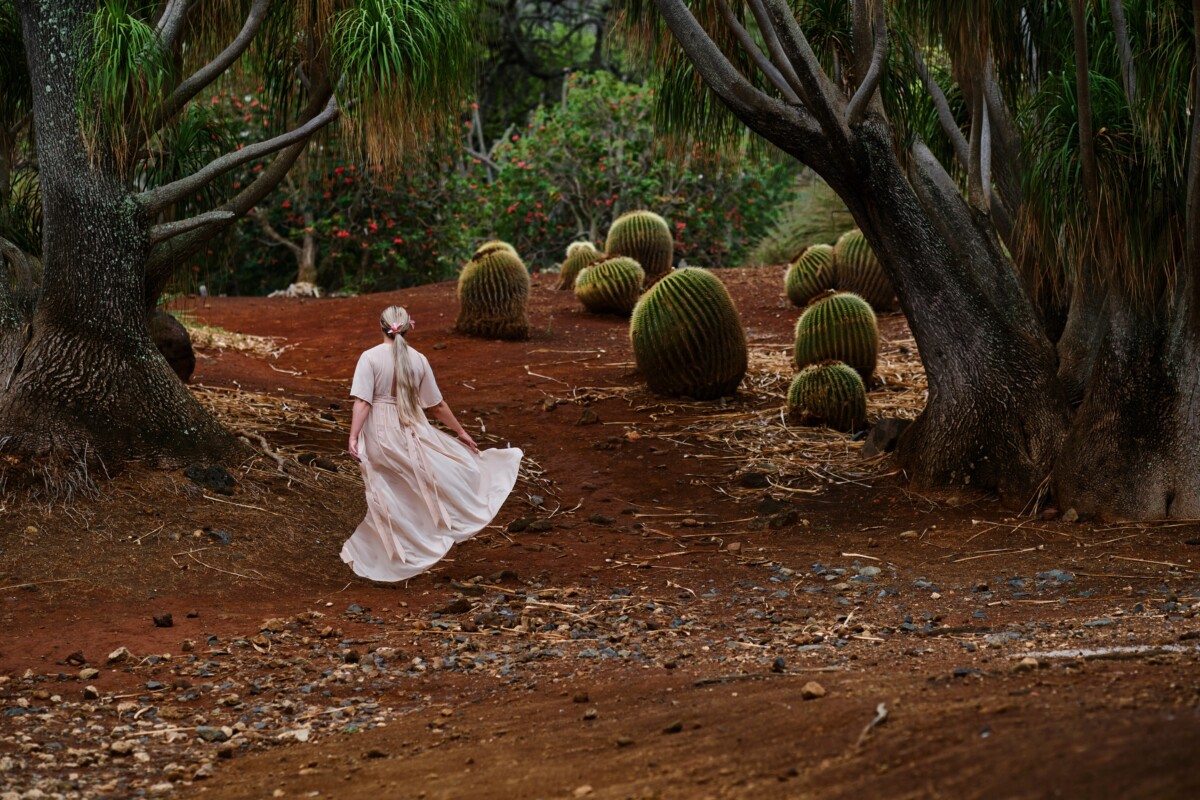
Discover a botanical wonder inside an ancient volcano crater, where 60 acres showcase the world’s most fascinating dryland plants. This unique garden arranges collections geographically, featuring everything from towering African baobabs to delicate Hawaiian wiliwili trees. The spectacular plumeria groves burst into bloom from March through October, while year-round displays of cacti, aloes, and rare succulents thrive in this protected microclimate. Free admission and a 2-mile loop trail make this an accessible adventure, though bringing water is essential.
Cultural Context
Koko Crater Botanical Garden holds a unique place within Hawaiian culture as it is situated in a volcanic crater that is part of the island’s rich geological and cultural landscape. The garden reflects the Hawaiian reverence for the land, or ‘aina,’ which is central to native traditions and spirituality. The cultivation and preservation of drought-resistant plants from arid regions around the world symbolize respect for nature’s resilience, a value deeply embedded in Hawaiian customs. Although the garden itself is a modern creation, it is located on land that was historically significant to Native Hawaiians, who viewed volcanic craters as sacred places connected to Pele, the Hawaiian goddess of volcanoes and fire. The garden’s focus on xerophytic plants also aligns with traditional Hawaiian agricultural practices that emphasized sustainability and adaptation to diverse ecological zones. Local celebrations occasionally incorporate the garden as a site for educational programs about native plants and Hawaiian environmental stewardship. The garden serves as a living classroom where visitors and locals alike can engage with the botanical heritage that parallels the cultural identity of Oahu and the broader Hawaiian Islands. Thus, Koko Crater Botanical Garden is not only a botanical collection but also a cultural landmark that embodies the Hawaiian ethos of living in harmony with the natural world.
Historical Context
Koko Crater Botanical Garden was established in 1958 by the Honolulu Board of Water Supply, transforming a dormant volcanic crater on Oahu’s southeastern coast into a specialized botanical collection. The crater itself, known as Kohelepelepe, has geological origins dating back approximately 10,000 years to the Honolulu Volcanic Series. Historically, the crater was a significant landmark for Native Hawaiians and was used for various traditional purposes, including fishing and gathering. The garden was developed to showcase plants adapted to dry environments, particularly from regions such as Africa, Madagascar, and the Americas, reflecting a mid-20th-century scientific interest in xerophytic flora. Over the decades, the garden has evolved to include over 5,000 individual plants representing more than 1,200 species, making it one of the most comprehensive collections of dryland plants in the world. The development of the garden paralleled Hawaii’s broader post-statehood efforts to conserve native and exotic plant species and promote environmental education. The garden’s establishment marks an important chapter in Oahu’s environmental history, illustrating the island’s commitment to preserving biodiversity and educating the public about ecological adaptation. Today, Koko Crater Botanical Garden stands as a testament to both Hawaii’s volcanic past and its ongoing relationship with plant conservation and scientific inquiry.



