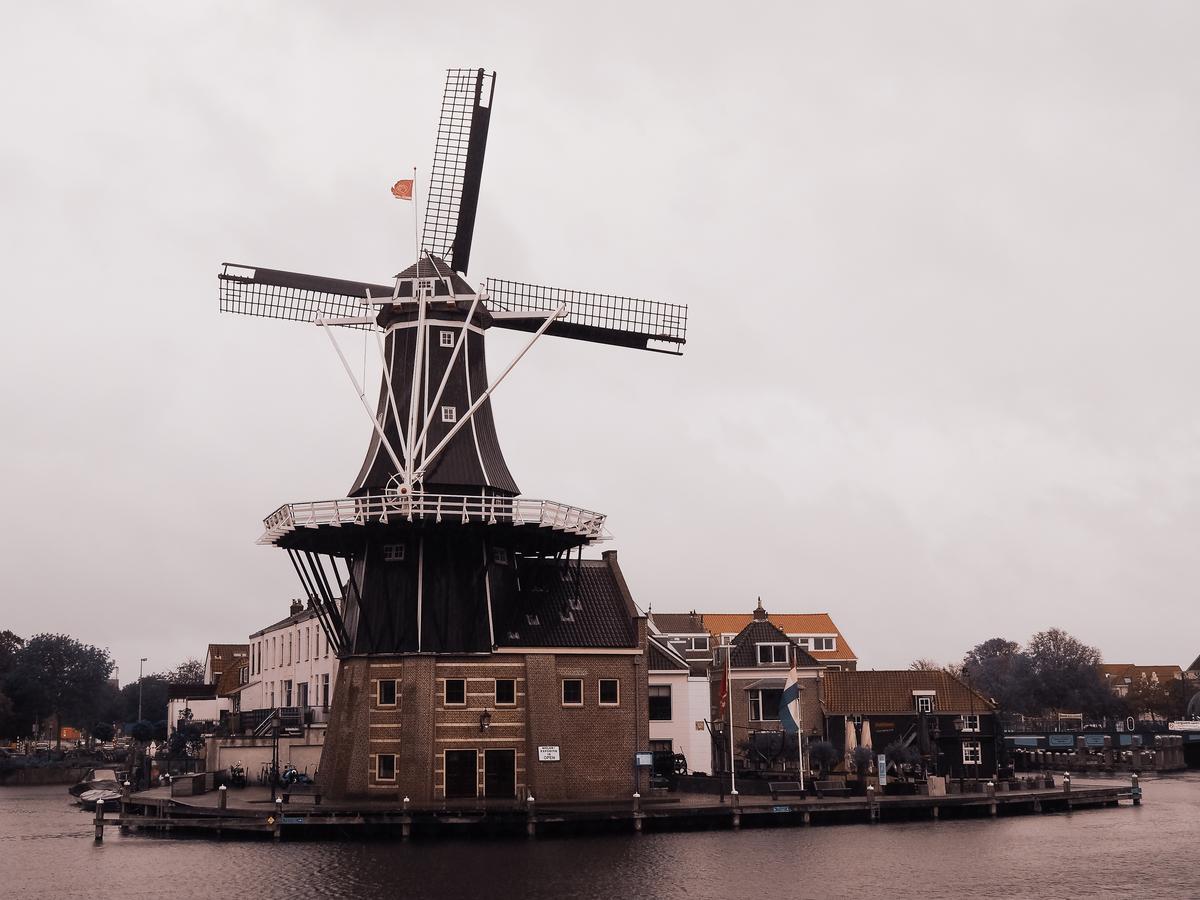
The best city in the Netherlands for a first visit is Amsterdam, but the right choice depends on the trip you want. Choose Utrecht for canal-side cafes, Rotterdam for modern architecture, The Hague for art and the coast, Maastricht for food and a longer weekend, or Haarlem and Delft for easy day trips.
This guide compares 14 Dutch cities by atmosphere, highlights, time needed, and ease of travel. It also includes Texel as a bonus island escape. For a broader mix of villages, national parks, windmills, and cities, see our guide to the best places to visit in the Netherlands.
Author’s note: I have lived in Amsterdam for more than four years after visiting the Netherlands several times before moving here. I have revisited and photographed many of the destinations below. The ranking combines that experience with practical trip planning and current information from official Dutch tourism, transport, and attraction sources. Details were last checked in July 2026.
Which Dutch city should you visit?
- Visit Amsterdam for the strongest first-time mix of canals, museums, neighborhoods, and nightlife.
- Choose Utrecht or Haarlem for historic streets and canals on a smaller, easier scale.
- Pick Rotterdam or Eindhoven for architecture, design, and a more modern Dutch city experience.
- Stay in Maastricht, Groningen, or Den Bosch when you want a destination that feels distinct enough for an overnight trip.
- Plan Delft, Leiden, Gouda, or Amersfoort as compact day trips with a clear historical focus.
Best cities in the Netherlands at a glance
Train times below are planning estimates from Amsterdam Centraal and can change by route, construction, and time of day. Check the NS journey planner before traveling.
| Destination | Best for | Time to allow | Typical trip from Amsterdam |
|---|---|---|---|
| Amsterdam | First-time visitors, major museums, nightlife | 2-4 days | Your base |
| Utrecht | Canals, cafe terraces, compact history | 1-2 days | About 25-30 minutes |
| The Hague | Art, politics, palaces, beach | 1-2 days | About 50-60 minutes |
| Rotterdam | Architecture, food halls, port culture | 1-2 days | About 40-45 minutes |
| Haarlem | Easy day trip, art, historic center | 1 day | About 15-20 minutes |
| Delft | Vermeer, Delftware, church towers | Half or full day | About 55-65 minutes |
| Leiden | Museums, university history, canals | 1 day | About 35-40 minutes |
| Maastricht | Food, wine, southern culture, caves | 2 days | About 2 hours 15-30 minutes |
| Groningen | Student energy, museums, northern Netherlands | 1-2 days | About 2 hours-2 hours 15 minutes |
| Den Bosch | Medieval streets, food, Binnendieze boats | 1 day | About 55-65 minutes |
| Eindhoven | Design, technology, industrial reuse | 1 day or event weekend | About 1 hour 15-25 minutes |
| Breda | Brabant cafe culture, royal history, street art | 1 day | About 1 hour 10-20 minutes |
| Amersfoort | Medieval gates, families, a low-key day trip | 1 day | About 35-45 minutes |
| Gouda | Cheese traditions, stained glass, compact center | Half or full day | About 50-60 minutes |
| Texel (bonus island) | Dunes, beaches, cycling, wildlife | 2 nights | About 2.5-3 hours including ferry |
Jump to a city
14 best cities in the Netherlands to visit
The order favors broad visitor appeal, distinctiveness, and practical value. A city ranked lower may still be the better choice for your interests, especially if you care more about design, food, family activities, or avoiding the busiest routes.
1. Amsterdam: Best for a first trip
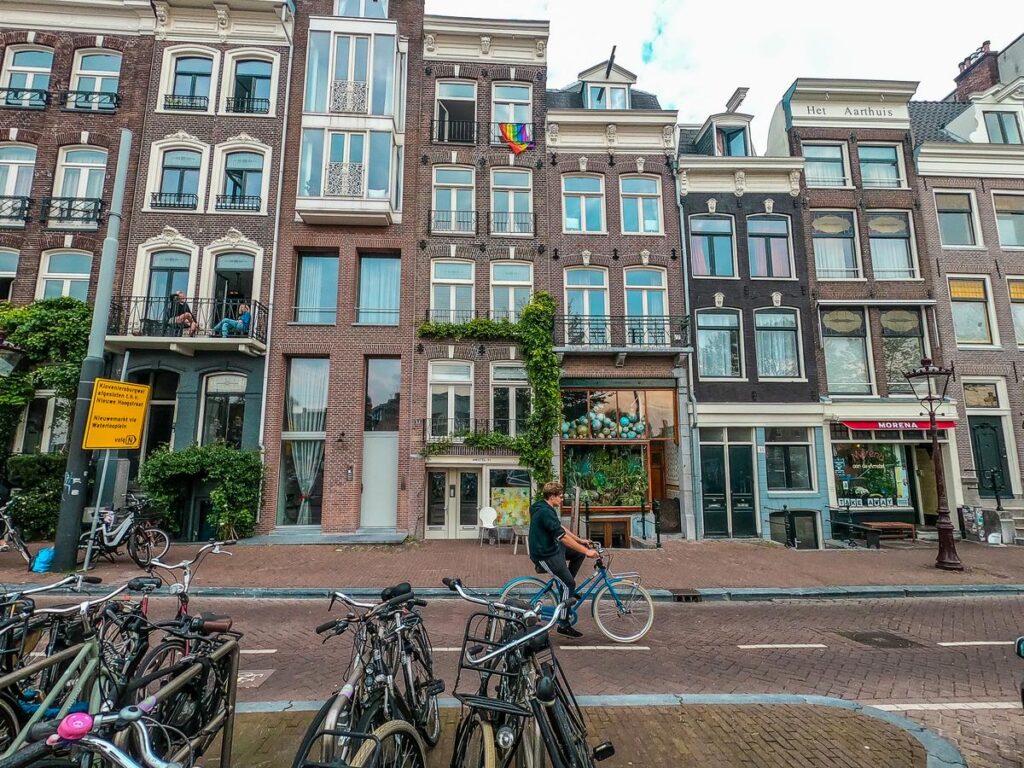
Amsterdam is the best all-around choice for a first visit because it combines major museums, walkable canal districts, nightlife, architecture, and straightforward international connections. It also works well as a rail base for Haarlem, Utrecht, Leiden, Delft, and The Hague.
The city rewards a slower plan. Spend one day around the Canal Ring and Jordaan, another around Museumplein and De Pijp, and a third exploring quieter areas outside the oldest center. Our guides to what Amsterdam is famous for and the best canals in Amsterdam can help narrow the route.
Reserve high-demand museums before arrival. The Anne Frank House sells only timed tickets online, and the Van Gogh Museum uses timed entry. These are poor choices for a last-minute, loosely planned day.
Planning note: Allow at least two full days, preferably three. Use our Amsterdam neighborhood guide before booking, and read the practical details in our Anne Frank House guide if that museum is a priority.
2. Utrecht: Best for canals on a smaller scale
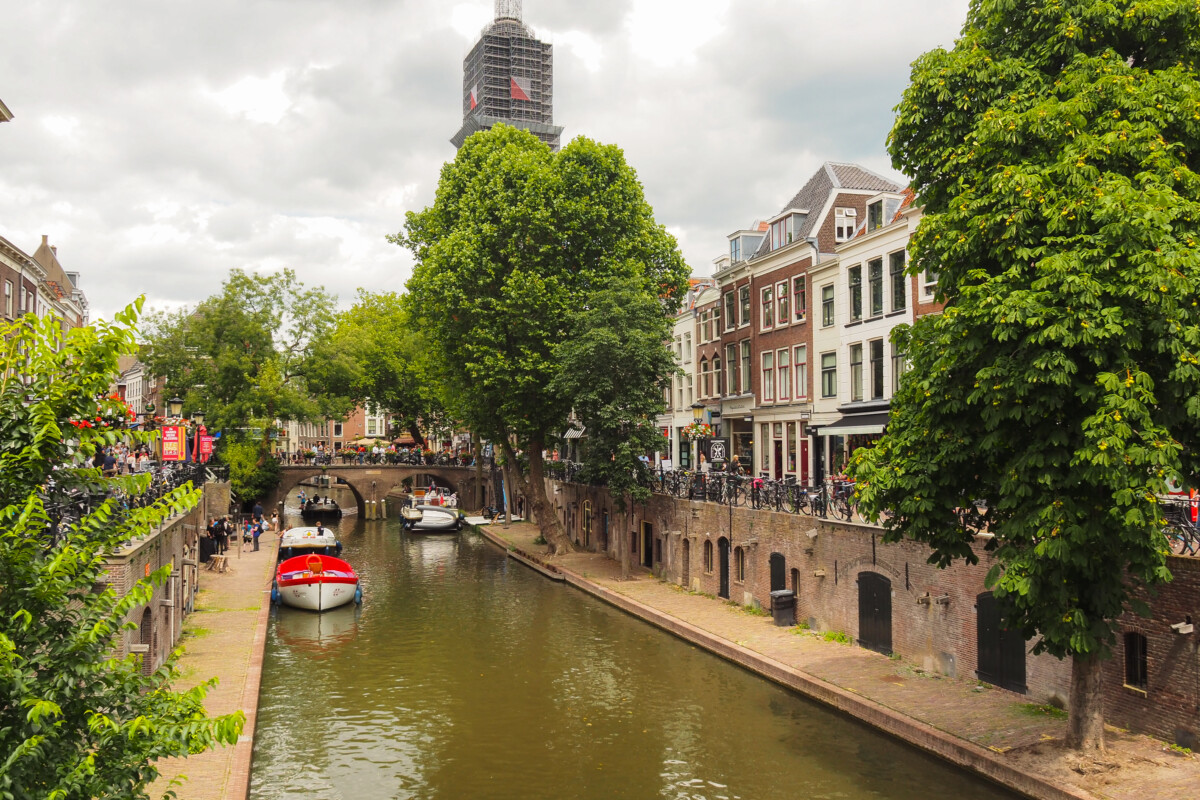
Utrecht is the strongest alternative to Amsterdam for travelers who want canals, old streets, museums, and cafes without giving most of the trip to a capital city. Its defining feature is the Oudegracht, where terraces and former storage cellars sit at water level below the street.
Start around Domplein, walk the Oudegracht, and leave time for Museum Speelklok or the Centraal Museum. The Dom Tower is 112 meters high, and the standard climb involves 465 steps. Book through the official Dom Tower site if you want the view.
Utrecht works as a day trip, but an overnight stay gives you the canal terraces after commuters and day visitors leave. See our Utrecht destination guide for a deeper plan.
3. The Hague: Best for art, politics, and the beach

Amsterdam is the constitutional capital, while The Hague is the seat of government. That distinction shapes the visit: parliament, ministries, embassies, the royal working palace, and international courts sit alongside some of the country’s strongest art museums.
The Mauritshuis is the compact centerpiece for Vermeer, Rembrandt, Fabritius, and other Dutch masters. The Peace Palace visitor center adds international-law context, while Scheveningen gives the city a North Sea beach that most Dutch city breaks cannot match.
The Binnenhof complex is undergoing a major renovation and should not be described as normally open. In 2026, visitors can follow the project at the free information center and climb the 28-meter Binnenhof viewing tower, weather permitting.
Planning note: One day covers the center and Mauritshuis; add a night if you want Scheveningen or several museums. Use our guides to the best things to do in The Hague and The Hague’s museums.
4. Rotterdam: Best for modern architecture

Rotterdam gives you the clearest break from the canal-house image of the Netherlands. Much of the center was rebuilt after the Second World War, and the result is a city of experimental housing, towers, bridges, converted docks, and large public spaces.
A practical first route connects Rotterdam Centraal, the Luchtsingel area, Markthal, Cube Houses, Oude Haven, and the Erasmus Bridge. Architecture-focused travelers should also consider the Depot Boijmans Van Beuningen and the redeveloped waterfront around Kop van Zuid.
Rotterdam is also the gateway to Europe’s largest port. The scale is hard to understand from the center alone, so a harbor cruise or Portlantis visit adds useful context. The Port of Rotterdam Authority provides current visitor and port information.
Planning note: Allow a full day for the center and two days if you want the port, Delfshaven, or a side trip. Our Rotterdam city guide covers the main options.
5. Haarlem: Best easy day trip from Amsterdam
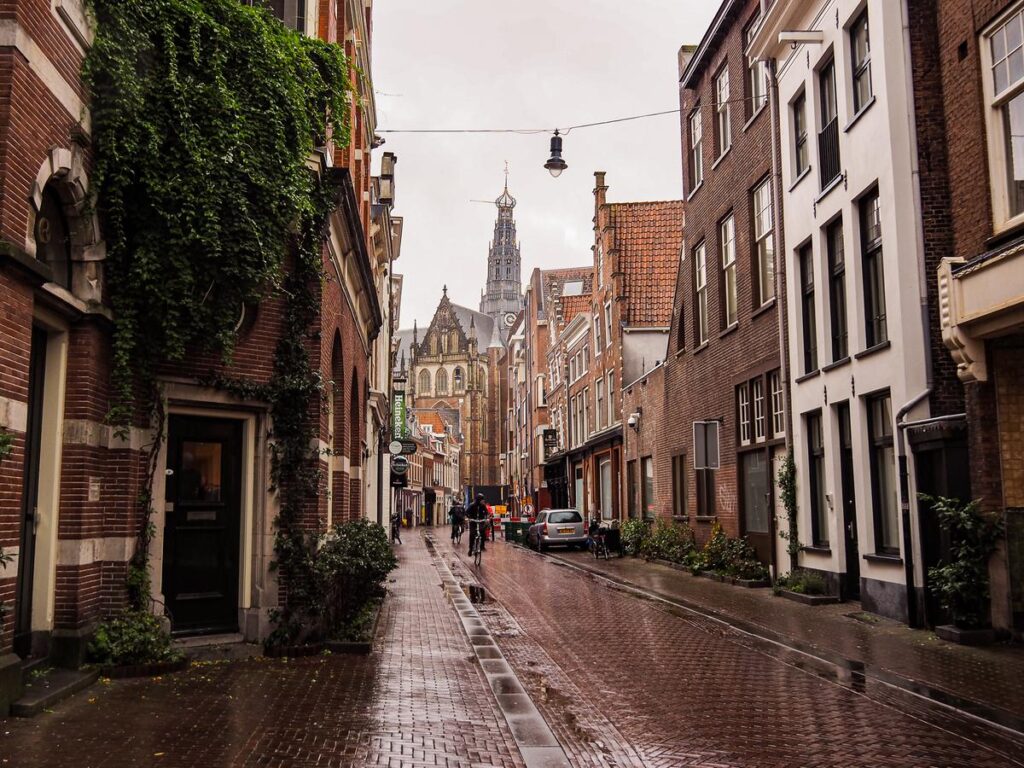
Haarlem is close enough to Amsterdam for an easy half-day trip, but it has enough substance for a full day. The historic center is compact, with the Grote Markt, Grote or St. Bavo Church, courtyards, independent shops, and good access to the Spaarne riverfront.
The Frans Hals Museum holds the world’s largest collection of works by Frans Hals, while Teylers Museum combines art, science, and a preserved historical interior. Together they make Haarlem a better museum destination than its small size suggests.
Bloemendaal aan Zee and Zandvoort are nearby coastal destinations, not central Haarlem attractions. Treat the beach as a separate extension rather than trying to squeeze it between museums and the old town.
Planning note: A full day is ideal. Start with our guide to things to do in Haarlem, then compare the best museums in Haarlem.
6. Delft: Best compact history day

Delft works because its major sights fit into a walkable center without feeling like a condensed version of Amsterdam. The city is tied to Johannes Vermeer, Delft Blue pottery, William of Orange, and the House of Orange-Nassau.
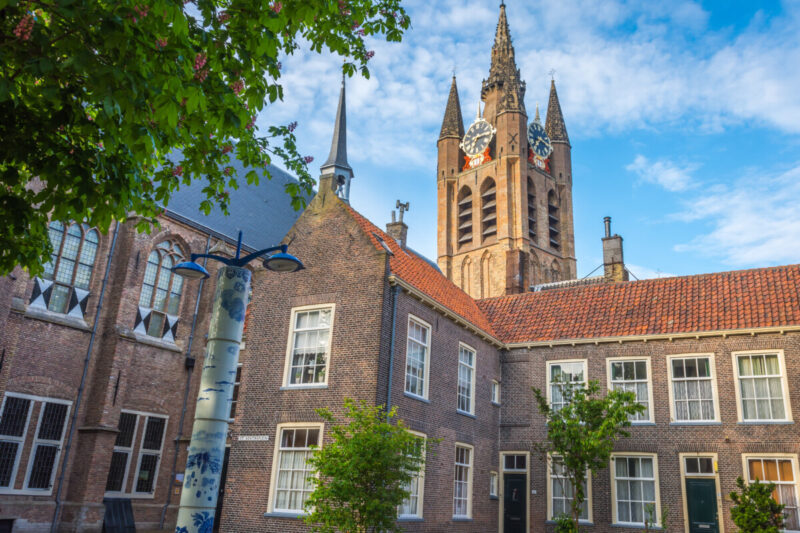
Markt square places the Nieuwe Kerk opposite the Renaissance city hall. The church tower is 108.75 meters tall, but visitors climb 376 steps to a viewing level at about 85 meters. There is no lift, so check the official tower conditions before committing.
Add the Oude Kerk, the Vermeer Centrum, and Royal Delft if your schedule permits. A half day covers the core; a full day gives the museums and canals room to breathe. Delft also combines naturally with The Hague or Rotterdam.
Use our Delft city guide or the step-by-step guide to a Delft day trip from Amsterdam.
7. Leiden: Best for museums and university history

Leiden is a strong choice for travelers who want canals and old streets with a more academic character. Leiden University was founded in 1575, and the city still feels shaped by students, research institutes, botanical history, and museum collections.
The main decision is what kind of museum day you want. Naturalis is excellent for natural history and families; Rijksmuseum van Oudheden focuses on archaeology; Museum De Lakenhal covers local art and history; and Hortus botanicus connects the city to centuries of plant research.
Leave time for the hofjes, Burcht, Pieterskerk area, and a canal walk. Leiden is easy to visit in one day, but museum-heavy travelers can justify an overnight stay. See our guide to the best things to do in Leiden.
8. Maastricht: Best for a food-focused weekend

Maastricht feels different from the western Dutch cities. Its limestone buildings, rolling surroundings, Roman and medieval layers, regional food, and proximity to Belgium and Germany make it a destination rather than a quick add-on.
Build the first day around Vrijthof, the Basilica of Saint Servatius, Onze Lieve Vrouweplein, the old walls, and the Jeker Quarter. Use a second day for the Bonnefanten Museum, St. Pietersberg, or the region’s wineries.
The underground sites require a guided visit. Maastricht Underground operates tours of the caves, Fort Sint Pieter, casemates, and former NATO facilities; visitors cannot enter those systems independently.
Planning note: Stay at least one night because the rail journey is long enough to make a same-day return rushed. Our Maastricht guide covers the city, while our guide to Dutch wine regions adds useful context for a longer trip.
9. Groningen: Best city break in the north

Groningen is worth the longer train ride when you want a city that does not feel like an Amsterdam day-trip satellite. The large student population keeps the center active, while the surrounding province gives you access to open landscapes, cycling routes, and the Wadden region.
Climb the 97-meter Martinitoren, visit the Groninger Museum, and explore the streets around the Hoge and Lage der A. Forum Groningen adds a modern counterpoint with exhibitions, film, a library, and a high public roof terrace.
A long day is possible, but an overnight stay makes more sense. It gives you the evening restaurant and bar scene without watching the clock for a two-hour return. Our guide to things to do in Groningen can help structure the visit.
10. Den Bosch: Best for medieval streets and Brabant food
Den Bosch is the common short name for ‘s-Hertogenbosch. It deserves a place on a city-only list because it combines a substantial medieval center with a local food identity and an unusual water route beneath and between old buildings.
St. John’s Cathedral is the visual anchor. From there, walk the Uilenburg district, visit the Noordbrabants Museum, and book a Binnendieze boat tour if the seasonal schedule fits. The restored waterways pass through sections of the old city that are difficult to understand from street level.
Finish with a Bossche bol, the city’s chocolate-covered cream pastry. The official Den Bosch visitor overview is a useful starting point for current attractions and events.
Planning note: One full day works well. Stay overnight if food and evening terraces are a central part of the trip.
11. Eindhoven: Best for design and industrial heritage

Eindhoven is not the choice for intact medieval streets. It is the choice for industrial reuse, technology history, contemporary art, and Dutch design. Philips helped shape the city’s modern growth, and former factory areas now hold studios, restaurants, event spaces, and businesses.
Start with the Philips Museum or Van Abbemuseum, then move to Strijp-S for the clearest view of Eindhoven’s industrial transformation. Design-focused visitors should check the Dutch Design Week calendar, while football fans may prefer a PSV stadium visit.
For nightlife, the relevant district is Stratumseind, not a generic “Benelux area.” Eindhoven works as a full day or an event-focused weekend, especially when a festival or exhibition gives the trip a clear purpose.
12. Breda: Best for relaxed Brabant city life

Breda suits travelers who care as much about lunch, terraces, and a relaxed evening as they do about checking off monuments. The center combines the Grote Markt, Grote Kerk, Begijnhof, Valkenberg Park, canals, and a growing collection of murals.
The city’s Nassau history is important, but Breda Castle is used by the Royal Military Academy and is not a normal walk-in attraction. View it from Valkenberg Park or join an authorized route rather than planning around unrestricted interior access.
Blind Walls Gallery gives Breda a strong contemporary layer, with murals spread across the city. One day is enough for the main sights; an overnight stay makes sense if Brabant dining and nightlife are part of the reason for visiting.
13. Amersfoort: Best low-key medieval day trip
Amersfoort offers medieval walls, canals, gates, and narrow streets without demanding a long journey from Amsterdam or Utrecht. Its strongest route links the Koppelpoort, Muurhuizen, Havik, Onze Lieve Vrouwetoren, and the old center.
The Koppelpoort is especially useful for understanding the fortified city because it combines a land gate and water gate. Art travelers can add the Mondriaanhuis, located in Piet Mondrian’s birthplace, while families may want to continue to DierenPark Amersfoort.

Planning note: The historic core fits into a day. Choose a guided Koppelpoort visit if access to the gate interior matters, because normal street views do not show its working mechanisms.
14. Gouda: Best for cheese traditions and stained glass

Gouda is small enough for a half-day stop but varied enough for a full day when you look beyond cheese. The Gothic town hall sits in the center of Markt, while the Waag explains the city’s weighing and trade history.
St. John’s Church is the deeper cultural reason to visit. Its long interior contains 72 stained-glass windows known as the Gouda Glass, covering religious, civic, and national subjects across several centuries.
The staged cheese market normally runs on Thursday mornings in the warmer months, with exceptions around holidays. Check the current calendar before building a trip around it. Outside market hours, the square, cheese shops, museum, canals, and syrup waffles still justify the stop.
See our guide to the best things to do in Gouda for a complete day plan.
Bonus: Texel for an island break

Texel is an island and municipality, not a city. It remains here as a bonus because it offers the clearest nature break from a city-heavy Netherlands itinerary and preserves one of the original ViaTravelers destinations and images from this guide.
The Dunes of Texel National Park combines dunes, forest, heath, salt marshes, and beaches. Cycling is the most useful way to connect the landscape with Den Burg, De Koog, De Cocksdorp, the lighthouse, and the Ecomare seal and nature center.
The TESO ferry runs from Den Helder, takes about 20 minutes, and does not require a time reservation. Schedules increase on busy days, so check the current TESO timetable before travel.
One long day is possible, but two nights make the journey worthwhile. Read our guide to things to do on Texel and watch our Texel island video tour before deciding where to base yourself.
How to travel between Dutch cities
For this itinerary, trains are usually more useful than a rental car. Stations sit close to the centers of Amsterdam, Utrecht, Rotterdam, The Hague, Haarlem, Delft, Leiden, Maastricht, Groningen, Den Bosch, Eindhoven, Breda, Amersfoort, and Gouda. Driving adds parking costs and restrictions without saving much time in the core cities.
- Use the same contactless debit card, credit card, phone, or wearable to check in and out with OVpay. Do not mix devices for the same journey.
- Check in and out for each operator. A rail-to-metro or rail-to-bus transfer may require a separate tap.
- Use NS for rail planning and the relevant local operator for trams, buses, and metros.
- Rent a bike only if you are comfortable with Dutch cycling speeds, priority rules, and busy intersections. Walking and transit are enough for most first visits.
Our Netherlands travel tips cover more practical details.
How to combine these cities
| Trip length | Suggested route | Why it works |
|---|---|---|
| 3 days | Amsterdam + Utrecht or Haarlem | One major base plus one simple day trip |
| 5 days | Amsterdam + Utrecht + Rotterdam + The Hague | Balances canals, art, politics, and modern architecture |
| 7 days | Amsterdam + Haarlem + Leiden + Delft + Rotterdam + Utrecht | Efficient western loop with short rail legs |
| 10 days | Western loop + Maastricht or Groningen | Adds a region that feels meaningfully different |
| 12-14 days | Western loop + Maastricht + Groningen or Texel | Creates room for one southern and one northern or island stay |
Do not change hotels every night just because the rail network makes it possible. Amsterdam, Utrecht, Rotterdam, and The Hague are effective bases. Maastricht, Groningen, and Texel are the destinations most likely to justify a separate overnight stay. Our Netherlands itinerary offers a longer route-planning framework.
The best Netherlands city for your trip
Choose Amsterdam for a first trip, Utrecht for a smaller canal city, Rotterdam for architecture, and The Hague for art plus the coast. Haarlem, Delft, Leiden, Gouda, and Amersfoort are efficient day trips. Maastricht, Groningen, Den Bosch, and Texel reward travelers who slow down and stay overnight.
The most useful itinerary usually combines one major base with two contrasting destinations. Amsterdam plus Utrecht and Rotterdam gives you far more range than trying to visit three similar canal towns in a row.
Flights between these cities are short enough that the airline barely matters, but the long-haul leg into Schiphol does – our review of KLM covers whether it is worth paying up for.
Frequently asked questions
What is the best city in the Netherlands for a first-time visitor?
Amsterdam is the best first-time choice because it has the country’s broadest mix of major museums, canal neighborhoods, nightlife, and international connections. Give it at least two full days, then add Utrecht, Haarlem, The Hague, or Rotterdam for contrast.
Which cities in the Netherlands are worth visiting besides Amsterdam?
Utrecht, Rotterdam, The Hague, Haarlem, Delft, Leiden, Maastricht, Groningen, Den Bosch, Eindhoven, Breda, Amersfoort, and Gouda are all worthwhile. Utrecht is the easiest all-around alternative, while Rotterdam, Maastricht, and Groningen provide the biggest change in architecture or regional character.
Can you visit Dutch cities by train?
Yes. The cities in this guide have practical rail connections, and most central stations are within walking distance or a short local-transit ride of the main sights. Visitors can usually check in and out with the same contactless payment card or device through OVpay.
How many days do you need to visit cities in the Netherlands?
Five to seven days is enough for Amsterdam plus two or three nearby cities. Allow 10 days if you want to add Maastricht or Groningen without rushing, and 12 to 14 days if Texel or multiple overnight bases are part of the route.
Is Texel a city?
No. Texel is a Wadden Island and municipality with several villages. It is included as a bonus because its dunes, beaches, cycling routes, and wildlife provide a useful nature break from a city-focused Netherlands itinerary.