Explore Marseille's ancient Abbey Saint-Victor.
- Universal Appeal and Cultural Authenticity
- The abbey has a rich history dating back to 415 AD, offering a deep dive into Roman and Medieval times.
- The crypt, with its pagan markings and ancient stone floors, provides an atmospheric and authentic experience.
- The abbey’s architecture and ambiance give visitors a genuine sense of the ancient monastic life.
- It maintains local traditions with regular masses in French and Arabic, reflecting its cultural integration.
- Cultural Richness and Educational Value
- Audio guides offer detailed historical context and enhance the understanding of the site.
- Exhibits and structured layers of the building offer insights into centuries of religious and cultural practices.
- The historical significance of Victor of Marseille enriches the visitor’s knowledge of local saints and history.
- Visual elements like stained glass windows help illustrate religious narratives and artistic traditions.
- Preservation and Integrity
- Well-preserved crypts and architecture maintain the historical integrity of the site.
- Efforts to prepare exhibitions suggest an ongoing commitment to conservation and educational outreach.
- The low admission fee of 2 euros makes it sustainable yet accessible, hinting at effective preservation funding.
- The abbey’s structure and atmosphere offer a raw, unaltered historical experience that feels authentic.
- Accessibility and Visitor Engagement
- The abbey opens early, allowing visitors to explore without crowds and engage with the site intimately.
- Audio guides and affordable ticket prices make it accessible and informative for a broad audience.
- Located on a hilltop with panoramic views of Vieux-Port, adding an extra element of scenic attraction.
- Interactive elements like exhibits and audio guides enhance visitor engagement and understanding.
Abbaye Saint-Victor Review: A Hidden Gem in Marseille’s Historic Heart
History and Significance
You’ll be amazed by the rich history of Abbaye Saint-Victor in Marseille. This ancient abbey dates back to the 5th century when two monasteries stood there. Sadly, Saracen invaders destroyed them in the 8th or 9th century.
But don’t worry—the abbey rose again! It was rebuilt in the 11th century and became a powerful religious center. Parts of the medieval church can still be seen today.
The crypt is where things get exciting. It preserves the original 5th-century structure and houses a sarcophagus said to contain the remains of Saint Victor himself. Pretty cool, right?
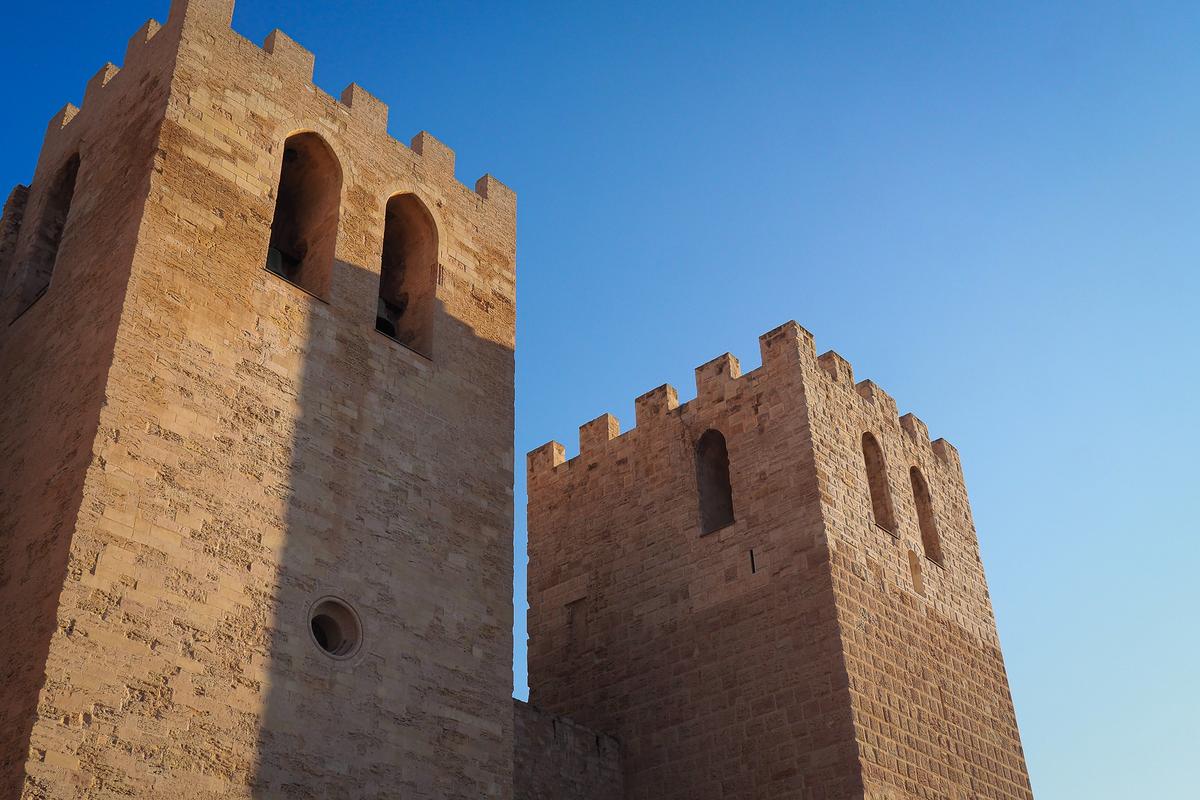
Over the centuries, Abbaye Saint-Victor has been a landmark for Marseille’s residents and visitors alike. Its imposing tower watches over the Old Port, guiding sailors home.
When you visit, you’re not just seeing an old building. You’re stepping into nearly 1,600 years of history and faith. The abbey has survived wars, rebuilding, and the passage of time to remain an important part of Marseille’s cultural heritage.
Main Attractions and Activities
When you visit Abbaye Saint-Victor, you’ll be stepping into a piece of ancient history. The abbey’s crypt is a must-see attraction. As you descend into the cool, dimly lit space, you’ll find yourself surrounded by centuries-old stone sarcophagi and religious artifacts.
Don’t miss the chance to explore the main church above. Its simple yet beautiful Romanesque architecture is truly awe-inspiring. You might even catch some peaceful background music during your visit, adding to the serene atmosphere.
For just 2 euros, you can take a self-guided tour of the catacombs. This is a great value and gives you a glimpse into the abbey’s fascinating past.
If you’re lucky, your visit might coincide with a concert or special event in the abbey. These occasions bring the historic space to life.
Remember to take a moment to appreciate the abbey’s exterior too. Its two towers, rebuilt in later centuries, are striking against the Marseille skyline.
Visitor Experience
Abbaye Saint-Victor is a peaceful oasis in bustling Marseille. As you step inside, the cool stone walls and dim lighting transport you back in time. The ancient crypt, with its eerie sarcophagi and catacombs, is particularly fascinating.
Don’t expect big crowds here. You’ll often have the place nearly to yourself, perfect for quiet reflection. The staff are friendly but not overly chatty, letting you explore at your own pace.
Make sure to check out the stunning views of the Old Port from outside the abbey. It’s a great spot for photos!
Pro tip: Bring a sweater, even on hot days. The interior stays chilly year-round.
One quirk you might notice is that the floor is uneven in spots. Watch your step as you wander around.
Visiting Abbaye Saint-Victor allows you to connect with Marseille’s long history in a serene setting. It’s a nice break from the city’s more touristy spots.
Tips for Visitors
You’ll want to visit Abbaye Saint-Victor early in the morning or late afternoon to dodge the crowds. Trust me, it’s way more peaceful then. Wear comfy shoes – you’ll be doing a fair bit of walking. And don’t forget to bring a light jacket; it can get chilly inside those old stone walls.
Tickets are about 5 euros for adults, but here’s a pro tip: entry is free if you’re in Marseille on the first Sunday of the month! You can’t beat that deal.
There is no need to book in advance unless you’re coming with a big group. Just show up and buy your ticket at the door. Easy peasy.
Oh, and make sure to check out the crypt. It’s a bit spooky but worth it. The ancient sarcophagi down there are mind-blowing.
Remember to be respectful – it’s still an active church. But don’t be shy about snapping some pics. The interior is gorgeous, and you’ll want to remember it.
Accessibility and Facilities
Abbaye Saint-Victor is fairly accessible, though there are some challenges to remember. The main entrance has a few steps, but there’s a side entrance with a ramp for wheelchair users. Most areas are navigable, but some narrow passages might be tricky.
There are restrooms near the entrance, including an accessible one. They’re clean and well-maintained—a relief after a long day of sightseeing!
There’s no café on-site, but you’ll spot a few vending machines for quick snacks and drinks. If you’re after a proper meal, you’ll need to head to one of the nearby restaurants in the Vieux-Port area.
Parking can be a bit of a headache. There’s limited street parking around the abbey, so you might want to use one of the public parking garages, a short walk away.
One tip: bring a light jacket even on warm days. The stone interior stays cool year-round, and you’ll be glad for an extra layer while exploring the crypts.
Unique Features
You’ll be amazed by Abbaye Saint-Victor’s hidden treasures. As you descend into the ancient crypt, you return to the 5th century. The cool, damp air and dim lighting create an eerie atmosphere that’ll send shivers down your spine.
Look for the sarcophagus that supposedly holds the remains of Saint Victor himself. It’s a haunting reminder of the abbey’s long history. As you explore the nooks and crannies, you might feel like an archaeologist uncovering long-lost secrets.
Don’t miss the stunning Romanesque architecture above ground. The massive stone walls and intricate carvings tell the story of centuries gone by. You can almost hear the echoes of monks chanting in the peaceful sanctuary.
One of my favorite memories is watching the sunset from the abbey’s vantage point. The golden light bathes the old stones, creating a magical moment you won’t soon forget. Bring your camera – you’ll want to capture this breathtaking view of Marseille’s harbor.
Best Time to Visit
- Early Morning (9 a.m.—10 a.m.): The best time to visit is right when the abbey opens at 9 AM. This time allows you to explore the abbey and its crypts in peace, with minimal crowds, providing an intimate and uninterrupted experience.
- Avoid Mid-Morning Crowds (Before 11 a.m.): By 11 AM, the abbey attracts more visitors, leading to larger crowds. Plan your visit before this peak time to fully appreciate the serene atmosphere and historical ambiance.
- Late Afternoon (After 4 p.m.): If a morning visit isn’t possible, consider arriving late. The crowds tend to diminish later in the day, giving you another opportunity to enjoy the abbey with fewer distractions, especially before it closes at 7 PM.
Overall Impressions
Abbaye Saint-Victor is a must-see for history buffs and architecture lovers. You’re immediately transported back in time as you step into this ancient abbey. The crypt is especially fascinating, with its 5th-century sarcophagus and eerie atmosphere.
The abbey’s rich history, dating back to the 4th century, will amaze you. The medieval church above ground is impressive, but the treasures lie beneath the crypts. Here, you can explore the vestiges of early Christianity and marvel at ancient sarcophagi.
The abbey’s location overlooking the old port adds to its charm. At sunset, the view is simply breathtaking. You might find yourself lingering outside just to soak in the scenery.
While not the most lavish church you’ll ever see, Abbaye Saint-Victor makes up for it with its authenticity and historical significance. It’s a place that sparks your imagination and leaves you pondering the lives of those who walked these halls centuries ago.
If you’re in Marseille, don’t miss this hidden gem. It’s a peaceful retreat from the bustling city and a window into the region’s fascinating past.
Pros and Cons
Let me tell you, after spending some time at Abbaye Saint-Victor, I’ve got a pretty good handle on what makes this place tick. Here’s a quick rundown of the ups and downs:
Pros:
• Breathtaking architecture – you’ll be in awe of the Romanesque style
• Rich history dating back to the 5th century
• Peaceful atmosphere perfect for reflection
• Stunning views of Marseille’s Old Port
• Fascinating crypts to explore
Cons:
• Limited guided tours in English
• Can get crowded during peak tourist season
• Some areas may be closed for restoration
• Steep climb to reach the abbey
• Not as well-known as other Marseille attractions
The abbey is perched high above the city, so wear comfy shoes! The climb is worth it, though, trust me. When you step inside, you’re immediately transported back in time.
The stone walls seem to whisper stories of the past. I found myself imagining the monks who once walked these halls. It’s a bit eerie but in the best way possible.
I was struck by how peaceful it felt, even with other visitors. There’s just something about the place that encourages quiet reflection. You might want to bring a journal to jot down your thoughts.
Remember to check the schedule before you go. Sometimes, they have concerts or special events that could add to your experience. Or they might interfere if you’re hoping for a quiet visit.