Marseille, France’s second-largest city, is a vibrant port city known for its rich history, diverse culture, and stunning Mediterranean coastline. With a blend of old-world charm and modern flair, visitors can explore the historic Old Port, indulge in local cuisine, and enjoy the lively atmosphere of its bustling markets and neighborhoods.
The destination guide
Marseille
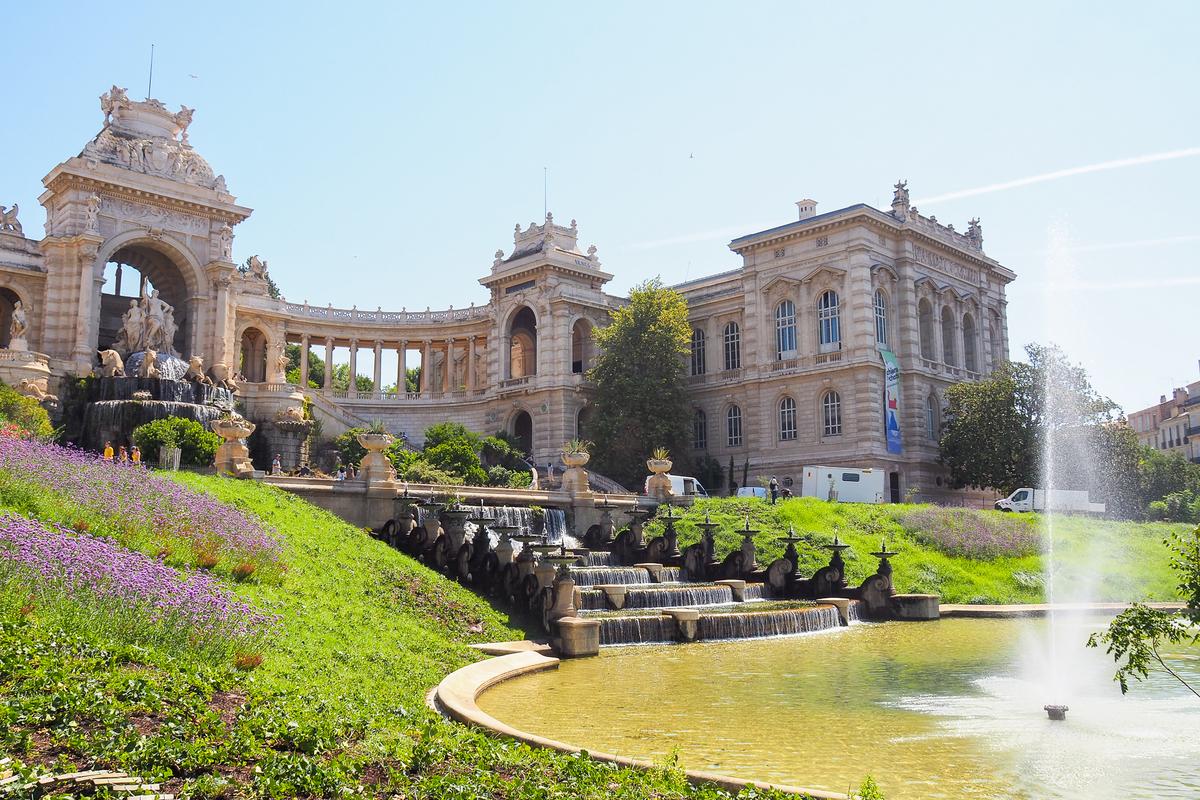
Marseille gets skipped for Paris or Nice. That’s a mistake — the Old Port alone rewrites what French cities are supposed to feel like.
Travel guides for Marseille
Destination stories (1)
More guides featuring Marseille (5)
At a glance
Currency€ EURCode: EUR
Time zone CEST, UTC+2)Central European Time (CET, UTC+1 / CEST, UTC+2)
Languages
- French
Setting
- Mediterranean port city
- Calanques cliffs
- Old port harbor
- Limestone hills
Population885K885,134 residents
VisaDuration: Up to 90 days within any 180-day period in the Schengen Area · Documents: Valid passport issued within the last 10 years and valid for at least 3 months after planned departure, plus proof of accommodation, onward or return travel, and sufficient funds if requested
How Marseille scores
8/10OverallExcellent
Weather8/10
Value for money7/10
Food & cuisine9/10
Culture & arts6/10
Cultural experience8/10
Nature & outdoors7/10
Adventure4/10
Nightlife7/10
Shopping7/10
Family friendly5/10
Romance8/10
Editorial scores on a 10-point scale, weighed against destinations of the same kind.
Travel safety snapshot
Overall58/100Exercise precaution
Women travellers52/100
LGBTQ+ travellers70/100
Theft50/100
Medical care75/100
Physical harm55/100
Political freedom78/100
SafePlace indicators use their source 100-point scale; higher is more favourable. Planning context, not a live travel advisory — check official government guidance before you go.
When to go
Best months to visit: April, May, June, July, August, September and October.
- January: 5.6 to 11.5 degrees Celsius, 39.2 millimetres of rain, best-time score 2 out of 5.
- February: 6.5 to 12.9 degrees Celsius, 43.6 millimetres of rain, best-time score 2 out of 5.
- March: 7.7 to 14.7 degrees Celsius, 52.4 millimetres of rain, best-time score 3 out of 5.
- April: 10.1 to 17.2 degrees Celsius, 55.1 millimetres of rain, best-time score 4 out of 5.
- May: 13.5 to 20.5 degrees Celsius, 50.1 millimetres of rain, best-time score 5 out of 5.
- June: 18.2 to 25.4 degrees Celsius, 22.3 millimetres of rain, best-time score 5 out of 5.
- July: 20.5 to 28.4 degrees Celsius, 9.1 millimetres of rain, best-time score 4 out of 5.
- August: 20.3 to 28.3 degrees Celsius, 23 millimetres of rain, best-time score 4 out of 5.
- September: 17.2 to 24.3 degrees Celsius, 59.6 millimetres of rain, best-time score 5 out of 5.
- October: 13.9 to 20.5 degrees Celsius, 87.4 millimetres of rain, best-time score 5 out of 5.
- November: 9.6 to 15.3 degrees Celsius, 87.8 millimetres of rain, best-time score 3 out of 5.
- December: 6.8 to 12.7 degrees Celsius, 61.2 millimetres of rain, best-time score 2 out of 5.
Month-by-month conditions and packing advice
- January
- Cool to mild, occasional rain January in Marseille: winter wind and shorter days make the trip less balanced. Crowds: January in Marseille is workable with normal seasonal planning; build in layers, weather checks, and a mix of indoor and outdoor activities. Pack: Pack layered clothing and comfortable walking shoes.
- February
- Cool to mild, occasional rain February in Marseille: winter wind and shorter days make the trip less balanced. Crowds: February in Marseille is workable with normal seasonal planning; build in layers, weather checks, and a mix of indoor and outdoor activities. Pack: Pack layered clothing and comfortable walking shoes.
- March
- Cool to mild, occasional rain March in Marseille: cooler transition weather narrows swimming and boat plans. Crowds: March in Marseille is workable with normal seasonal planning; build in layers, weather checks, and a mix of indoor and outdoor activities. Pack: Pack layered clothing and comfortable walking shoes.
- April
- Cool to mild, occasional rain April in Marseille: spring buildup or peak-summer beach timing can work with crowd and heat planning. Crowds: April in Marseille is workable with normal seasonal planning; build in layers, weather checks, and a mix of indoor and outdoor activities. Pack: Pack layered clothing and comfortable walking shoes.
- May
- Mild to warm, occasional rain May in Marseille: Vieux-Port walks, Calanques access, food, beaches, museums, and Provence day trips balance warmth and comfort. Crowds: May in Marseille is comfortable for sightseeing, neighborhoods, food stops, day trips, and outdoor time with limited weather friction. Pack: Pack layered clothing and comfortable walking shoes.
- June
- Mild to warm, mostly dry June in Marseille: Vieux-Port walks, Calanques access, food, beaches, museums, and Provence day trips balance warmth and comfort. Crowds: June in Marseille is comfortable for sightseeing, neighborhoods, food stops, day trips, and outdoor time with limited weather friction. Pack: Pack light clothing, sun protection, and comfortable walking shoes.
- July
- Warm to hot, mostly dry July in Marseille: spring buildup or peak-summer beach timing can work with crowd and heat planning. Crowds: July in Marseille is comfortable for sightseeing, neighborhoods, food stops, day trips, and outdoor time with limited weather friction. Pack: Pack light clothing, sun protection, and comfortable walking shoes.
- August
- Warm to hot, mostly dry August in Marseille: spring buildup or peak-summer beach timing can work with crowd and heat planning. Crowds: August in Marseille is comfortable for sightseeing, neighborhoods, food stops, day trips, and outdoor time with limited weather friction. Pack: Pack light clothing, sun protection, and comfortable walking shoes.
- September
- Mild to warm, occasional rain September in Marseille: Vieux-Port walks, Calanques access, food, beaches, museums, and Provence day trips balance warmth and comfort. Crowds: September in Marseille is comfortable for sightseeing, neighborhoods, food stops, day trips, and outdoor time with limited weather friction. Pack: Pack light clothing, sun protection, and comfortable walking shoes.
- October
- Mild to warm, some rain October in Marseille: Vieux-Port walks, Calanques access, food, beaches, museums, and Provence day trips balance warmth and comfort. Crowds: October in Marseille is workable with normal seasonal planning; build in layers, weather checks, and a mix of indoor and outdoor activities. Pack: Pack layered clothing and comfortable walking shoes. Add a rain jacket or compact umbrella.
- November
- Cool to mild, some rain November in Marseille: cooler transition weather narrows swimming and boat plans. Crowds: November in Marseille is workable with normal seasonal planning; build in layers, weather checks, and a mix of indoor and outdoor activities. Pack: Pack layered clothing and comfortable walking shoes. Add a rain jacket or compact umbrella.
- December
- Cool to mild, occasional rain December in Marseille: winter wind and shorter days make the trip less balanced. Crowds: December in Marseille is workable with normal seasonal planning; build in layers, weather checks, and a mix of indoor and outdoor activities. Pack: Pack layered clothing and comfortable walking shoes.
Peak season
- June
- July
- August
Off-peak
- January
- February
- November
Know before you go
About
Marseille, France’s second-largest city and oldest, sprawls along the Mediterranean in the Bouches-du-Rhône department of Provence-Alpes-Côte d’Azur. Founded around 600 BC by Greek settlers from Phocaea as the colony of Massalia, it has been a crossroads of trade and cultures for more than 2,600 years and today is home to about 886,000 residents (2023). Its soul is the Vieux-Port, the natural harbor at the city’s heart where fishing boats and cafés crowd the quays beneath the hilltop Basilique Notre-Dame de la Garde, a landmark perched some 150 meters above the sea. Marseille is the gateway to the Calanques National Park, a stretch of dazzling limestone coves and cliffs plunging into clear water. The city is famous for bouillabaisse, a vibrant multicultural energy, and sights like the Château d’If and the MuCEM museum. Gritty, sun-drenched, and endlessly characterful, Marseille offers a bracing alternative to the polished resorts of the Riviera.
Best time to visit
Marseille enjoys over 300 days of sunshine per year, making it a strong year-round destination. The sweet spots are May–June and September–October, when Mediterranean warmth coincides with manageable crowds and full access to the Calanques trail network.
Spring (April–June)
Temperatures climb from 15°C to 26°C (59–79°F) with increasing sunshine. April can still bring rain, but May and June are typically dry and warm, perfect for hiking the Calanques before summer fire restrictions close trails. The sea reaches swimmable 18–20°C by June. Tourist numbers build but remain comfortable until late June.
Summer (July–August)
Peak season brings temperatures of 28–35°C (82–95°F) and dry, intense sunshine. This is prime beach season, but Calanques access is often restricted due to wildfire risk (check daily trail status). The city is lively with festivals, open-air events, and rooftop bar culture. Hotel prices peak and advance booking is essential. The Mistral wind provides intermittent cooling relief.
Fall (September–October)
Arguably the best period — sea temperatures peak at 22–24°C (72–75°F), Calanques trails reopen fully, and summer crowds thin dramatically. Air temperatures remain a pleasant 18–26°C (64–79°F). September maintains summer energy while October brings a slower, more local atmosphere ideal for food-focused and cultural travel.
Winter (November–March)
Mild Mediterranean winters with temperatures rarely dropping below 6°C (43°F) and frequent sunny spells even in January. This is the best time for museum-heavy itineraries, markets, and experiencing the city without tourist overlay. The Mistral wind can be bitingly cold on exposed promenades. Hotels offer significant discounts. Christmas markets and the Santon fair add seasonal charm.
Crowds
Marseille is busiest June–August and around major events like Festival de Marseille and August public holidays, with crowded Vieux-Port and coastal spots; quietest November–March (excluding cruise days), when visitor numbers drop to low–moderate levels.
Getting there and around
Getting there
Marseille Provence Airport (MRS), located 27 km northwest of the city center, receives direct flights from major European cities (London, Amsterdam, Berlin, Rome) and seasonal long-haul routes. A shuttle bus connects the airport to Gare Saint-Charles train station in 25 minutes (€10). The TGV high-speed train reaches Marseille from Paris Gare de Lyon in just 3 hours 15 minutes, making it one of France’s best-connected cities by rail. Direct TGV services also run from Lyon (1h40), Nice (2h30), and Barcelona (4h30). Gare Saint-Charles, perched above the city on its monumental staircase, is both a transport hub and an arrival experience in itself. Eurolines and FlixBus provide budget coach options from across France and Europe. For road trips, the A7 autoroute from Lyon and the A8 from Nice converge on Marseille.
Getting around
Marseille’s Métro has two lines covering the core city efficiently, supplemented by an extensive tram and bus network. A single ticket costs €2 and is valid for 60 minutes across all modes. Walking is the best way to explore Le Panier, the Vieux Port area, and the Corniche Kennedy — the main attractions are concentrated within a walkable radius. For the Calanques, public bus routes reach some trailheads (notably Luminy for Sugiton and Morgiou), but a car or organized tour provides more flexibility. The Vieux Port ferry (€0.50) shuttles between the north and south quays in minutes — a locals’ shortcut. Uber and local ride-hailing operate freely. Rent electric scooters (Lime, Dott) for quick trips along flat waterfront stretches. For the calanques and surrounding coast, rental cars are useful but parking near trailheads fills early in summer — arrive by 8 AM or take public transit.
Top experiences in Marseille
Calanques National Park
A chain of 26 dramatic limestone coves stretching 20 kilometers between Marseille and Cassis, the Calanques are arguably the most spectacular coastal landscape in mainland France. Towering white cliffs plunge into turquoise waters so clear that boats appear to float in mid-air. The most photogenic coves — En-Vau, Sugiton, and Morgiou — require hiking 30–90 minutes along rocky trails from access points, which serves to filter out casual visitors and preserve their wild beauty. Swimming, kayaking, and rock climbing are popular. Summer access is regulated due to wildfire risk: check the national park website for daily trail status before heading out.
Vieux Port
The beating heart of Marseille since 600 BCE when Greek colonists from Phocaea founded Massalia on these shores, the Vieux Port remains a working harbor where fishermen sell the morning’s catch from their boats on the Quai des Belges. Norman Foster’s polished steel canopy (2013) reflects the port’s activity like a mirror, striking a bold contrast between ancient tradition and contemporary design. Waterside cafés line the quays — locals argue endlessly over which serves the best bouillabaisse — and ferries depart for the Château d’If and Frioul Islands. The port is the natural starting point for exploring Le Panier, MuCEM, and the Corniche.
Notre-Dame de la Garde
This 19th-century Neo-Byzantine basilica crowns Marseille’s highest hill at 154 meters above sea level, topped by a gilded 11-meter statue of the Virgin Mary visible from virtually everywhere in the city. Marseillais call her ‘La Bonne Mère’ (The Good Mother) and consider the church a secular symbol of the city as much as a religious one. The interior gleams with Byzantine-style gold mosaics, striped marble columns, and hundreds of ex-votos (votive offerings) from sailors and fishermen asking for safe passage. The exterior terrace delivers a 360-degree panorama spanning the Calanques coast, the rooftops of Le Panier, the Frioul Islands, and on clear days, Mont Ventoux 100 kilometers inland.
MuCEM
The Museum of European and Mediterranean Civilisations (MuCEM), opened in 2013 when Marseille held the European Capital of Culture title, occupies a stunning cube-shaped building wrapped in a latticed concrete shell designed by Rudy Ricciotti. A dramatic pedestrian bridge connects it to the 17th-century Fort Saint-Jean, creating an architectural dialogue between old and contemporary Marseille. Exhibitions explore Mediterranean cultural connections — from ancient trade routes to modern migration, food culture to religious art. The rooftop terrace offers spectacular views of the port entrance and sea. Fort Saint-Jean’s gardens and ramparts are free to explore and provide a peaceful counterpoint to the museum galleries.
Le Panier
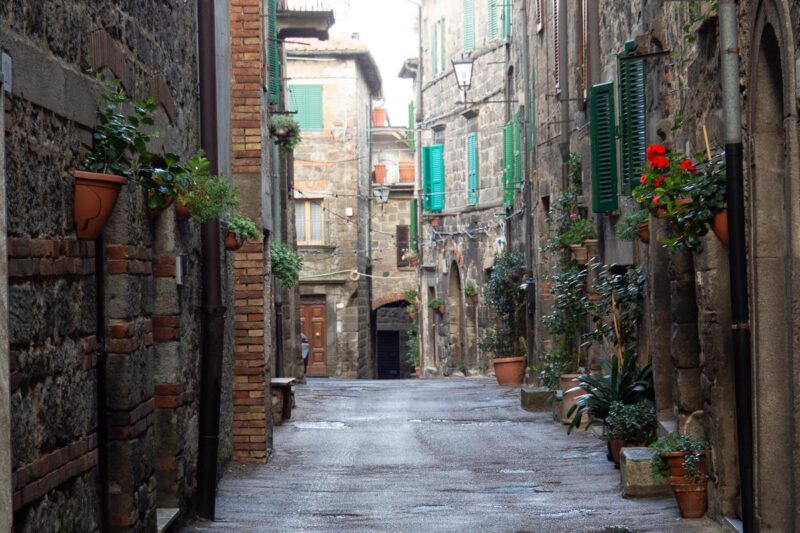
Read the place guide →Marseille’s oldest neighborhood cascades down the hill behind the Vieux Port in a maze of narrow, colorful streets lined with Provençal townhouses, street art murals, independent galleries, and artisan workshops. Le Panier was historically the immigrant quarter — successive waves of Italian, Corsican, Algerian, and Comorian families have shaped its character, and that multicultural legacy lives on in its mix of cuisines, shops, and community spirit. The Vieille Charité, a 17th-century almshouse with a baroque chapel and pink-stone courtyard, now houses archaeological and African art museums. Wandering without a map is the best strategy: each corner reveals a new café, workshop, or viewpoint.
Editor-curated picks carried over from our original guide. Where a full place guide exists, the card links to it.


Worth booking ahead in Marseille
Hand-picked from the operators our guides already send readers to. Prices and availability are live on the partner site.
Day tripGetYourGuide
Versailles Palace guided tour with coach transfer (opens GetYourGuide in a new tab)
Guided palace visit with the coach transfer handled, so you skip the RER connection and the ticket-office line.
Where to stayBooking.com
Stays in Marseille (opens Booking.com in a new tab)
Live rates and availability for Marseille on Booking.com; filter by neighbourhood once you know where your days start.
We earn a commission if you book through these links, at no extra cost to you. It is how we keep the guides free and independent.
Where to stay
InterContinental Marseille – Hôtel Dieu
1 Place Daviel, 13002 Marseille, France
Housed in a magnificently restored 18th-century Hôtel-Dieu hospital overlooking the Vieux Port, the InterContinental Marseille combines centuries of Provençal architectural grandeur with contemporary luxury. The 194 rooms feature high ceilings, elegant neutral tones, and many offer balconies with views of Notre-Dame de la Garde or the Old Port. The property houses Les Fenêtres brasserie and the Michelin-starred Alcyone, plus a Clarins spa with an indoor pool beneath vaulted stone ceilings. The rooftop terrace provides panoramic sunset views across the city’s roofscape toward the sea. Location is unmatchable — steps from Le Panier, MuCEM, and the Vieux Port.
Sofitel Marseille Vieux-Port
36 Boulevard Charles Livon, 13007 Marseille, France
The Sofitel occupies a prime seafront position on the road between the Vieux Port and the Pharo gardens, with unobstructed Mediterranean views from its renovated mid-century modern building. The 134 rooms feature floor-to-ceiling windows, contemporary Provençal-inspired design, and custom furnishings. Les Trois Forts restaurant serves refined Mediterranean cuisine on a terrace overlooking the port entrance, ancient Fort Saint-Jean, and the old harbor. A spa by Hermessence, outdoor pool, and fitness center complete the amenities. The location provides equal access to the historic center and the Corniche Kennedy coastal promenade stretching south toward the Calanques.
Hôtel C2
48 Rue Roux de Brignoles, 13006 Marseille, France
This 20-room boutique hotel occupies a restored 19th-century private mansion in the elegant 6th arrondissement, blending dramatic original features — marble staircases, ornate moldings, and a grand double-height salon — with bold contemporary design. Each room is individually decorated with a mix of vintage furnishings and modern art. The subterranean spa beneath stone vaults includes a swimming pool, hammam, and treatment rooms. The rooftop terrace serves cocktails with views of Notre-Dame de la Garde. Hôtel C2’s intimate scale creates a sense of staying in a private Marseille residence rather than a conventional hotel — breakfast arrives on fine china in the original dining room.
Editor-curated stays carried over from our original guide. Where we have reviewed the hotel, the card links to the review.
Tips from the field
Highlights
- Calanques National Park — Dramatic limestone coves with turquoise waters
- Vieux Port — 2,600-year-old harbor with morning fish market
- Notre-Dame de la Garde — 360° panoramic views from 'La Bonne Mère
- MuCEM — Stunning contemporary museum of Mediterranean cultures
- Le Panier — Oldest quarter with street art and multicultural energy
- Bouillabaisse — Traditional fish stew protected by local chefs' charter
- Château d'If — Island fortress of The Count of Monte Cristo fame
Best activities
- Marseille delivers experiences that span 2,600 years of continuous Mediterranean civilization. Start with the Vieux Port — watch the dawn fish market, then take the ferry to Château d'If (the island fortress where Dumas set The Count of Monte Cristo). Climb to Notre-Dame de la Garde for panoramic views that explain the city's entire geography in a single glance. Explore MuCEM and Fort Saint-Jean, where the country's most ambitious contemporary museum meets 400 years of military architecture connected by a vertiginous pedestrian bridge.
- The Calanques National Park — accessible by hiking trail, kayak, or boat — provides France's most dramatic coastal scenery within city limits. Le Panier's winding streets reveal Marseille's multicultural soul through street art, artisan ateliers, and North African markets. For gastronomy, eat bouillabaisse at a portside institution (book ahead at Chez Fonfon or Miramar), browse the Noailles market for spices and produce, and drink pastis at sunset on the Corniche Kennedy. Day-trip by boat to the Frioul Islands or drive the coastal road to Cassis for cliff-top views and white wine from Cassis appellation vineyards.
Local experiences
- Rise early for the Quai des Belges fish market, where fishermen sell the morning's catch directly from their boats. Walk the Corniche Kennedy coastal road at sunset, stopping at the stone bench shaped like a wave — the longest bench in the world. Explore the Noailles market (nicknamed 'the belly of Marseille') for North African spices, fresh-pressed orange juice, and the city's most authentic multicultural atmosphere. Take a pétanque lesson at the boules courts beneath the Fort Saint-Nicolas — locals will happily teach you proper form over pastis. Park yourself at a portside café at the Vallon des Auffes, a tiny fishing harbor wedged between cliffs.
Practical tips
- Check Calanques Access: Summer fire-risk closures restrict hiking trails. Check calanques-parcnational.fr daily before heading out.
- Bouillabaisse Rules: Authentic bouillabaisse requires ordering 24 hours in advance at traditional restaurants (Chez Fonfon, Miramar). Budget €50–80 per person.
- RTM Pass: Buy a 24-hour (€5.20) or 72-hour (€10.80) RTM pass for unlimited metro, tram, and bus rides.
- Pickpocket Alert: Stay vigilant around the train station, metro, and crowded Vieux Port terraces. Use cross-body bags and front pockets.
- Corníche Walk: The waterfront promenade from the Vieux Port to the Plages du Prado provides a stunning 5 km walk — wear sun protection.
- Sunday Markets: The Capucins and Noailles markets are best experienced on Sunday mornings for the fullest atmosphere.
- Mistral Wind: The cold northerly Mistral can drop temperatures dramatically even on sunny days. Carry a light wind layer.
Photography tips
- Notre-Dame de la Garde's terrace provides the definitive Marseille panorama — best in late afternoon when the golden light warms the city's terracotta rooftops. The Vieux Port's Foster-designed mirror canopy creates striking reflections, especially at blue hour (30 minutes after sunset). For Calanques shots, En-Vau offers the most dramatic composition of limestone cliffs framing turquoise water — morning light eliminates shadow from the western cliff. Le Panier's narrow, colorful streets photograph best in diffused morning light when shadows are soft and street art colors pop. MuCEM's lace-like concrete shell creates beautiful shadow patterns throughout the day. The Vallon des Auffes fishing harbor, framed by dramatic cliffs, is Marseille's hidden gem for photographers — golden hour turns the pastel buildings and moored boats into a composition worthy of a postcard.
Keeping it authentic
- Marseille is France's most unapologetically authentic city — raw, multicultural, and indifferent to performing for tourists in a way that Paris, Nice, and Aix-en-Provence are not. This is a working port city where the morning fish market at the Vieux Port has operated without interruption since the Greeks and Phoenicians moored here 2,600 years ago. Bouillabaisse isn't a tourist attraction here but a genuine local dish with strict traditional rules — a charter signed by Marseille chefs specifies which fish species and preparation methods qualify as authentic. Le Panier, the oldest quarter, hasn't been gentrified into a gallery district — it remains a living, slightly chaotic neighborhood where Algerian cafés share streets with Corsican pastry shops and Syrian bakeries. Marseille's multicultural identity (30% of residents have North African heritage) isn't marketed but simply exists as daily reality — the sounds, smells, and street life of Noailles market have more in common with Algiers or Tunis than with any French postcard. The city doesn't apologize for its rougher edges, and that refusal to smooth itself for consumption is precisely what makes it one of the most compelling destinations in the Mediterranean.
Culture, customs and safety
Cultural heritage
Marseille represents the cultural gateway between France and the Mediterranean world, where ancient Greek colonial heritage, multicultural immigration, and Provençal traditions created France most diverse and cosmopolitan port city. The city preserves ancient Greek foundations while embracing North African, Middle Eastern, and Mediterranean cultures that create contemporary French multicultural urban identity. Marseille cultural heritage encompasses ancient Greek colonial culture, Provençal regional traditions, Mediterranean multicultural integration, and contemporary French urban diversity that continues to influence French national identity and Mediterranean cultural exchange.
Local customs & etiquette
Marseillais are stereotyped even by other French as loud, passionate, and direct — and they wear that reputation with pride. Greet shopkeepers and café staff with ‘Bonjour’ upon entering and ‘Au revoir’ when leaving; failing to do so is considered genuinely rude. The traditional midday lunch break (12:00–2:00 PM) remains more observed here than in Paris — expect some shops to close. Pastis (anise-flavored aperitif) is the unofficial drink of Marseille — ordering one at a portside café signals you respect local culture. Mix it with water (5 parts water to 1 part pastis) and never with ice alone. Football (Olympique de Marseille, ‘OM’) is a near-religious passion — wearing a PSG jersey in public is inadvisable and not entirely in jest. Tipping is not obligatory (service is included by law), but leaving €1–2 for cafés and 5–10% at restaurants for good service is appreciated. Dress is Mediterranean casual but Marseille leans less polished than Paris or Nice — comfortable, functional clothing fits right in.
Safety notes
Marseille has a higher reported crime rate than most major French cities, but context matters: the majority of violent incidents are drug-related gang conflicts concentrated in the northern arrondissements (14th, 15th, 16th) that tourists have no reason to visit. Tourist areas — the Vieux Port, Le Panier, Calanques, and the 6th/7th/8th arrondissements — are generally safe during the day. Pickpocketing and bag snatching are the primary concerns, particularly around Gare Saint-Charles, on the Métro, and in crowded market areas. Avoid poorly lit streets behind the station and along the Cannebière at night. Women traveling solo should exercise standard city precautions and avoid isolated areas after dark. The city’s rough reputation is partly outdated — the Vieux Port waterfront and Panier have been significantly improved since the 2013 European Capital of Culture investment. Emergency services: 112 (pan-European) or 15 (SAMU medical emergency).


Travel Style
Activities