For a first trip to France, combine Paris with one regional route instead of trying to cover the entire country. Normandy and the Loire Valley work well for history and architecture. Provence and the Côte d’Azur suit travelers who want Mediterranean towns and coastal scenery; our guide to the best things to do in the South of France helps narrow that route. Alsace, Burgundy, and Lyon offer one of the strongest food-and-wine routes.
After traveling across France, our clearest planning lesson is that fewer bases usually produce a better trip. France is large, and its most rewarding places are spread across cities, coastlines, wine regions, mountain valleys, and rural departments. This guide compares 26 places to visit in France by trip style, minimum time, transport, and the experiences worth planning around. For broader country-level planning, use our France destination guide.
Travel details were last verified in July 2026. Opening schedules, rail service, park access, and reservation rules can change, so check the linked official sources before departure.
Disclosure: ViaTravelers may earn a commission from qualifying bookings made through links on this page, at no additional cost to you. We recommend a tour only when it solves a practical problem, such as transportation, timed admission, or access to widely separated sites.
Best places to visit in France at a glance
| Travel priority | Strongest fit | Why choose it |
|---|---|---|
| First trip | Paris and Versailles | Major art, architecture, neighborhoods, and straightforward rail access |
| World War II history | Bayeux and the Normandy D-Day beaches | Memorials, museums, landing sites, and preserved battlefield landscapes |
| Châteaux | Loire Valley | Chambord, Chenonceau, Amboise, gardens, and wine villages |
| Wine | Champagne, Burgundy, or Bordeaux | Three distinct regions with very different wines, landscapes, and tasting traditions |
| Food | Lyon or the French Basque Country | Bouchons, markets, seafood, Basque cooking, and strong regional identities |
| Mountains | Annecy and Chamonix | Lake scenery, Alpine hiking, winter sports, and high-mountain viewpoints |
| Mediterranean coast | Marseille and Nice | Urban culture, coastal rail trips, beaches, and access to Provence |
| Road trip | Brittany, Dordogne, Provence, or Corsica | Rural landscapes and small places that are difficult to connect efficiently by rail |
How long should you spend in France?
| Trip length | Realistic scope | Example |
|---|---|---|
| 4 to 5 days | One city and a close day trip | Paris with Versailles |
| 7 days | Paris and one compact region | Paris with Normandy or the Loire Valley |
| 10 to 14 days | Paris and two compatible regions, or one deeper regional route | Paris, Avignon, Marseille, and Nice |
| Three weeks | Three regions with several multi-night bases | Paris, Normandy, Loire Valley, Lyon, and Provence |
Train or rental car?
France’s major cities are well connected by rail. Paris, Strasbourg, Lyon, Bordeaux, Marseille, Avignon, Nice, Annecy, and Toulouse can all anchor car-free itineraries. Check schedules and engineering notices through SNCF Connect, especially when traveling on weekends or public holidays.
A car becomes more useful in Brittany, rural Burgundy, the Dordogne Valley, the Luberon, the Camargue, the inland Basque Country, and Corsica. Rent it after leaving a large city rather than paying for urban parking. France also operates low-emission traffic controls in some metropolitan areas, so drivers should review the current road and Crit’Air information in the official France travel guidance.
When to visit France
| Season | Best suited to | Main tradeoff |
|---|---|---|
| March to May | Cities, gardens, wine regions, and road trips | Changeable weather and limited high-mountain access |
| June to August | Alpine hiking, long daylight, islands, and coastal trips | Higher demand, heat, and possible fire-related access restrictions in the south |
| September to October | Wine regions, cities, and Provence road trips | Shorter days and weather that becomes less predictable later in autumn |
| November to February | Museums, Christmas markets, lower-season cities, and skiing | Short daylight, seasonal closures, and colder or wetter conditions |
Watch our France travel overview
Paris and northern France
1. Paris

Allow three to five days. Paris is the most practical starting point for a first visit to France, but it works better as a collection of neighborhoods than as a checklist of monuments. Pair major sights with time in areas such as the Marais, Saint-Germain-des-Prés, Montmartre, the Latin Quarter, or Canal Saint-Martin.
A compact first visit could include the Eiffel Tower, the Louvre, Notre-Dame, Sainte-Chapelle, the Arc de Triomphe, a Seine walk, and one museum or neighborhood chosen around your interests. Our 36-hour Paris itinerary covers a shorter visit, while the guide to where to stay in Paris explains how the neighborhood changes the experience.
The Louvre is closed on Tuesdays and currently stays open later on Wednesdays and Fridays. Confirm the latest schedule on the official Louvre website, then use our Louvre Museum guide to decide what to prioritize inside.
Notre-Dame reopened after its restoration. Entry to the cathedral is free, and optional timed reservations are also free through the official cathedral website. Families can use our guide to Paris with children to balance museums with parks, boats, and less formal activities.
2. Versailles

Allow one full day. Versailles is close enough to Paris for a day trip, but the estate is too large for a rushed two-hour stop. The palace, Hall of Mirrors, formal gardens, Grand Trianon, Petit Trianon, and Queen’s Hamlet can fill most of a day.
The palace is closed on Mondays. Garden admission also varies according to the season and fountain or musical-garden program, so check the official Versailles visitor information before selecting a ticket.
Independent travelers can reach Versailles by regional rail, but service changes and station closures occasionally affect the route. A Versailles tour with transportation is most useful for travelers who prefer not to manage rail connections and timed entry themselves. Compare it with other European palaces worth visiting before allocating a full day.
3. Mont-Saint-Michel

Allow one night if possible. Mont-Saint-Michel is a fortified village and abbey rising from a tidal bay on the Normandy-Brittany border. It is visually impressive at any hour, but staying nearby lets you experience the lanes after many day-trip groups have left.
Vehicles remain in car parks roughly 2.5 kilometers from the island. Access to the village and the Passeur shuttle is free; the abbey requires a paid ticket. Review the latest parking, shuttle, and access information on the official Mont-Saint-Michel site.
The abbey sits at the top of steep lanes and almost 300 steps. There are no lifts through the village or abbey, making this a difficult visit for many wheelchair users, visitors with reduced mobility, and families using strollers. The abbey’s practical-information page explains the current restrictions.
Traveling from Paris and back in one day is possible but tiring. A transport-included Mont-Saint-Michel day trip is reasonable when an overnight stop does not fit the itinerary.
4. Bayeux and the Normandy D-Day beaches

Allow two to three days. Bayeux is the most convenient base for combining the Bayeux Tapestry, the medieval center, and the D-Day landing areas. The five landing beaches, Pointe du Hoc, military cemeteries, memorials, museums, and surviving Atlantic Wall structures are spread along a broad section of coastline.
The Beaches of the D-Day Landings became a UNESCO World Heritage Site in 2026. The listed property covers Utah, Omaha, Gold, Juno, and Sword Beaches plus Pointe du Hoc across approximately 80 kilometers of coast. Read the UNESCO site description before deciding which locations matter most to you.
A rental car provides flexibility, but a knowledgeable guide adds context and removes the need to navigate scattered rural sites. A guided Normandy D-Day trip is most useful for travelers with limited time or a strong interest in military history. Our guide to things to do in Normandy also covers the region beyond the beaches.
5. Loire Valley

Allow two to four days. The Loire Valley combines Renaissance châteaux, landscaped gardens, riverside towns, cycling routes, and wine appellations. It is a better multi-day region than a single rushed excursion from Paris.
Chambord is the largest architectural statement, Chenonceau is built across the River Cher, and Amboise combines a château with a compact town and links to Leonardo da Vinci. Blois and Tours also make practical bases, depending on which properties you plan to visit.
A car gives you control over opening times and rural stops. Travelers without a car can base themselves in Tours, Blois, or Amboise and combine trains, buses, taxis, cycling, or a small-group Loire château tour. The Loire Valley’s cultural landscape is recognized by UNESCO, but the practical reason to stay longer is the distance between individual estates.
6. Brittany
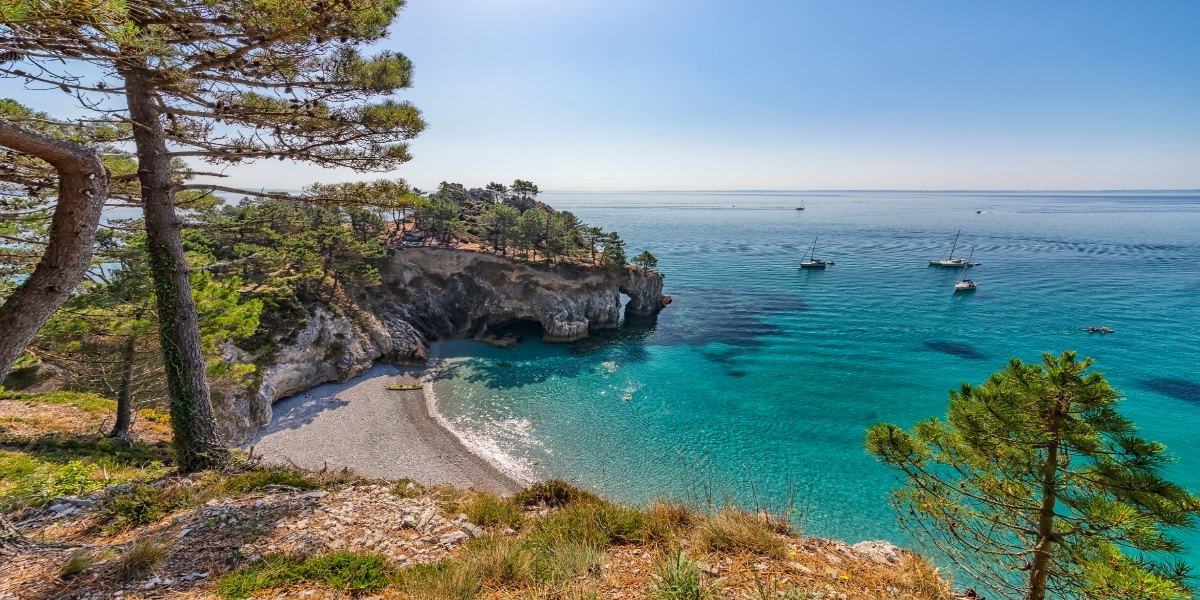
Allow four to seven days. Brittany suits travelers who prefer Atlantic coastlines, walled ports, fishing towns, prehistoric sites, and road-trip flexibility. A useful first route combines Saint-Malo, Dinan, the Gulf of Morbihan, and Carnac.
Saint-Malo’s ramparts overlook a coast with large tidal changes. Dinan offers a smaller medieval center inland. Farther south, Carnac contains extensive rows of Neolithic standing stones, while the Gulf of Morbihan is better for harbor towns, islands, and slower coastal travel.
The Megaliths of Carnac and the shores of Morbihan became a UNESCO World Heritage Site in 2025. Review the UNESCO property description and the current access rules before visiting the alignments. A car is strongly recommended for connecting these places efficiently.
7. Reims and Épernay
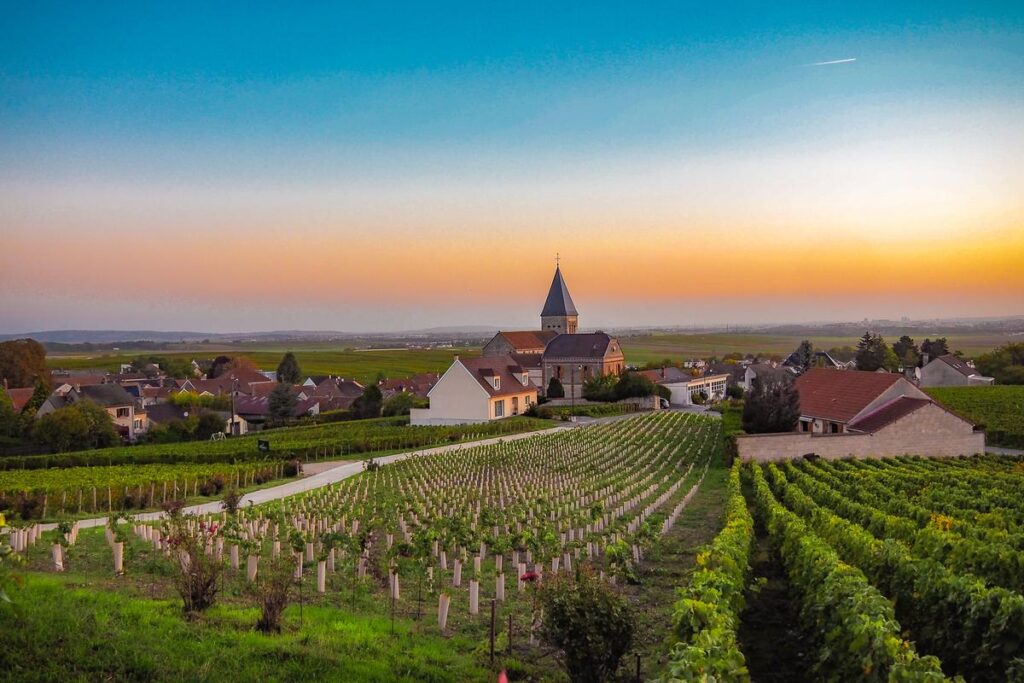
Allow one to three days. Reims combines Champagne houses with one of France’s most consequential cathedrals. Épernay, roughly south of Reims, places visitors close to the Avenue de Champagne and additional producers.
Reserve cellar visits in advance. Large houses offer polished tours and historic cellars, while smaller producers often provide more direct discussion of vineyard sites and production. A designated driver or organized tour is sensible when visiting rural estates.
Use our Champagne region guide to compare bases, then review the best things to do in Reims. Travelers staying overnight can compare neighborhoods and properties in our guide to where to stay in Reims.
Eastern France and the Alps
8. Strasbourg

Allow two to three days. Strasbourg combines French and German architectural, culinary, and linguistic influences. Its Grande Île and Neustadt form a UNESCO-listed urban ensemble, while the city’s rail and tram networks make it one of the easiest regional bases on this list.
Start with the Strasbourg Cathedral, then walk through the Petite France quarter and along the Ill River. A boat trip is useful for understanding the historic center, Neustadt, and European institutions without retracing the same streets.
Strasbourg also works as a base for Colmar, Obernai, wine villages, and trips across the German border. Compare the region’s bases in our guide to where to stay in Alsace, then review the best day trips from Strasbourg.
9. Colmar and the Alsace Wine Route

Allow one to three days. Colmar is smaller than Strasbourg and particularly easy to explore on foot. Its preserved center contains half-timbered buildings, canals, the Unterlinden Museum, covered markets, and compact squares.
The most photographed area is La Petite Venise, but the town is more enjoyable when you also explore streets away from the canal route. Our complete guide to things to do in Colmar covers the main museums, food stops, and walking areas.
Colmar becomes much more useful when paired with the Alsace Wine Route. Villages such as Eguisheim, Kaysersberg, Riquewihr, and Ribeauvillé are close in distance but slower to connect by public transport. A car, bicycle, or organized wine excursion is helpful once you leave the main rail corridor.
10. Burgundy
Allow two to four days. Base yourself in Dijon for a larger city and rail connections, or Beaune for closer access to vineyards, cellars, and the Hospices de Beaune. The Route des Grands Crus links famous wine villages through the Côte de Nuits and Côte de Beaune.
Many estates receive visitors by appointment rather than operating as casual walk-in tasting rooms. Plan fewer tastings and leave time for lunch, markets, villages, and the landscape. A private driver or organized excursion removes the need for one member of the group to avoid tasting.
Burgundy also rewards non-drinkers through Romanesque churches, cycling, regional cooking, and historic centers. Compare it with Champagne and Bordeaux in our overview of France’s major wine regions.
11. Lyon
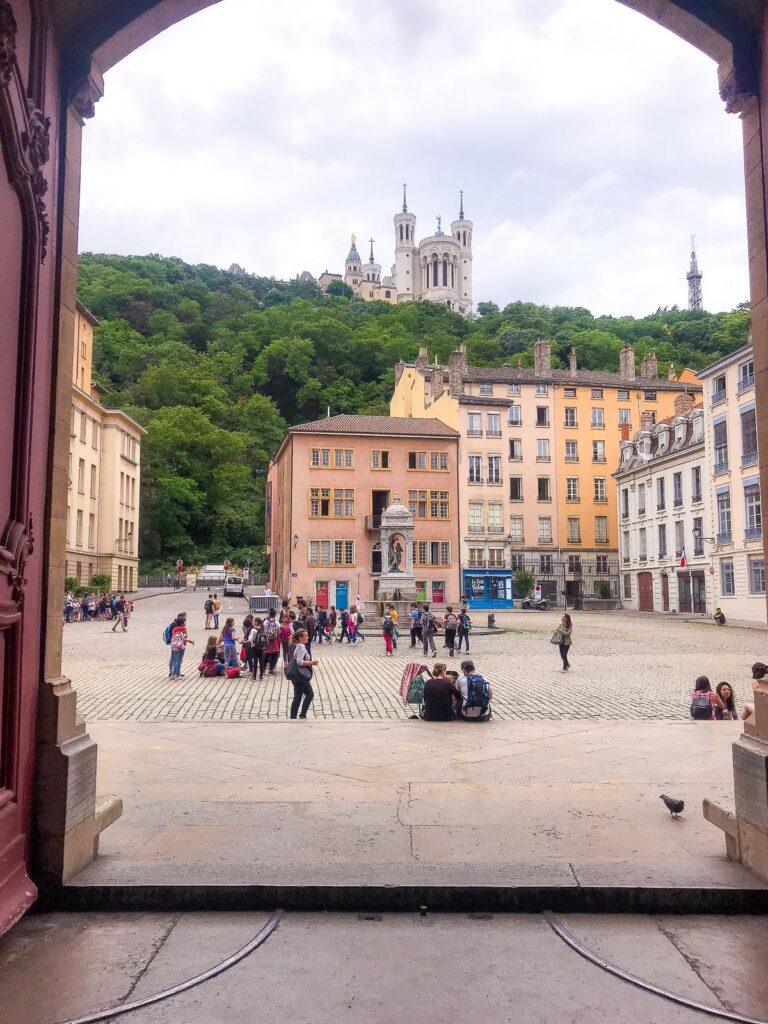
Allow two to three days. Lyon is one of the strongest city choices for travelers who care about food, urban history, and neighborhoods more than headline monuments. It is also a useful rail junction between Paris, Burgundy, the Alps, and southern France.
Walk through Vieux Lyon, use the funicular to reach Fourvière, visit the Roman theaters, and cross the Saône to the Presqu’île. The city’s covered passageways, known as traboules, are historically significant but pass through residential buildings, so visitors should remain quiet and respect access restrictions.
Traditional bouchons, Les Halles de Lyon Paul Bocuse, bakeries, markets, and contemporary restaurants support Lyon’s food reputation. The Festival of Lights takes place in December, not spring, and requires early accommodation planning. See our complete guide to the best things to do in Lyon.
12. Annecy

Allow two to three days. Annecy combines a medieval center, canals, a large Alpine lake, beaches, cycling paths, and access to nearby mountains. It works as a relaxed stop between Lyon, Geneva, and Chamonix.
The Old Town is compact enough for half a day, but the lake justifies staying longer. Walk or cycle part of the lakeshore, take a boat, or visit villages such as Talloires and Menthon-Saint-Bernard. The Lake Annecy Tourist Office publishes current information on cycling, water activities, beaches, and regional transport.
Summer weekends can be congested, and parking near the center is limited. Travelers arriving by train can enjoy the town without a car, while a vehicle is more useful for mountain trailheads and less-connected lakeside villages.
13. Chamonix-Mont-Blanc

Allow two to four days. Chamonix is an Alpine base for cable-car viewpoints, hiking, climbing, skiing, glacier scenery, and mountain towns. It is not a UNESCO World Heritage Site, and its value lies in access to the Mont Blanc massif rather than a heritage designation.
The Aiguille du Midi cable car rises from town to 3,842 meters. Weather, wind, maintenance, and demand can affect operation, so reserve a date and check live conditions through the official Chamonix visitor information.
The altitude change is rapid and can be difficult for visitors with certain medical conditions. Warm clothing is useful even when the valley is mild. Lower-elevation alternatives include valley walks, the Montenvers railway, museums, and trails around Les Houches or Argentière.
Southwest France and the Pyrenees
14. Bordeaux and Saint-Émilion
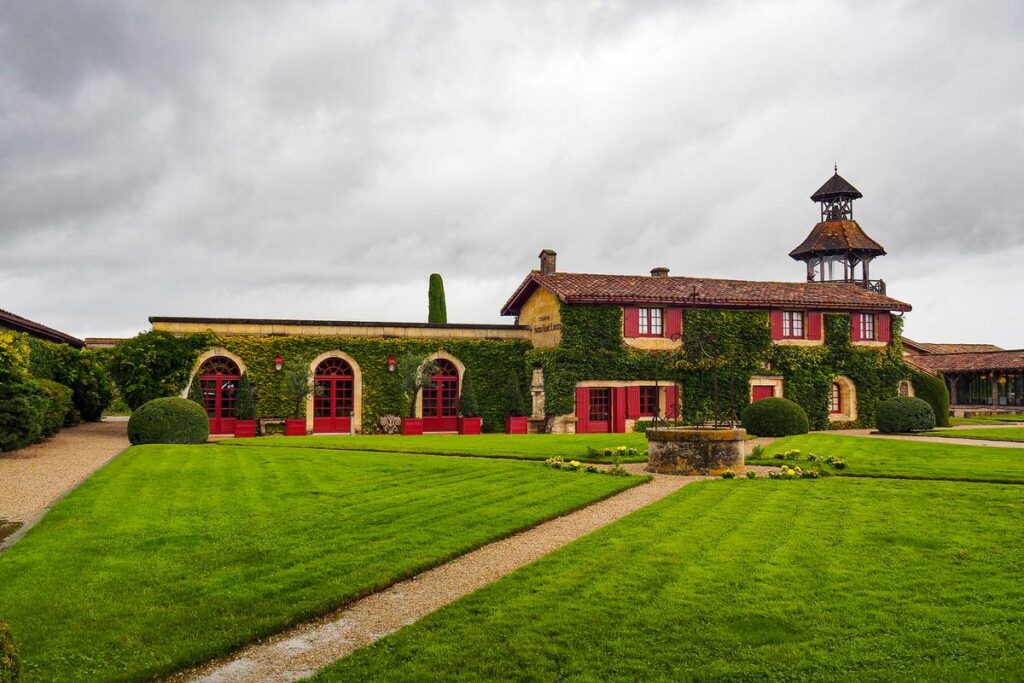
Allow two to four days. Bordeaux combines an elegant riverfront city with several surrounding wine areas. Place de la Bourse, the Garonne quays, the historic center, markets, and the Cité du Vin provide enough material for a full city day before leaving for vineyards.
Saint-Émilion is east of the city and can be reached by train, although individual estates may require taxis, bicycles, or advance transfers. The Médoc lies in another direction and is more practical by car or tour. Trying to cover both in one rushed day reduces the time available at each estate.
A driver-led Bordeaux wine tour is particularly useful when everyone in the group wants to taste. Our guide to things to do in Bordeaux covers the city, while the comparison of French wine regions explains how Bordeaux differs from Champagne, Burgundy, and Alsace.
15. Dordogne Valley and nearby Rocamadour
Allow three to five days. The Dordogne is a rural route of river landscapes, prehistoric sites, medieval towns, castles, gardens, markets, and limestone villages. Sarlat-la-Canéda is a practical base, but the region requires a car for most travelers.
Useful stops include Lascaux IV, the Vézère Valley, Beynac-et-Cazenac, La Roque-Gageac, Domme, Castelnaud, and canoe routes on the Dordogne River. Nearby Rocamadour is in the Lot department rather than Dordogne, but it fits naturally into a broader road trip through this part of southwest France.
Travel times are slower than the map suggests because rural roads pass through towns and valleys. Choose two or three main bases rather than changing hotels each night.
16. French Basque Country
Allow three to five days. Biarritz, Bayonne, Saint-Jean-de-Luz, and inland villages offer a distinct alternative to Mediterranean France. The region combines Atlantic beaches, surfing, seafood, Basque cooking, markets, and architecture that differs visibly from Provence or northern France.
Biarritz has larger hotels and surf beaches. Bayonne provides a stronger historic-center and food-market experience. Saint-Jean-de-Luz has a sheltered harbor and compact waterfront. Inland, Espelette, Ainhoa, and the Pyrenean foothills are easier to reach by car.
Trains connect the principal coastal towns, so a car-free trip is possible when the focus remains on the coast. Add a vehicle only for villages, trailheads, or a broader cross-border route into Spanish Basque Country.
17. Toulouse
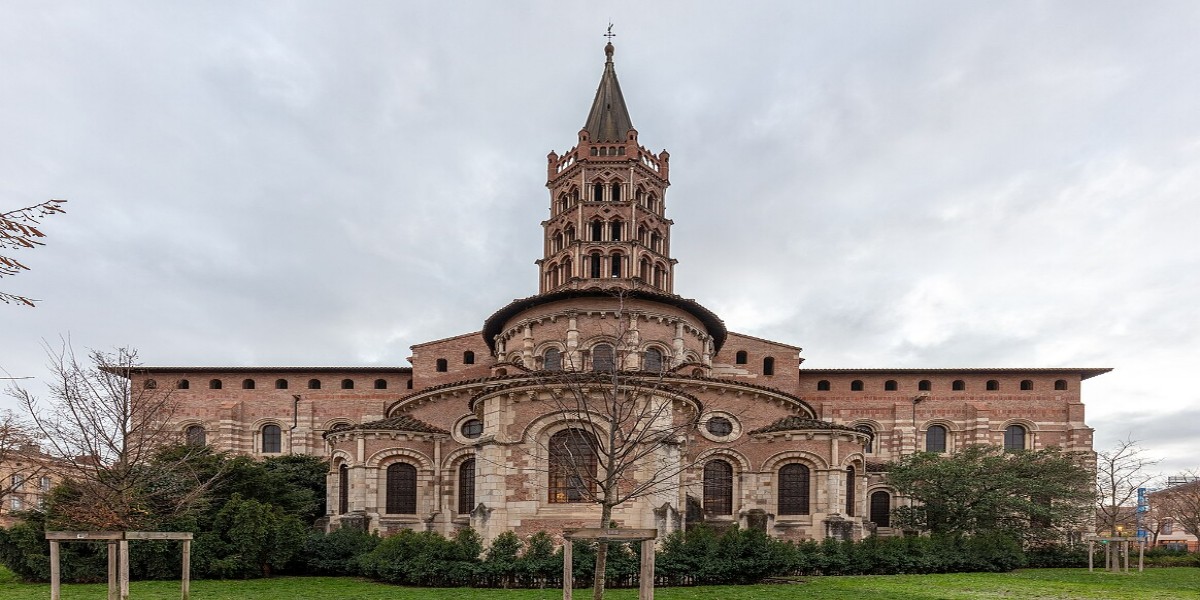
Allow two to three days. Toulouse is a large, lived-in city whose brick architecture gives the center a different appearance from Paris, Bordeaux, or Lyon. It is also a useful rail base for Carcassonne and a gateway to the western side of Occitanie.
Begin around Place du Capitole, then visit the Basilica of Saint-Sernin, walk beside the Garonne, and spend time along the Canal du Midi. Families and aviation enthusiasts may want half a day or more at the Cité de l’Espace.
Toulouse suits travelers seeking a substantial French city with fewer international sightseeing circuits than Paris or Nice. Its restaurants, markets, university population, and evening streets are central to the experience rather than secondary attractions.
18. Carcassonne

Allow one night. The Cité de Carcassonne is a restored fortified city with concentric walls, towers, gates, a basilica, and a château. It is accessible by rail and fits naturally between Toulouse and the Mediterranean.
Day-trip groups concentrate inside the walls during the middle of the day. Staying overnight provides time to walk the ramparts and exterior paths in the morning or evening. The lower town, Bastide Saint-Louis, also has markets, restaurants, and a more ordinary urban rhythm.
Carcassonne is visually memorable, but one full day is sufficient for most travelers unless the trip includes nearby vineyards, Cathar sites, or the Canal du Midi.
19. Cirque de Gavarnie

Allow two days in the area. The Cirque de Gavarnie is a large glacial amphitheater in the French Pyrenees and part of the transboundary Pyrénées-Mont Perdu UNESCO property. It is a hiking destination, not a convenient Paris day trip.
The classic route begins in Gavarnie village and follows a broad valley toward the cirque. Conditions, snow, water levels, and trail access vary by season. Sturdy footwear, weather protection, water, and realistic turnaround times matter more than trying to reach a predetermined point.
A car is the most flexible way to reach Gavarnie and combine it with Cauterets, Lourdes, or other Pyrenean valleys. Travelers with mobility limitations should verify current route conditions because surfaces and gradients change beyond the village.
Provence, the Mediterranean, and Corsica
20. Nîmes and Pont du Gard

Allow two days. Nîmes contains a concentration of Roman and later architecture, including the arena, Maison Carrée, Tour Magne, and Jardins de la Fontaine. It is compact enough to explore on foot and is well connected by rail.
Pont du Gard is not in central Nîmes. The three-tier Roman aqueduct crosses the Gardon near Vers-Pont-du-Gard and formed part of the longer water system that supplied ancient Nemausus. A car or seasonal regional transport is needed to connect it efficiently with Nîmes.
The site includes walking paths, river access, interpretation, and a museum in addition to the aqueduct. Check the official visitor schedule before planning an evening or off-season visit.
21. Avignon

Allow two to three days. Avignon’s walled center, papal history, rail connections, and position between the Rhône Valley and Provence make it one of the most useful southern bases.
The Palais des Papes and Pont Saint-Bénézet are the principal monuments, but the city is more rewarding when you also walk the ramparts, side streets, market areas, and paths beside the Rhône. On our visit, the compact center made it easy to explore on foot without structuring every hour around a tour.
Avignon is also a base for wine villages, Orange, Nîmes, the Luberon, and parts of the Rhône Valley. See our guide to things to do in Avignon or use the broader South of France itinerary to connect it with Aix, Marseille, and Nice.
22. Arles and the Camargue
Allow two to four days. Arles has Roman monuments, medieval streets, museums, and locations associated with Vincent van Gogh. It also provides the most practical urban base for exploring the Camargue.
The Roman arena, ancient theater, Alyscamps, and Place du Forum can be visited on foot. The surrounding Camargue shifts the focus to wetlands, flamingos, horses, bulls, salt flats, beaches, and low-lying landscapes around places such as Saintes-Maries-de-la-Mer and Aigues-Mortes.
A car is useful outside Arles. Summer heat, mosquitoes, wind, and limited shade can shape the day, so early starts and flexible plans are sensible for wildlife areas.
23. Aix-en-Provence and the Luberon

Allow three to five days. Aix-en-Provence offers markets, fountains, museums, café streets, and connections to Paul Cézanne. The Luberon adds the rural landscapes and hill towns many travelers associate with inland Provence.
Gordes, Roussillon, Lourmarin, Bonnieux, and Ménerbes are widely known, but trying to visit all of them in one day produces more driving than useful time. Choose a smaller circuit based on market days, accommodation, and the landscapes you want to see. Our guide to the most beautiful villages in France offers additional options.
A car is close to essential for the Luberon. Lavender bloom varies by elevation, variety, and annual conditions, so it should be treated as a seasonal possibility rather than a guaranteed backdrop.
24. Marseille and Calanques National Park

Allow two to four days. Marseille is a major Mediterranean port with a character distinct from polished Riviera resorts. The Vieux-Port, Le Panier, MuCEM, Abbaye Saint-Victor, markets, waterfront neighborhoods, and Notre-Dame de la Garde provide a varied city itinerary.
The Calanques between Marseille, Cassis, and La Ciotat require separate planning. Trails are rocky, exposed, and often without water. During the high-fire-risk season, authorities may restrict or close land access. Sugiton also uses a free seasonal reservation system. Check the Calanques National Park access page immediately before visiting.
Boat trips provide coastal views but do not replicate hiking or swimming access, and landing rules vary. Choose the method that fits your mobility, weather, and available time rather than assuming every calanque can be reached casually.
25. Nice and the Côte d’Azur

Allow four to seven days. Nice is the most versatile Côte d’Azur base because it combines an airport, rail connections, museums, a substantial Old Town, markets, coastal walks, and easy trips to neighboring towns.
Spend time in Vieux Nice, walk the Promenade des Anglais, climb or use the lift to Castle Hill, and consider the Matisse or Chagall museums. Nice’s central beaches are largely pebbled rather than sandy, so water shoes can be useful. Our Nice itinerary and guide to the best things to do in Nice provide more detailed plans.
Regional trains make Antibes, Cannes, Monaco, Menton, and several coastal stops straightforward. Saint-Paul-de-Vence is inland and normally requires a bus, taxi, car, or organized excursion. Saint-Tropez is substantially less convenient from Nice than it appears on a map, particularly during road congestion, so it is better treated as an overnight stop or planned boat excursion.

For a broader comparison of Mediterranean and Atlantic options, see our guide to the best beaches in France.
26. Corsica
Allow at least seven days. Corsica is a mountain island with beaches, cliff towns, forests, hiking routes, historic ports, and roads that take longer than their distances suggest. It should be treated as a full regional trip rather than an extension added to a mainland itinerary at the last minute.
For one week, choose either the north or the south. Northern routes can combine Bastia, Cap Corse, Saint-Florent, Calvi, and Corte. Southern routes can include Ajaccio, the Gulf of Porto, Bonifacio, Porto-Vecchio, and nearby beaches. Covering the entire island comfortably requires more time.
A car offers the greatest flexibility, but mountain and coastal roads demand conservative travel estimates. Ferries and flights connect Corsica with mainland France and other European cities. Use the official Corsica tourism site to review current transport, trail, and regional information.
Four France routes that minimize backtracking
- Seven-day first trip: Spend four nights in Paris and three in Bayeux or the Loire Valley. Return to Paris the night before a morning international departure.
- Twelve-day southern route: Spend three nights in Avignon, two in Aix-en-Provence, two in Marseille or Cassis, and four in Nice. Use the final night where it best fits the departure airport.
- Fourteen-day eastern route: Combine Reims, Strasbourg, Colmar, Burgundy, Lyon, Annecy, and Chamonix. Remove one or two stops rather than reducing every destination to one night.
- Two-week western road trip: Start with the Loire Valley, continue through Brittany, then travel south toward the Dordogne and Bordeaux. This route is better with a car and an open-jaw flight plan.
Travelers based in the capital can also compare the best day trips from Paris, but distant regions should not be forced into same-day returns.
Practical France planning tips
- Reserve high-demand attractions, long-distance trains, wine visits, and limited-access natural areas before filling the rest of the itinerary.
- Use rail between major cities and collect a rental car only when entering a rural region.
- Leave one flexible half-day in each region for weather, transport disruption, markets, or an unplanned local stop.
- Check accessibility carefully. Medieval streets, abbeys, hill towns, fortifications, and Alpine viewpoints may involve stairs, steep gradients, cobbles, or uneven trails.
- Book restaurant and tasting appointments according to local opening patterns. Rural businesses may close for part of the week or between lunch and dinner.
- Use regional food as part of the route rather than expecting the same dishes everywhere. Our French cuisine guide explains several important regional specialties.
Frequently asked questions
What are the best places to visit in France for a first trip?
For a first trip, spend at least three days in Paris and add one compatible region. Normandy and the Loire Valley work well for history, while Avignon, Marseille, and Nice form a practical southern route. Avoid combining several distant regions in a one-week trip.
How many days do you need in France?
Seven days is enough for Paris and one nearby region. Ten to fourteen days supports Paris plus two compatible regions or a deeper trip through Provence, Alsace, Burgundy, or the southwest. Three weeks allows a broader route without relying on one-night stops.
Can you travel around France without a car?
Yes. Paris, Reims, Strasbourg, Colmar, Dijon, Lyon, Annecy, Bordeaux, Toulouse, Avignon, Marseille, and Nice can form strong rail itineraries. A car is more useful for Brittany, rural Burgundy, the Dordogne, the Luberon, the Camargue, inland Basque villages, and Corsica.
When is the best time to visit France?
April, May, September, and early October suit many city and road trips, but the best season depends on the region. Summer is useful for Alpine hiking and coastal travel but brings higher demand, heat, and possible fire-related restrictions. Winter suits skiing, museums, and Christmas markets.
Which part of France has the best beaches?
The Côte d’Azur is easiest for combining beaches with towns and rail travel. Corsica offers more dramatic island scenery but needs more time. The French Basque coast is strong for surfing, while Brittany offers cooler Atlantic beaches, coves, and tidal landscapes.
Choose a few places and see them well
The strongest France itinerary is rarely the one with the most pins on a map. Choose one main city, one region that matches your interests, and enough time to experience both beyond their headline attractions. France’s rail network makes major cities easy to combine; rural regions become more rewarding when you accept slower travel.
For new route ideas, current destination updates, and practical trip-planning advice, join the ViaTravelers newsletter.