MenuClose

A place worth knowing

Jongmyo Shrine

Historical landmarks · Shrine in SeoulUpdated

  • Google rating4.3/5 (12,000 reviews)
  • Typical visit1-2 hours (longer if attending a ceremony)
  • EntranceFree (donations welcome)
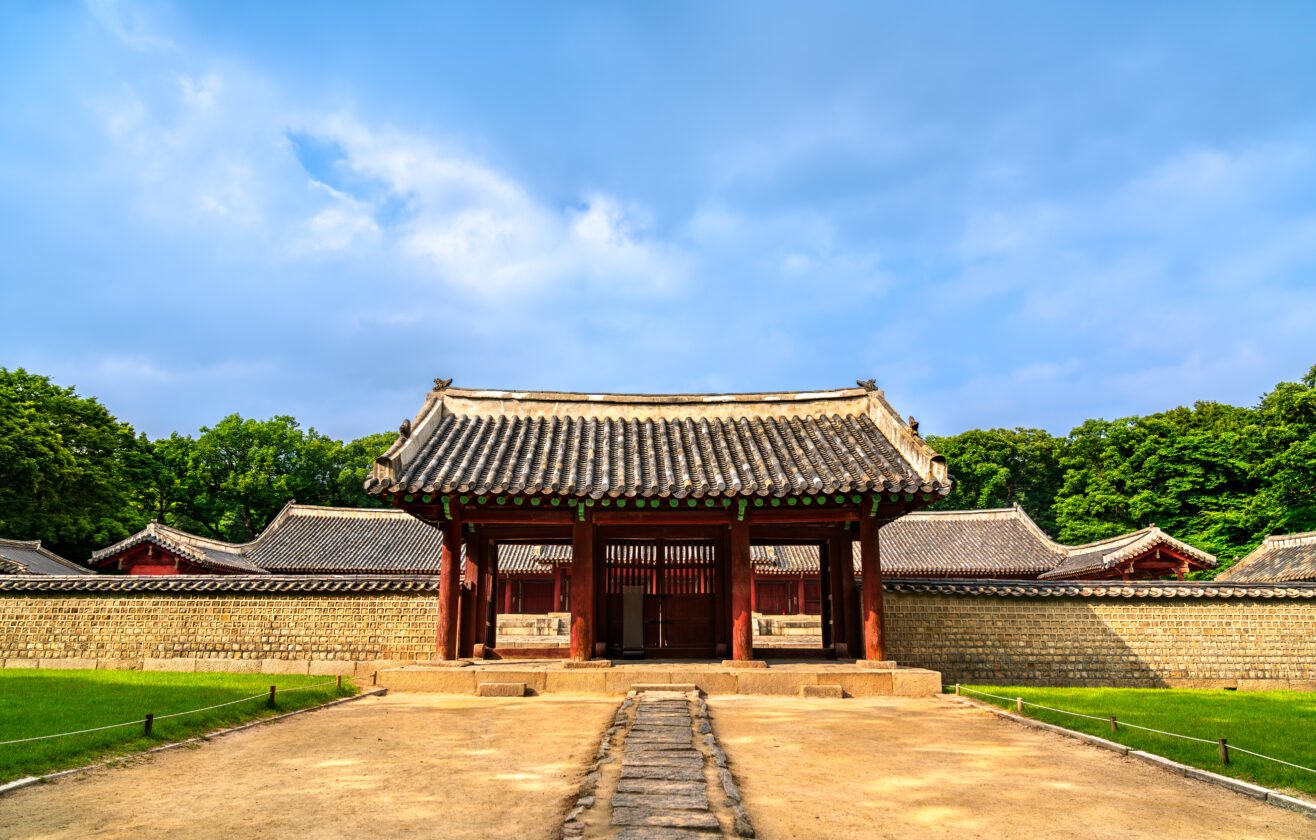
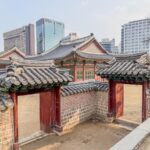
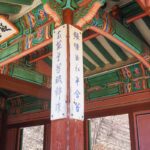
Jongmyo Shrine, Seoul UNESCO World Heritage, main gate, Dancheong, Confucian Joseon ceremonial architecture.
Leonid Andronov / Adobe Stock
  • Today (Thursday)9:00 AM – 6:00 PM
  • Typical visit1-2 hours (longer if attending a ceremony)
  • EntranceFree (donations welcome)
  • Google rating4.3/5 12,000 reviews
  • WebsiteOfficial site ↗
Opening hours all week
Monday
9:00 AM – 6:00 PM
Tuesday
Closed
Wednesday
9:00 AM – 6:00 PM
Thursday
9:00 AM – 6:00 PM
Friday
9:00 AM – 6:00 PM
Saturday
9:00 AM – 6:00 PM
Sunday
9:00 AM – 6:00 PM
Quiet times
Weekday afternoons between tours, Early morning at 9:00 opening, Winter months (December-February), Rainy days, Last tour of the day (16:00) often smallest
Busy times
First Sunday of May during Jongmyo Jerye ceremony, Weekend mornings with tour groups, Korean national holidays, Spring cherry blossom season, School field trip season (March-May, September-November)
Accessibility
"{"parking": "Limited parking available. Accessible spaces near entrance. Public transport recommended.", "mobility_info": "Mostly level terrain with some gentle slopes. Main ceremonial areas accessible. Some side paths may be challenging. Rest areas with seating throughout.", "public_transport": "Jongno 3-ga Station (Lines 1, 3, 5) has elevator access. Short distance from station to shrine entrance.", "wheelchair_access": "Main pathways wheelchair accessible. Some areas have gravel surfaces. Accessible restrooms available.", "accessibility_services": "Wheelchair rentals available at information center. Accessible pathways marked. Staff assistance available.", "sensory_considerations": "Peaceful atmosphere except during ceremonies. Guided tours weekdays, self-guided weekends. Natural sounds predominate."}"
The short answer

Why it matters

A UNESCO World Heritage royal ancestral shrine housing 49 Joseon-dynasty spirit tablets in austere, elegant halls considered the longest traditional wooden structure in Asia.

Jongmyo Shrine, a UNESCO World Heritage Site since 1995, stands as the oldest and most authentic Confucian royal shrine preserved from the Joseon Dynasty (1392-1910). This sacred space houses the spirit tablets of Joseon kings and queens within its austere wooden buildings, designed with remarkable architectural balance and set amid tranquil courtyards and forests. The shrine hosts the annual Jongmyo Jerye ceremony, recognized as UNESCO Intangible Cultural Heritage, where intricate royal ancestral rites are performed with traditional court music (Jongmyo Jeryeak) and dance. Visitors experience profound stillness throughout the grounds, as the shrine’s minimalist design—free from the colorful paintwork typical of Korean temples—reflects Confucian values of restraint and reverence. Walking its spacious grounds offers a contemplative journey through Korea’s cultural history and spiritual traditions.

Cultural Context

Jongmyo Shrine is deeply embedded in the Confucian cultural traditions of Korea, serving as a sacred site dedicated to the memorial rites for deceased kings and queens of the Joseon Dynasty. The shrine exemplifies the Confucian emphasis on filial piety, ancestor worship, and the maintenance of social order through ritual. Each year, the Jongmyo Jerye, a royal ancestral ritual ceremony, is performed with great solemnity and precision, involving music, dance, and offerings to honor the spirits of the royal ancestors. This ceremony is recognized as an intangible cultural heritage and reflects the continuity of Confucian values in Korean society. The shrine’s rituals are conducted by descendants of the royal family and Confucian scholars, emphasizing respect for tradition and historical continuity. Visitors to Jongmyo can witness or learn about these rites, which offer profound insight into Korea’s cultural identity and spiritual heritage. Jongmyo Shrine remains a living cultural institution where the past is actively commemorated through ritual practice, highlighting its ongoing relevance in contemporary Korean culture.

Historical Context

Jongmyo Shrine was originally constructed in 1394 by King Taejo, the founder of the Joseon Dynasty, to enshrine the ancestral tablets of the royal family. It is the oldest royal Confucian shrine still in use today. The shrine was rebuilt after a devastating fire during the Japanese invasions of Korea in the late 16th century, specifically in 1608 under King Seonjo’s reign, preserving its original layout and purpose. Throughout Joseon’s five centuries, Jongmyo served as the central site for royal ancestral rites, reinforcing the legitimacy and continuity of the dynasty. The shrine’s historical significance extends beyond its religious function; it embodies the political ideology of Confucianism that shaped Joseon’s governance and social hierarchy. Despite periods of neglect during the Japanese colonial era and the Korean War, Jongmyo was restored and designated a UNESCO World Heritage Site in 1995, recognizing its outstanding universal value as a symbol of Korea’s dynastic history and Confucian heritage. The site stands as a testament to Korea’s enduring respect for its royal ancestors and the historical legacy of the Joseon Dynasty.

Plan your visit with our complete Seoul travel guide featuring top sights, itineraries, and local travel tips.
Context

Story and significance

About

Jongmyo Shrine is a UNESCO World Heritage Confucian royal ancestral shrine in Seoul, built in 1394 by King Taejo to enshrine the spirit tablets of Joseon Dynasty monarchs. The main hall Jeongjeon houses tablets of 19 kings and 30 queens, while the auxiliary Yeongnyeongjeon (Hall of Eternal Peace) holds 16 kings and 18 queens. Destroyed during the Japanese invasions of 1592, it was rebuilt and retains its authentic early 17th-century form. Every first Sunday in May, descendants of the royal family perform the Jongmyo Jerye ritual — a UNESCO-inscribed ceremony of music, song, and dance unchanged for over 500 years.

Historical significance

Jongmyo Shrine holds exceptional historical importance as the primary royal Confucian shrine of the Joseon Dynasty, which ruled Korea from 1392 to 1897. It was the central site for performing ancestral rites that legitimized the ruling dynasty and reinforced Confucian political ideology, which was foundational to Joseon governance and society. The shrine’s rituals symbolized the continuity of the monarchy and the moral authority of the king, linking the temporal power of the dynasty to spiritual and ancestral legitimacy. Jongmyo’s survival through wars, invasions, and modernization efforts highlights its resilience and the high regard in which it has been held throughout Korean history. The site also provides invaluable insight into Joseon-era statecraft, religious practice, and social hierarchy. Its recognition by UNESCO underscores its global significance as a cultural monument that preserves ancient ritual practices and architectural forms. Jongmyo Shrine’s legacy extends beyond Korea, representing the broader East Asian Confucian tradition and its influence on governance, culture, and spirituality. As such, Jongmyo is a critical historical landmark that embodies the enduring legacy of Korea’s dynastic past and Confucian heritage.

Historical context

Jongmyo Shrine was originally constructed in 1394 by King Taejo, the founder of the Joseon Dynasty, to enshrine the ancestral tablets of the royal family. It is the oldest royal Confucian shrine still in use today. The shrine was rebuilt after a devastating fire during the Japanese invasions of Korea in the late 16th century, specifically in 1608 under King Seonjo’s reign, preserving its original layout and purpose. Throughout Joseon’s five centuries, Jongmyo served as the central site for royal ancestral rites, reinforcing the legitimacy and continuity of the dynasty. The shrine’s historical significance extends beyond its religious function; it embodies the political ideology of Confucianism that shaped Joseon’s governance and social hierarchy. Despite periods of neglect during the Japanese colonial era and the Korean War, Jongmyo was restored and designated a UNESCO World Heritage Site in 1995, recognizing its outstanding universal value as a symbol of Korea’s dynastic history and Confucian heritage. The site stands as a testament to Korea’s enduring respect for its royal ancestors and the historical legacy of the Joseon Dynasty.

Cultural context

Jongmyo Shrine is deeply embedded in the Confucian cultural traditions of Korea, serving as a sacred site dedicated to the memorial rites for deceased kings and queens of the Joseon Dynasty. The shrine exemplifies the Confucian emphasis on filial piety, ancestor worship, and the maintenance of social order through ritual. Each year, the Jongmyo Jerye, a royal ancestral ritual ceremony, is performed with great solemnity and precision, involving music, dance, and offerings to honor the spirits of the royal ancestors. This ceremony is recognized as an intangible cultural heritage and reflects the continuity of Confucian values in Korean society. The shrine’s rituals are conducted by descendants of the royal family and Confucian scholars, emphasizing respect for tradition and historical continuity. Visitors to Jongmyo can witness or learn about these rites, which offer profound insight into Korea’s cultural identity and spiritual heritage. Jongmyo Shrine remains a living cultural institution where the past is actively commemorated through ritual practice, highlighting its ongoing relevance in contemporary Korean culture.

Architecture

Jongmyo Shrine is a masterpiece of traditional Korean Confucian architecture, characterized by its austere and harmonious design that reflects Confucian ideals of solemnity and order. The shrine complex is laid out along a north-south axis, with a series of wooden buildings constructed using traditional joinery techniques without nails. The main hall, Jeongjeon, is the longest wooden structure in East Asia, stretching over 100 meters, and houses the spirit tablets of 19 kings and 30 queens. The architecture emphasizes simplicity, natural materials such as wood and stone, and integration with the surrounding forested environment, symbolizing harmony between humanity and nature. The buildings feature gently curved tiled roofs, wooden pillars, and raised platforms, all designed to create a serene atmosphere conducive to ritual practice. The use of empty space and symmetrical layout reflects Confucian principles of balance and hierarchy. The smaller building, Yeongnyeongjeon, enshrines the tablets of lesser royal family members. The shrine grounds include carefully maintained pathways and courtyards that facilitate the ceremonial processions of the Jongmyo Jerye. Overall, Jongmyo Shrine’s architecture is a rare and pristine example of Joseon-era Confucian shrine design, preserved with remarkable fidelity.

Local significance

For the people of Seoul and South Korea at large, Jongmyo Shrine holds profound cultural and spiritual significance as a symbol of national identity and historical continuity. It is regarded not only as a heritage site but also as a place where the values of respect, filial piety, and tradition are actively preserved and celebrated. Local communities and scholars participate in the upkeep and ritual performances, ensuring that the shrine remains a vibrant part of Korean cultural life. Jongmyo is also a site of education, where younger generations learn about their history, Confucian ethics, and traditional music and dance. The shrine’s serene environment offers a peaceful retreat within the bustling city, providing locals and visitors alike with a space for reflection and connection to Korea’s royal past. Furthermore, Jongmyo’s designation as a UNESCO World Heritage Site has instilled pride among Koreans, reinforcing its role as a cultural landmark. The shrine’s continued use for ancestral rites fosters a living tradition that links modern Korean society to its historical roots, making Jongmyo a cherished and respected institution in the local cultural landscape.

Experience

Make the most of it

Local tips
  • Local festivals bring special ceremonies
  • Gift shops support maintenance
  • Guided tours explain symbolism
  • Lighting candles follows local customs
  • Attend a service for full experience
  • Early morning visits most peaceful
  • Respectful behavior appreciated
Hidden gems nearby
  • Sacred relics in side chambers
  • Historical graves of notable figures
  • Original architectural elements preserved
  • Hidden chapels with unique artwork
  • Ancient crypts open limited hours
  • Acoustic properties for music
  • Meditation gardens for quiet reflection
Special features
  • Jongmyo Shrine represents the pinnacle of Confucian royal ancestral worship, uniquely preserved with its original rituals intact. As the world only functioning royal shrine, it hosts the Jongmyo Jerye ceremony annually, featuring 600-year-old court music (Jeryeak) and ritual dance (Ilmu) recognized by UNESCO as Intangible Cultural Heritage. The architecture deliberately eschews ornamentation, creating profound solemnity through its long, low wooden halls housing spirit tablets in perpetual darkness. The site three sacred stone pathways (Sillo) symbolize the Confucian cosmic order, with the central path reserved for spirits, eastern for kings, and western for crown princes.
Editorial scores

How we rate it

Authenticity10/10
Accessibility score7/10
Family-friendly score7/10
Off-the-beaten-path6/10

Editorial scores on a 10-point scale, judged against places of the same kind.

Updated Data: Editorial research · Google Places ratings · Verified coordinates