

Gyeongbokgung Palace’s sprawling Joseon Dynasty royal residence showcasing Seoul’s largest, most beautiful palace complex with multiple daily changing-of-guard ceremonies at main gates, offering free hanbok-wearing visitor entry creating traditional Korean clothing cultural immersion. Bukchon Hanok Village’s 900+ traditional houses (hanoks) dating to Joseon Dynasty (1392-1897) nestled between Gyeongbokgung Palace, Changdeokgung Palace, and Jongmyo Shrine, featuring Michelin restaurants and trending cafes despite over-tourism restrictions (17:00-10:00 from March 2025). K-pop culture industry epicenter driving worldwide popularity through cutting-edge fashion, beauty industries gaining global recognition, while contemporary art, music, fashion scenes establish Seoul as modern cultural hub. Gangnam District’s trendy cafes, restaurants, shopping contrasting with Hongdae’s cool culture and Myeongdong’s convenience, creating diverse neighborhood experiences across this dynamic metropolis. Korean BBQ culture anchoring culinary heritage through street food, traditional kimchi, bibimbap dishes accessible at historic Gwangjang Market and Namdaemun Market enabling authentic Korean food-shopping experiences. Perfect traditional-modern fusion where ancient palace architecture meets contemporary entertainment industry innovation, creating unique destination bridging Korea’s royal past with global cultural influence across this captivating capital.
The destination guide
Seoul

City in AsiaUpdated
- Overall9/10
- Best forBudget travelers, Couples
- PeakApr, May, Oct
- CurrencyKRW
Wear hanbok into Gyeongbokgung for free — then catch Bukchon Hanok Village before 10am before the crowds make it nearly impossible.
Travel guides for Seoul
More guides featuring Seoul (4)
At a glance
- Korean
- Urban metropolis
- Mountain backdrop
- Han River
- Historic palaces
How Seoul scores
Editorial scores on a 10-point scale, weighed against destinations of the same kind.
Travel safety snapshot
SafePlace indicators use their source 100-point scale; higher is more favourable. Planning context, not a live travel advisory — check official government guidance before you go.
When to go
Best months to visit: March, April, May, September, October and November.
- January: -6.2 to 1.4 degrees Celsius, 2.7 millimetres of rain, best-time score 2 out of 5.
- February: -3.1 to 4.4 degrees Celsius, 8.4 millimetres of rain, best-time score 2 out of 5.
- March: 1.4 to 10.8 degrees Celsius, 14 millimetres of rain, best-time score 4 out of 5.
- April: 6.1 to 17.4 degrees Celsius, 24.9 millimetres of rain, best-time score 5 out of 5.
- May: 11.6 to 22.3 degrees Celsius, 37.1 millimetres of rain, best-time score 5 out of 5.
- June: 17.2 to 26.4 degrees Celsius, 40.8 millimetres of rain, best-time score 3 out of 5.
- July: 21.4 to 28.6 degrees Celsius, 123.8 millimetres of rain, best-time score 2 out of 5.
- August: 22.4 to 29.9 degrees Celsius, 108.3 millimetres of rain, best-time score 2 out of 5.
- September: 18.1 to 27 degrees Celsius, 5.6 millimetres of rain, best-time score 4 out of 5.
- October: 10.8 to 19.9 degrees Celsius, 11.6 millimetres of rain, best-time score 5 out of 5.
- November: 3.9 to 11.4 degrees Celsius, 9.4 millimetres of rain, best-time score 5 out of 5.
- December: -3.7 to 1.8 degrees Celsius, 16.6 millimetres of rain, best-time score 3 out of 5.
Month-by-month conditions and packing advice
- January
- Cold weather, mostly dry January in Seoul: deep winter cold makes long outdoor sightseeing less comfortable, though museums, cafes, and markets still work. Crowds: Peak tourist season with excellent conditions for cultural exploration, winter festivals, and indoor activities. Hotel rates and crowd levels are highest during this period. While temperatures drop significantly, the dry conditions ensure comfortable sightseeing. Visitors should prepare for occasional cold snaps and consider indoor activities during the coldest parts of the day. Pack: Warm winter coat for cold nights; Insulated gloves and scarf for chilly days; Thermal layers for temperature variation; Waterproof boots for snowy conditions; Thermal socks for warmth; Light sweater for indoor comfort
- February
- Cold weather, mostly dry February in Seoul: winter chill continues, so indoor culture, food, and short neighborhood walks are more practical than outdoor-heavy days. Crowds: Peak tourist season with excellent conditions for cultural site visits, winter festivals, and indoor activities. Hotel rates and crowd levels are highest during this period. Despite cooler temperatures, outdoor activities are limited due to snow and ice. Booking in advance is recommended to secure accommodations. Pack: Warm winter coat for cold nights; Insulated gloves and scarf for chilly days; Waterproof boots for snow and ice; Thermal layers for temperature variation; Beanie and wool hat for warmth; Waterproof jacket for occasional rain
- March
- Cool weather, mostly dry March in Seoul: early spring can be rewarding as parks and neighborhoods wake up, though temperatures still swing. Crowds: March marks the beginning of spring tourism season with moderate weather conditions suitable for sightseeing and cultural activities. Tourist numbers start to rise as locals and international visitors alike take advantage of the pleasant temperatures. Accommodation prices and travel costs begin to stabilize after winter discounts. Ideal for visiting palaces, temples, and experiencing traditional Korean festivals. Pack: Lightweight layers for temperature variation; Comfortable walking shoes for city exploration; Umbrella for occasional rain showers; Light cardigan for air-conditioned spaces; Comfortable walking shoes for city exploration; Breathable cotton/linen fabrics
- April
- Cool weather, mostly dry April in Seoul: cherry blossoms, palaces, parks, markets, cafes, and mild weather make this one of the strongest windows. Crowds: April marks the beginning of the tourist season with moderate crowd levels and pleasant weather conditions. Hotel rates and activity availability are stable, making it an excellent time for sightseeing, cultural tours, and outdoor activities. The cool temperatures and occasional rain showers offer a comfortable environment for exploring the city's vibrant neighborhoods and historical landmarks. Pack: Lightweight layers for temperature variation; Comfortable walking shoes for city exploration; Umbrella for occasional rain showers; Light cardigan for air-conditioned spaces; Modest clothing for cultural sites and temples; Breathable cotton/linen fabrics
- May
- Warm and pleasant, some rain May in Seoul: warm spring weather supports palace walks, markets, neighborhoods, parks, day trips, and outdoor dining. Crowds: May marks the peak tourist season in Seoul, with excellent weather conditions for a variety of activities including hiking, cultural tours, and city exploration. The city experiences moderate rainfall, which is generally well-distributed throughout the month, ensuring that outdoor attractions remain accessible. Tourist crowds are high, with accommodation rates and travel costs peaking during this period. Visitors should plan for potential delays due to rain and consider booking popular attractions in advance. Pack: Lightweight layers for temperature variation; Comfortable walking shoes for city exploration; Umbrella for occasional rain showers; Light cardigan for air-conditioned spaces; Modest clothing for cultural sites and temples; Breathable cotton/linen fabrics
- June
- Warm and pleasant, some rain June in Seoul: early summer can be warm and increasingly rainy, so balance outdoor plans with museums and cafes. Crowds: June marks the peak tourist season in Seoul, with excellent weather conditions for a variety of activities including hiking, visiting historical sites, and enjoying the city's parks. Crowds are high, especially in popular tourist areas, and accommodation prices tend to rise. Despite the warm temperatures, the city's efficient public transport and cultural attractions provide a memorable experience. Pack: Lightweight layers for temperature variation; Comfortable walking shoes for city exploration; Broad-brimmed hat and SPF 50+ sunscreen; Light cardigan for air-conditioned spaces; Modest clothing for cultural sites and temples; Breathable cotton/linen fabrics
- July
- Hot and sunny, some rain July in Seoul: monsoon humidity and heavy rain make walking-heavy sightseeing less comfortable. Crowds: July marks the peak tourist season in Seoul, with excellent weather conditions for a variety of outdoor activities such as hiking, visiting temples, and exploring traditional markets. The city's attractions are most enjoyable during this time, with fewer crowds and more favorable weather. However, hotel rates and transportation costs tend to rise significantly, so early booking is recommended. Visitors should be prepared for high UV levels, as the sun remains strong despite the warm temperatures. Pack: Lightweight, breathable clothing for daytime activities; Sunscreen with high SPF; Comfortable walking shoes; Light jacket or sweater for cooler evenings; Wide-brimmed hat and sunglasses; Light scarf or shawl for cultural sites
- August
- Hot and sunny, some rain August in Seoul: heat, humidity, and summer storms make outdoor sightseeing more tiring. Crowds: August marks peak tourist season in Seoul, with excellent weather conditions for outdoor activities such as hiking, visiting historical sites, and experiencing traditional festivals. The city's attractions are bustling with visitors, leading to higher hotel rates and crowded streets. Despite the warm temperatures, the UV index remains high, necessitating sunscreen and protective clothing. Pack: Lightweight, breathable clothing for daytime activities; Sunscreen with high SPF; Comfortable walking shoes for exploring; Light jacket or sweater for cooler evenings; Wide-brimmed hat and sunglasses; Modest attire for visiting temples and cultural sites
- September
- Warm and pleasant, mostly dry September in Seoul: early fall can be pleasant as heat eases, though occasional rain still needs planning. Crowds: Peak tourist season with excellent conditions for all outdoor activities including desert safaris, beach visits, cultural site exploration, and city walking tours. Hotel rates and crowd levels are highest during this period. UV levels remain high despite cooler temperatures. Pack: Lightweight layers for temperature variation; Comfortable walking shoes for city exploration; Broad-brimmed hat and SPF 50+ sunscreen; Light cardigan for air-conditioned spaces; Modest clothing for cultural sites and mosques; Breathable cotton/linen fabrics
- October
- Warm and pleasant, mostly dry October in Seoul: fall foliage, mild weather, palaces, markets, parks, and neighborhoods make this one of the best months. Crowds: Peak tourist season with favorable conditions for outdoor activities such as hiking, cultural tours, and city exploration. Average temperatures range from 50°F to 60°F, with minimal rainfall. Crowds are high, especially in popular tourist areas, and accommodation prices are generally higher. Ideal for experiencing Korean festivals and winter markets. Pack: Lightweight layers for temperature variation; Comfortable walking shoes for city exploration; Warm scarf and gloves for cooler evenings; Waterproof jacket for occasional rain showers; Comfortable winter boots for hiking; Modest clothing for cultural sites and religious venues
- November
- Cool weather, mostly dry November in Seoul: crisp autumn weather and late foliage support cafes, palaces, museums, markets, and city walks. Crowds: Peak tourist season with excellent conditions for cultural exploration, including traditional performances, historical site visits, and city walking tours. Hotel rates and crowd levels are highest during this period. UV levels remain moderate despite cooler temperatures. Pack: Lightweight layers for temperature variation; Comfortable walking shoes for city exploration; Broad-brimmed hat and SPF 50+ sunscreen; Light cardigan for air-conditioned spaces; Modest clothing for cultural sites and mosques; Breathable cotton/linen fabrics
- December
- Cold weather, mostly dry December in Seoul: winter lights, food, and indoor culture can work, but cold weather shortens outdoor comfort. Crowds: Peak tourist season with excellent conditions for cultural exploration, winter sports, and city tours. Hotel rates and crowd levels are highest during this period. UV levels remain low despite cooler temperatures. Pack: Warm winter coat for temperature variation; Insulated gloves for cold weather; Thermal socks for warmth; Waterproof boots for snowy conditions; Scarf and hat for cold protection; Layered clothing for temperature fluctuations
- April
- May
- October
- January
- February
- March
Know before you go
Best time to visit
Spring (April–May) for cherry blossoms and mild temperatures, and autumn (September–November) for crisp blue skies and brilliant maple foliage across Namsan and Bukhansan national parks.
Season by season
Summer (July-Aug):
Weather: 30-38°C, dry heat
Highlights: Rooftop pools
Best For: Nightlife
Spring (April-May):
Weather: 15-25°C, pleasant
Highlights: San Isidro
Best For: Parks
Fall (Oct-Nov):
Weather: 15-20°C, mild
Highlights: Autumn light
Best For: Museums
Winter (Dec-Feb):
Weather: 0-10°C, cold
Highlights: Churros
Best For: Shopping
Crowds
Seoul is busiest in April-May for cherry blossoms and October for autumn foliage and festivals, with summer tourist spikes and busy subway/museum traffic year-round; quietest in mid-winter (January-February) when inbound tourism is lowest.
Getting there and around
Getting there
Fly into Incheon International Airport (ICN), connected to Seoul by AREX express train (43 min) or bus. Gimpo Airport (GMP) handles domestic and some regional flights. KTX high-speed rail connects from Busan (2.5h).
Top experiences in Seoul
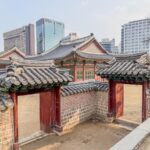
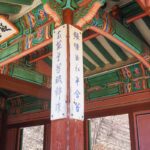
Gyeongbokgung Palace & National Folk Museum
Read the place guide →Founded in 1395 as the primary palace of the Joseon Dynasty, Gyeongbokgung features grand throne halls, tranquil lotus pavilions, and the traditional royal guard changing ceremony at Gwanghwamun Gate. Visitors wearing traditional hanbok receive free entry.
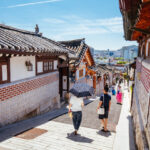
Bukchon Hanok Village
Read the place guide →Located between Gyeongbokgung and Changdeokgung palaces, Bukchon Hanok Village preserves over 900 traditional Korean wooden homes (hanoks). The historic alleys feature tea houses, artisan workshops, and viewpoints contrasting heritage roofs with modern skyscrapers.
N Seoul Tower & Namsan Mountain
Read the place guide →Crowning Namsan Mountain in the heart of Seoul, the 236-meter N Seoul Tower provides 360-degree views across the metropolis. Accessible by scenic cable car or forested walking trails, it is famous for its sunset observation deck and colorful love locks.
Gwangjang Market & Myeongdong
Seoul’s premier street food and retail destinations: century-old Gwangjang Market serves authentic bindaetteok (crispy mung bean pancakes) and hand-cut kalguksu noodles, while bustling Myeongdong offers premier K-beauty shops and night market stalls.
Changdeokgung Palace & Huwon Secret Garden
A UNESCO World Heritage site celebrated for its seamless integration into natural mountain contours. The secluded Secret Garden (Huwon) contains lotus ponds, centuries-old trees, and peaceful royal pavilions.
Editor-curated picks carried over from our original guide. Where a full place guide exists, the card links to it.


Worth booking ahead in Seoul
Hand-picked from the operators our guides already send readers to. Prices and availability are live on the partner site.
BrowseViator
Tours and tickets in Seoul on Viator (opens Viator in a new tab)
Viator's full list of bookable tours and tickets in Seoul.
BrowseGetYourGuide
Experiences in Seoul on GetYourGuide (opens GetYourGuide in a new tab)
Everything GetYourGuide sells in Seoul, with the cancellation terms on each listing.
Where to stayBooking.com
Stays in Seoul (opens Booking.com in a new tab)
Live rates and availability for Seoul on Booking.com; filter by neighbourhood once you know where your days start.
We earn a commission if you book through these links, at no extra cost to you. It is how we keep the guides free and independent.
Where to stay
The Shilla Seoul
249 Dongho-ro, Jung-gu, Seoul 04605, South Korea
One of South Korea’s most prestigious luxury hotels, set amidst 23 acres of private parkland on Namsan Mountain, combining contemporary luxury with refined Korean hospitality.
The Westin Palace, Madrid
Plaza de las Cortes 7, 28014 Madrid, Spain
A historic landmark opposite the Parliament. It is grand and traditional with a magnificent stained-glass dome in the rotunda. It is the choice of diplomats and celebrities. The location for museums is perfect.
Gran Hotel Inglés
Calle de Echegaray 8, 28014 Madrid, Spain
The oldest hotel in Madrid (1886), recently restored to Art Deco glory. It is boutique, intimate, and tucked away in the literary quarter (Barrio de las Letras). It is stylish and sophisticated.
Editor-curated stays carried over from our original guide. Where we have reviewed the hotel, the card links to the review.
Tips from the field
Highlights
- Gyeongbokgung Palace — Imperial Joseon architecture and royal guard ceremonies
- Bukchon Hanok Village — Historic alleys with traditional wooden Korean architecture
- N Seoul Tower — Stunning panoramic viewpoints across the metropolitan basin
- Gwangjang Market — Authentic street food from crispy bindaetteok to knife-cut noodles
- K-Culture Hubs — Gangnam fashion, Hongdae indie music, and Dongdaemun Design Plaza
- Secret Garden at Changdeokgung — UNESCO-listed tranquil palace landscaping
Best activities
- Rent a traditional hanbok to tour historic palaces, sample sizzling Korean barbecue and soju in Euljiro, shop for skincare in Myeongdong, hike the ancient Seoul City Wall on Mount Inwangsan, and catch live street indie bands in Hongdae.
Local experiences
- Relax in a traditional Korean jjimjilbang (bathhouse), sip roasted grain tea in an Insadong courtyard, picnic with instant ramen and chimaek (fried chicken and draft beer) in Yeouido Hangang Park, and browse midnight fashion wholesale at Dongdaemun.
Practical tips
- Currency: South Korean Won (KRW). Cards/tap widely accepted. T-money card for transit.
- Getting There: Incheon Airport (ICN) via AREX to Seoul Station (43 minutes, 9,500 KRW) or Gimpo Airport (GMP) for domestic.
- Transportation: World-class subway (9 lines +). T-money card works on subway, buses, and taxis. Walking excellent in Gangnam, Myeongdong, Hongdae.
- Dining: Korean BBQ (15,000-30,000 KRW), bibimbap (8,000-12,000 KRW), street food at Gwangjang Market (3,000-8,000 KRW). Convenience stores (CU, GS25) have surprisingly great food.
- Free Attractions: Gyeongbokgung Palace exterior, Bukchon Hanok Village, Myeongdong shopping area, Han River parks, Hongdae street performances.
- Tipping: Not practiced
- Electricity: 220V/60Hz, Type C/F plugs
Photography tips
- Golden Hour: Sunset at Temple of Debod (Egyptian temple).
- Iconic Shots:
- The Metropolis Building at Gran Vía.
- Rowboats on the Retiro Park lake.
- The Crystal Palace.
- Plaza Mayor architecture.
- The bear and strawberry tree statue (Sol).
- Technique: Madrid has very blue skies ('Velázquez sky'). The light is crisp. Capture the movement of Gran Vía at night with long exposure.
Timing
- Peak Season (May-June, Sept-Oct):
- Best weather, busy
- Low Season (Jan-Feb, Aug):
- Coldest/Hottest
- Shoulder Season (March-April, Nov):
- Good value
Keeping it authentic
- Seoul fuses 600 years of royal Joseon Dynasty history with cutting-edge 5G infrastructure, high-speed transit, and global K-pop culture. Historic neighborhoods like Ikseon-dong showcase young Korean artisans transforming vintage hanoks into modern craft bakeries and boutique studios.
Culture, customs and safety
Cultural heritage
Seoul balances 600 years as Korean capital preserving Joseon Dynasty palaces alongside cutting-edge technology and K-culture global influence. Five grand palaces including Gyeongbokgung showcase traditional architecture while Bukchon Hanok Village maintains residential heritage. Buddhist temples like Jogyesa provide spiritual refuge amid urban density. Traditional markets including Namdaemun operate continuously for centuries. K-pop, K-drama, and K-beauty represent contemporary cultural exports. The city embodies dynamic Korea balancing Confucian traditions with digital innovation and global cultural leadership.
Safety notes
Seoul is one of the safest megacities in the world.
General Safety:
• Crime against tourists is extremely rare
• Safe to walk at night in virtually all neighborhoods
Cultural Notes:
• Remove shoes when entering Korean homes and some traditional restaurants
• Use both hands when giving/receiving items
• Drinking culture is central — moderation recommended
Emergency contacts:
• Police: 112
• Fire/Ambulance: 119
• Tourist hotline: 1330
