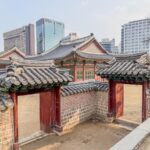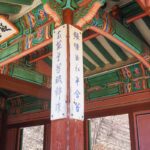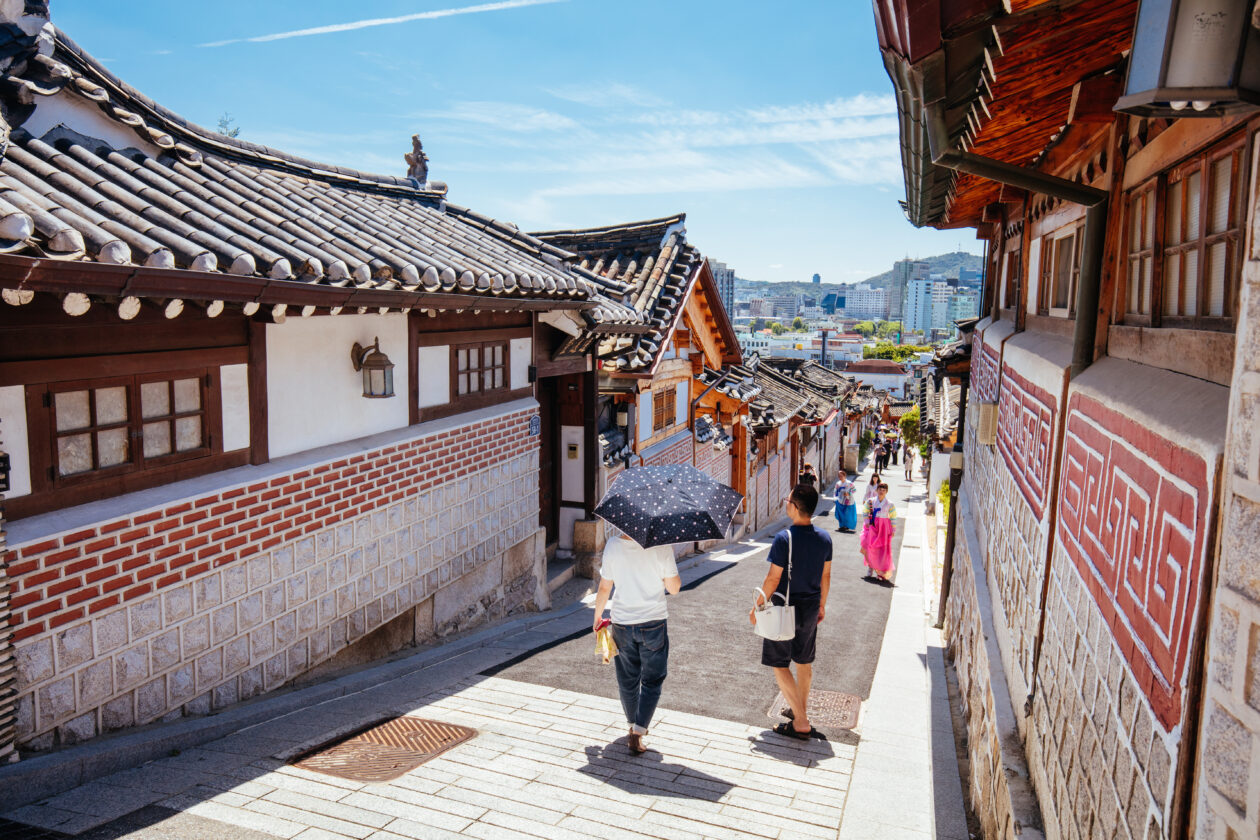
Bukchon Hanok Village is a charming historical neighborhood in Seoul where hundreds of traditional Korean houses (hanok) have been preserved, creating a living museum of Korean architecture. Dating back to the Joseon Dynasty, this cultural gem offers visitors a glimpse into traditional Korean lifestyle while nestled between Gyeongbokgung and Changdeokgung Palaces. The village’s narrow alleyways, stone walls, and iconic curved tile roofs create a picturesque atmosphere that contrasts beautifully with the modern cityscape surrounding it. Known for its cultural authenticity with an authenticityScore of 9, Bukchon remains a residential area where locals live in these meticulously maintained traditional structures, making it an immersive cultural experience rather than just a tourist attraction.
Cultural Context
Living museum of traditional Korean aristocratic life, preserving the authentic residential culture of Joseon Dynasty nobility and serving as a tangible connection to Korea’s architectural and social heritage. Home to over 900 restored hanoks, the village represents the sophisticated lifestyle of the yangban (aristocratic) class and demonstrates the continuity of Korean cultural values through centuries of political and social transformation, now serving as a cultural bridge between Korea’s past and present.
Historical Context
Originally developed during the Joseon Dynasty (1392-1897) as the exclusive residential quarter for high-ranking government officials and nobility, with historical records from 1906 showing 43.6% of residents were aristocratic families. Notable residents included influential figures like Pak Yōnghyo and Kim Okkyun, though the area underwent complex changes during Japanese colonization when some pro-Japanese collaborators expanded their estates here using rewards from the colonial government.