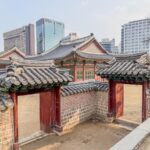
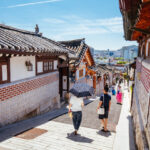
Insadong Culture Street serves as Seoul‘s vibrant artistic heart, where Korea’s traditional and contemporary cultures seamlessly blend. This charming pedestrian thoroughfare in central Seoul features over 100 galleries, traditional teahouses, craft shops, and antique stores housed in preserved hanok-style buildings alongside modern structures.
Visitors can explore a treasure trove of authentic Korean handicrafts including hanji (handmade paper), hanbok (traditional clothing), pottery, and intricate folk art. On weekends, the street transforms with cultural performances, calligraphy demonstrations, and traditional games. Beyond shopping, Insadong offers visitors immersive experiences in traditional Korean tea culture at historic teahouses, and connects to hidden side alleys lined with small art galleries and unique boutiques that reward curious explorers.
Cultural Context
Insadong Culture Street is a vibrant epicenter of Korean traditional culture and arts, embodying a unique fusion of the past and present. It is renowned for its concentration of antique shops, art galleries, traditional tea houses, calligraphy stores, and craft workshops that celebrate Korea’s rich artistic heritage. The street is a living testament to Korean cultural practices such as hanji paper making, traditional painting, and ceramics, with artisans often demonstrating their crafts to visitors. It is also a hub for cultural festivals and events, including the annual Insadong Cultural Festival held in autumn, which showcases traditional music, dance, and performances. The street’s atmosphere encourages the preservation and appreciation of Korean customs such as tea ceremonies and hanbok (traditional clothing) experiences, making it a vital space for cultural transmission. Locals and tourists alike frequent Insadong to engage with Korea’s artistic legacy in a setting that respects and honors centuries-old traditions, while also embracing contemporary interpretations of Korean art and culture. The street’s cultural significance is deeply tied to its role as a space where the intangible heritage of Korea—its values, aesthetics, and artisanal knowledge—is kept alive and accessible to all.
Historical Context
Insadong’s history as a cultural hub dates back to the Joseon Dynasty (1392–1897), when it was part of a key commercial district in Seoul. Originally a residential area for the yangban aristocracy, the neighborhood evolved into a center for merchants and artists by the late 19th and early 20th centuries. Post-Korean War reconstruction in the 1950s saw Insadong transform into a gathering place for artists and intellectuals, many of whom sought to preserve Korean cultural identity amid rapid modernization. The street’s name, Insadong, reportedly derives from a government official named Insan who once lived in the area during the Joseon period. In the 1960s and 1970s, the government and local communities began efforts to protect Insadong’s cultural assets, establishing it as a designated cultural district. Throughout the decades, Insadong has witnessed significant historical moments, including its role as a meeting place for Korean independence activists during the Japanese colonial period (1910–1945). Today, Insadong retains its historical charm through preserved hanok (traditional Korean houses) and narrow alleyways that echo its past, serving as a bridge between Seoul’s historical narrative and its contemporary urban life.