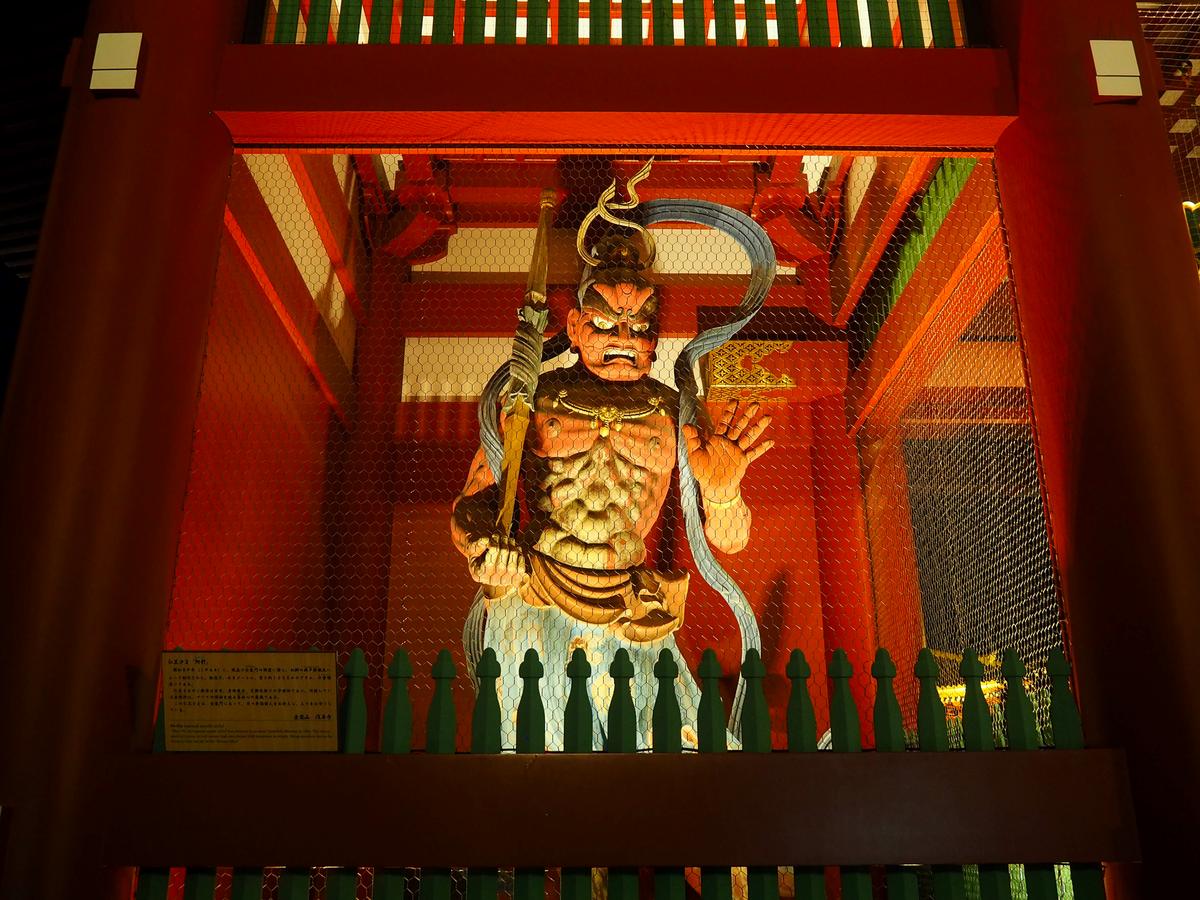
Tokyo‘s oldest and most revered Buddhist temple, Senso-ji has served as a spiritual anchor in the city’s Asakusa district since 628 CE. The approach through the iconic Kaminarimon (Thunder Gate) with its massive red lantern leads visitors along Nakamise-dori, a centuries-old shopping street where traditional crafts, street food, and religious items create a multisensory prelude to the sacred space ahead. The temple’s main hall, dedicated to Kannon (the goddess of mercy), draws worshippers who come to purify themselves in incense smoke believed to have healing properties. The adjacent five-story pagoda and temple complex embody classical Japanese Buddhist architecture, offering a tranquil counterpoint to Tokyo’s modernity. Though destroyed during World War II, Senso-ji’s faithful reconstruction preserves its cultural significance as a living center of worship where ancient rituals continue amid the city’s constant evolution.
Cultural Context
Sensoji Temple holds profound cultural significance as one of Tokyo’s most important religious sites, deeply intertwined with local traditions and spiritual practices. Founded in 628 CE, it is dedicated to Kannon Bosatsu, the Bodhisattva of compassion, reflecting the enduring influence of Mahayana Buddhism in Japan. The temple is a focal point for numerous traditional festivals, most notably the Sanja Matsuri, held annually in late May, which celebrates the three founders of the temple with vibrant parades, portable shrines, and communal prayers. Visitors and worshippers engage in customary practices such as drawing omikuji (fortune slips), cleansing hands and mouths at the temizuya (purification fountain), and offering incense at the main hall to invoke blessings. The Nakamise-dori shopping street leading to the temple is lined with vendors selling traditional crafts, sweets, and souvenirs, preserving the Edo-period atmosphere and supporting local artisans. Sensoji’s role extends beyond religious observance; it serves as a cultural hub where historical customs are actively maintained and passed down, fostering a living connection between Tokyo’s modern urban life and its rich spiritual heritage. The temple’s inclusive atmosphere welcomes both devout practitioners and curious visitors, making it a vibrant symbol of Japan’s cultural continuity and religious devotion.
Historical Context
Sensoji Temple is Tokyo’s oldest temple, with its origins tracing back to 628 CE when two fishermen brothers discovered a statue of Kannon in the Sumida River, leading to the establishment of the temple by the local chief. This event marked the beginning of a spiritual site that would grow into a major religious and cultural landmark. Throughout its history, Sensoji has witnessed significant transformations, including destruction during World War II air raids and subsequent reconstruction efforts that preserved its traditional Edo-period architectural style. The temple has been closely linked to the Asakusa district’s development as a bustling center of commerce and pilgrimage since the Edo period (1603-1868), serving as a spiritual anchor for the city’s growing population. Historical figures such as Tokugawa Ieyasu are known to have patronized the temple, enhancing its status and influence. Over the centuries, Sensoji evolved from a modest shrine into a grand complex featuring multiple gates, pagodas, and halls, reflecting the changing religious and social dynamics of Tokyo. Its resilience and restoration symbolize Japan’s broader postwar recovery and commitment to preserving cultural heritage. Sensoji’s history is a testament to the enduring power of faith and community in shaping Tokyo’s identity over nearly 1,400 years.