MenuClose

A place worth knowing

Shinjuku Gyoen National Garden

Nature · National garden in TokyoUpdated

  • Google rating4.6/5
  • Typical visit2-3 hours average visit, longer during cherry blossom or autumn seasons
  • EntranceFree
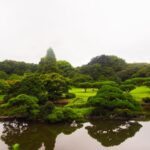
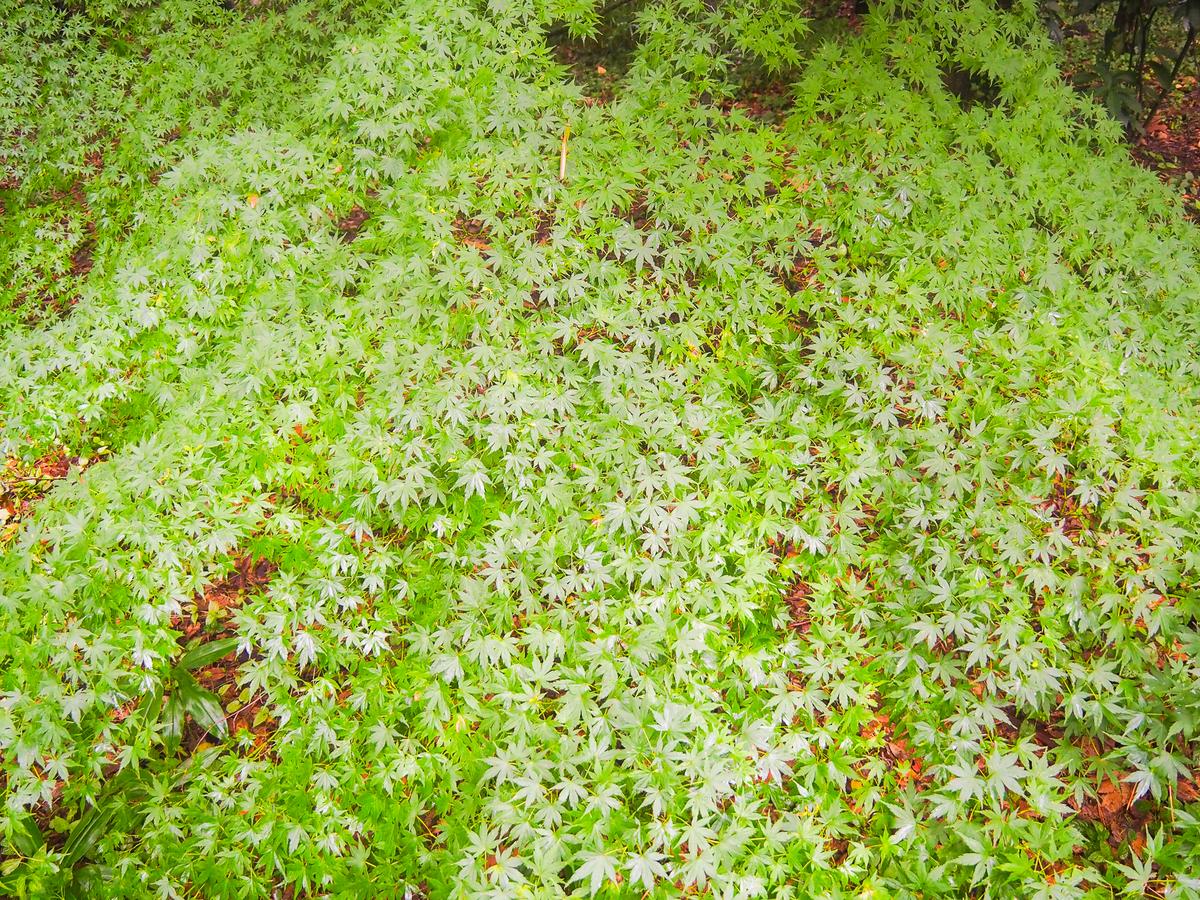
Lush greenery at Shinjuku Gyoen, Tokyo
  • Today (Sunday)9:00 AM – 4:00 PM
  • Typical visit2-3 hours average visit, longer during cherry blossom or autumn seasons
  • EntranceFree
  • Google rating4.6/5
  • WebsiteOfficial site ↗
  • TicketsCheck availability ↗
Opening hours all week
Monday
Closed
Tuesday
9:00 AM – 4:00 PM
Wednesday
9:00 AM – 4:00 PM
Thursday
9:00 AM – 4:00 PM
Friday
9:00 AM – 4:00 PM
Saturday
9:00 AM – 4:00 PM
Sunday
9:00 AM – 4:00 PM
Lush greenery at Shinjuku Gyoen, Tokyo
The short answer

Why it matters

A serene oasis amidst Tokyo’s vibrant chaos.

1. Cultural Authenticity: Shinjuku Gyoen National Garden blends traditional Japanese gardens with international styles like French formal and English landscape gardens. Its meticulously maintained landscapes and architectural elements authentically represent local traditions while incorporating international influences. 2. Historical Significance: The garden’s evolution from a feudal lord’s estate during the Edo period to an imperial garden for diplomatic purposes and, finally, a public park illustrates Japan’s historical transitions and transformations. It holds significant historical value, particularly reflecting post-WWII changes when it was re-designated as a national garden. 3. Artistic Value: While specific artistic works are not the focal point, the garden is an artistic masterpiece. Its diverse landscapes, including Japanese, French, and English garden styles, are designed meticulously, showcasing significant artistic contributions to the environment. 4. Social Impact: As a public park, Shinjuku Gyoen provides a natural, serene space for the community. It has a positive social impact by promoting relaxation, nature appreciation, and community gatherings. Its popularity during cherry blossom season also enhances its global cultural significance. 5. Accessibility and Preservation: Designated as an Important Cultural Property, the garden is well-preserved and highly accessible. Preservation efforts effectively maintain its historical and cultural significance for future generations. 6. Visitor Engagement: Shinjuku Gyoen offers visitors an interactive experience with diverse garden styles, providing a unique opportunity to engage with Japanese culture alongside international influences. Seasonal events like cherry blossom viewing further enrich visitor engagement. 7. Educational Value: The garden provides educational opportunities through its diverse styles, traditional Japanese garden design, and historical significance. Visitors can learn about Japan’s historical transitions and cultural diversity. UNESCO Criteria Alignment:
  • Criteria (ii): Shinjuku Gyoen exhibits an important interchange of human values through its blend of Japanese, French, and English garden styles.
  • Criteria (iv): It is an outstanding example of a landscape illustrating significant stages in Japanese history, from the Edo period to post-WWII.

Shinjuku Gyoen National Garden stands as one of Tokyo‘s most magnificent green spaces, spanning 144 acres of meticulously landscaped grounds in the heart of the bustling metropolis. Originally established as an imperial garden in 1906, this tranquil oasis showcases an impressive fusion of three distinct garden styles—formal French, expansive English landscape, and traditional Japanese—creating a unique horticultural tapestry. The garden reaches peak splendor during cherry blossom season when over 1,000 somei-yoshino cherry trees burst into delicate pink blooms, making it one of Tokyo’s premier hanami (flower viewing) destinations. Equally stunning in autumn, the garden’s Japanese maples transform into a vibrant display of crimson and gold. Year-round attractions include the serene traditional Japanese garden with its elegant teahouse, the greenhouse housing tropical and subtropical plants, and perfectly manicured lawns ideal for peaceful relaxation. Despite its central location adjacent to Shinjuku’s skyscrapers, the garden maintains a remarkable sense of serenity, offering both visitors and locals an accessible retreat from urban intensity and a window into Japan’s profound appreciation for seasonal beauty and natural harmony.

Cultural Context

Shinjuku Gyoen National Garden holds a deep cultural resonance in Tokyo as a harmonious blend of Japanese tradition and Western influences, reflecting Japan’s historical openness to cultural exchange. Originally a feudal lord’s residence during the Edo period, the garden was transformed into an imperial garden in the early 20th century, symbolizing Japan’s modernization and adaptation of Western horticultural styles alongside native aesthetics. The garden is renowned for its traditional tea houses, where the Japanese tea ceremony—a ritual embodying harmony, respect, purity, and tranquility—is regularly performed, offering visitors an immersive cultural experience. Seasonal celebrations such as hanami (cherry blossom viewing) are particularly significant here, drawing locals and tourists alike to participate in centuries-old customs of appreciating transient natural beauty. The garden’s design integrates three distinct styles: the traditional Japanese landscape garden, the formal French garden, and the English landscape garden, each representing different cultural philosophies of nature and artifice. This cultural layering makes Shinjuku Gyoen a living museum of Japan’s evolving relationship with nature, art, and ritual. The garden also serves as a peaceful retreat from Tokyo’s urban bustle, embodying the Japanese concept of ‘shinrin-yoku’ or forest bathing, which promotes mental and physical well-being through immersion in nature. In this way, Shinjuku Gyoen remains a vital cultural space that nurtures both historical memory and contemporary practices of mindfulness and appreciation of seasonal change.

Historical Context

Shinjuku Gyoen National Garden has a rich historical background that traces back to the Edo period (1603–1868), when the site was originally part of a residence belonging to the Naito family, feudal lords of the area. In 1879, following the Meiji Restoration, the land was acquired by the government and transformed into an experimental agricultural center. By 1906, the site was officially established as an imperial garden, serving as a place of relaxation and botanical study for the Imperial family. The garden was designed by renowned horticulturist Naitō Tokutarō, who skillfully blended traditional Japanese garden aesthetics with Western landscaping techniques, reflecting Japan’s modernization efforts during the Meiji era. During World War II, Shinjuku Gyoen suffered damage from air raids but was subsequently restored and opened to the public in 1949 under the administration of the Ministry of the Environment. Over the decades, it has evolved from an exclusive imperial retreat into one of Tokyo’s most cherished public parks. The garden’s historical significance is further underscored by its survival and restoration through Japan’s tumultuous 20th-century history, symbolizing resilience and continuity. Today, Shinjuku Gyoen stands as a testament to Japan’s ability to preserve its cultural heritage while adapting to modern urban life, maintaining its historical essence amidst Tokyo’s rapid development.

Context

Story and significance

About

In the heart of Tokyo lies Shinjuku Gyoen National Garden, a tranquil retreat from the city’s hustle. This 144-acre park, once an imperial estate, offers a unique blend of traditional Japanese, English landscape, and French formal gardens. Visitors can immerse themselves in the serene beauty of cherry blossom trees, meticulously maintained landscapes, and a historical greenhouse with tropical and subtropical flora.

It’s not just a garden; it’s a cultural journey through Japan’s garden design evolution. Ideal for leisurely strolls, picnics, or contemplation, Shinjuku Gyoen serves as a testament to the harmony between nature and historical preservation, making it an indispensable visit in Tokyo.

Historical significance

Shinjuku Gyoen is historically important as a surviving landscaped imperial estate that became a national garden accessible to the public, illustrating shifts in land use and cultural priority toward public recreation. It has long served as a botanical repository and a cultural setting for seasonal rituals such as hanami (cherry-blossom viewing).

Historical context

Originally part of an imperial garden and later reorganized in the early 20th century into a public park, Shinjuku Gyoen combines elements from different gardening traditions as Tokyo’s urban environment expanded. Its evolution reflects changing attitudes toward public green space, preservation of horticultural collections, and the conversion of private imperial lands for public use.

Cultural context

Shinjuku Gyoen National Garden is a cherished green space in central Tokyo used by locals for relaxation, seasonal flower viewing—especially cherry blossoms in spring—and everyday recreation. It attracts visitors seeking a tranquil contrast to the surrounding urban density and is a popular site for photography, picnics, and horticultural appreciation.

Architecture

The garden’s significance lies in landscape architecture rather than buildings: it contains traditional Japanese, English landscape, and formal French garden areas, carefully planted ponds, winding paths, and greenhouse structures that house botanical collections. The design emphasizes seasonal variety, visual composition, and horticultural diversity within a planned urban park framework.

Local significance

Shinjuku Gyoen is a cherished urban green space for Tokyo residents, offering a tranquil escape from the city’s density and a venue for seasonal rituals such as hanami (cherry-blossom viewing). Locals use the park for relaxation, exercise, family outings and photography; its carefully maintained lawns and gardens provide a year-round recreational resource. The garden’s mix of formal and landscape styles also plays an educational role, demonstrating horticultural techniques and bringing biodiversity into the city.

Editorial scores

How we rate it

Universal appeal & authenticity10/10
Cultural richness & educational value10/10
Preservation & integrity10/10
Accessibility & visitor engagement10/10

Editorial scores on a 10-point scale, judged against places of the same kind.

Updated Data: Editorial research · Google Places ratings · Verified coordinates