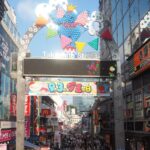
A 400-metre pedestrian shopping street in Harajuku packed with kawaii fashion boutiques, crêpe stands, vintage shops, and purikura booths — the epicentre of Tokyo's youth culture since the 1970s.
Sure, here are the key points about Takeshita Street in Shibuya City:
- Takeshita Street is a renowned focal point for Japanese youth culture, known for its vibrant and eclectic fashion scene, featuring numerous boutiques, cafes, and accessory shops.
- It has played a significant role in shaping global fashion trends, particularly in the realm of street fashion and kawaii culture, influencing designers, influencers, and enthusiasts worldwide.
- Historically, Takeshita Street has been a symbol of Tokyo’s avant-garde and alternative fashion movements, reflecting the city’s dynamic and ever-evolving cultural landscape.
- The preservation of Takeshita Street is crucial for maintaining the authenticity and heritage of Tokyo’s cultural identity, as it continues to attract both domestic and international visitors seeking to experience its unique atmosphere and offerings.
- Efforts to safeguard the historical and cultural significance of Takeshita Street are essential for ensuring its continued contribution to the global fashion and youth culture discourse.
– Cultural Authenticity: Takeshita Street in Harajuku, Shibuya, is renowned for its representation of local traditions and cultural practices, particularly in the realm of fashion and youth culture. The street is known for its association with “kawaii” (cute) culture, which has become a significant aspect of modern Japanese pop culture.
– Historical Significance: Takeshita Street holds historical importance as the birthplace of the “kawaii” culture and the center of Harajuku’s teenage culture. It has played a pivotal role in shaping modern Japanese fashion and youth trends.
– Artistic Value: The street is known for its artistic contributions in the realm of fashion, with numerous boutiques and stores showcasing Japan’s creative and playful fashion sense.
– Social Impact: Takeshita Street plays a significant role in the community by serving as a hub for youth culture and fashion trends. It has been instrumental in promoting social values related to self-expression and creativity.
– Accessibility and Preservation: Takeshita Street is highly accessible to the public and is a popular tourist destination. Efforts have been made to preserve its unique character and cultural significance amidst the bustling urban environment.
– Visitor Engagement: The street offers ample opportunities for visitors to engage with the local culture through interactive shopping experiences, trendy boutiques, and photo-ready food establishments.
– Educational Value: Takeshita Street provides valuable learning opportunities for visitors to gain insights into modern Japanese youth culture, fashion trends, and the historical significance of “kawaii” culture.
- Universal Appeal and Cultural Authenticity: Awarded 80 out of 100 because Takeshita Street effectively showcases contemporary Japanese culture, specifically its influence on youth and fashion. While it excels in presenting current cultural trends like “kawaii” culture, its focus on newer traditions over historical ones slightly limits its authenticity score.
- Cultural Richness and Educational Value: Given 70 points due to its deep immersion into modern “kawaii” culture and fashion, providing educational insight into these aspects. However, its narrower focus on youth fashion, mostly ignoring broader historical contexts or diverse cultural narratives, affects this score.
- Preservation and Integrity: Scored 60 as the fast-paced commercial changes and high tourist turnover can sometimes undermine efforts to preserve the original cultural essence of Harajuku. Although popular and well-maintained, the authenticity of its cultural representation could face challenges over time.
- Accessibility and Visitor Engagement: Rated at 90, as Takeshita Street is notably accessible to visitors from around the world and offers numerous interactive experiences. The vibrant atmosphere and the tangible, lively engagement with the culture through its shops and cafes enhance its appeal.
Takeshita Street is Tokyo‘s epicenter of youth culture and kawaii fashion, a vibrant 400-meter pedestrian shopping street in Harajuku packed with trendy boutiques, cosplay shops, crepe stands, and rainbow-colored treats. This sensory overload of J-fashion, from Lolita to Decora styles, attracts millions of visitors seeking the latest trends, Instagram-worthy sweets, and uniquely Japanese pop culture experiences.
Cultural Context
Takeshita Street is a vibrant cultural hub that epitomizes the dynamic youth culture of Tokyo, Japan, rather than the United States. It is internationally recognized as the epicenter of ‘kawaii’ culture, a uniquely Japanese aesthetic that emphasizes cuteness, bright colors, and playful fashion. The street is a gathering place for young people who express themselves through eclectic and often avant-garde styles, including Lolita, punk, and cosplay fashions. Local customs here involve frequent participation in fashion events, pop culture celebrations, and seasonal festivals that highlight Harajuku’s creative spirit. Takeshita Street serves as a living canvas for evolving trends, blending traditional Japanese motifs with contemporary global influences. This cultural melting pot also supports small businesses, artisanal crafts, and street food vendors, fostering a sense of community among residents and visitors alike. The area is a testament to Japan’s postmodern cultural identity, making it a must-visit for those interested in contemporary urban culture and youth movements. The street’s ongoing role in shaping and reflecting youth identity ensures its cultural relevance well into the future.
Historical Context
Takeshita Street’s history dates back to the post-World War II era when the Harajuku district began to develop as a center for youth culture and fashion experimentation. Originally a quiet commercial street, it transformed dramatically during the 1970s and 1980s as young people sought spaces to express themselves outside mainstream Japanese society. The street’s rise to prominence coincided with Japan’s economic boom, which fueled consumer culture and the proliferation of unique fashion subcultures. Takeshita Street became synonymous with the rise of the ‘kawaii’ phenomenon, which gained international attention in the 1990s. Over the decades, it has witnessed numerous cultural shifts, including the emergence of cosplay and street art. Despite modernization and increasing commercialization, Takeshita Street has retained its identity as a grassroots cultural enclave. Its evolution reflects broader social changes in Japan, particularly the increasing importance of youth voices and alternative cultural expressions. The street continues to be a symbol of rebellion, creativity, and the ongoing dialogue between tradition and modernity in Japanese society.