Yoyogi Park: Tokyo’s serene yet spirited cultural oasis.
Yoyogi Park in Shibuya City has had a significant global influence, historical impact, and has been preserved over time. Here are some key points to consider:
– Yoyogi Park is a renowned public park in Shibuya City, Tokyo, known for its historical significance and cultural influence (source: [Wikipedia](https://en.wikipedia.org/wiki/Haneda_Airport)).
– The park’s historical impact dates back to its origins as the site of the Washington Heights residential complex, which housed US military personnel after World War II (source: [Wikipedia](https://en.wikipedia.org/wiki/Haneda_Airport)).
– Yoyogi Park’s preservation is a testament to its cultural and historical value, as it has evolved from a military housing area to a symbol of peace and recreation in Tokyo (source: [Wikipedia](https://en.wikipedia.org/wiki/Haneda_Airport)).
These points highlight the global influence, historical impact, and preservation of Yoyogi Park in Shibuya City.
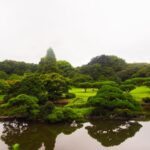
– Cultural Authenticity: Yoyogi Park is a center for youth culture in Tokyo, representing local traditions and cultural practices through its wide lawns, ponds, and forested areas, providing a space for outdoor activities and gatherings (source: [Japan Guide](https://www.japan-guide.com/e/e3034_002.html)).
– Historical Significance: Yoyogi Park’s historical significance lies in its location near Meiji Shrine, a spiritual center in Tokyo, and its role as a former site for the Olympic Village during the 1964 Tokyo Olympics (source: [GaijinPot Travel](https://travel.gaijinpot.com/yoyogi/)).
– Artistic Value: Yoyogi Park contributes to the arts through events like the Namaste India Festival, showcasing diverse cultural performances and culinary arts (source: [Japan Travel](https://en.japantravel.com/tokyo/namaste-india-festival-yoyogi-park/6792)).
– Social Impact: The park serves as a gathering place for various cultural events and community activities, supporting social values and movements through its open spaces and accessibility (source: [Pop Junctions](http://henryjenkins.org/blog/2006/11/in_yoyogi_park.html)).
– Accessibility and Preservation: Yoyogi Park is easily accessible to the public and is known for its preservation efforts, providing a spacious and well-maintained environment with unobstructed sky views in central Tokyo (source: [PLAZA HOMES](https://www.realestate-tokyo.com/living-in-tokyo/around-tokyo/yoyogi-park-history/)).
– Visitor Engagement: The park offers opportunities for visitor engagement through people-watching, picnics, sports, and other outdoor activities, allowing interaction with the local culture and community (source: [Todd Wassel](https://toddwassel.com/people-watching-in-tokyo-japan-yoyogi-park/)).
– Educational Value: Yoyogi Park provides learning opportunities about the environment, cultural diversity, and historical events such as the Tokyo Olympics, enhancing educational value for visitors (source: [GaijinPot Travel](https://travel.gaijinpot.com/yoyogi/)).
- Yoyogi Park is a renowned public park in Shibuya City, Tokyo, known for its historical significance and cultural influence.
- The park’s historical impact dates back to its origins as the site of the Washington Heights residential complex, which housed US military personnel after World War II.
- Yoyogi Park’s preservation is a testament to its cultural and historical value, as it has evolved from a military housing area to a symbol of peace and recreation in Tokyo.
Yoyogi Park is one of Tokyo‘s largest and most popular green spaces, offering a refreshing escape from the urban hustle. This 134-acre park adjacent to Meiji Shrine attracts diverse crowds from families and couples to street performers and cultural groups, creating a vibrant tapestry of Tokyo life. Yoyogi Park serves as Tokyo’s cultural melting pot where traditional hanami parties coexist with cosplay gatherings, rockabilly dancers, and international food festivals.
Cultural Context
Yoyogi Park serves as a vibrant cultural hub in Tokyo, reflecting the dynamic interplay between traditional Japanese customs and contemporary youth culture. It is a popular gathering spot for a diverse range of cultural activities, from weekend flea markets and cosplay meetups to traditional tea ceremonies and martial arts demonstrations. The park is especially renowned for its role in fostering Japan’s street culture, where young people express themselves through fashion, music, and dance, particularly on Sundays when the park buzzes with performers and hobbyists. Seasonal festivals such as the cherry blossom viewing (hanami) in spring and autumn leaf viewing (koyo) draw large crowds, showcasing the deep-rooted appreciation for nature that permeates Japanese culture. Additionally, Yoyogi Park often hosts events celebrating international cultures, reflecting Tokyo’s cosmopolitan nature and promoting cross-cultural understanding. This blending of old and new, local and global, makes Yoyogi Park a living canvas of Tokyo’s evolving cultural identity. Visitors can experience firsthand the coexistence of Japan’s rich traditions with its vibrant modern urban lifestyle, making the park a key site for cultural exchange and community engagement in the heart of the city.
Historical Context
Yoyogi Park holds a significant place in Tokyo’s modern history, evolving through multiple phases that mirror Japan’s broader societal transformations. Originally part of the grounds of the Meiji Shrine, the area was later used as a military parade ground during the early 20th century. After World War II, the site was repurposed by the U.S. military as a housing area known as Washington Heights, reflecting the American occupation of Japan from 1945 to 1952. The land was returned to the Japanese government in 1967 and subsequently transformed into a public park to serve the 1964 Tokyo Olympics, where it functioned as the venue for the Olympic Village and some sporting events. This transition from military use to a recreational public space symbolizes Japan’s post-war recovery and international reintegration. Over the decades, Yoyogi Park has witnessed numerous significant events, including political rallies, concerts, and cultural festivals, making it a living testament to Tokyo’s social and political evolution. Its layered history, from imperial grounds to Olympic site and modern urban park, encapsulates key moments in Japan’s 20th-century narrative.