MenuClose

A place worth knowing

Omoide Yokocho

Food and drink · Restaurant in TokyoUpdated

  • Google rating4.1/5
  • Typical visit30-90 minutes (longer for multiple visits and longer drinking sessions)
  • EntranceFree
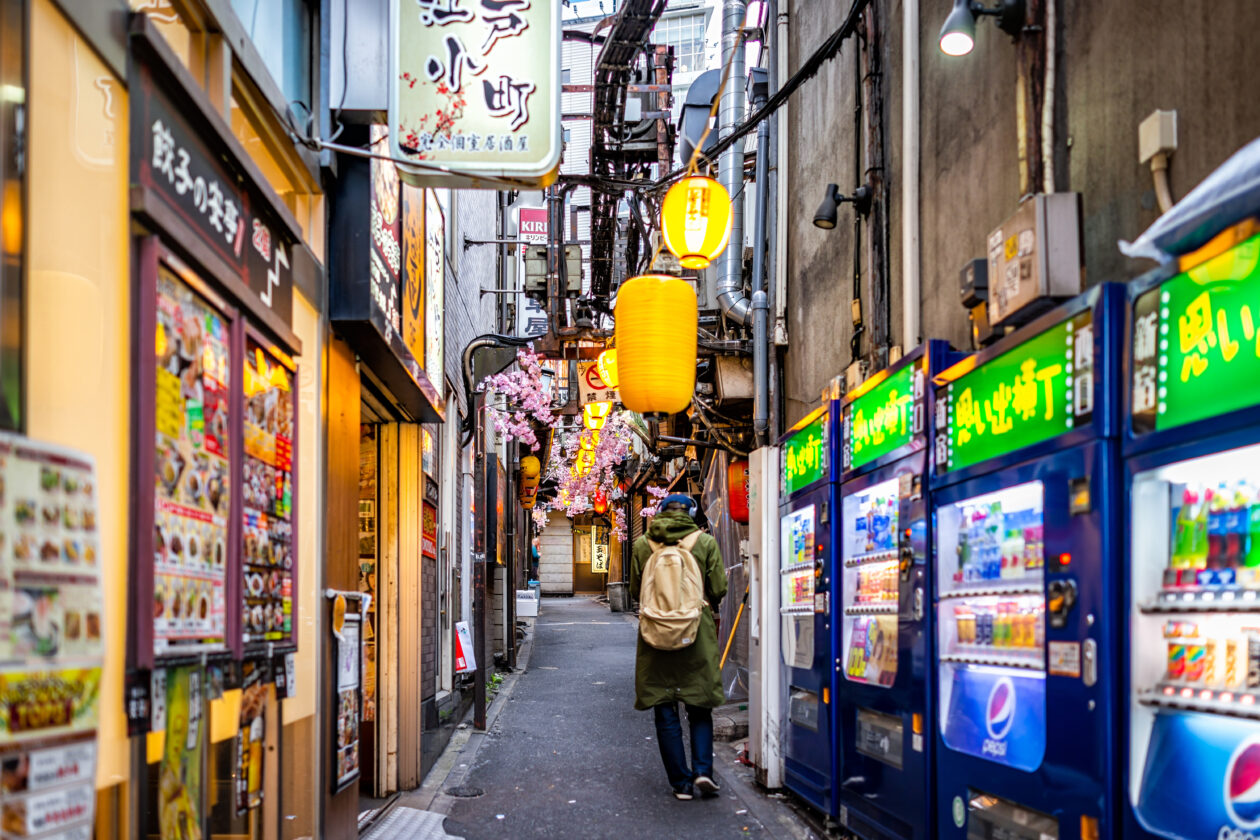
Tokyos Omoide Yokocho in Shinjuku: narrow alley with lanterns, vending machines, and cozy izakayas.
Kristina Blokhin – stock.adobe.com
  • Today (Thursday)5:00 PM – 12:00 AM
  • Typical visit30-90 minutes (longer for multiple visits and longer drinking sessions)
  • EntranceFree
  • Google rating4.1/5
  • WebsiteOfficial site ↗
Opening hours all week
Monday
5:00 PM – 12:00 AM
Tuesday
5:00 PM – 12:00 AM
Wednesday
5:00 PM – 12:00 AM
Thursday
5:00 PM – 12:00 AM
Friday
5:00 PM – 12:00 AM
Saturday
5:00 PM – 12:00 AM
Sunday
5:00 PM – 12:00 AM
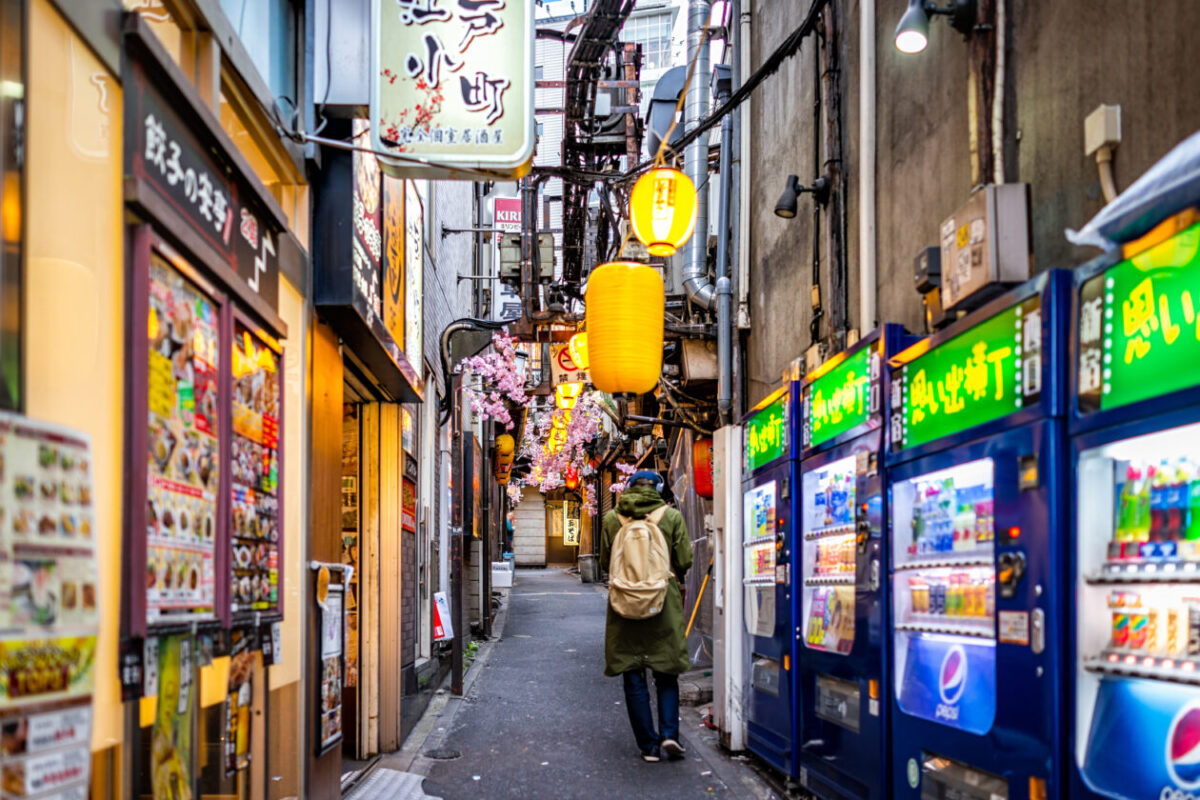
Tokyos Omoide Yokocho in Shinjuku: narrow alley with lanterns, vending machines, and cozy izakayas.
The short answer

Why it matters

Omoide Yokocho: Tokyo’s nostalgic culinary heart.

– Omoide Yokocho, also known as “Memory Lane,” is a historic area in Shinjuku, Tokyo, known for its cramped bars and restaurants that offer a glimpse into post-war Japan ([ShootTokyo](https://shoottokyo.com/blog/shinjukus-yakitori-yokocho)). – The area originated as a black market in the late 1940s after World War II and has since evolved into a popular destination for locals and tourists alike, attracting visitors with its nostalgic atmosphere and traditional izakaya-type restaurants ([Atlas Obscura](https://www.atlasobscura.com/places/omoide-yokocho)). – Omoide Yokocho is a significant cultural landmark, reflecting the resilience and adaptability of the Japanese people in the aftermath of war, and it continues to preserve the essence of post-war Japanese society ([Japan Experience](https://www.japan-experience.com/all-about-japan/tokyo/attractions-excursions/omoide-yokocho)). – The historical significance and global influence of Omoide Yokocho contribute to its preservation as a cherished part of Tokyo’s cultural heritage, offering a unique experience that transports visitors back in time to the post-war era ([Food. Booze. Internet. Japan.](https://monanomura.wordpress.com/2015/05/14/shinjuku-food-alley-omoide-yokocho/)). – Cultural Authenticity: Omoide Yokocho maintains and represents local traditions and cultural practices through its historic alleyways and numerous izakaya-type restaurants, offering an authentic glimpse into the city’s past. Visitors can experience traditional Japanese dining and immerse themselves in the vibrant ambiance of the area. – Historical Significance: Omoide Yokocho holds historical importance within its cultural and national context as a warren of small alleys crammed with izakaya-type restaurants, appealing to office workers and foreign visitors. It reflects a nod to the past and provides insight into the traditional dining and socializing culture of Japan. – Artistic Value: While Omoide Yokocho may not be known for significant artistic works or contributions to the arts in the traditional sense, it does contribute to the artistic and cultural landscape of Tokyo through its preservation of traditional architecture and culinary arts. – Social Impact: Omoide Yokocho plays a role in the community by offering a unique dining experience and supporting the traditional culinary scene. It provides a space for locals and visitors to gather, socialize, and enjoy traditional Japanese cuisine, contributing to the local social fabric. – Accessibility and Preservation: Omoide Yokocho is accessible to the public, located in the bustling Shinjuku district, and offers a preserved glimpse into the city’s past. Efforts have been made to maintain the historic alleyways and traditional atmosphere, allowing visitors to experience a preserved piece of Tokyo’s cultural history. – Visitor Engagement: Visitors have the opportunity to engage interactively with the culture and community at Omoide Yokocho through immersive dining experiences, exploring the historic alleyways, and interacting with locals and fellow visitors in a traditional Japanese dining setting. – Educational Value: Omoide Yokocho provides learning opportunities about Japanese culture and culinary traditions, offering insights into the history and traditional practices of dining and socializing in Japan. Visitors can gain educational value through firsthand experiences and interactions with the local culture.
  • Omoide Yokocho, often referred to as “Memory Lane,” offers a historical glimpse into post-war Japan with its narrow alleys filled with traditional izakaya establishments. It serves as a living museum of the urban culture and dining habits that emerged during the recovery from World War II.
  • The area, which began as a black market in the late 1940s, has transformed over the decades into a vibrant area representative of both historical challenges and societal progress, retaining its authentic ambience amidst Tokyo’s modernization.
  • Aside from being a bustling nightlife spot, Omoide Yokocho is a cultural landmark that encapsulates the resilience, rebuilding, and adaptation of the Japanese people following the adversities of war, making it a poignant place of memory and celebration of the Japanese spirit.
  • As a preservation of post-war Japanese society, the destination continues to attract a diverse crowd ranging from nostalgic locals to curious tourists, all looking to experience the unique atmosphere that links the past to the present.
  • The narrow lanes and their traditional eateries promote not only culinary delight but also an educational experience, teaching visitors about the evolution of Japanese street food and the communal nature of dining, which remains a significant aspect of Japanese culture.

Omoide Yokocho, literally “Memory Lane,” transports visitors into Tokyo‘s nostalgic postwar era through a narrow alleyway lined with tiny yakitori stalls and intimate izakaya bars. This atmospheric corner of Shinjuku, dating from the 1940s, consists of over 60 miniature establishments where locals and visitors squeeze shoulder-to-shoulder while sampling grilled skewers, cold beer, and traditional Japanese drinking snacks. The wooden stalls, barely wider than a phone booth, preserve an authentic slice of old Tokyo that survived urban development, offering an authentic experience of Japanese “nomikai” (drinking party) culture. Smoke-filled interiors, hand-written menus, and friendly mama-san proprietresses create an intimate atmosphere where language barriers dissolve over shared plates and flowing conversation, making this one of Tokyo’s most genuine cultural experiences.

Cultural Context

Omoide Yokocho, translating to “Memory Lane,” stands as one of Tokyo’s most culturally significant post-war districts, embodying the spirit of Japan’s remarkable resilience and recovery. Born from the ashes of World War II in the 1940s, this network of narrow alleys originally served as a black market hub where vendors sold unregulated goods under Allied occupation. The maze of tiny yakitori stalls and motsu-yaki (grilled offal) establishments represents authentic working-class Japanese food culture, where salarimen (office workers) gather after long days to drink beer and eat simple, affordable meals in spaces barely large enough for a dozen people. The area’s alternative name “Shonben Yokocho” (Piss Alley) reflects its gritty, unpretentious character from earlier days when facilities were limited. Today, this preserved slice of Showa-era (1926-1989) Tokyo culture maintains its authentic atmosphere with cash-only establishments, shared communal bathrooms, and traditional red paper lanterns, offering visitors genuine insight into Japanese concepts of “honne” versus “tatemae”—the difference between one’s private self and public facade that defines much of Japanese social interaction.

Historical Context

Omoide Yokocho, located in the Shinjuku district of Tokyo, traces its origins back to the post-World War II era, specifically the late 1940s. After the devastation caused by the war, this narrow alleyway emerged as a vibrant hub for small eateries and izakayas catering to laborers and locals seeking affordable food and drink. The name ‘Omoide Yokocho’ translates to ‘Memory Lane,’ reflecting its nostalgic atmosphere and the collective memory of Tokyo’s rapid recovery and urban transformation. Over the decades, the alley has preserved its Showa-era charm despite the modernization of Shinjuku, maintaining a connection to Japan’s mid-20th-century social fabric. It has witnessed the evolution of Tokyo’s nightlife culture and continues to serve as a living testament to the resilience and communal spirit of postwar Japanese society. The area’s small-scale, intimate dining establishments have been passed down through generations, sustaining traditional culinary practices and fostering a unique cultural enclave within one of the world’s busiest cities. Today, Omoide Yokocho stands as both a historical relic and a dynamic space where visitors can experience the authentic ambiance of Tokyo’s past alongside contemporary urban life.

Context

Story and significance

About

Nestled in the buzzing heart of Tokyo, Omoide Yokocho offers a sensory plunge into Japan’s post-war era. This landmark alleyway, a storied survivor of history, serves as a living museum where nostalgia marinates in the aroma of sizzling yakitori.

Amid Shinjuku’s skyscrapers, it stands out as an intimate enclave, inviting visitors to unravel the essence of Tokyo’s culinary and cultural tapestry through its tiny izakayas and food stalls. Experiencing Omoide Yokocho is not just about tasting simple fare or sipping sake; it’s about embracing the confluence of community, history, and the unabridged spirit of Tokyo.

Historical significance

Omoide Yokocho embodies Tokyo’s postwar culinary and social recovery and is valued as a surviving example of vernacular urban nightlife spaces. It matters to cultural historians, food enthusiasts, and the local community as a tangible link to everyday urban life in 20th-century Japan and as a beneficiary of heritage-minded preservation efforts.

Historical context

The alley evolved after World War II when small food stalls and bars sprang up to serve nearby workers and entertainers; over decades it has survived redevelopment pressures while being rebuilt after fires. Its layout and businesses reflect incremental, small-scale urban development rather than a single planned project, preserving a mid-20th-century streetscape atmosphere.

Cultural context

Omoide Yokocho is a compact alleyway complex in Shinjuku known for its dense concentration of tiny izakaya and yakitori stalls that attract locals and tourists seeking casual late-night food and nostalgia for postwar Tokyo. It functions as an intimate social space where salarymen, students, and visitors mingle over inexpensive drinks and small plates, offering a sense of old Tokyo amid the district’s neon modernity.

Architecture

Structures are modest, timber- and metal-clad single-room shops pressed tightly along narrow lanes, with low eaves, hanging lanterns, and simple counter seating that emphasize human scale and street-level interaction. The physical character derives from informal, ad hoc construction and the continuity of small shopfronts rather than formal architectural design.

Local significance

Omoide Yokocho is valued by locals as a compact, down-to-earth reminder of postwar Tokyo where small yakitori and izakaya stalls cluster along narrow alleys. For many Shinjuku residents and office workers it functions as an affordable after-work gathering spot and a place to enjoy familiar comfort food in a convivial, informal setting. The alleyway’s tight scale and sensory atmosphere also make it a tangible link to Tokyo’s culinary and social history amid the district’s modern skyscrapers.

Editorial scores

How we rate it

Universal appeal & authenticity10/10
Cultural richness & educational value10/10
Preservation & integrity10/10
Accessibility & visitor engagement10/10

Editorial scores on a 10-point scale, judged against places of the same kind.

Updated Data: Editorial research · Google Places ratings · Verified coordinates