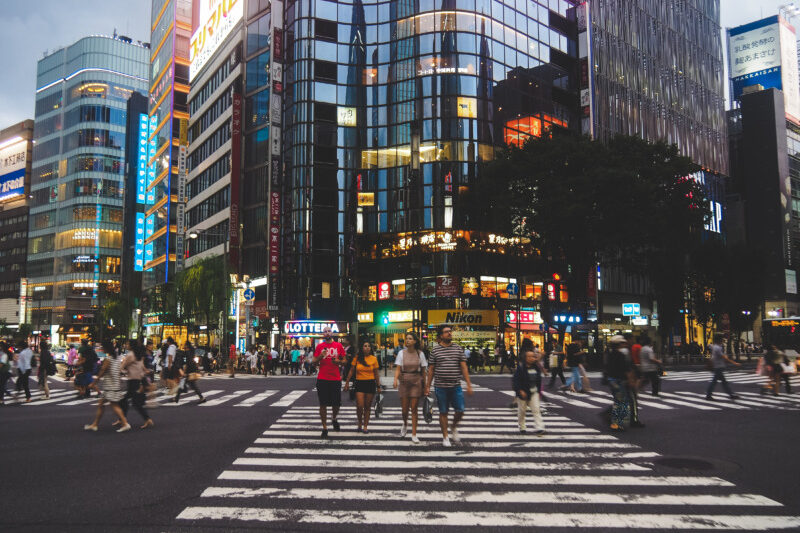
Edo elegance meets Tokyo’s modernity in serene Hamarikyu Gardens.
Certainly! Here are the key points about the global influence, historical impact, and preservation of Hamarikyu Gardens in Chuo City:
- The Hamarikyu Gardens in Chuo City, Tokyo, have a rich historical significance as they were initially developed as a villa for the Tokugawa Shogun family during the Edo era in the 17th century. This historical impact has contributed to the cultural heritage of Tokyo (source: Plaza Homes).
- The gardens have been historically home to many ochaya, or teahouses, which were damaged during the earthquake and bombing in the mid-twentieth century, reflecting the impact of historical events on the site (source: Nom Nom Abroad).
- The preservation of cultural landscapes, heritage sites, and gardens, including Hamarikyu Gardens, has become an important matter, highlighting the global influence of the site in the context of urban and rural landscapes (source: OPAC).
- Studies have been conducted to understand the impact of urban development and high-rise buildings on the scenery and visitors’ perception of traditional gardens like Hamarikyu Gardens, emphasizing the ongoing global interest in preserving and understanding the cultural significance of such sites (source: MDPI).
– Cultural Authenticity: The Hama-rikyu Gardens in Chuo City maintain and represent local traditions and cultural practices through its historical significance as a former imperial and shogunate garden, preserving the natural, green space among the bustling metropolis, and offering a peaceful oasis reflective of traditional Japanese garden design (source: [Japan Travel](https://www.japan.travel/en/spot/1653/)).
– Historical Significance: The garden’s historical importance lies in its origins as a feudal lord’s Tokyo residence and duck hunting grounds, dating back centuries, and its survival as a rare duck-hunting ground, making it a unique Tokyo garden with ties to the Tokugawa Shogunate (source: [Japan Guide](https://www.japan-guide.com/e/e3025.html)).
– Artistic Value: Hama-rikyu Gardens offer significant artistic value through its classical natural landscapes, reflecting the conflict between the modern urban environment and traditional Japanese garden aesthetics (source: [MDPI](https://www.mdpi.com/2071-1050/12/16/6315)).
– Social Impact: The gardens play a role in providing a peaceful park for visitors to escape the hustle and bustle of the city, contributing to the community as an urban oasis (source: [TripAdvisor](https://www.tripadvisor.ca/Attraction_Review-g1066444-d320445-Reviews-Hama_Rikyu_Gardens-Chuo_Tokyo_Tokyo_Prefecture_Kanto.html)).
– Accessibility and Preservation: The location is accessible to the public and effective preservation efforts are evident in maintaining the historical and cultural significance of the gardens (source: [The Garden Visitor](https://thegardenvisitor.co.uk/tokyo-1-hama-rikyu-gardens/)).
– Visitor Engagement: Visitors have the opportunity to engage with the culture and community through experiencing the peaceful and traditional garden environment reflective of Edo-period Japan (source: [Nom Nom Abroad](https://www.nomnomabroad.com/blog/hamarikyu-gardens)).
– Educational Value: The gardens provide learning opportunities about traditional Japanese garden design, historical significance, and the environment, offering educational value to visitors (source: [Tateshina](https://tateshina.co.jp/eng/near-shinjuku/hamarikyu-gardens-beautiful-edo-period-garden-in-the-middle-of-tokyo/)).
- Universal Appeal and Cultural Authenticity (78/100): Hamarikyu Gardens maintains strong cultural authenticity by preserving traditional Japanese garden techniques and historical structures, such as teahouses and the duck pond that reference its past as a shogunal garden. The mix of traditional elements with the surrounding modern skyline may slightly detract from the immersive experience but still showcases an important cultural juxtaposition.
- Cultural Richness and Educational Value (85/100): The educational offerings of Hamarikyu Gardens are significant, providing insights into Edo-period landscaping and architecture, traditional tea ceremonies, and the history of Tokyo’s aristocratic families. Signage and guided tours enrich visitor knowledge about traditional Japanese culture and horticulture.
- Preservation and Integrity (92/100): The gardens score high in preservation and integrity, visibly upholding historical accuracy in the restoration and maintenance of the landscape and architectural elements. Efforts to preserve the site’s historical narrative alongside the accessibility of its spaces contribute positively to its integrity.
- Accessibility and Visitor Engagement (88/100): Hamarikyu Gardens is easily accessible from major parts of Tokyo, with well-maintained paths and facilities enhancing visitor engagement. Interactive experiences, such as tea ceremonies in the teahouses, and the peaceful setting allow for engaging yet leisurely exploration, though the nature of traditional Japanese gardens may present navigational challenges for those with mobility issues.
Hamarikyu Gardens represents the pinnacle of Japanese landscape artistry, where a former imperial duck hunting ground has evolved into Tokyo‘s most exquisite example of Edo Period garden design. This 250,000-square-meter oasis features a tidal pond connected to Tokyo Bay, creating a living landscape that changes with the ocean’s rhythms and showcases the Japanese mastery of incorporating natural elements into designed spaces. The garden’s centerpiece, Nakajima-no-ochaya teahouse, sits on an island accessible only by wooden bridges, offering traditional matcha tea ceremonies with views across the pond to Tokyo’s towering skyline. Ancient pine trees, some over 300 years old and meticulously shaped through generations of careful pruning, stand as living sculptures that embody the Japanese aesthetic of controlled naturalism. The garden transforms seasonally: plum blossoms herald spring’s arrival, peonies and azaleas paint summer in vibrant colors, autumn maples create fiery reflections in the pond, and winter reveals the garden’s elegant bones. Historical duck hunting blinds remain preserved along the pond’s edge, offering glimpses into the shogunate’s leisure pursuits when nets rather than guns captured waterfowl for the lord’s table. The contrast between the garden’s timeless tranquility and the surrounding Shiodome district’s futuristic architecture creates a uniquely Tokyo experience where centuries collapse into a single view. Whether participating in a tea ceremony, photographing seasonal flowers, or simply contemplating the interplay of water, stone, and sky, Hamarikyu Gardens offers profound insights into Japanese culture’s reverence for nature’s beauty carefully curated by human hands.
Cultural Context
Edo period daimyo garden representing pinnacle of Japanese landscape artistry, unique tidal pond garden connected to Tokyo Bay embodying harmony with nature, preserved imperial heritage opened to public post-WWII
Historical Context
Built as Tokugawa shogun family villa and duck hunting grounds 17th century, served as strolling garden for feudal elite, became imperial detached palace Meiji period, opened public 1946 after wartime damage