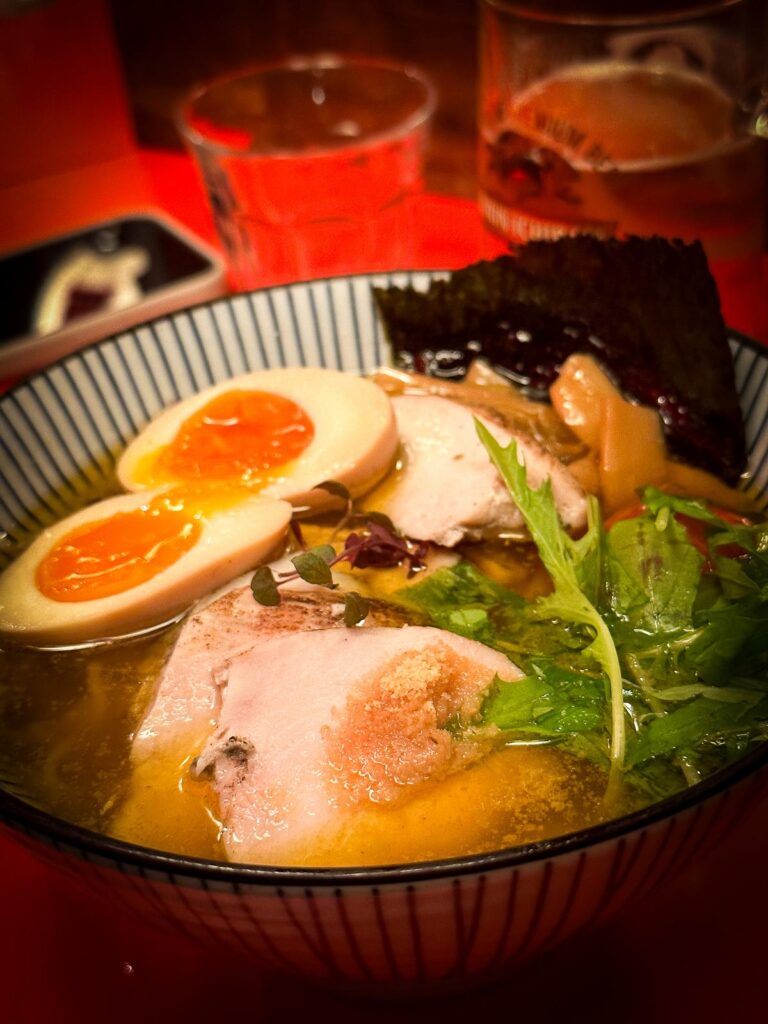
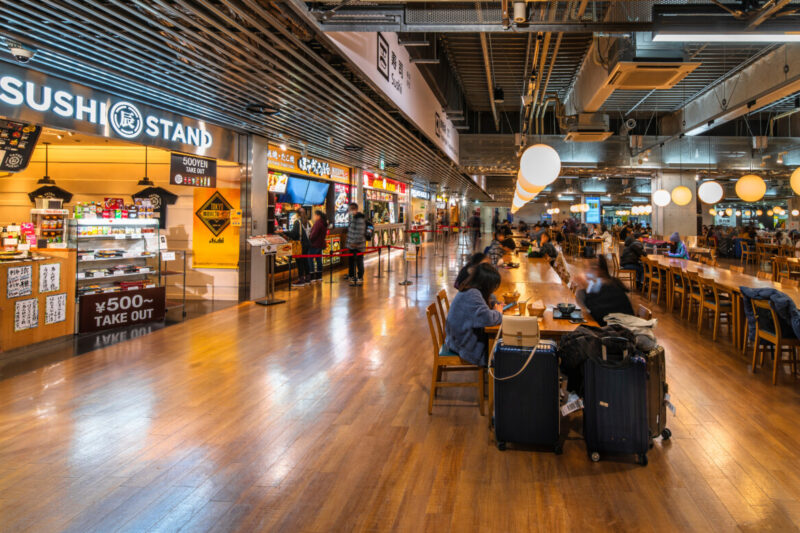
Tokyo’s subterranean ramen odyssey: culture in a bowl.
Certainly! Here are the key points about Tokyo Ramen Street in Chiyoda City:
– Tokyo Ramen Street, located in the underground shopping area of Tokyo Station First Avenue, is a renowned destination for ramen enthusiasts. The street features a selection of Tokyo’s famous ramen noodle soup restaurants, offering a variety of regional ramen styles. (source: [Visit Chiyoda](https://visit-chiyoda.com/tokyo-ramen-street/))
– This culinary hotspot has a significant global influence, attracting both domestic and international visitors who are eager to experience the diverse flavors of authentic Japanese ramen. The limited edition menus available exclusively at Tokyo Ramen Street further contribute to its appeal among ramen aficionados. (source: [Chiyoda Tourism Association](https://visit-chiyoda.tokyo/app/en/spot/detail/847))
– Tokyo Ramen Street has made a historical impact by showcasing some of the most delicious and famous ramen in the city. Its location within Tokyo Station, a major transportation hub, has contributed to its accessibility and popularity over the years. (source: [Tokyo Cheapo](https://tokyocheapo.com/food-and-drink/ramen/tokyo-ramen-street/))
– The preservation of Tokyo Ramen Street is vital for maintaining the rich culinary heritage of Japan. As a hub for various regional ramen styles, the street plays a crucial role in preserving and promoting traditional Japanese noodle culture. (source: [Japan Travel](https://en.japantravel.com/tokyo/tokyo-ramen-street/5198))
These points highlight the global influence, historical impact, and importance of preserving Tokyo Ramen Street in Chiyoda City.
– Cultural Authenticity: Tokyo Ramen Street at Tokyo Station’s First Avenue in Chiyoda City maintains and represents the local tradition of ramen consumption, offering a variety of authentic ramen noodle soup restaurants that showcase the diverse flavors and styles of this beloved Japanese dish.
– Historical Significance: While Tokyo Ramen Street may not have significant historical importance in a broad cultural and national context, it plays a role in preserving and promoting the tradition of ramen, which has become an iconic part of Japanese cuisine.
– Artistic Value: The artistic value of Tokyo Ramen Street lies in the culinary arts, with each restaurant contributing to the rich tapestry of ramen styles and flavors. While not a traditional artistic venue, it represents the creativity and artistry of Japanese culinary traditions.
– Social Impact: As a popular destination within Tokyo Station, Tokyo Ramen Street contributes to the local community by attracting visitors and supporting the culinary industry. It serves as a gathering place for locals and tourists alike, fostering social interaction and appreciation for Japanese food culture.
– Accessibility and Preservation: Tokyo Ramen Street is easily accessible within Tokyo Station, making it convenient for the public to experience a variety of ramen restaurants in one location. While not a historical site, its role in preserving and promoting the tradition of ramen contributes to the preservation of culinary heritage.
– Visitor Engagement: Visitors to Tokyo Ramen Street have the opportunity to engage with Japanese food culture through interactive dining experiences, where they can sample different styles of ramen and learn about the nuances of this beloved dish.
– Educational Value: Tokyo Ramen Street offers learning opportunities for visitors to explore the diverse world of ramen, providing insight into the history, regional variations, and culinary techniques associated with this iconic Japanese noodle soup.
- Universal Appeal and Cultural Authenticity: Tokyo Ramen Street showcases the rich variety of ramen, a beloved Japanese culinary tradition, reflecting high cultural authenticity. Its global appeal is evident in its popularity among both locals and tourists, meriting an 82/100 rating. Although it provides an authentic dining experience, the location within a commercial area somewhat limits its cultural depth.
- Cultural Richness and Educational Value: The site offers a bevy of educational experiences centered around ramen’s diverse regional variations and preparation methods. While it facilitates learning about Japanese cuisine, the focus is somewhat narrow, primarily centered on food, hence the rating of 78/100.
- Preservation and Integrity: Located in Tokyo Station, the Street maintains a consistent theme and quality in offering traditional Japanese ramen, ensuring the preservation of this culinary culture. It operates within a modern commercial setup, which supports but also slightly constrains its traditional essence, leading to a score of 85/100.
- Accessibility and Visitor Engagement: Exceptionally high accessibility within Tokyo Station combined with interactive ordering systems (like ticket machines) and the opportunity to explore a variety of ramen styles engage visitors effectively, earning a high score of 90/100. However, issues with navigational difficulty in finding the street within the station are noted by visitors but do not overly detract from the overall experience.
Tokyo Ramen Street, located in the basement of Tokyo Station, represents the ultimate pilgrimage for ramen enthusiasts. This underground culinary paradise houses eight carefully selected ramen shops, each representing a different regional style and flavor profile from across Japan. The corridor buzzes with the energy of salarymen grabbing quick lunches and dedicated food lovers seeking the perfect bowl. Each shop specializes in distinct ramen varieties: from rich tonkotsu broths simmered for 24 hours to delicate shoyu-based bowls that highlight umami complexity. The street showcases regional specialties including Hokkaido’s miso ramen, Kyushu’s creamy tonkotsu, and Tokyo’s classic shoyu style. Visitors navigate between shops using ticket machines, adding to the authentic Japanese dining experience. The aroma of simmering broths, roasted pork, and fresh noodles creates an intoxicating atmosphere that captures the essence of Japan’s ramen culture. Whether you’re a first-time visitor or a seasoned ramen connoisseur, Tokyo Ramen Street offers an unparalleled journey through Japan’s most beloved comfort food in the heart of the nation’s busiest transportation hub.
Cultural Context
Tokyo Ramen Street stands as the epicenter of Japanese ramen culture, housed within Tokyo Station’s underground First Avenue (Tokyo Eki Ichibangai) and representing one of the most concentrated celebrations of Japan’s beloved noodle art form. This legendary culinary destination brings together eight of Japan’s most revered ramen shops under one roof, showcasing the incredible regional diversity of ramen styles—from Hokkaido’s miso ramen to Kyushu’s tonkotsu, Hiroshima’s tsukemen, and Tokyo’s classic shoyu varieties. Each restaurant represents decades or centuries of regional tradition, with master ramen chefs who have perfected their craft through generational knowledge transfer. The concept embodies Japan’s cultural dedication to “shokunin” (artisan mastery), where single dishes are elevated to artistic perfection through relentless pursuit of excellence. Located in Japan’s busiest railway station, Ramen Street serves millions of commuters, business people, and travelers annually, functioning as both a cultural embassy for Japan’s ramen heritage and a practical dining solution for modern urban life. The famous ticket vending machine system (券売機) represents efficient Japanese service culture, while the intense lines at places like Rokurinsha demonstrate the Japanese cultural appreciation for waiting patiently for exceptional quality.
Historical Context
Tokyo Ramen Street emerged as a distinct culinary destination in 2009 within the basement of Tokyo Station, a major transportation hub with a rich history dating back to its original opening in 1914. The concept was developed to showcase the diversity and regional styles of ramen from across Japan in one convenient location, reflecting the nationwide popularity and cultural significance of this beloved dish. Over the years, Tokyo Ramen Street has evolved by curating an exclusive selection of renowned ramen shops, each representing different prefectures and ramen traditions, such as Sapporo miso ramen and Hakata tonkotsu ramen. This evolution mirrors Japan’s post-war urbanization and the rise of food culture as a key aspect of social life. The establishment of Tokyo Ramen Street coincided with Tokyo Station’s extensive renovations aimed at preserving its historic architecture while modernizing its facilities, symbolizing a fusion of tradition and innovation. Since its inception, it has become a pilgrimage site for both domestic and international visitors, reflecting the ongoing globalization of Japanese cuisine. The street’s development also highlights the broader trend of specialized food courts in urban Japan, where culinary heritage is preserved and celebrated in a compact, accessible format. Tokyo Ramen Street’s history is thus intertwined with Japan’s culinary modernization, urban redevelopment, and the internationalization of ramen as a cultural icon. It continues to adapt by introducing new ramen chefs and seasonal specialties, ensuring its relevance in Tokyo’s dynamic food scene. This historical context underscores Tokyo Ramen Street’s role as a living museum of ramen culture within one of the world’s busiest train stations.