Discover Park Güell: Barcelona's mosaic wonderland!
Global Influence
- Park Güell is a UNESCO World Heritage Site, contributing to its global recognition and significance in the preservation of cultural heritage.
- It attracts millions of international visitors annually, making it a key driver of tourism in Barcelona and contributing to the city’s global appeal.
- The unique architectural and artistic elements of Park Güell have had a profound influence on global art and design, inspiring artists and architects worldwide.
- Barcelona, the city where Park Güell is located, frequently hosts international events and collaborations that showcase the park’s cultural and artistic significance.
Historical Impact
- Designed by renowned architect Antoni Gaudí, Park Güell represents a significant historical event in the development of modernist architecture in the early 20th century.
- Its architectural and archaeological significance lies in its innovative design, which integrates natural elements with man-made structures and reflects Gaudí’s unique style and vision.
- Park Güell’s creation is deeply intertwined with Barcelona’s history, reflecting the city’s cultural and artistic contributions to the world.
- Antoni Gaudí, the mastermind behind Park Güell, is a notable historical figure associated with the place. He is known for his groundbreaking architectural designs and contributions to Catalan modernism.
Preservation Efforts
- Current preservation projects focus on maintaining the structural integrity and artistic elements of Park Güell to ensure its long-term conservation.
- Organizations such as UNESCO and local preservation societies actively safeguard the park’s heritage and promote sustainable preservation practices.
- Funding and support for preservation efforts come from a combination of public and private sources, reflecting the shared commitment to protecting this cultural treasure.
- The local community actively participates in preservation efforts through volunteer programs, educational initiatives, and advocacy for the sustainable management of Park Güell.
Historical Significance
Park Güell, located in Barcelona, was established between 1900 and 1914 and was officially opened as a public park in 1926. It was designed by the renowned Catalan architect Antoni Gaudí and commissioned by Eusebi Güell, a wealthy industrialist. The park was originally intended to be a residential garden city, but the project was unsuccessful, and only two houses were built. However, the park itself has become a significant cultural and historical landmark in Barcelona.
Cultural Importance
Park Güell holds immense cultural importance within Barcelona and beyond, influencing local traditions, arts, and community activities. As a UNESCO World Heritage Site, it is a testament to Gaudí’s architectural genius and contribution to the Catalan modernist movement. The park’s unique design and integration with nature reflect Barcelona’s artistic and cultural identity, attracting visitors from around the world.
Architectural Style
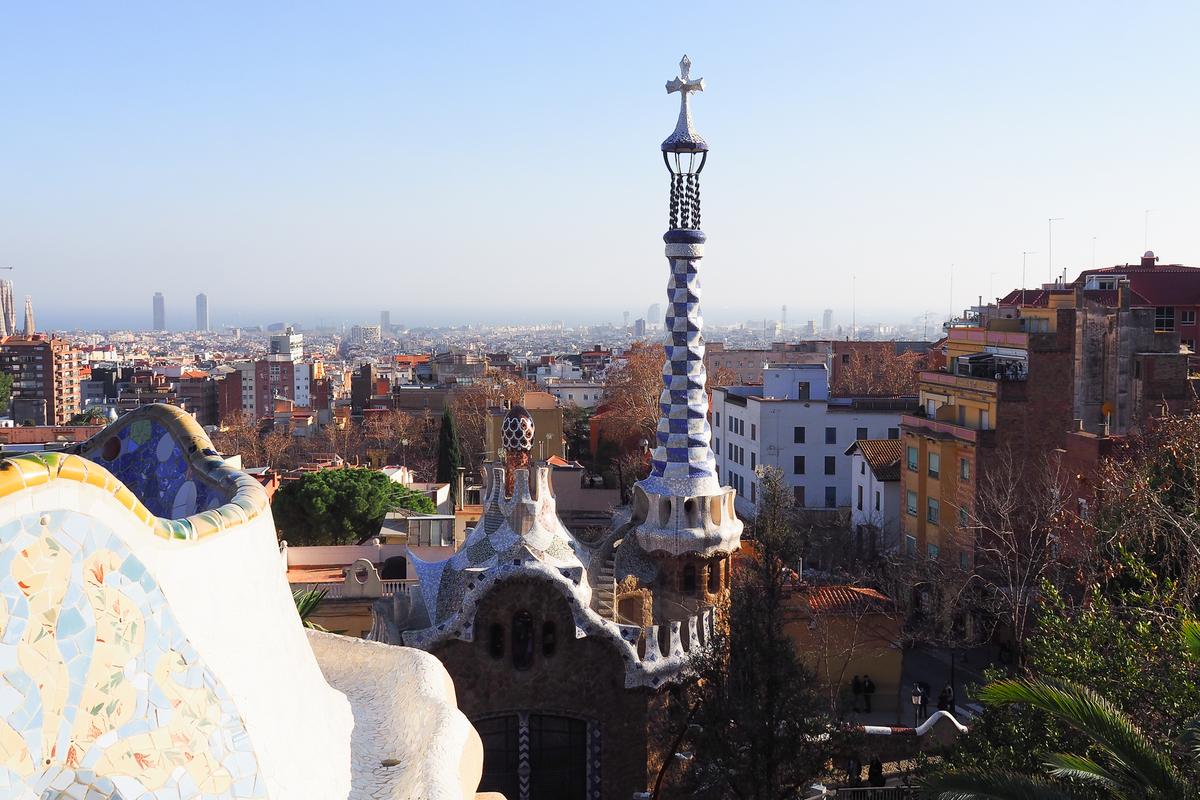
The architectural style of Park Güell is characterized by Gaudí’s distinctive modernist and organic design elements. The park features vibrant mosaic works, undulating structures, and whimsical architectural forms that blend seamlessly with the natural surroundings. Gaudí’s use of innovative structural techniques and incorporation of colorful ceramic tiles and sculptural details make Park Güell a prime example of his visionary architectural style.
Visitor Experience
Visitors to Park Güell can expect a captivating experience exploring the unique architectural and natural landscape. The park offers guided tours that provide insights into Gaudí’s creative vision and the site’s history. Additionally, visitors can enjoy various cultural events, concerts, and exhibitions that take place within the park, adding to the overall ambiance and enriching the visitor experience.
Accessibility and Amenities
Park Güell is accessible to different groups of people, including families and individuals with disabilities. The park provides accessible pathways and facilities to ensure a comfortable visit for all visitors. Amenities such as restrooms, cafes, and gift shops are available within the park, enhancing the overall visitor experience.
Best Time to Visit
- Early Morning Visits: Arrive at 9:30AM to experience the park with minimal crowds and optimal conditions for photography.
- Weekday Afternoons: Visit in the early afternoon on weekdays, when there are fewer crowds than on weekends, ensuring a more relaxed exploration.
- Late Afternoons: Explore the park after 4PM to enjoy a quieter ambiance and the beautiful evening light for photos.
Ratings and Reviews
Park Güell receives high praise for its stunning architectural beauty, unique design, and cultural significance. Visitors often appreciate the tranquil atmosphere and the opportunity to explore Gaudí’s masterful creations. However, some common complaints include crowding during peak tourist seasons and limited access to certain areas due to conservation efforts. Compared to similar attractions in the area, Park Güell stands out for its exceptional blend of nature, art, and architecture.
Photographic Opportunities
Park Güell offers numerous photogenic spots, including the iconic mosaic dragon fountain at the entrance, the undulating serpentine bench on the main terrace, and the panoramic views of Barcelona from the higher points within the park. The late afternoon light often provides the best conditions for capturing the vibrant colors and intricate details of the park’s architectural elements.
- Universal Appeal and Cultural Authenticity: 90/100
- Park Güell offers a unique blend of architecture and nature, a testament to Catalan culture and Gaudí’s genius.
- The park’s design is authentic and captures the essence of Barcelona’s artistic heritage.
- The widespread recognition by UNESCO further solidifies its status as a culturally significant location.
- Cultural Richness and Educational Value: 85/100
- The park offers guided tours and informational material that provide deep insights into its history and Gaudí’s vision.
- It is a living museum where visitors can learn about modernist architecture and Catalan culture.
- Despite some areas being crowded, the park presents numerous educational opportunities through exhibitions and cultural events.
- Preservation and Integrity: 80/100
- While adequate preservation measures are in place, limited access to certain areas due to conservation can impact visitor experience.
- Funding and support from UNESCO and local organizations highlight the commitment to preserving this cultural treasure.
- Ongoing projects aim to maintain the park’s structural and artistic elements.
- Accessibility and Visitor Engagement: 75/100
- Park Güell is accessible to a broad audience, including individuals with disabilities, but the park can become very crowded, affecting visitor comfort.
- Visitors often mention long lines and the need for advance booking as potential issues, but these measures help manage the site’s integrity.
- Additions like cafes and gift shops enhance the overall visitor experience, though more amenities and clearer signs could improve it further.
- Cultural events and interactive engagement opportunities within the park add to its appeal, though more interactive experiences are needed.
Park Güell stands as Antoni Gaudí’s fantastical urban vision transformed into a mesmerizing public park, where organic architecture and vibrant mosaics create a dreamlike landscape overlooking Barcelona. Commissioned in 1900 as part of an unsuccessful housing development, the park evolved into one of Catalonia’s most beloved treasures, blending natural forms with Gaudí’s unparalleled architectural innovation. Visitors are greeted by the iconic mosaic salamander, before ascending the grand staircase to the hyperstyle hall with its 86 sloping columns inspired by ancient Greek temples. The undulating mosaic benches of the main terrace offer both spectacular panoramic views across Barcelona to the Mediterranean and a masterclass in trencadís—the broken ceramic technique that adds such distinctive texture and color to Gaudí’s work. Beyond the main monumental zone lies a network of winding pathways and viaducts that seem to grow organically from the hillside, showcasing Gaudí’s genius for integrating architecture into the natural landscape.
Cultural Context
Park Güell embodies the rich Catalan culture and the Modernisme movement that flourished in Barcelona during the late 19th and early 20th centuries. Designed by Antoni Gaudí, a leading figure of Catalan Modernism, the park reflects a deep connection to Catalan identity through its integration of nature, mythology, and traditional Catalan artistic motifs. The park is a cultural symbol that celebrates the region’s heritage, incorporating elements such as trencadís mosaic tilework, which is a hallmark of Catalan craftsmanship. Local customs and celebrations often highlight the park as a gathering place for community events, including cultural festivals and artistic performances that emphasize the Catalan language and traditions. The park’s design also reflects Gaudí’s philosophy of harmonizing architecture with nature, a principle deeply rooted in Catalan respect for the environment. Visitors can observe the synthesis of natural forms and artistic creativity, which is a core aspect of Catalan cultural expression. Park Güell continues to serve as a cultural landmark where the historical and contemporary identity of Barcelona is celebrated through art, architecture, and community engagement, making it a vital part of the city’s cultural fabric today.
Historical Context
Park Güell was originally conceived in 1900 as part of a residential estate project commissioned by Eusebi Güell, a wealthy Catalan industrialist and patron of Antoni Gaudí. The project aimed to create a garden city inspired by the English garden city movement, integrating nature with urban living. However, the residential plan was unsuccessful, with only two houses built, including Gaudí’s own residence, which now serves as the Gaudí House Museum. The park was opened as a public space in 1926, after Gaudí’s death in 1926, and it gradually became one of Barcelona’s most iconic landmarks. Historically, Park Güell represents a pivotal moment in the evolution of urban planning and landscape architecture in Barcelona, reflecting the city’s transition into modernity while preserving its natural surroundings. The park also offers insight into the socio-economic context of early 20th-century Barcelona, illustrating the ambitions of the Catalan bourgeoisie and the rise of Modernisme as both an artistic and social movement. Over the decades, Park Güell has witnessed numerous changes, including its designation as a UNESCO World Heritage Site in 1984, which further solidified its historical importance and ensured its preservation for future generations.